Index Elias Holzknecht
About Close

Encyclopedia Of Potential Truth

Info

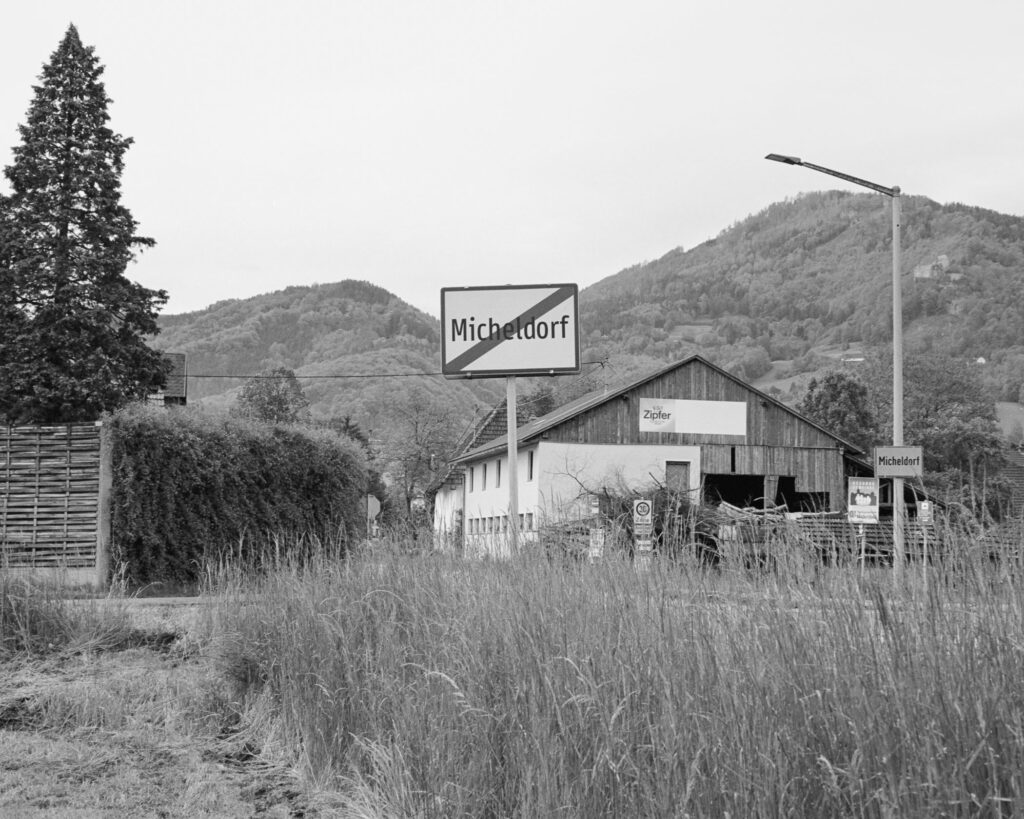
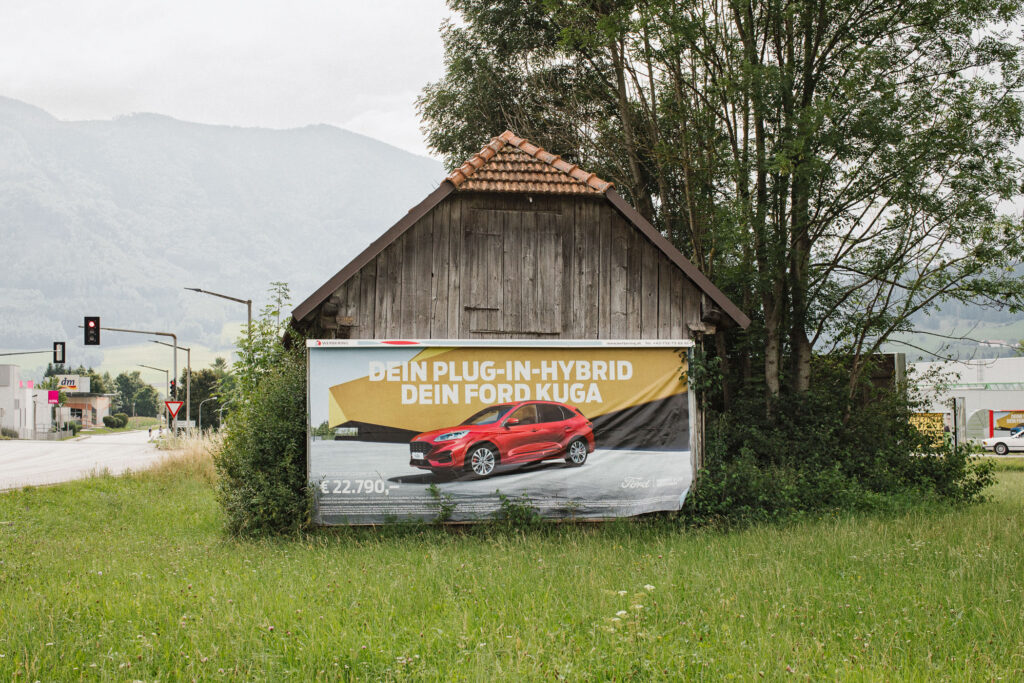
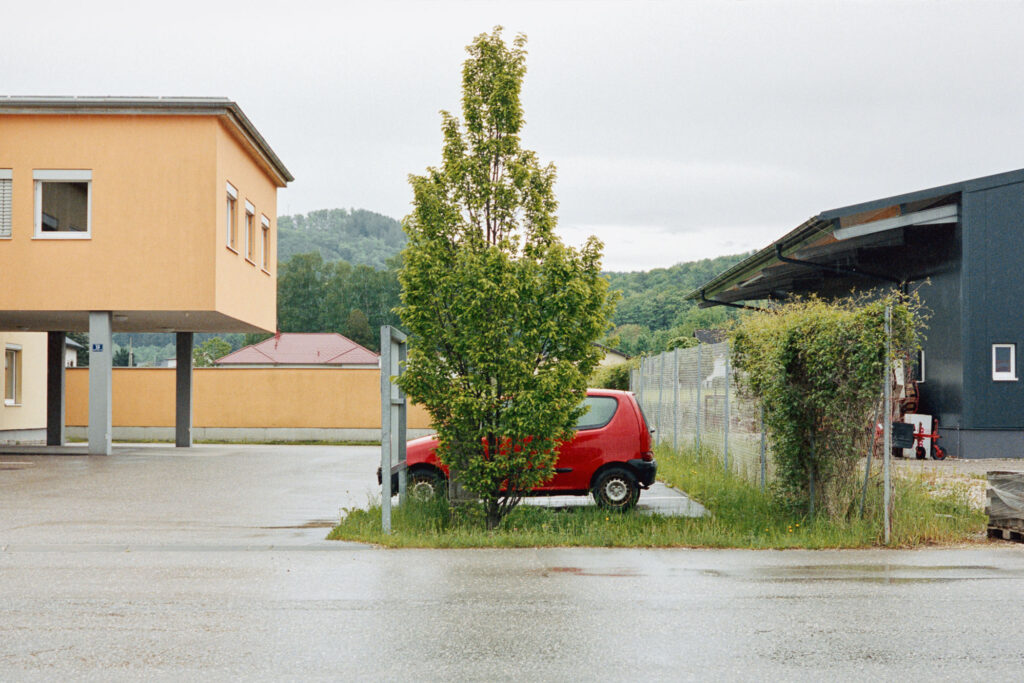
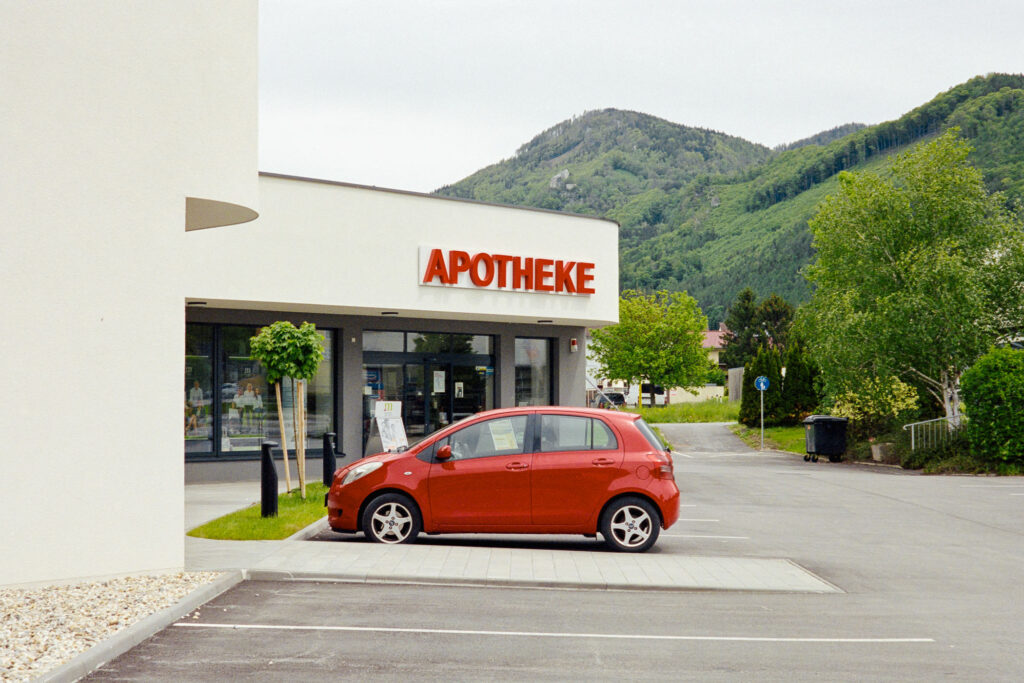
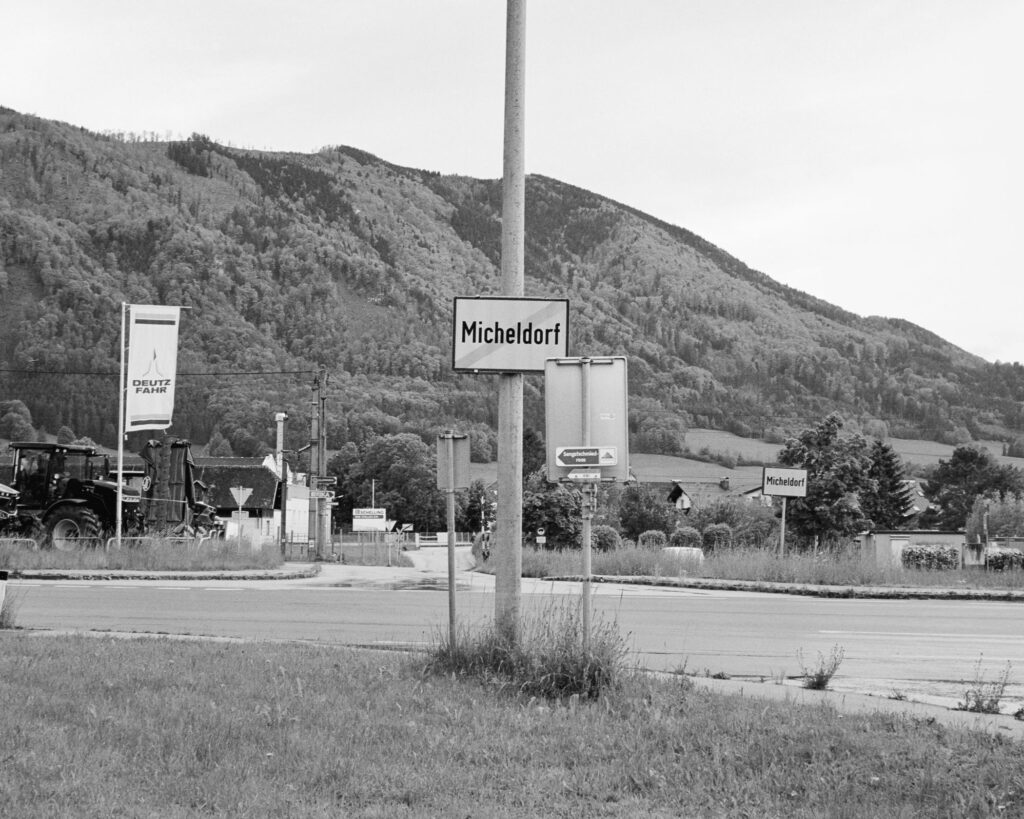
Micheldorf Micheldorf Micheldorf Micheldorf

Info

Bezirk 05

Info
Elias Holzknecht took up photography to understand the world. Now he has questions about both.

Auf bekannten Wegen

Info

Es werde Schnee

Info

Josef

Info

Encyclopedia Of Potential Truth

Info

Micheldorf Micheldorf Micheldorf Micheldorf

Info

Bezirk 05

Info

Auf bekannten Wegen

Info

Es werde Schnee

Info

Josef

Info
Instagram
mail@eliasholzknecht.at
0043 664 123 6921
IMPRINT Copyright 2026, Elias Holzknecht / Lilienthalgasse 25 / 8020 Graz / ATU 67804414 / Design+Development: Zwupp.com / PRIVACY POLICY
I live in Graz and Längenfeld, Austria, and work mainly with photography.

My work often begins with something seemingly familiar or ordinary. I critically engage with existing images and narratives, always considering social, economic and ecological conditions.

In my books and exhibitions, I bring together photographs I make and material I find. Sometimes I also work with moving images and sculpture.

I'm part of What’s left of Photography and Freies Atelierhaus Schaumbad.

Instagram
office@eliasholzknecht.at
0043 664 123 6921
EDUCATION

2024 – 2026 MA Documentary Photography // University of South Wales // with Lisa Barnard 

2017 – 2023 BA Fotojournalismus und Dokumentarfotografie // Hochschule Hannover // with Prof. Anna Stemmler & Prof. Dr. Karen Fromm 

2020 – 2021 School of Arts KASK & Conservatory Ghent, Belgium, one-year Erasmus stay 


TEACHING

2025 – ongoing Lecturer at
BA Visual Journalism and Documentary Photography // Hochschule Hannover
PUBLICATION

"Micheldorf Micheldorf Micheldorf Micheldorf" – The Eriskay Connection / NL
2024


EXHIBITIONS

2026 / Es werde Schnee – Die Berge Tirols / group
Museum Europäischer Kulturen, Berlin, GER

2025 / Bezirk 05 / group
steirischer Herbst, Graz, AT 

2025 / Micheldorf Micheldorf Micheldorf Micheldorf / solo
Micheldorf in Oberösterreich, AT 

2025 / Auf den Zweiten Blick – NS Zeit im Ötztal / solo
Ötztaler Museen, Längenfeld, AT 

2024 / Micheldorf Micheldorf Micheldorf Micheldorf / group
Les Rencontres d‘Arles / FRA

2024 / Baumhäuser / solo
Heimatmuseum Tarrenz / AUT

2024 / Muskrat / group
Werkschau Schaumbad / AUT


2023 / Micheldorf Micheldorf Micheldorf Micheldorf / group
Goethe Exil / Hannover / GER


2022 / Es werde Schnee / group
Wiesbadener Fototage / GER


2021 / Es werde Schnee / solo
Galerie im Glockhof / Lüneburg / GER


2021 / Micheldorf Micheldorf Micheldorf Micheldorf / graduation show
KASK Gent / BE


2019 / Es werde Schnee /  screening
Chobi Mela Festival / Dhaka / BD


2018 / Josef / group
visa OFF / visa pour l’image Perpignan / FRA


TALKS

2025 / Ein Dorf, das Dorf, welches Dorf
Leipzig Photobook Festival
with Veronika Epple and Irina Ruppert

2025 / Micheldorf Micheldorf Micheldorf Micheldorf
Book presentation at Camera Austria
with June Drevet and Ulrich Ermann

2024 / Micheldorf Micheldorf Micheldorf Micheldorf
Les Rencontres d‘Arles / FRA
with Anna Stemmler


AWARDS


2026 / Dokumentarfotografie Förderpreise 16 
by Wüstenrot Stiftung and Museum Folkwang

2023 / C/O Berlin Talent Award 2023
Micheldorf Micheldorf Micheldorf Micheldorf
Shortlist


2023 / START Stipend for artistic photography;
Federal Chancellery of Austria


2021 / Journalistenpreis Punkt – Deutsche Akademie der Technikwissenschaften
Es werde Schnee

2020 / VGH-Fotopreis
Es werde Schnee

2018 / Lumix Festival
Josef / audience award
InfoX
ENCYCLOPEDIA OF POTENTIAL TRUTH
On the Ordering of Images


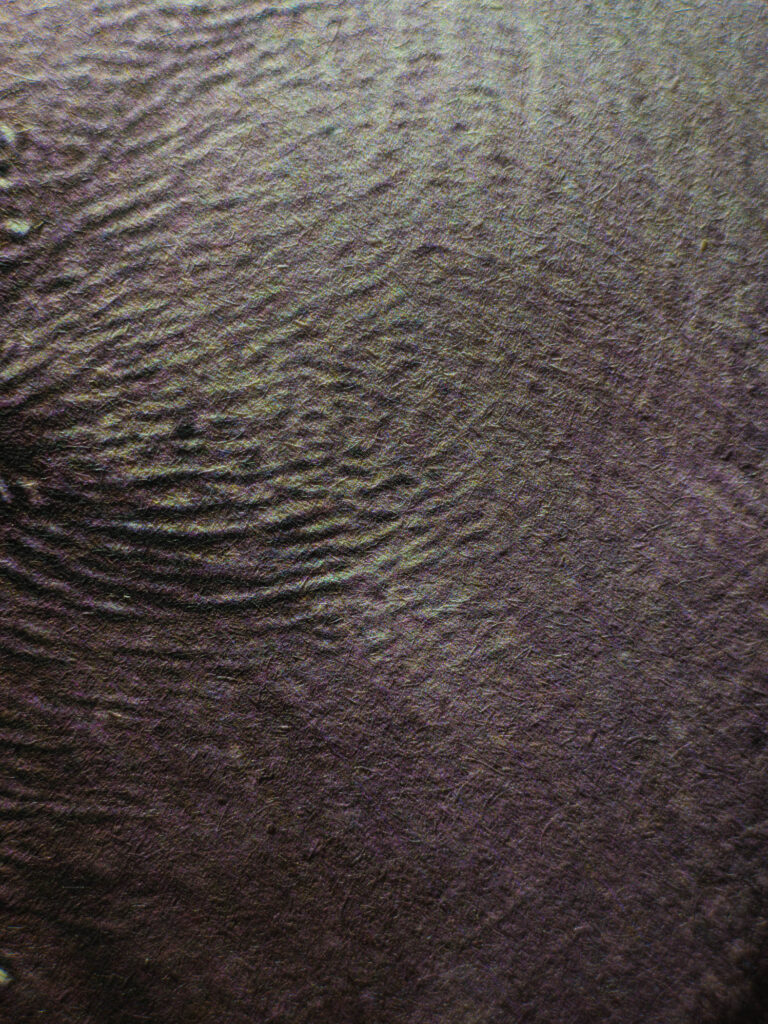
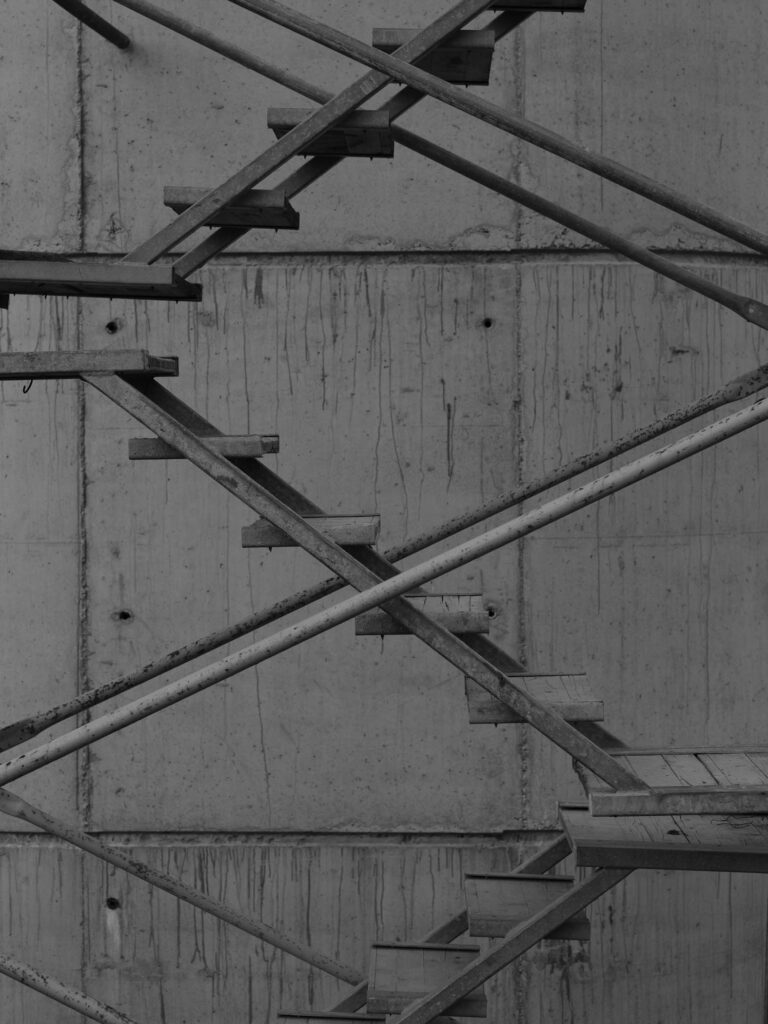
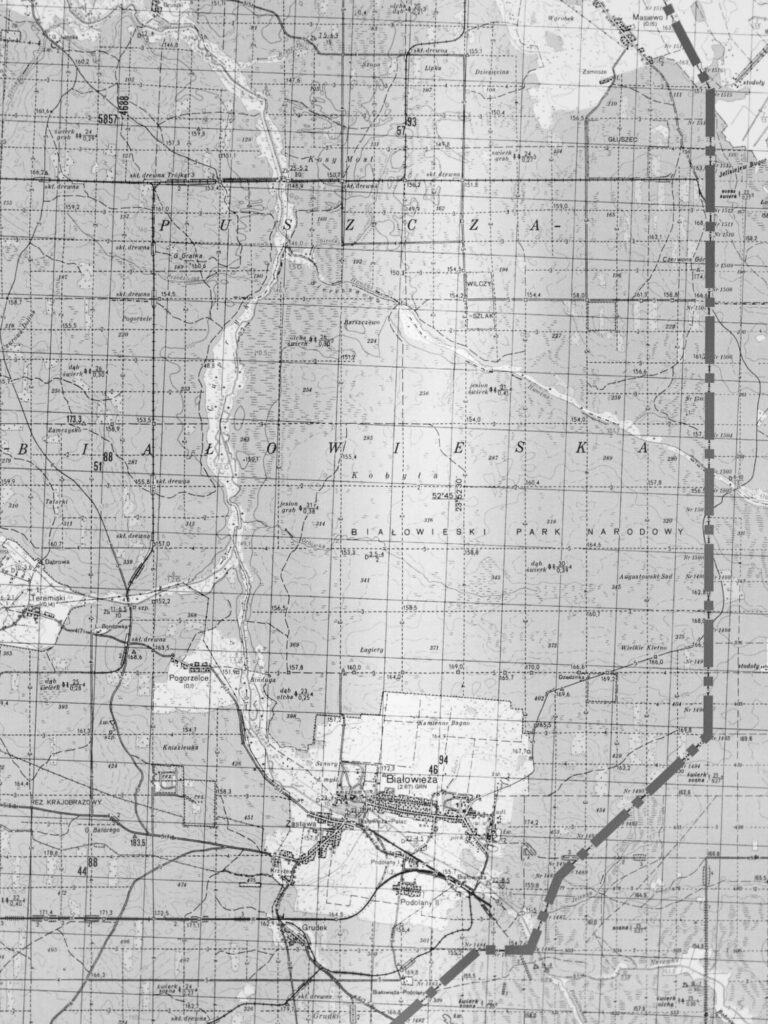
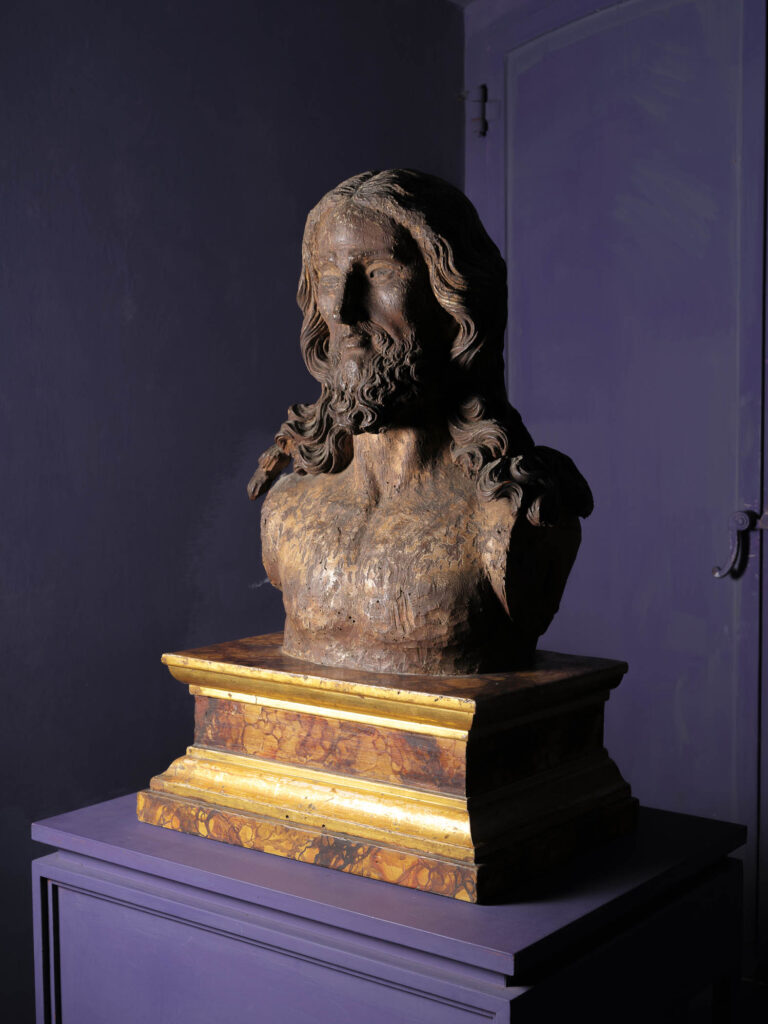
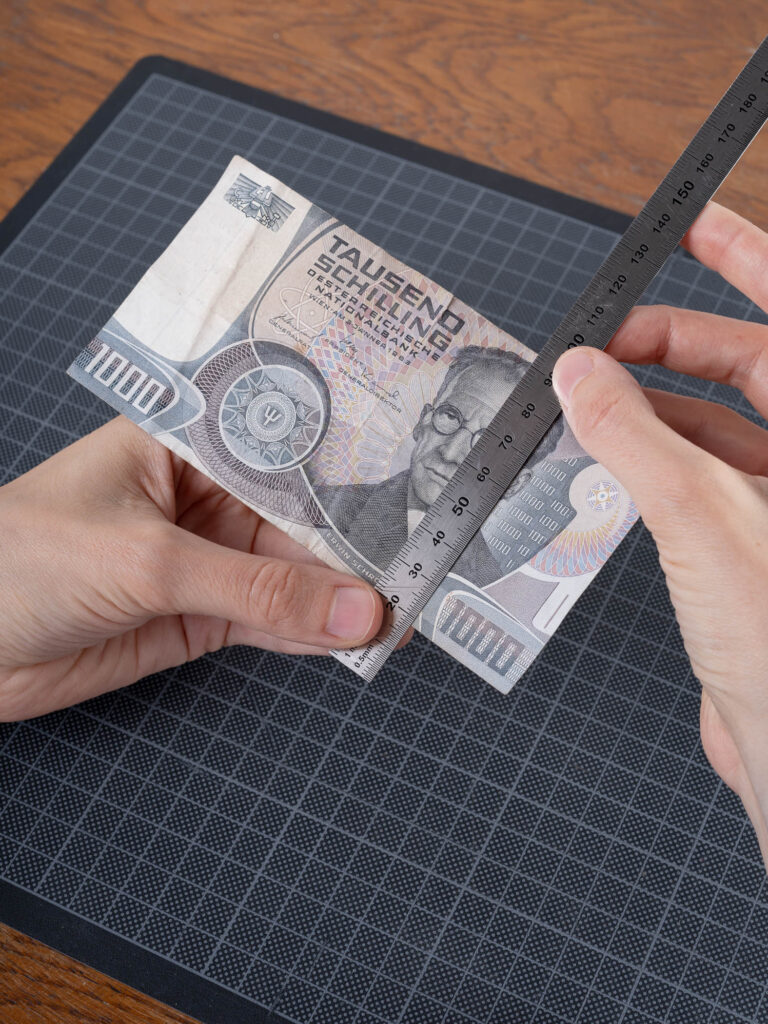
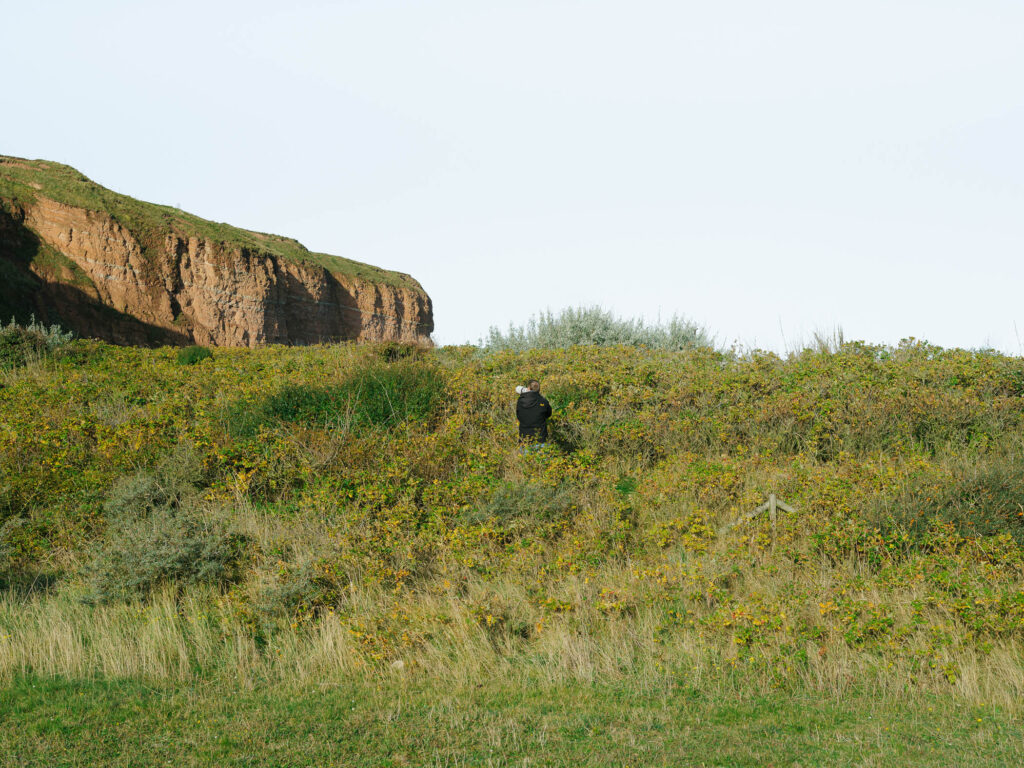
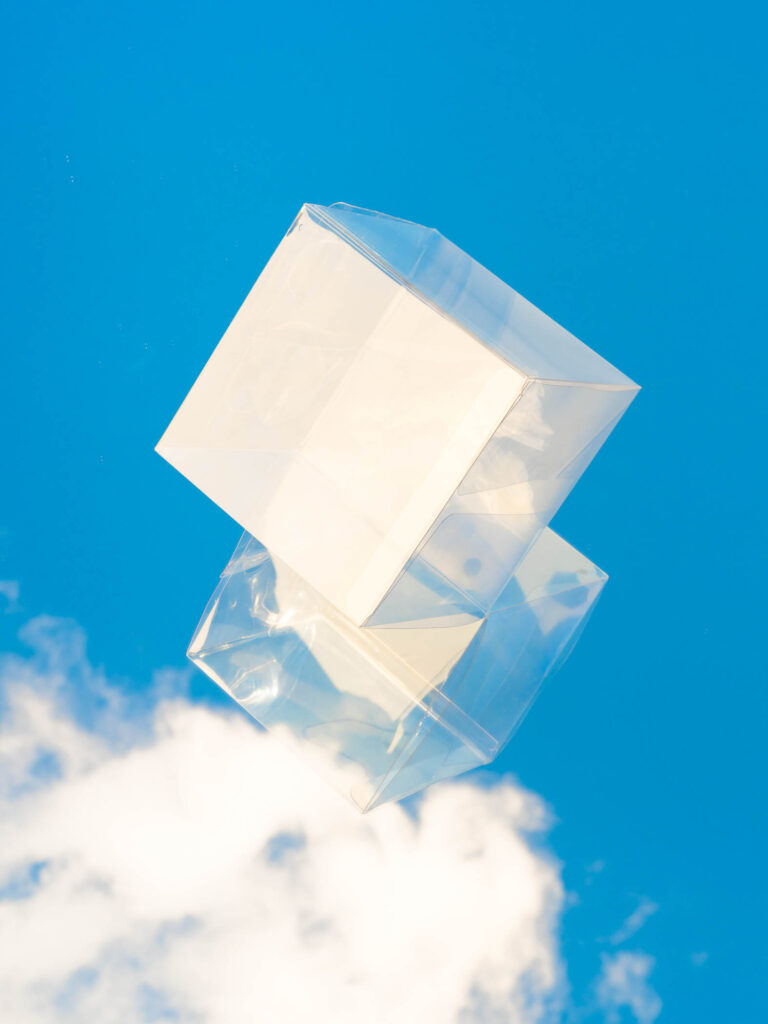
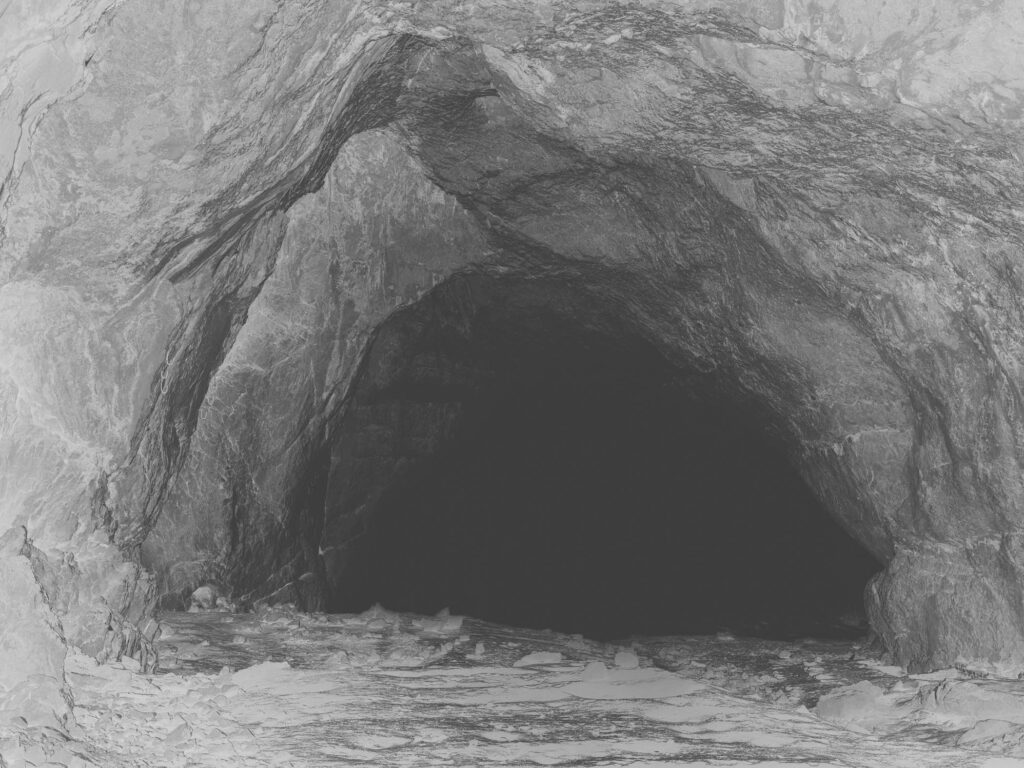
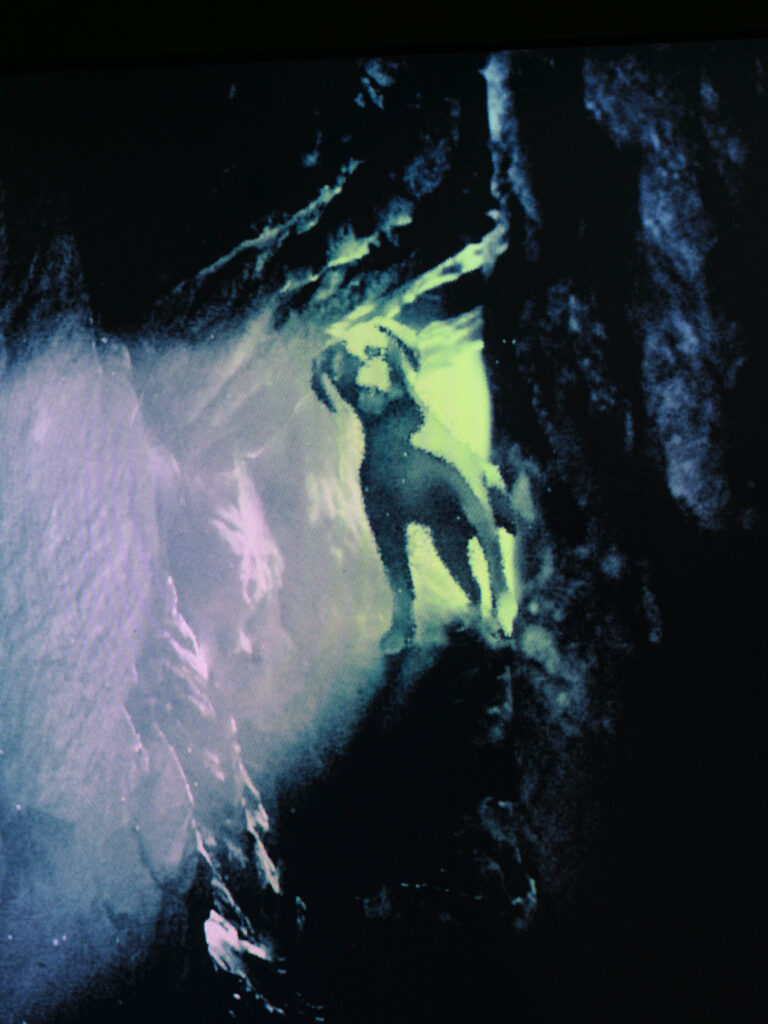
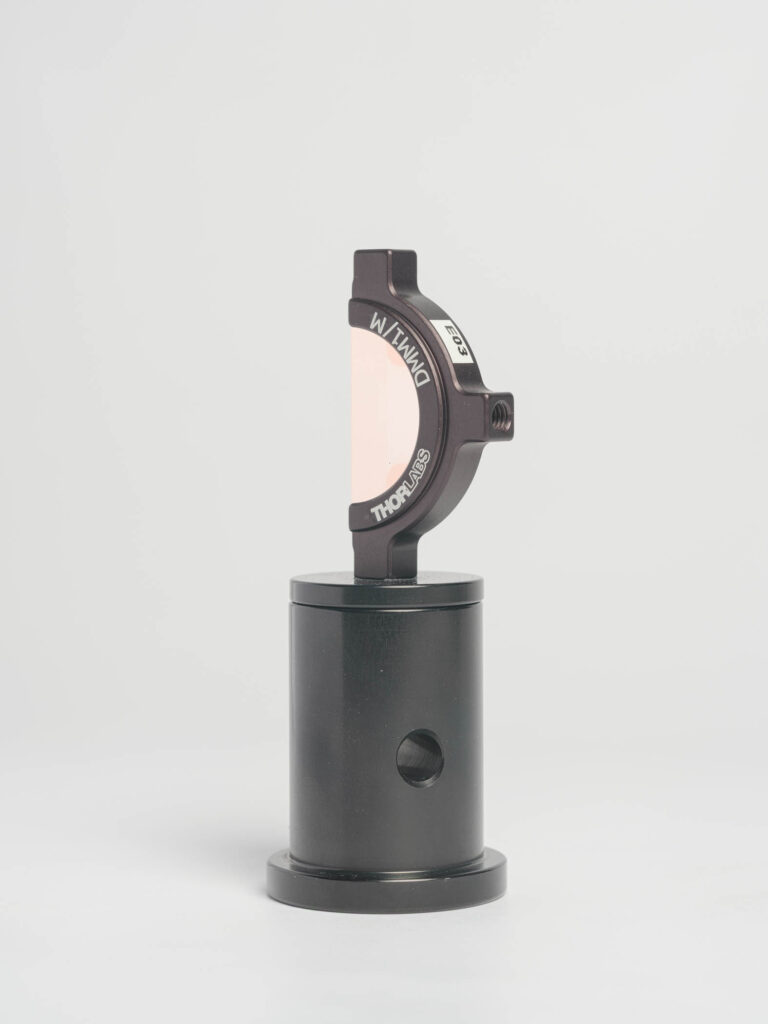
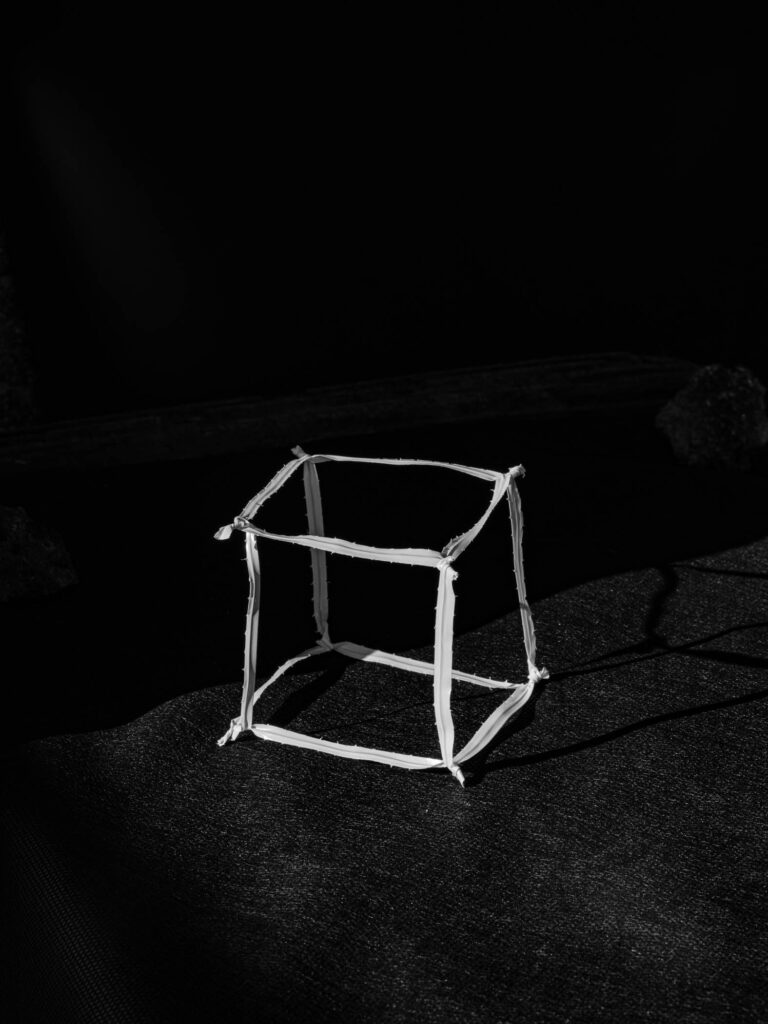
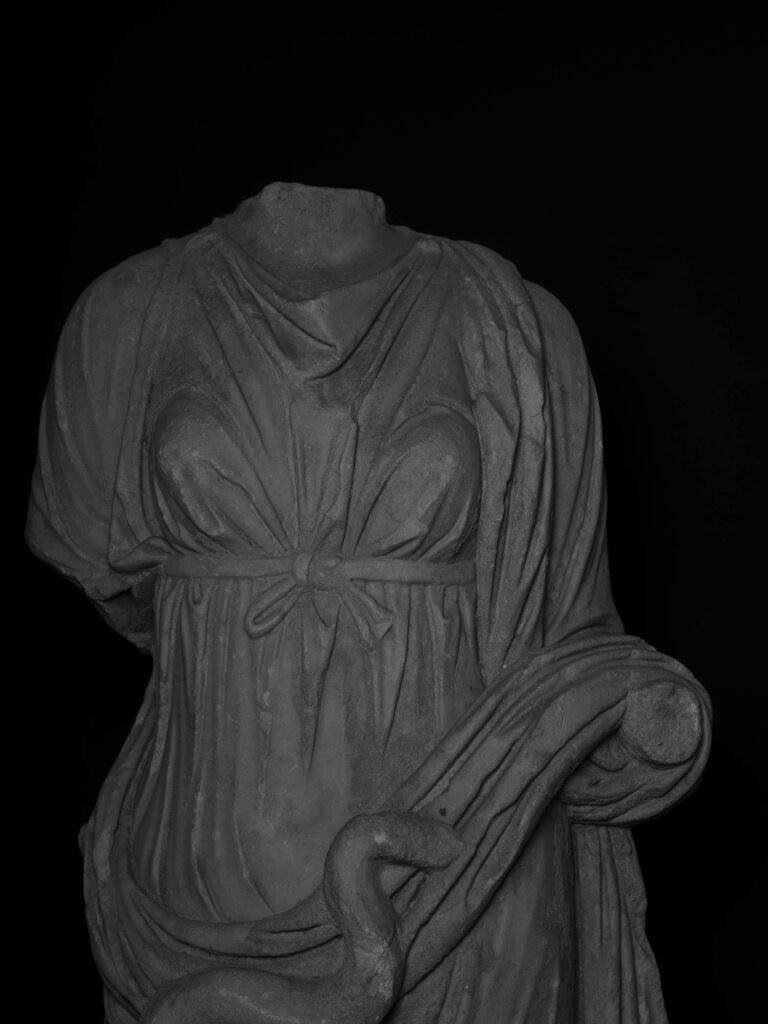
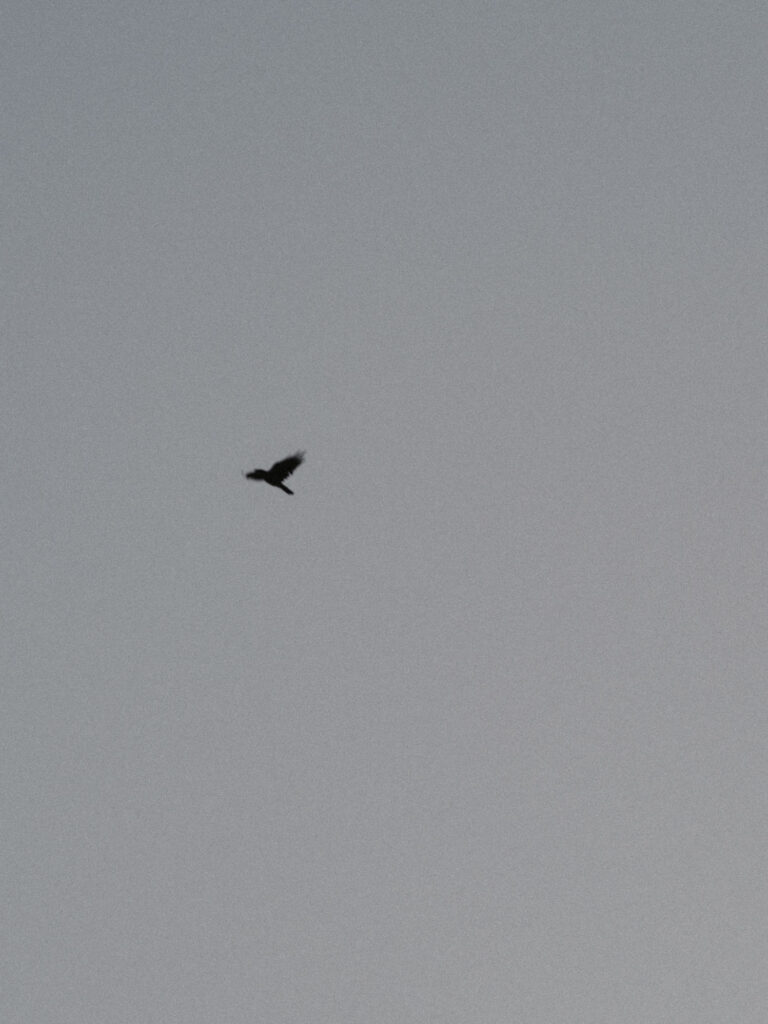
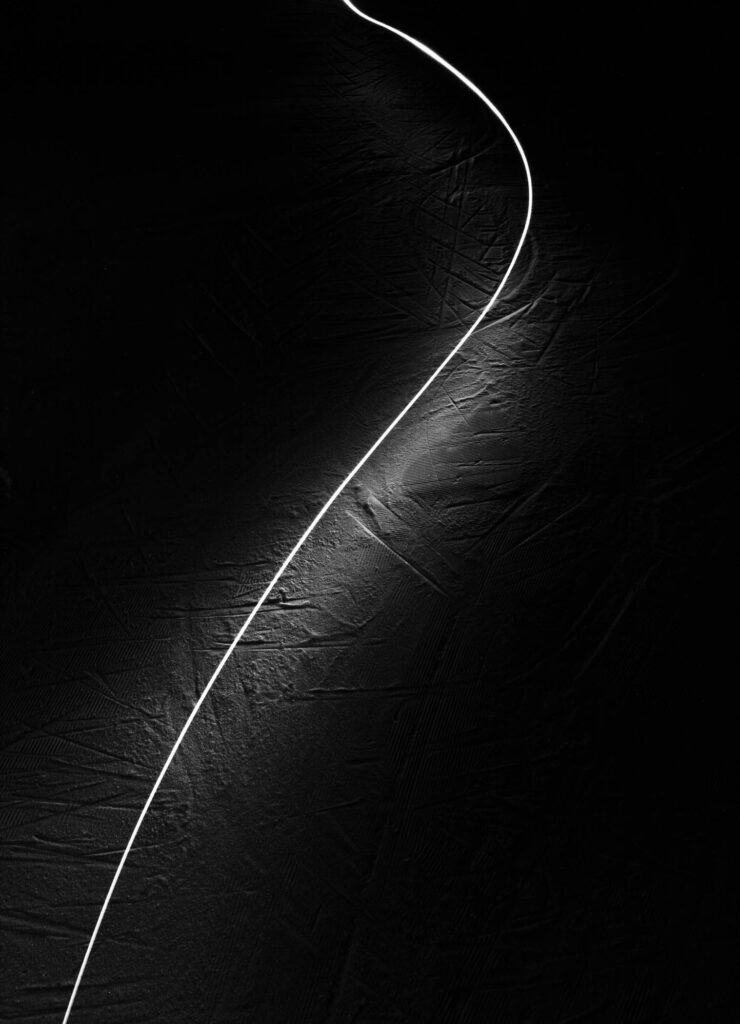
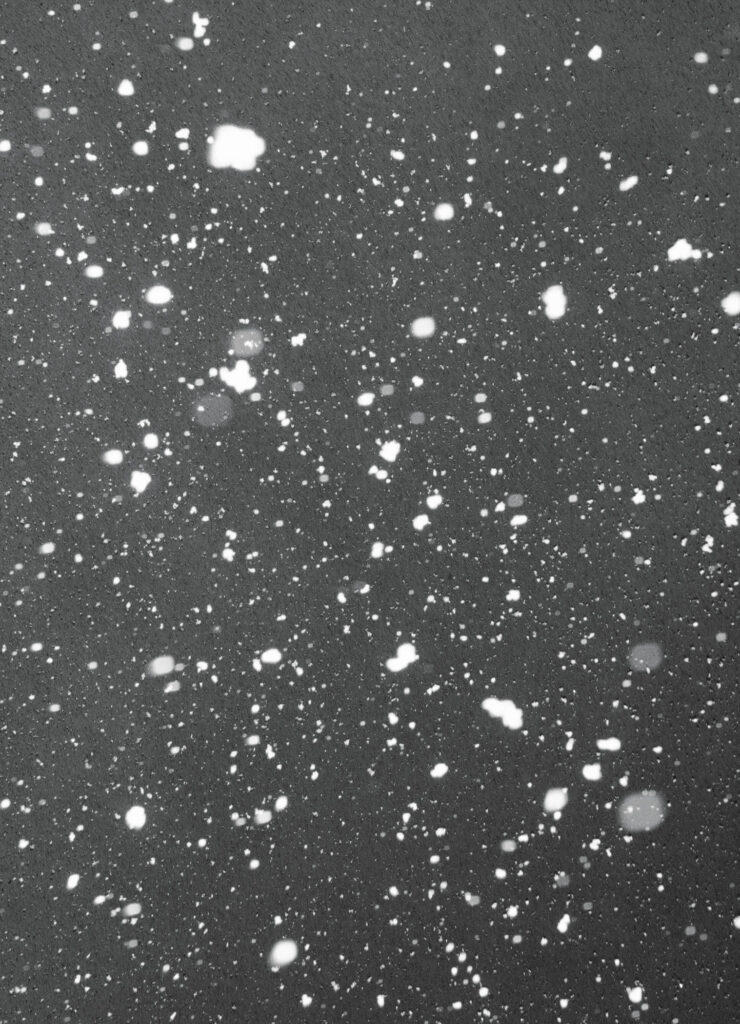
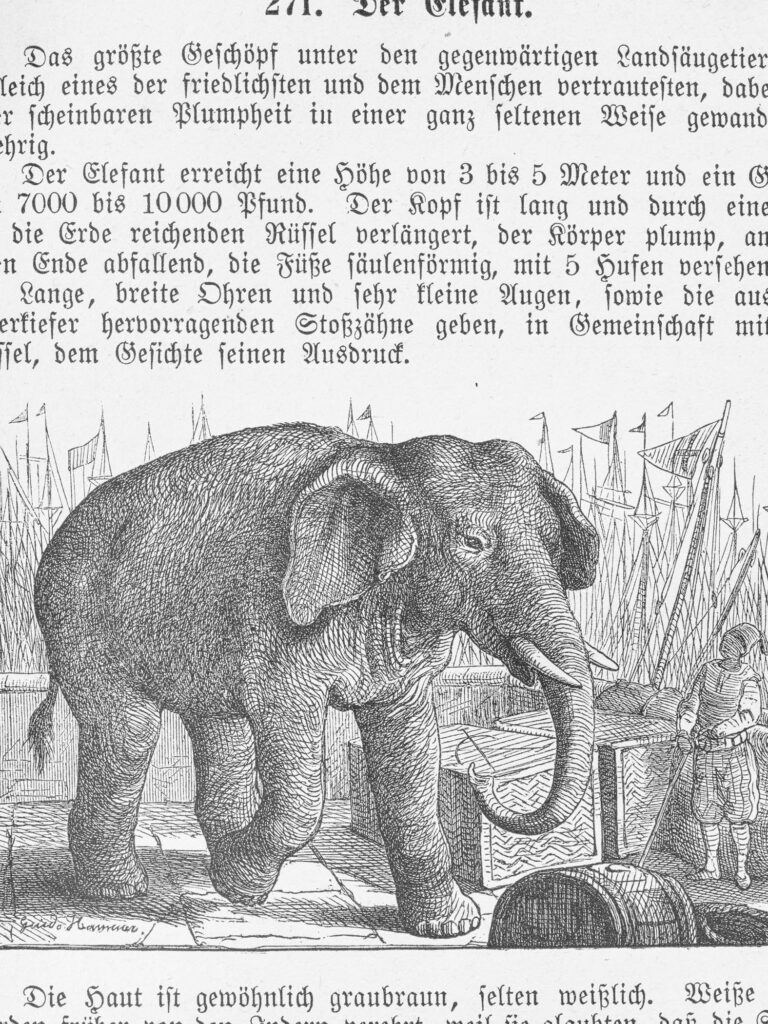
I developed the Encyclopedia of Potential Truth as my graduation project at Hochschule Hannover. I was concerned with photography as a way of representing knowledge, and with the possibilities of sequencing images and narratives.

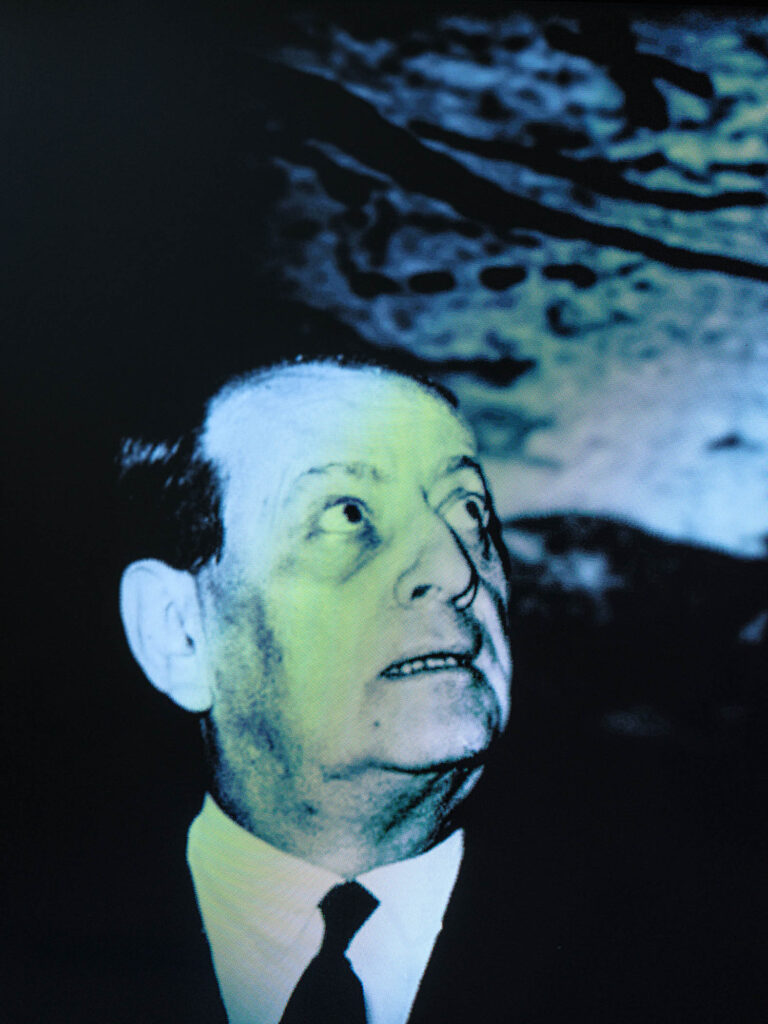
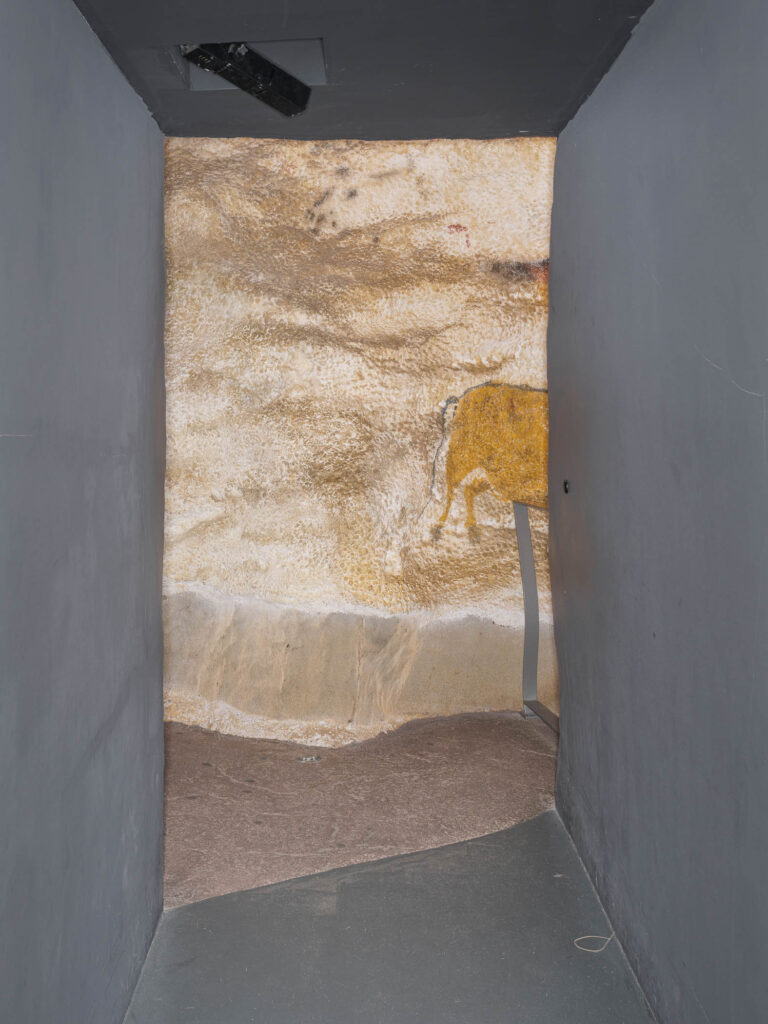
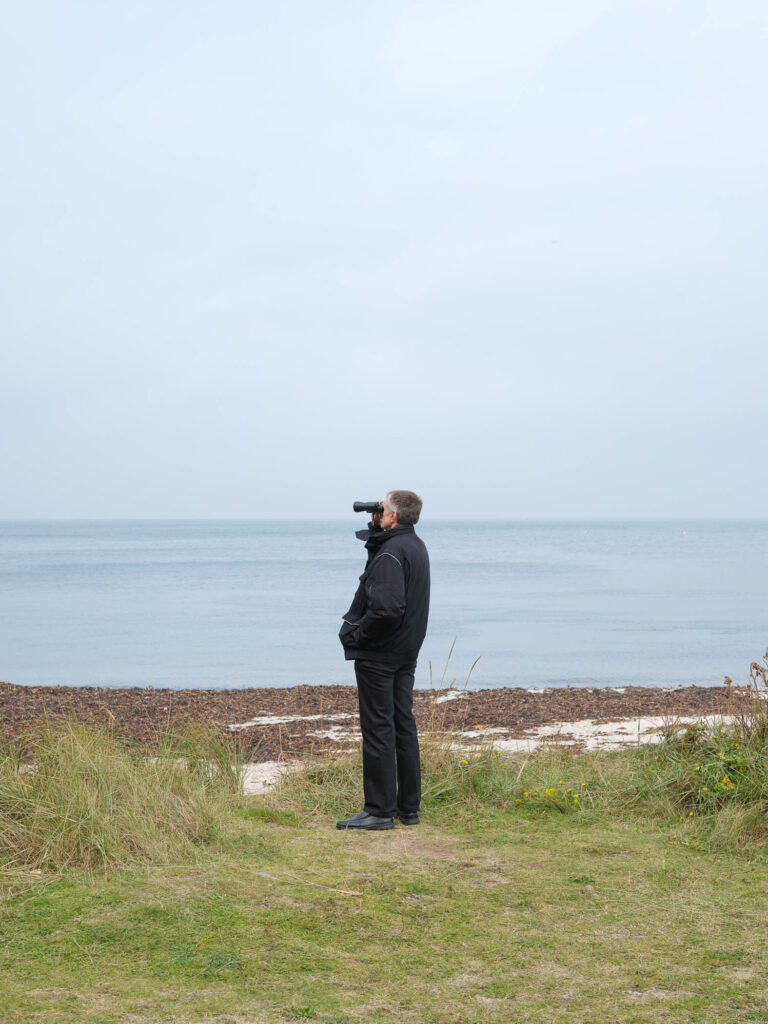
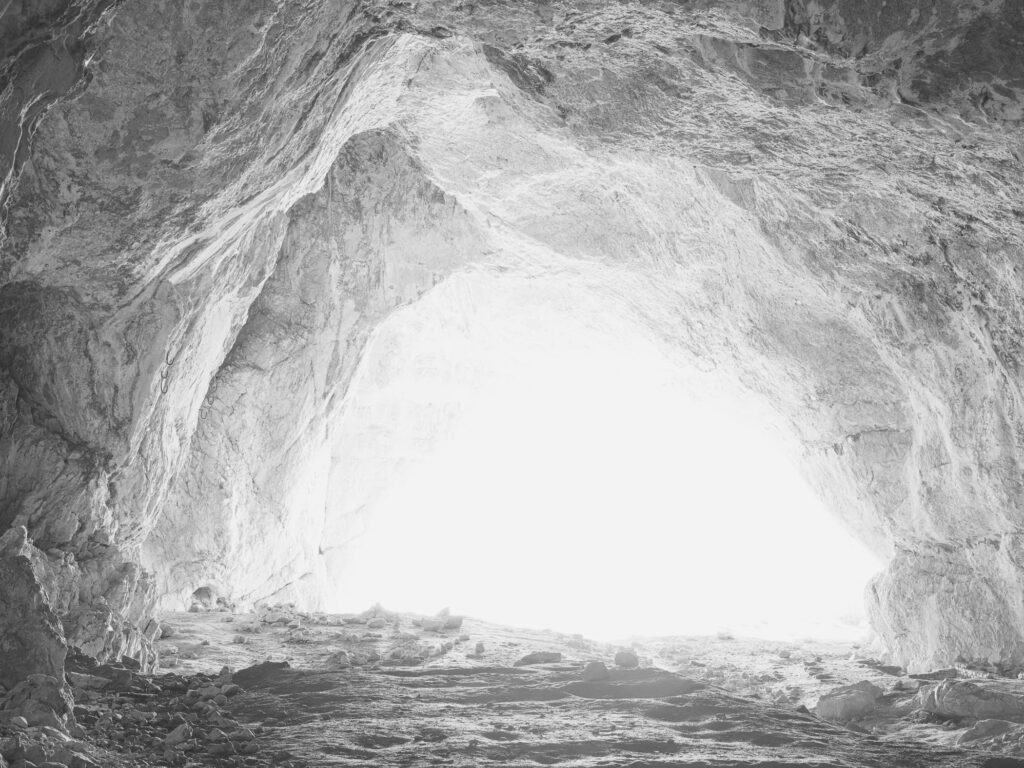
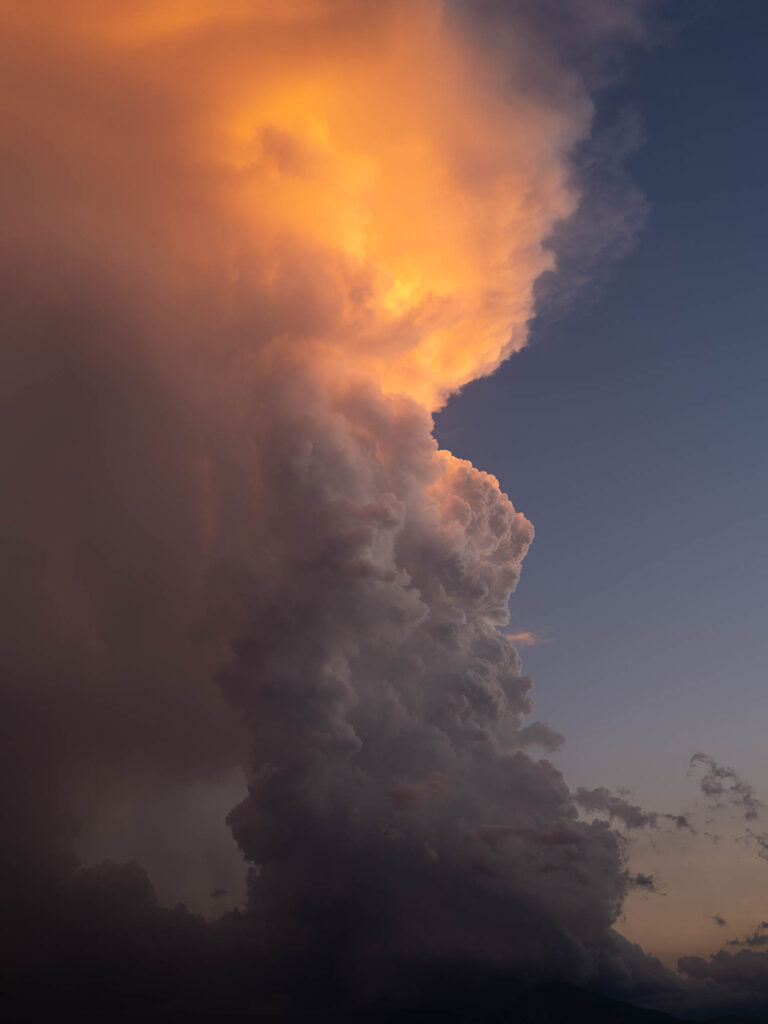
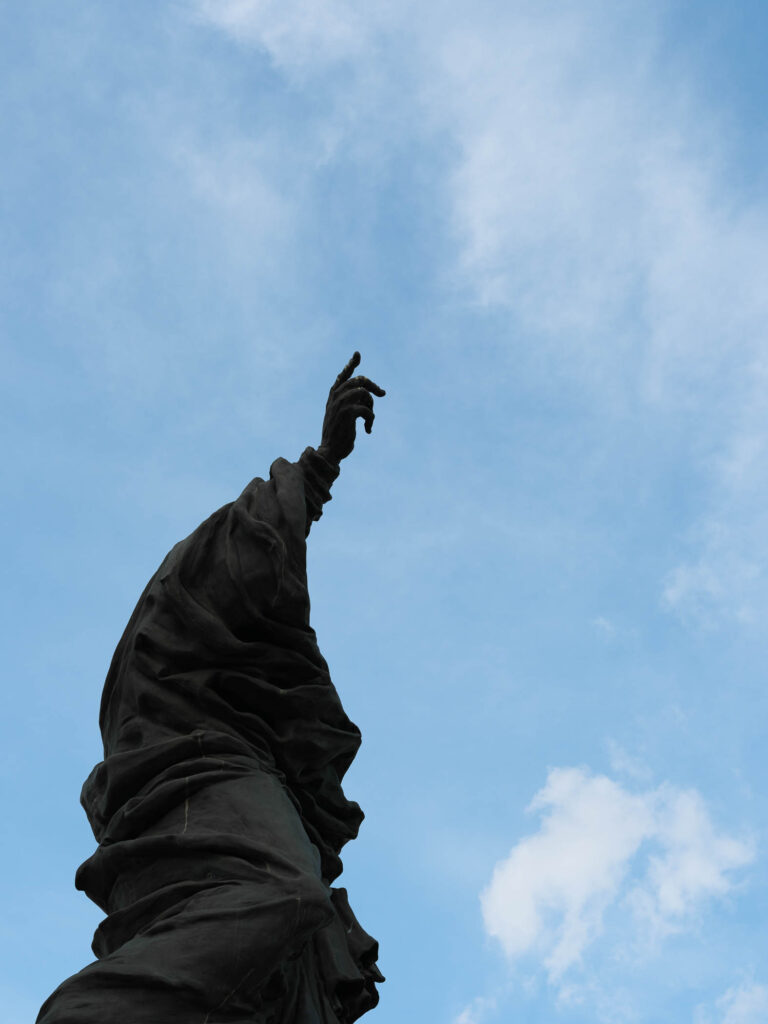
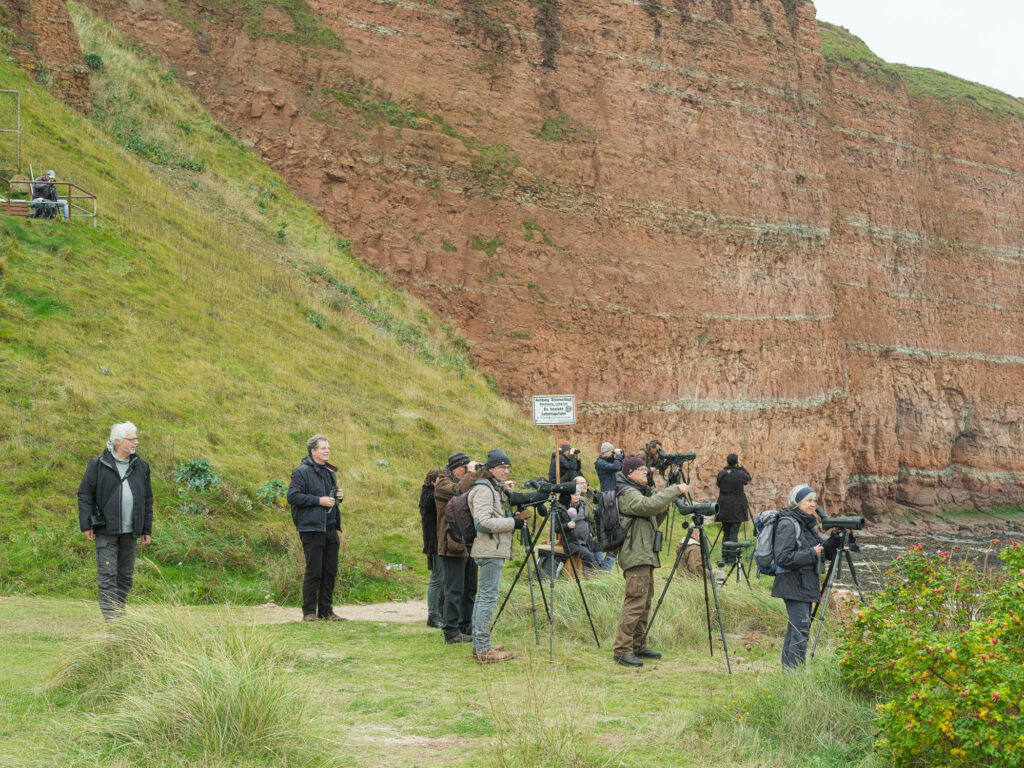
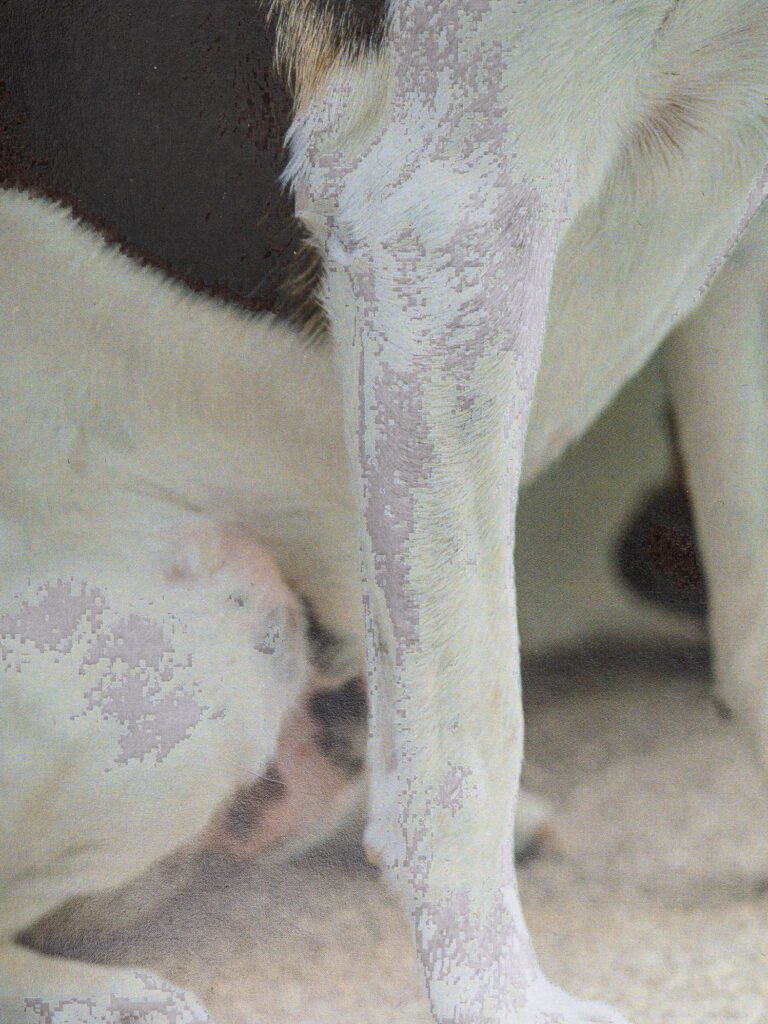
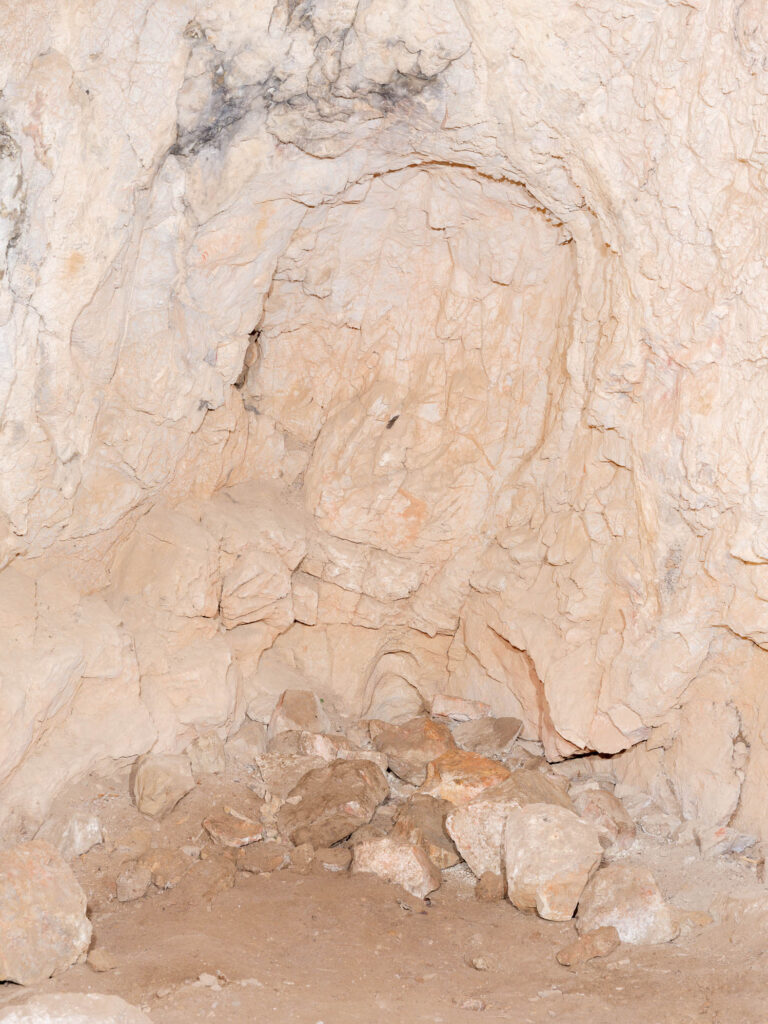
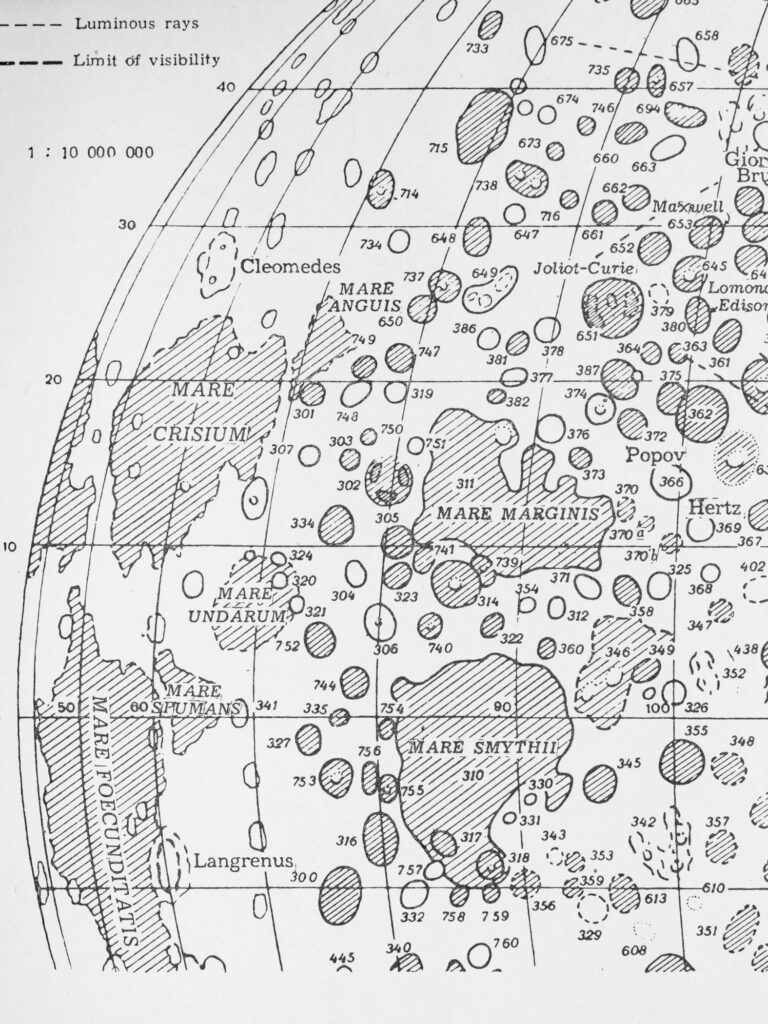
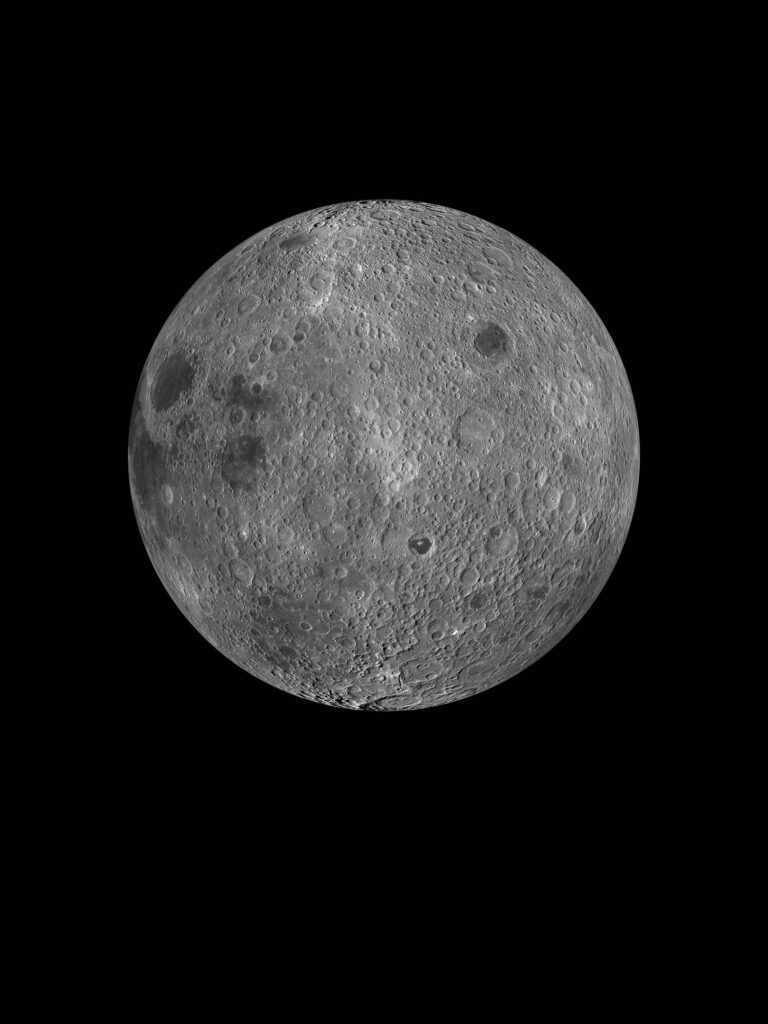
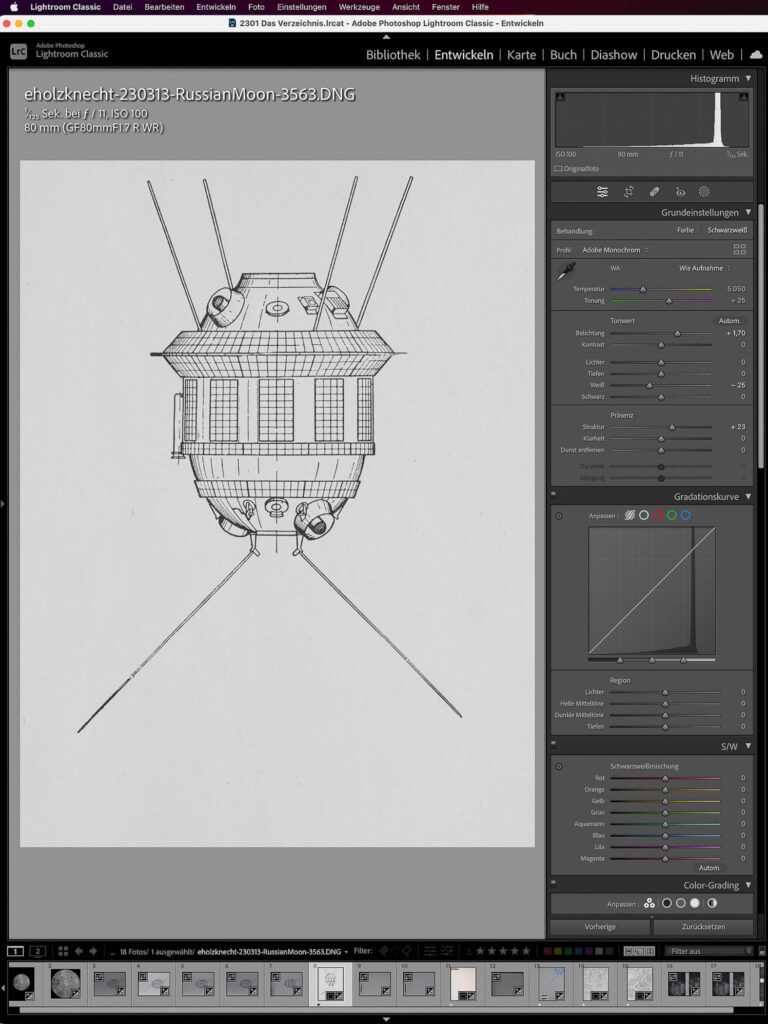
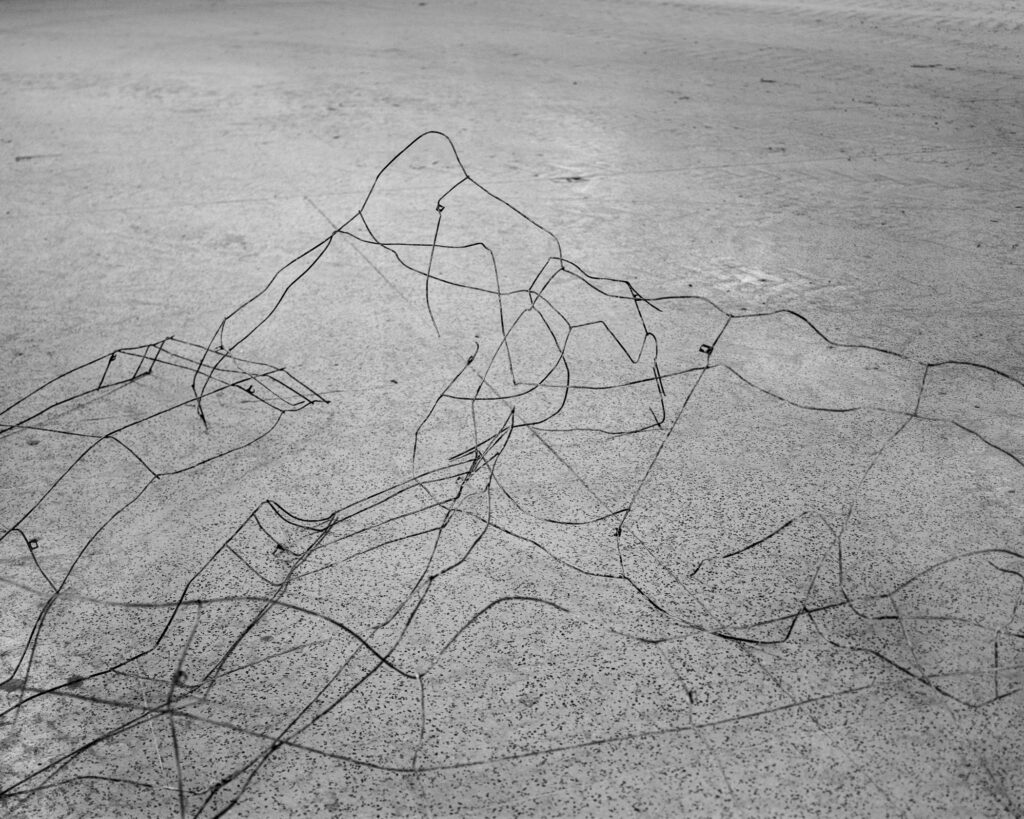
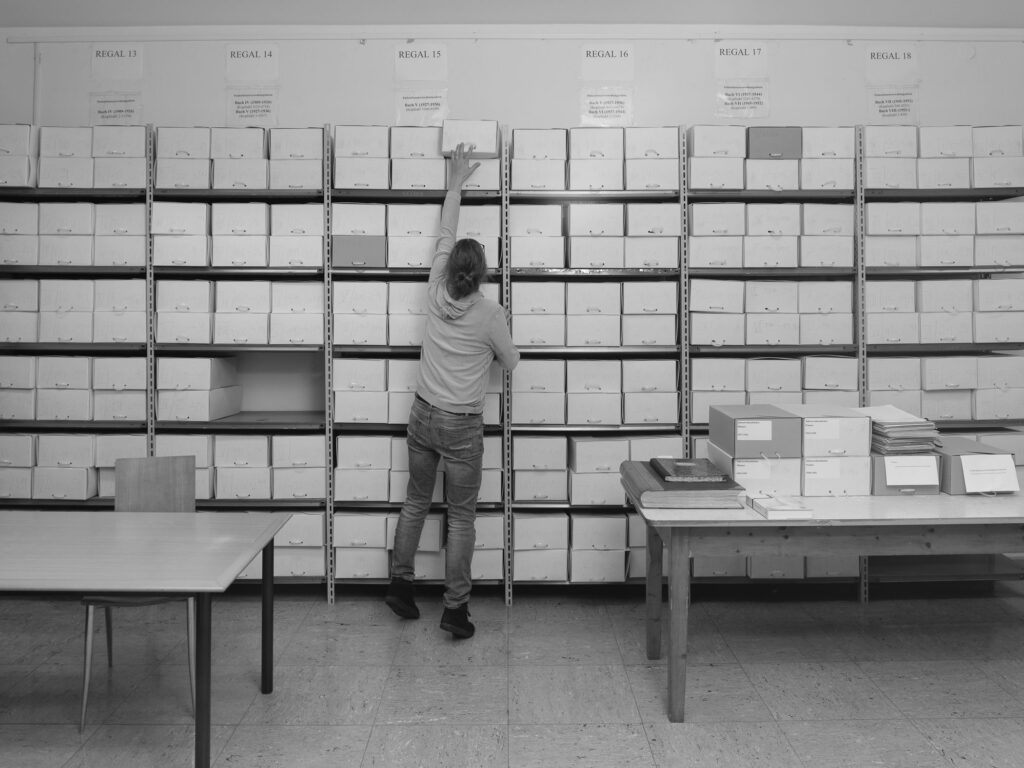
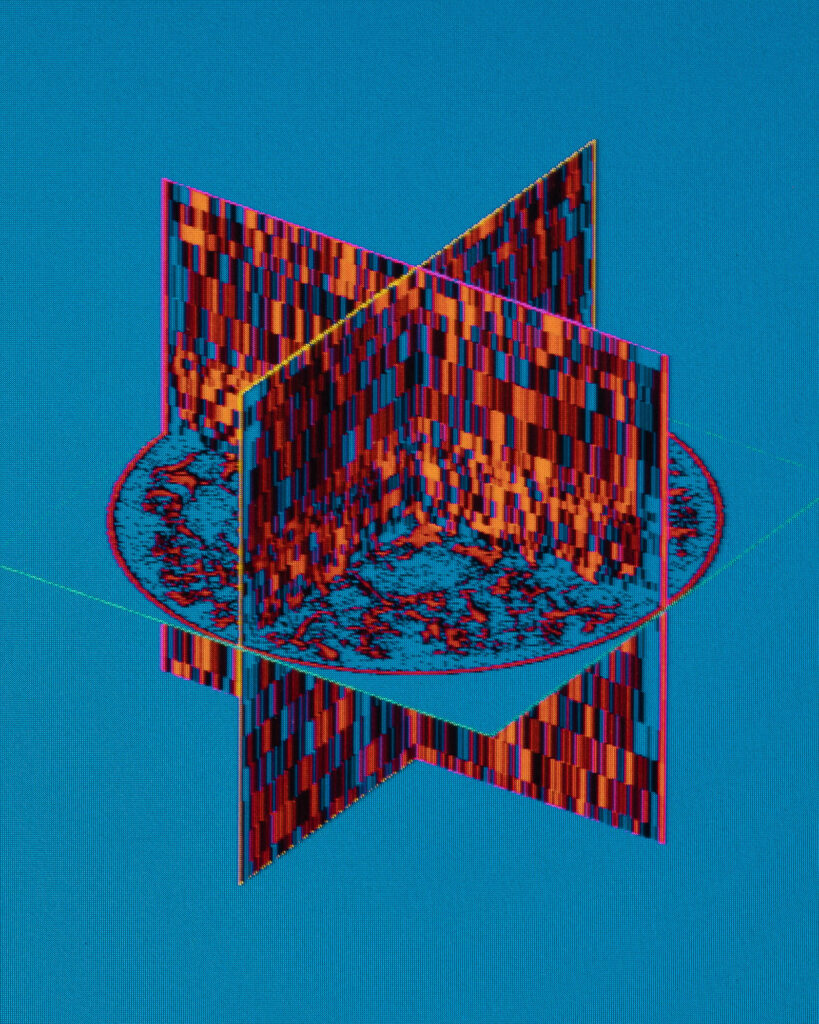
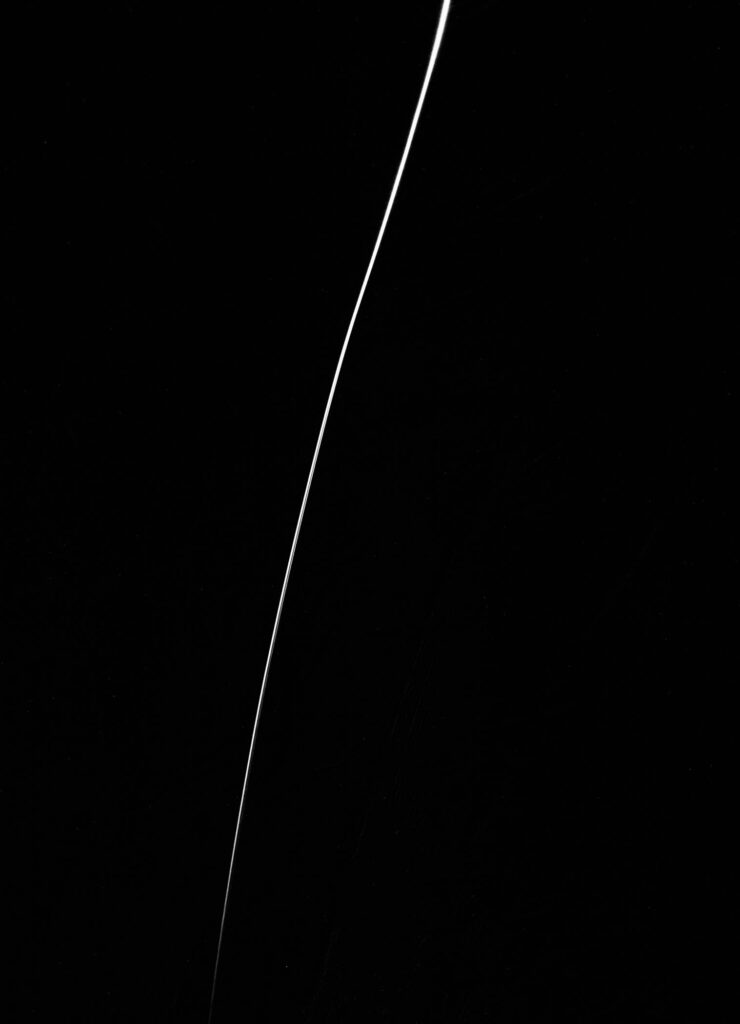
My research moved between the cave paintings of Lascaux, the first images of the far side of the moon, quantum physics on Helgoland, the assassination of Archduke Franz Ferdinand and the biological experiments of the Heck brothers, to name a few. I followed serendipity throughout the process, from research and image-making to sequencing. An unexpected find could become a reason to pursue another subject or reconsider a connection.

The idea of an encyclopedia gave me a framework for gathering this material. I worked across science, history and art, following associations through the subjects themselves and through the visible details of the images. I was interested in the point at which an association might become a hypothesis, a narrative or an explanation.

Peirce’s abduction and Wittgenstein’s language games helped me reflect on these decisions and develop a practice around them. I wanted to think with images, about images and, especially, between images.


I brought the material together in a 634-page book containing 403 photographs, 43 text fragments, 4 timelines and 439 footnotes.
InfoX
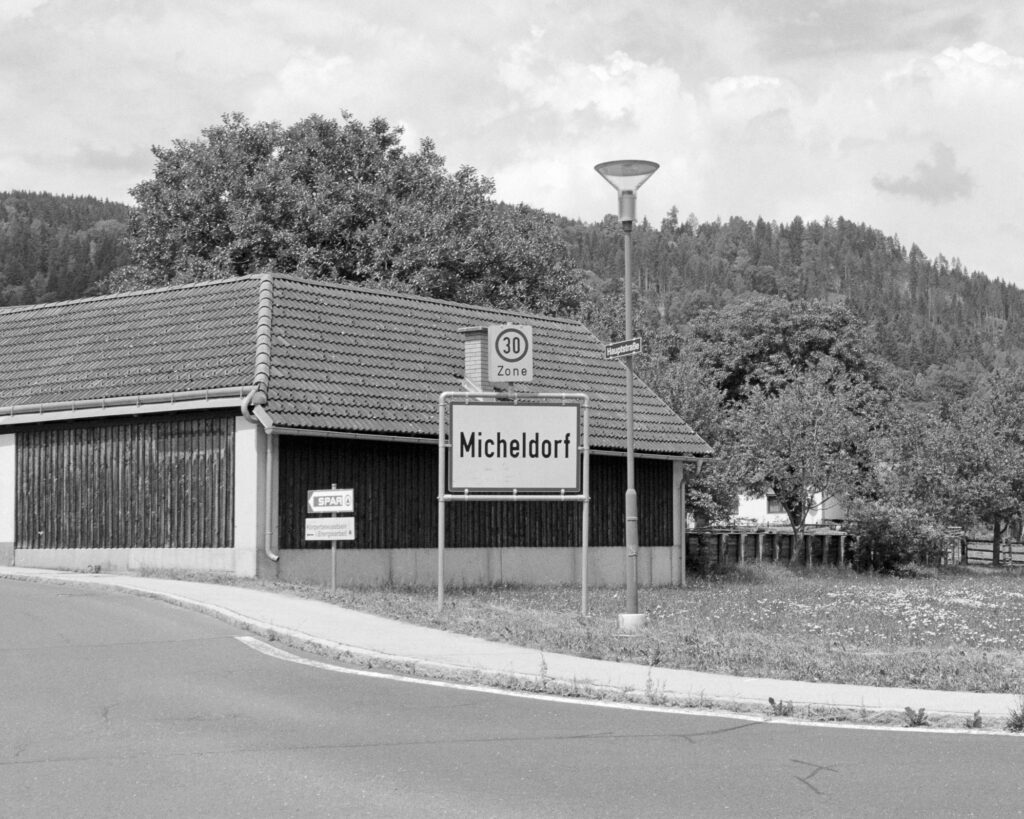
MICHELDORF MICHELDORF MICHELDORF MICHELDORF


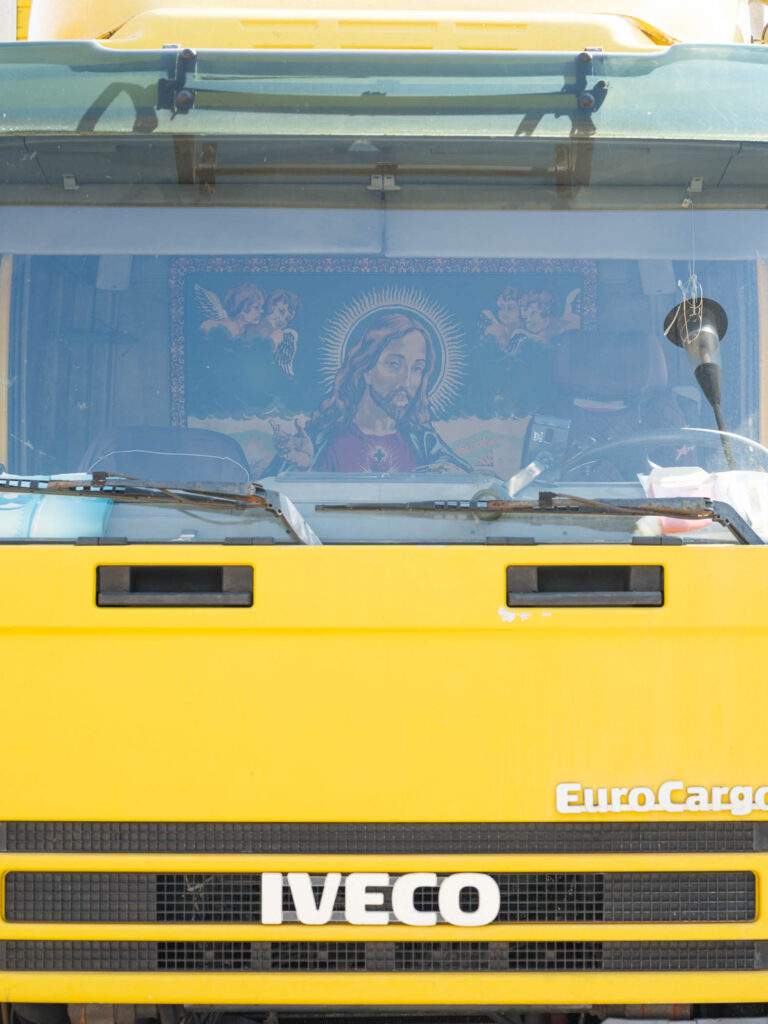
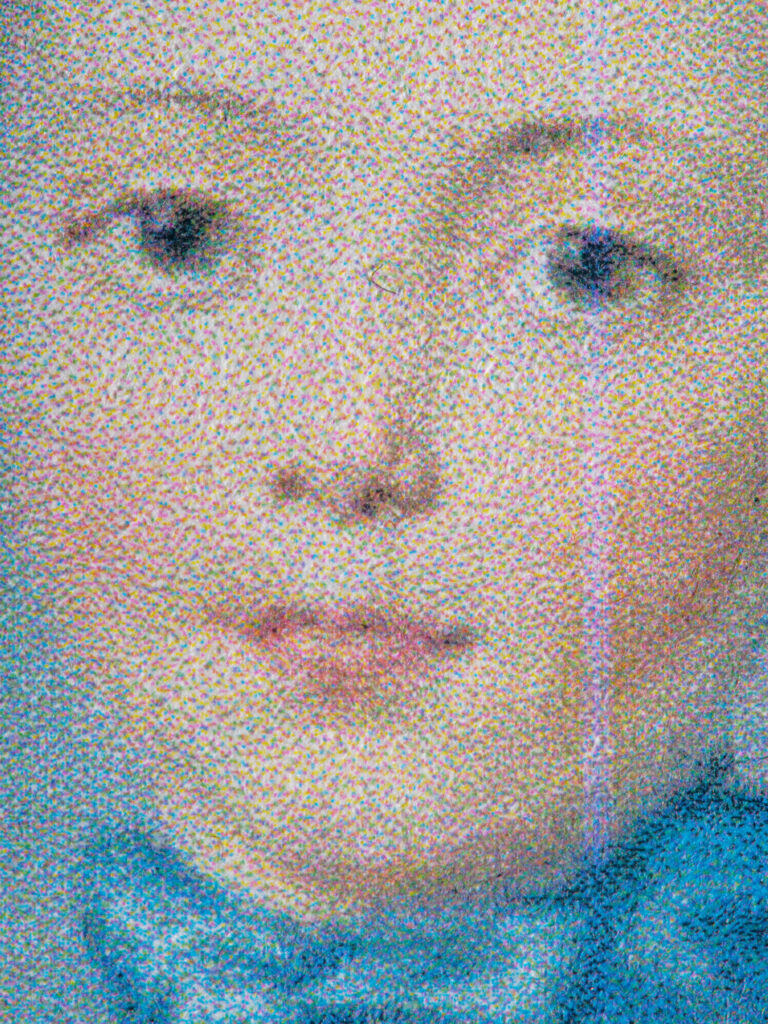
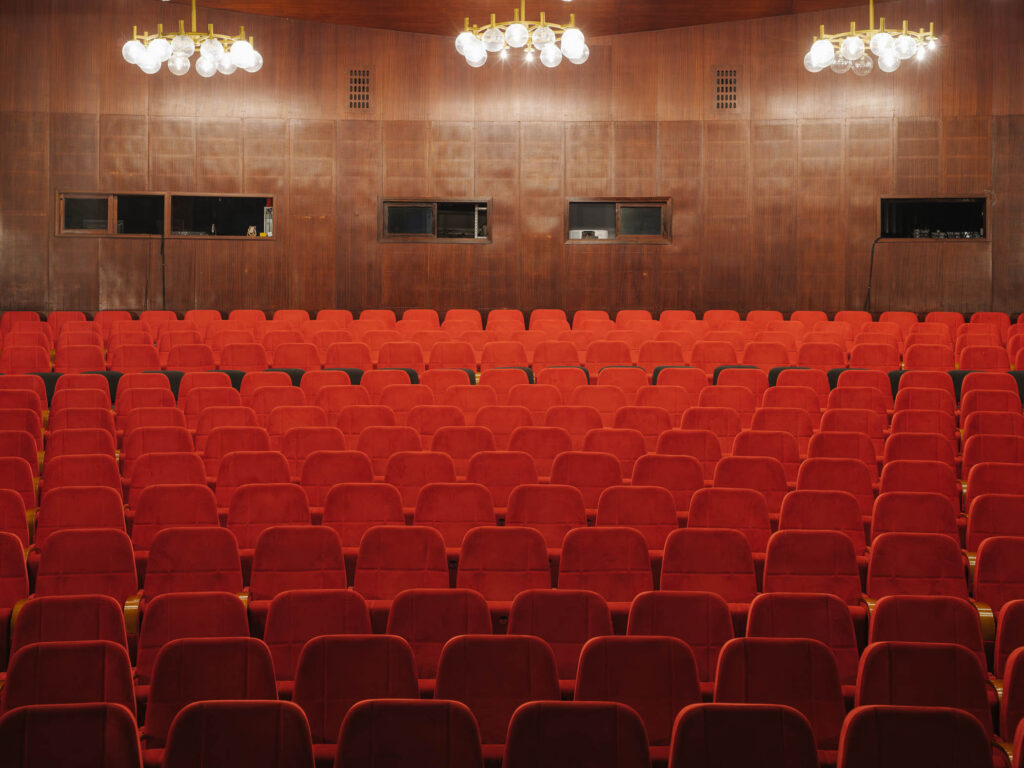
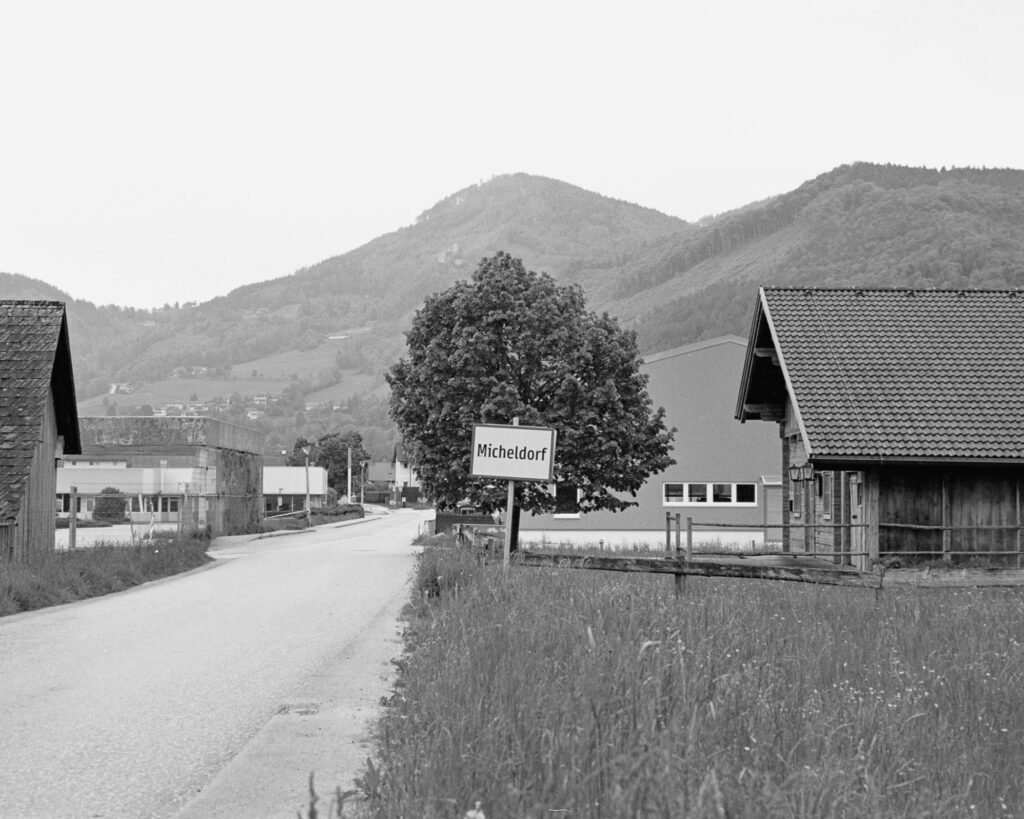
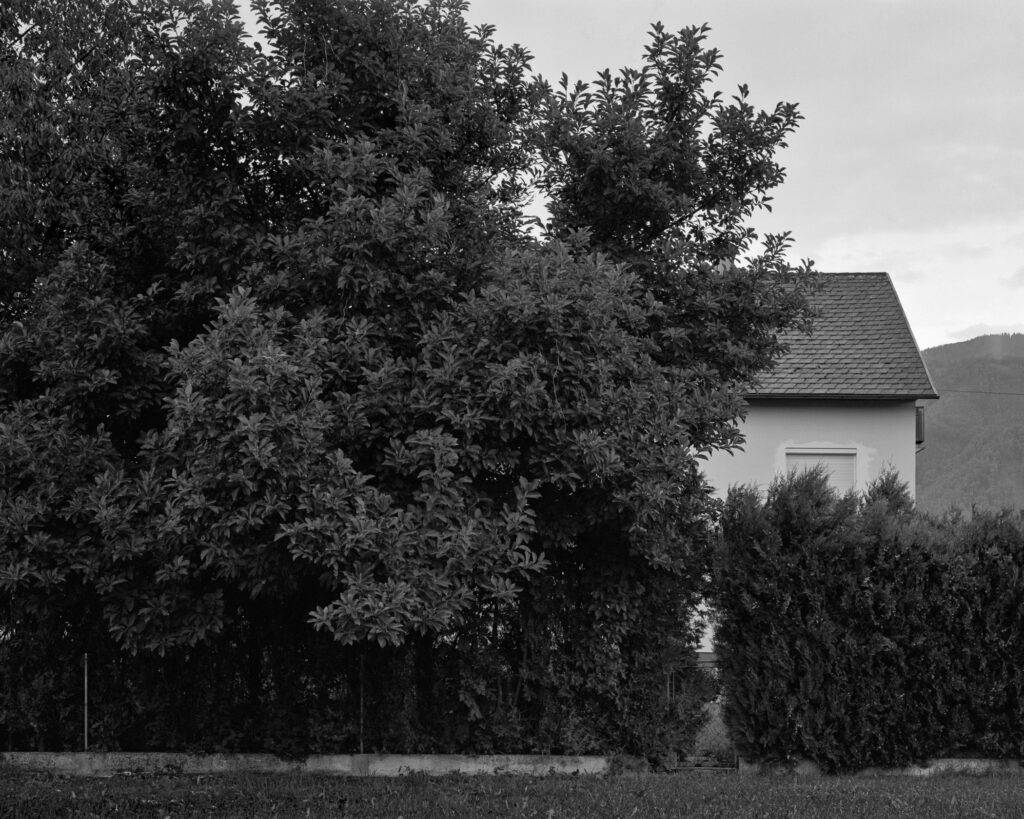
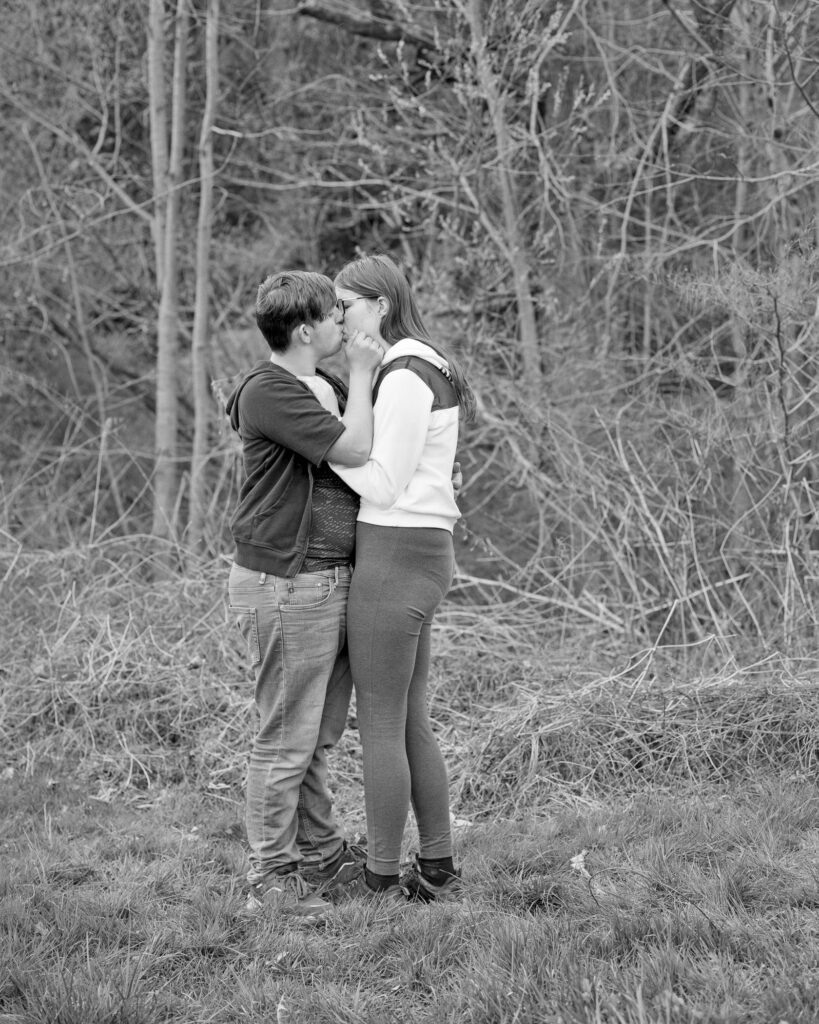
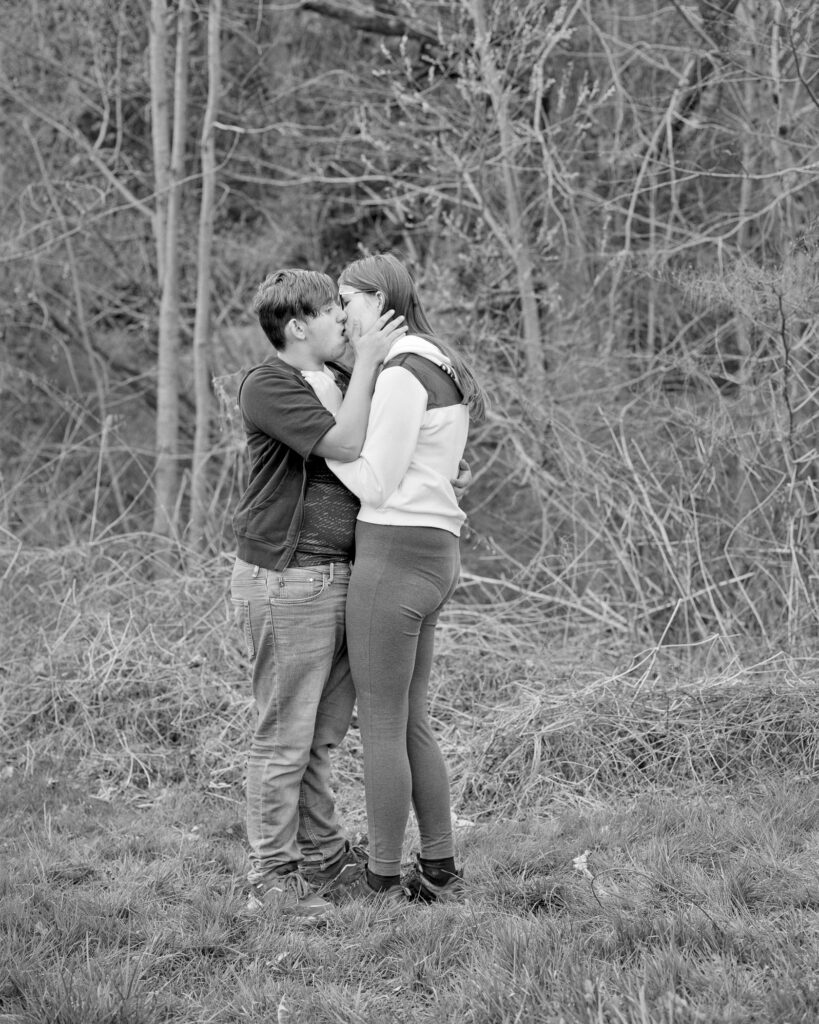
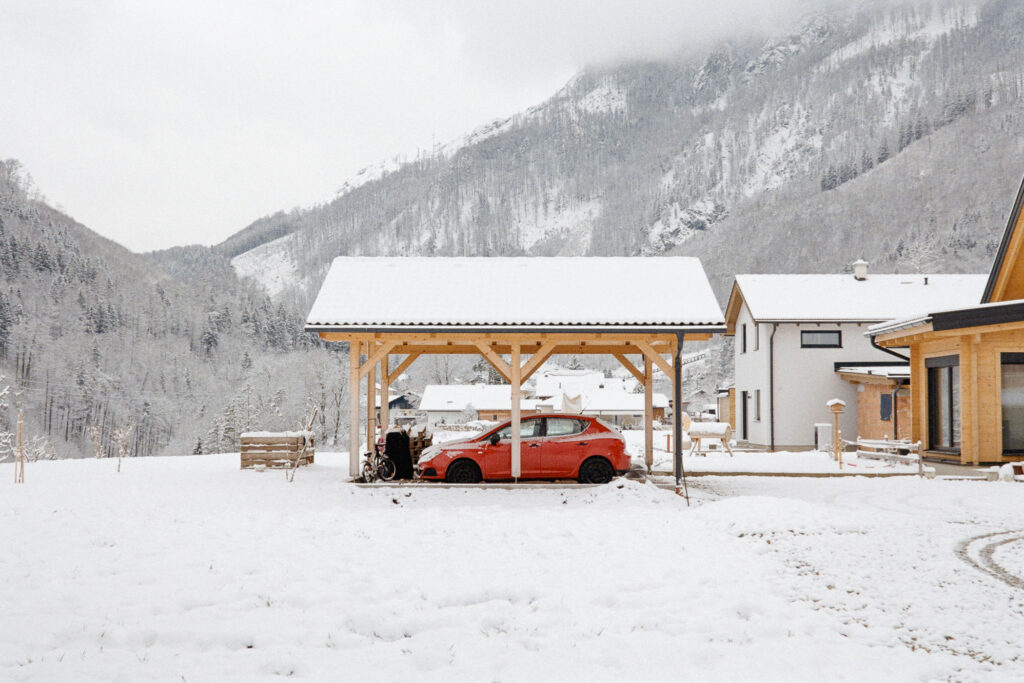
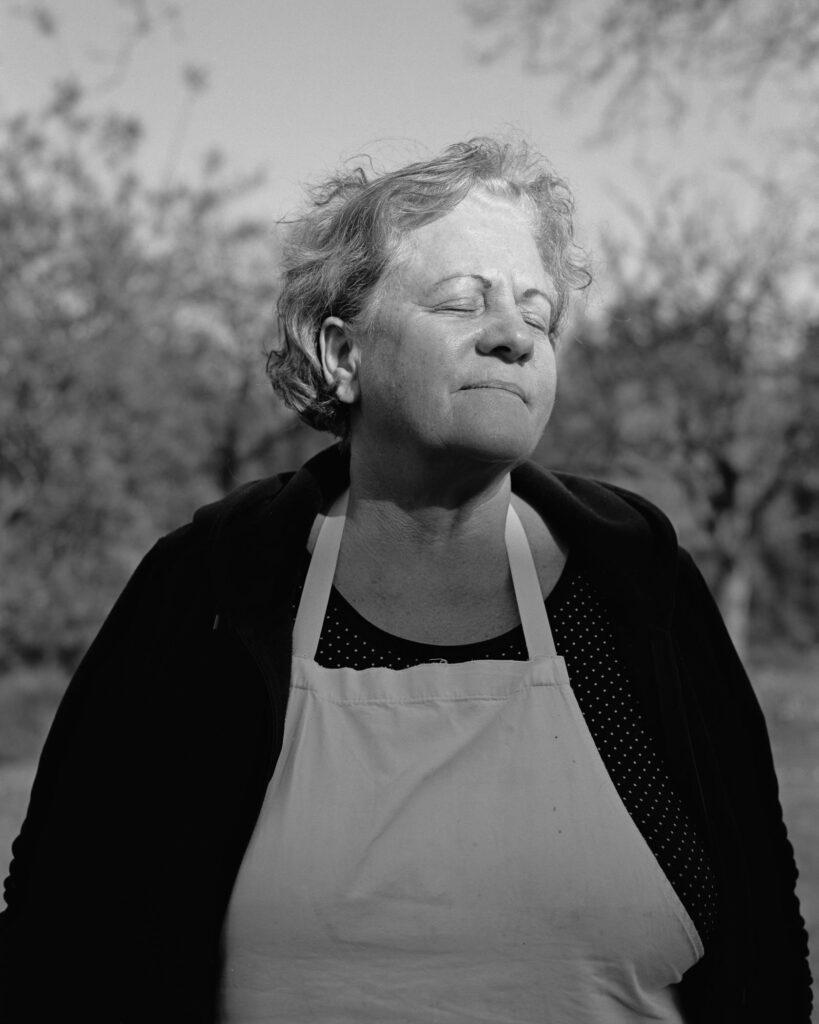
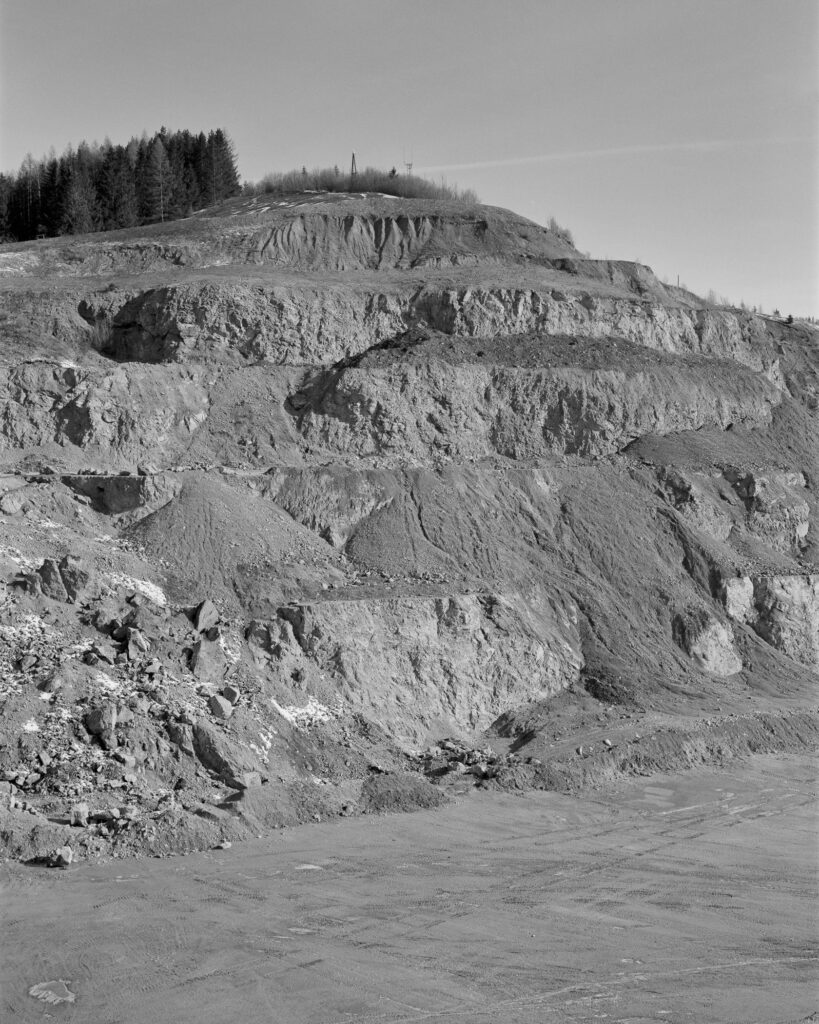
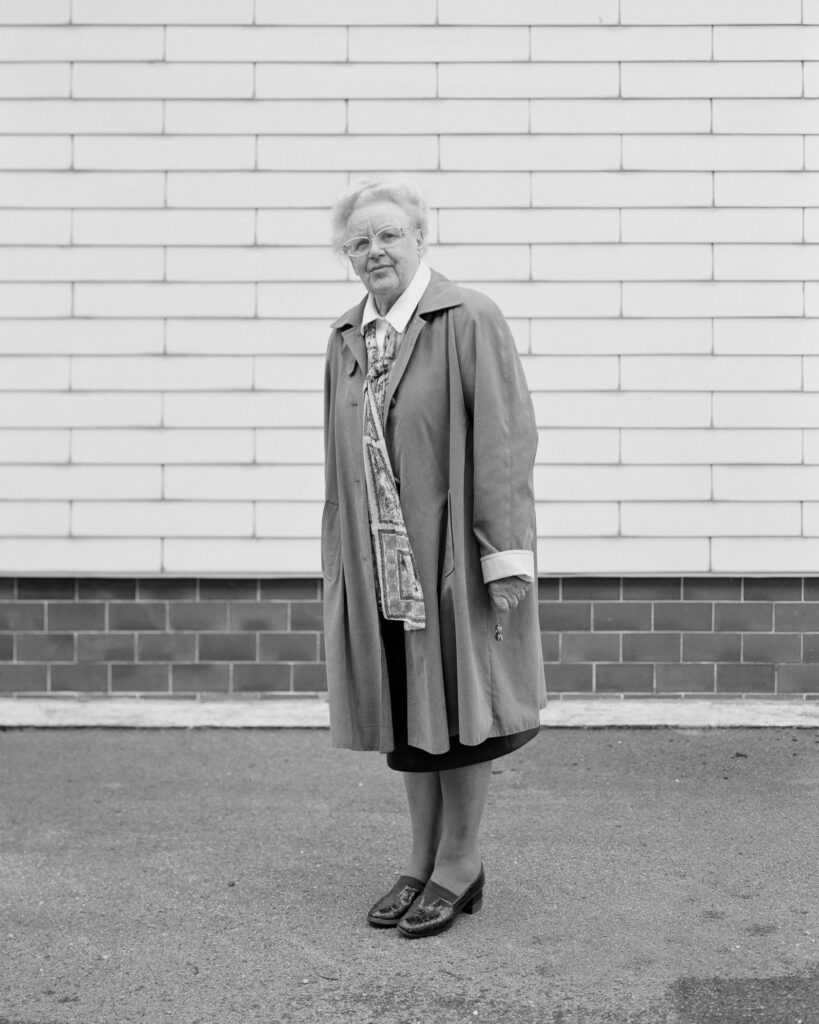
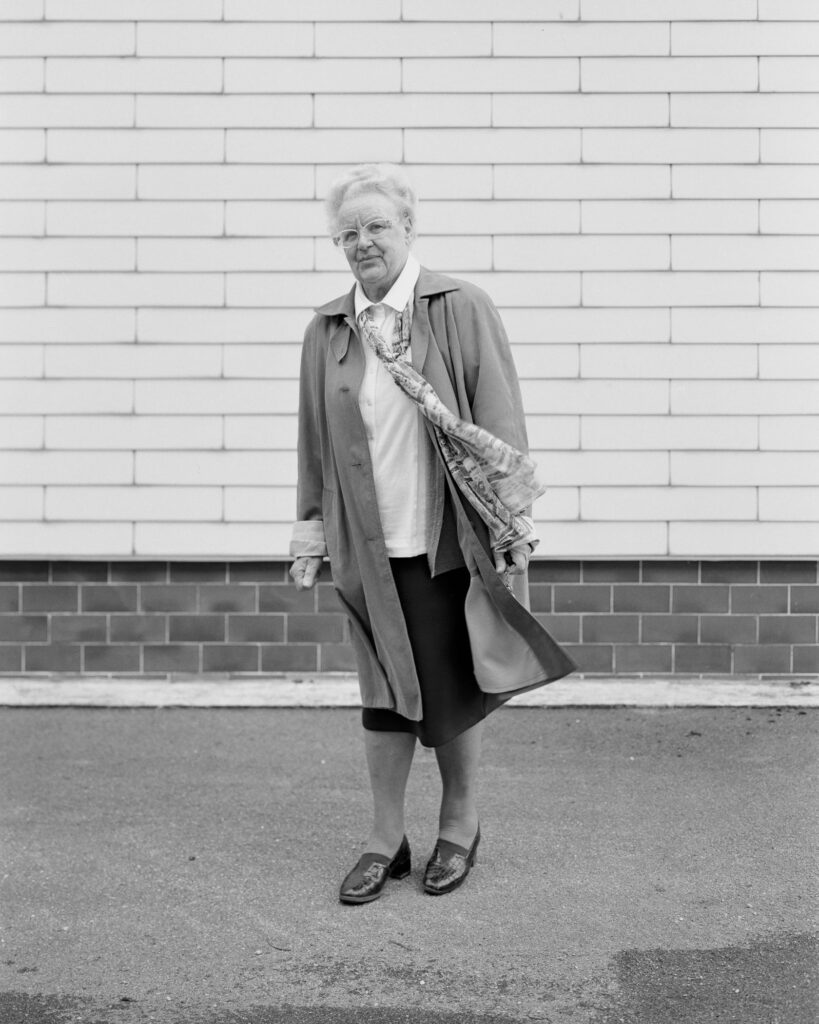
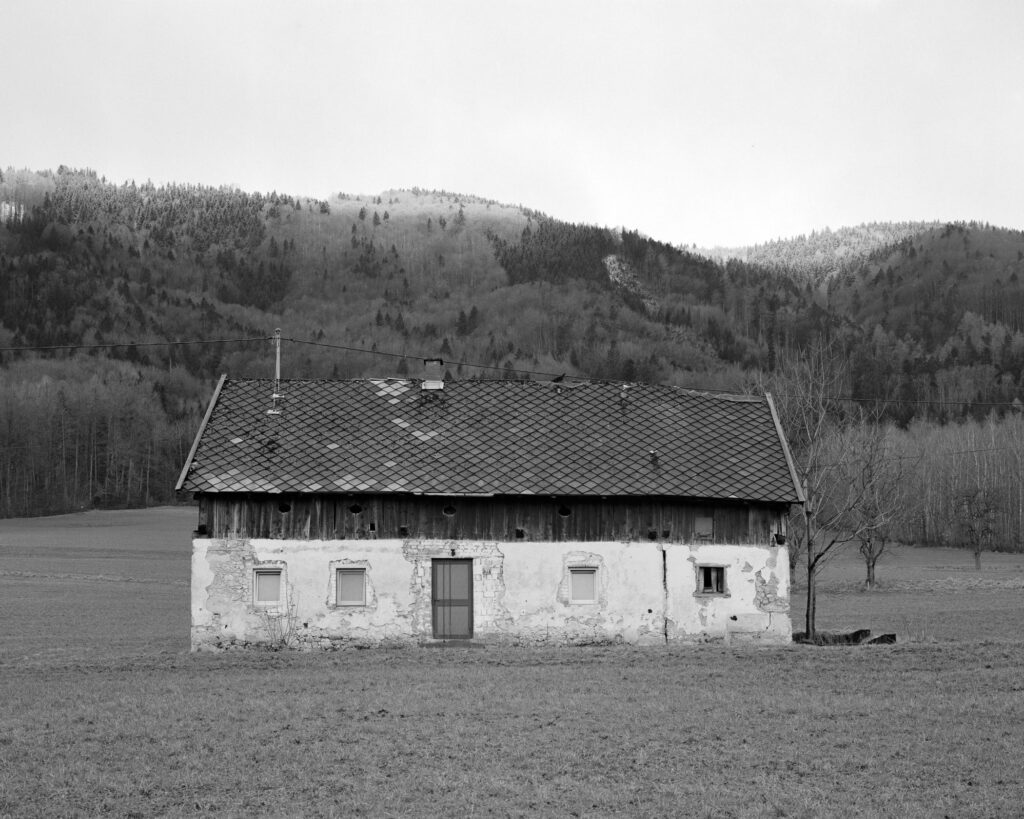
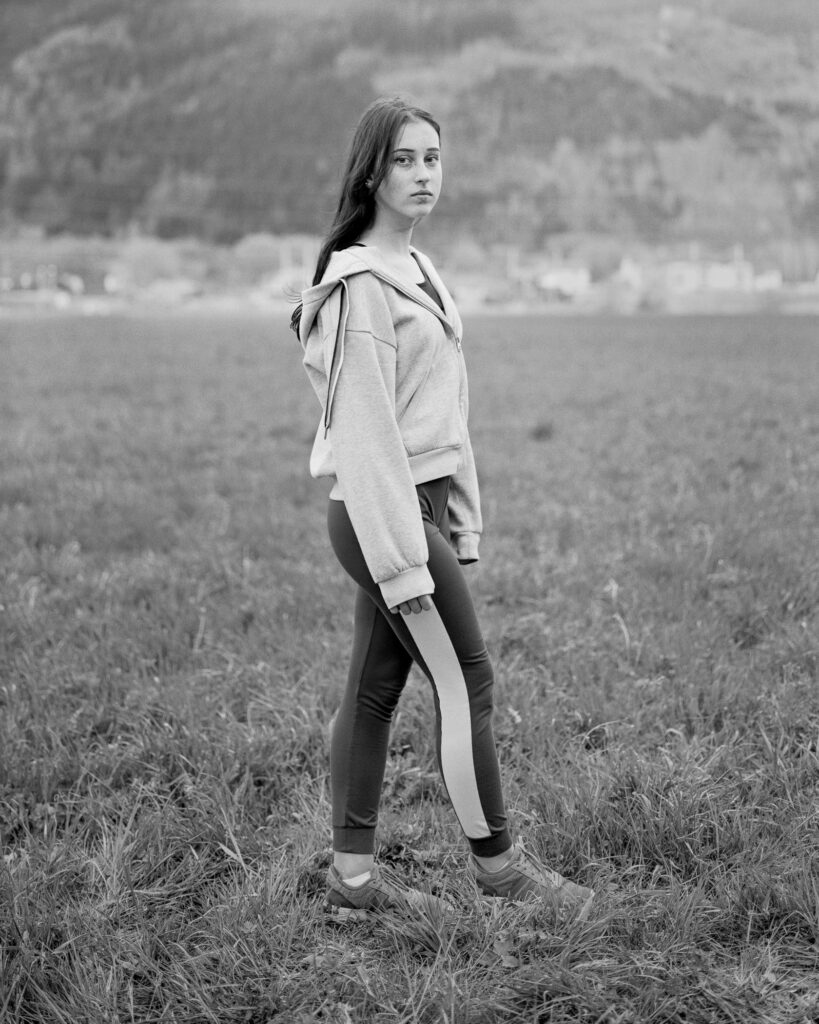
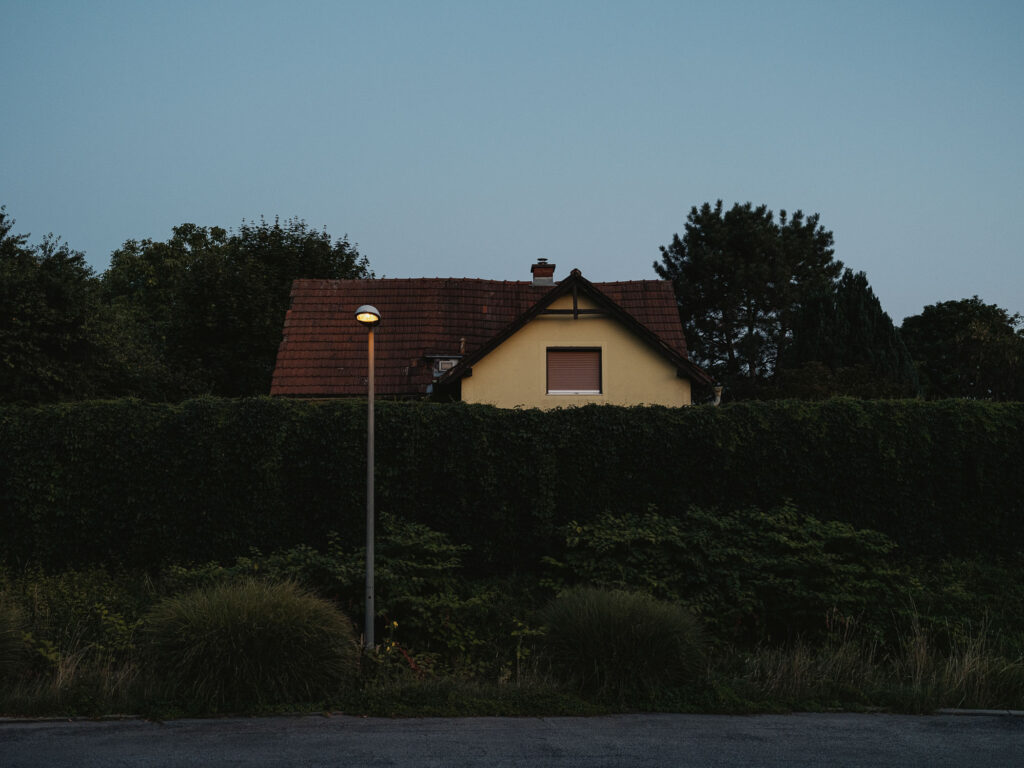
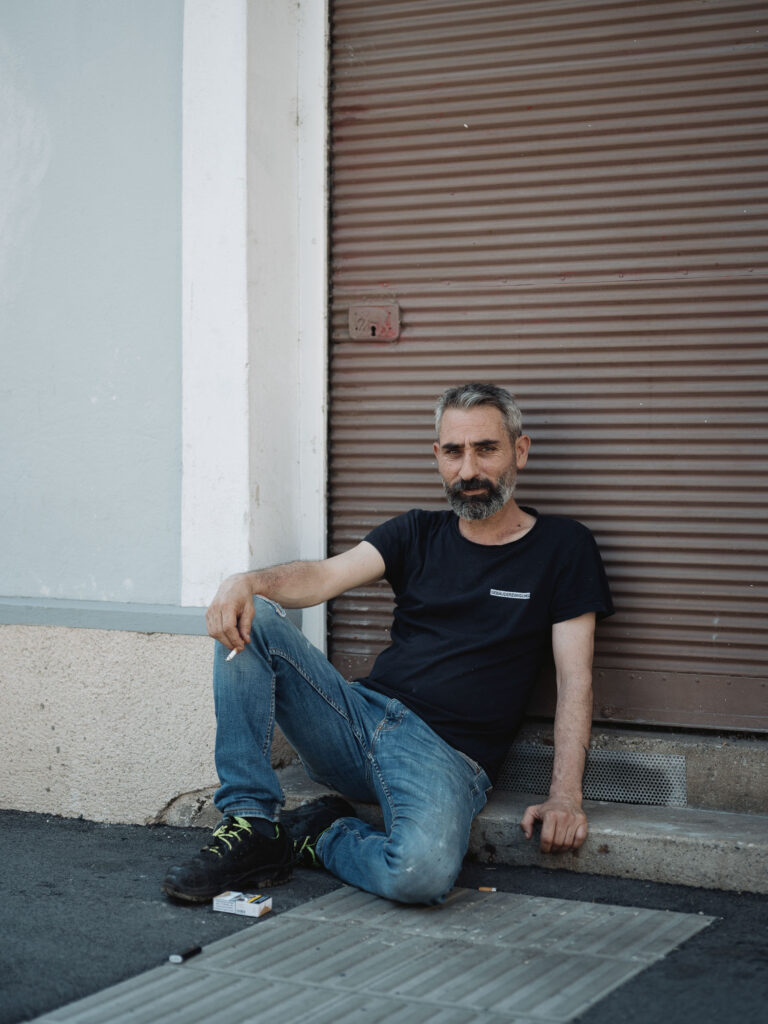
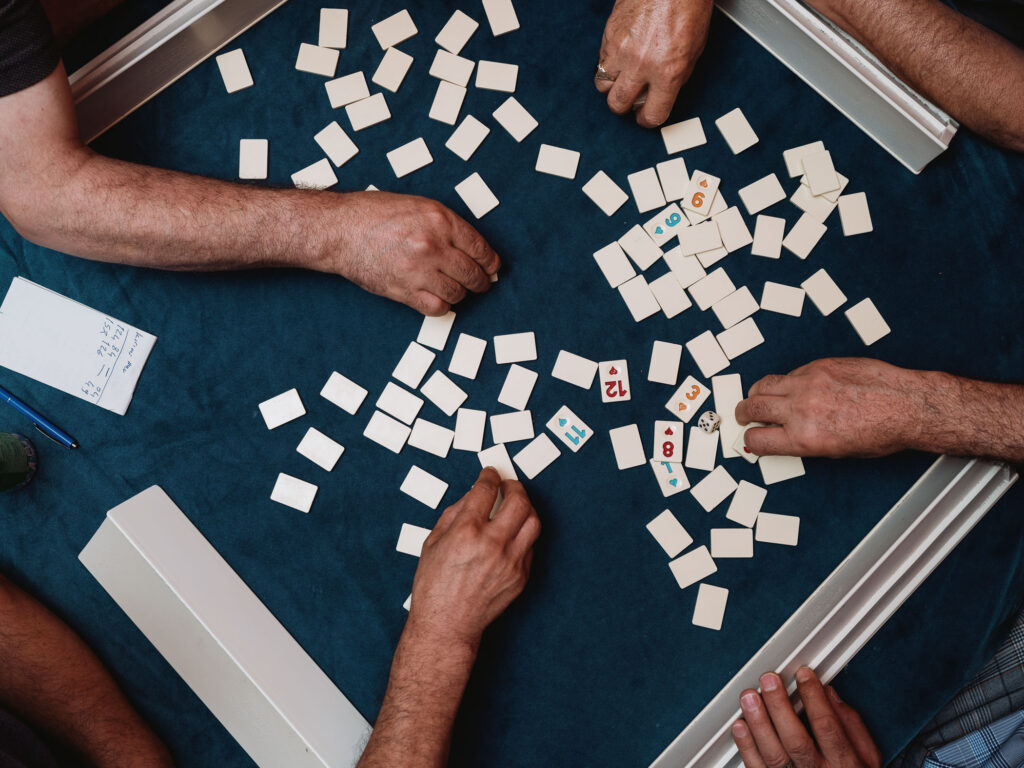
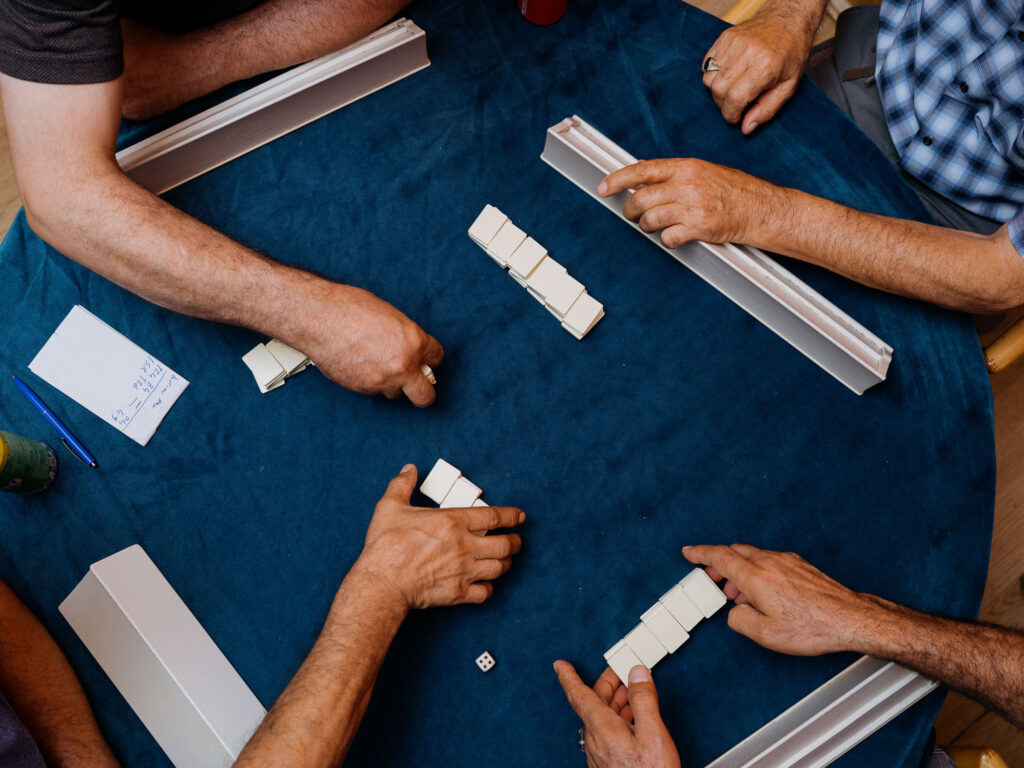
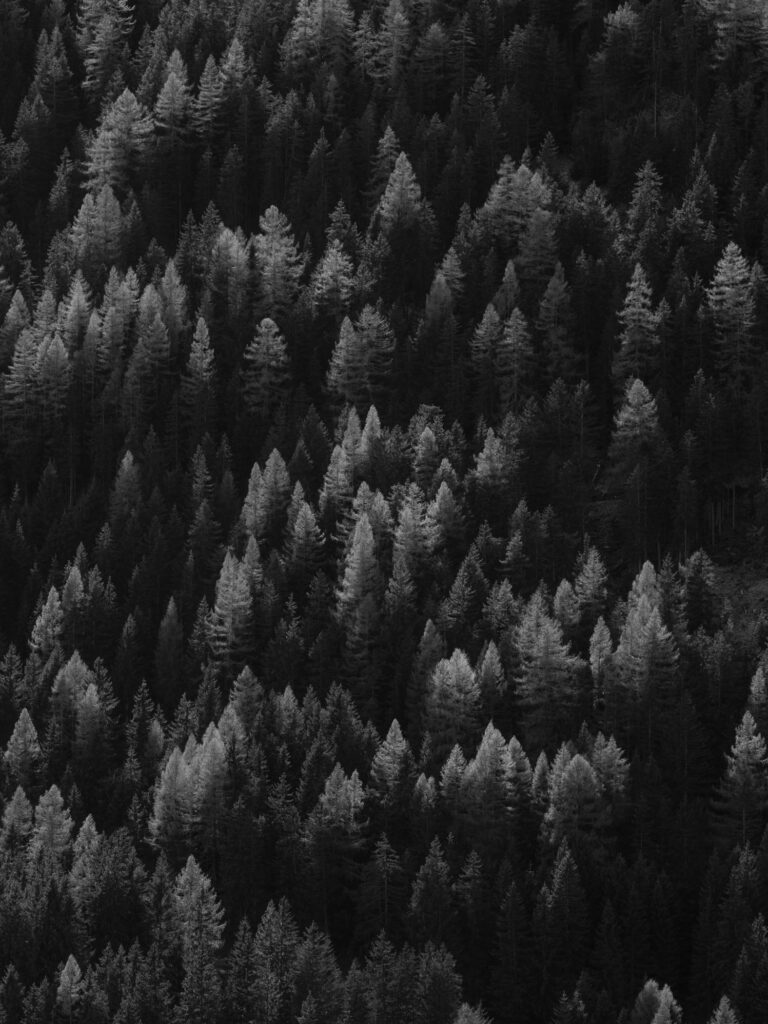
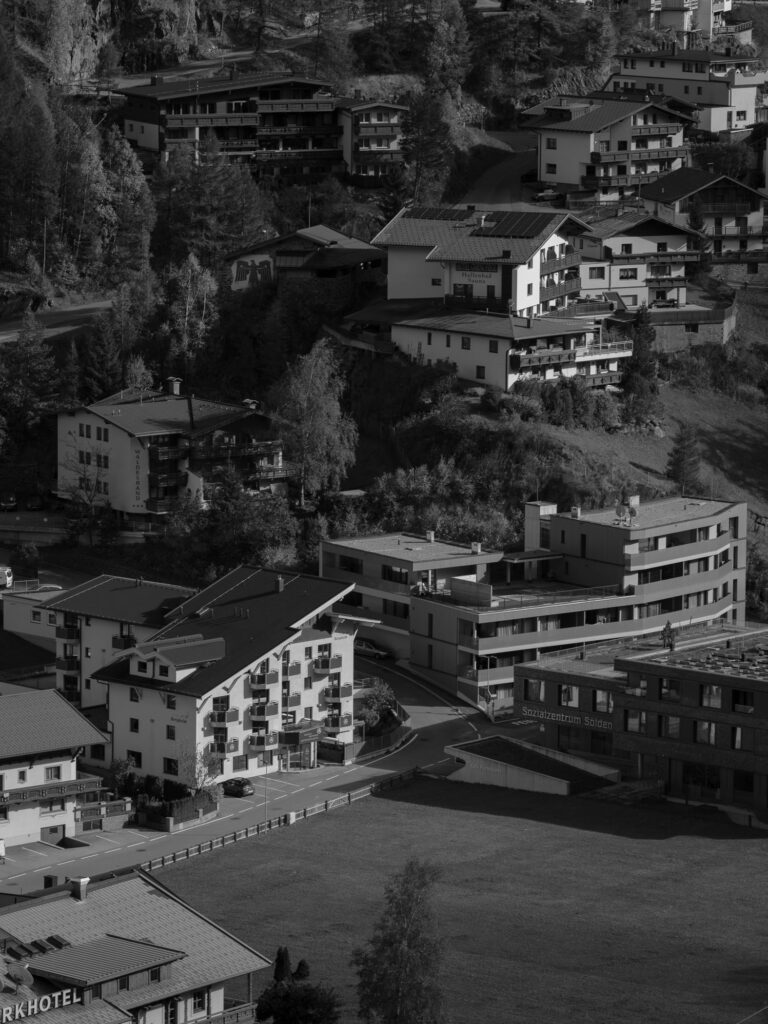
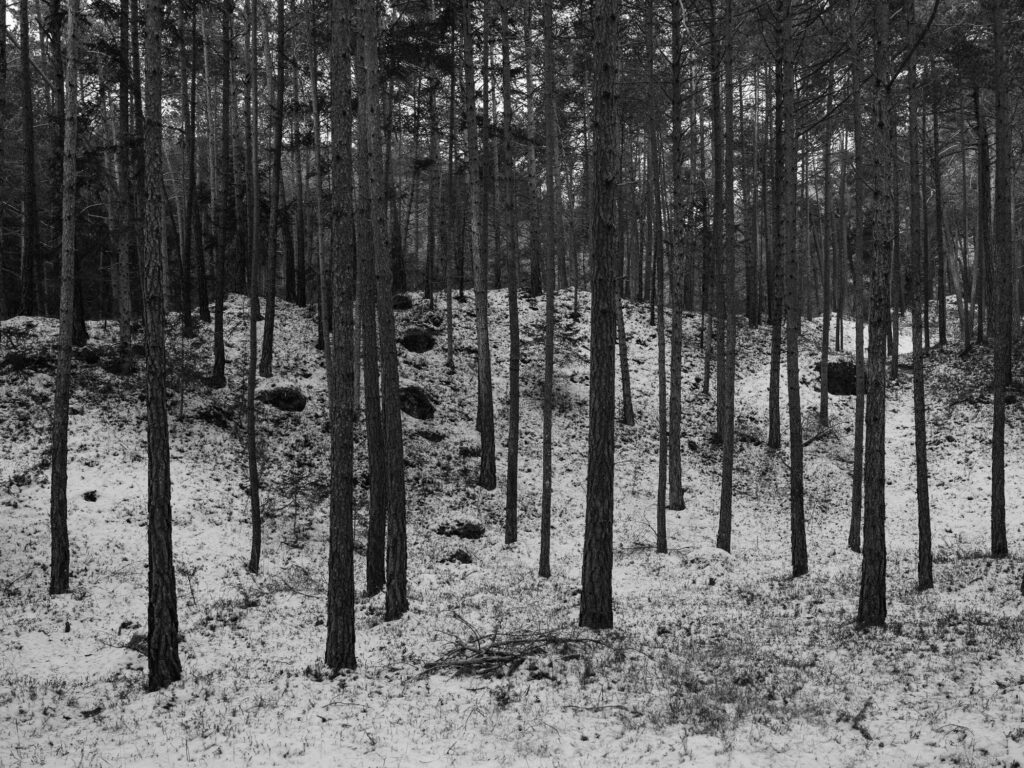
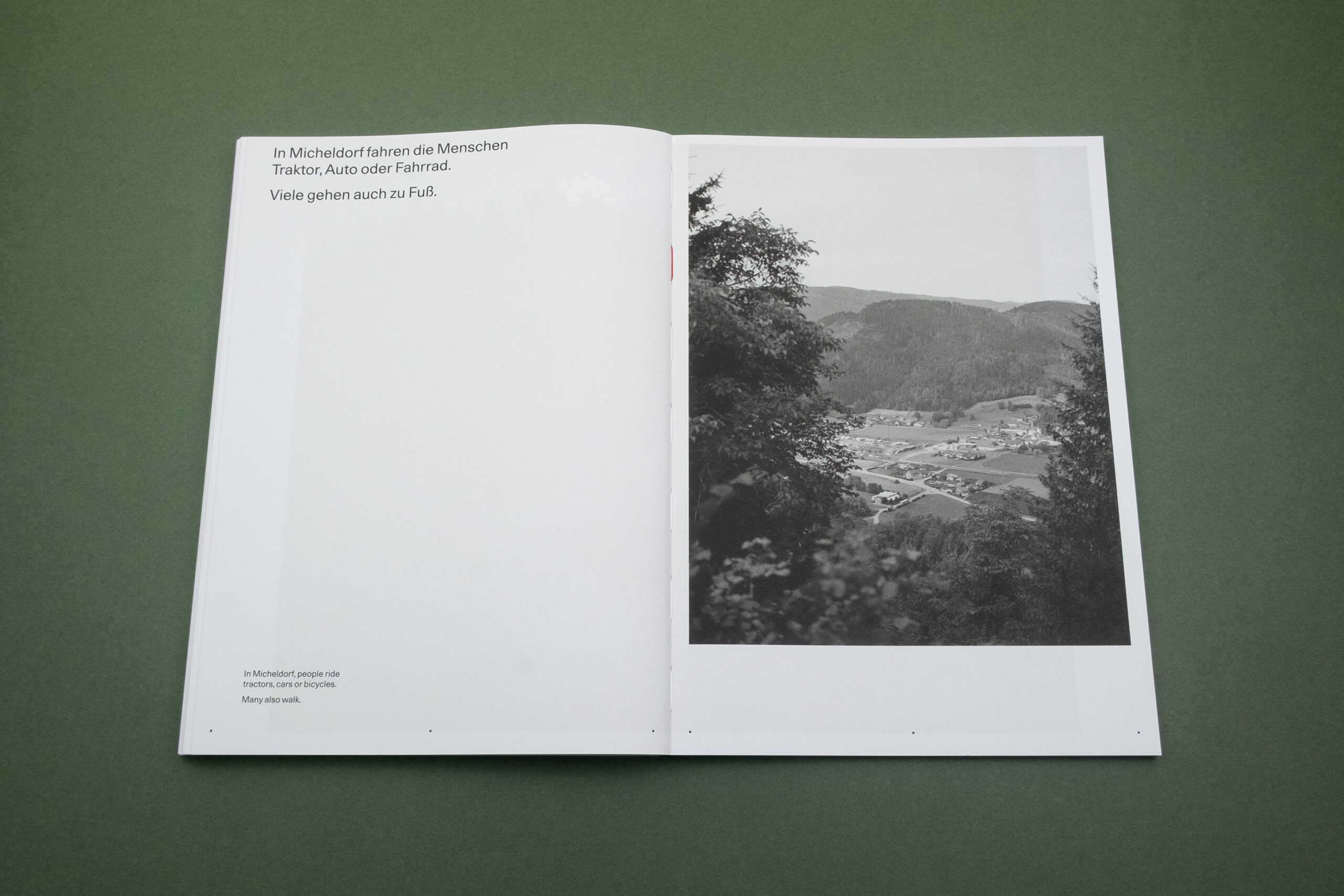
I wanted to explore the country I grew up in. A chance journey brought me to Micheldorf in Upper Austria, where I began photographing village life. I was drawn to the beauty of the everyday in a community of nearly 6,000 people, for whom Micheldorf is the centre of their lives.

As I became more familiar with the place, I became increasingly aware of the limits of trying to describe a social space through a single photographic narrative. There were different stories, perspectives and ways of approaching the same place. Even its name pointed to multiplicity: three other places in Austria are called Micheldorf. The project gradually expanded beyond one location.

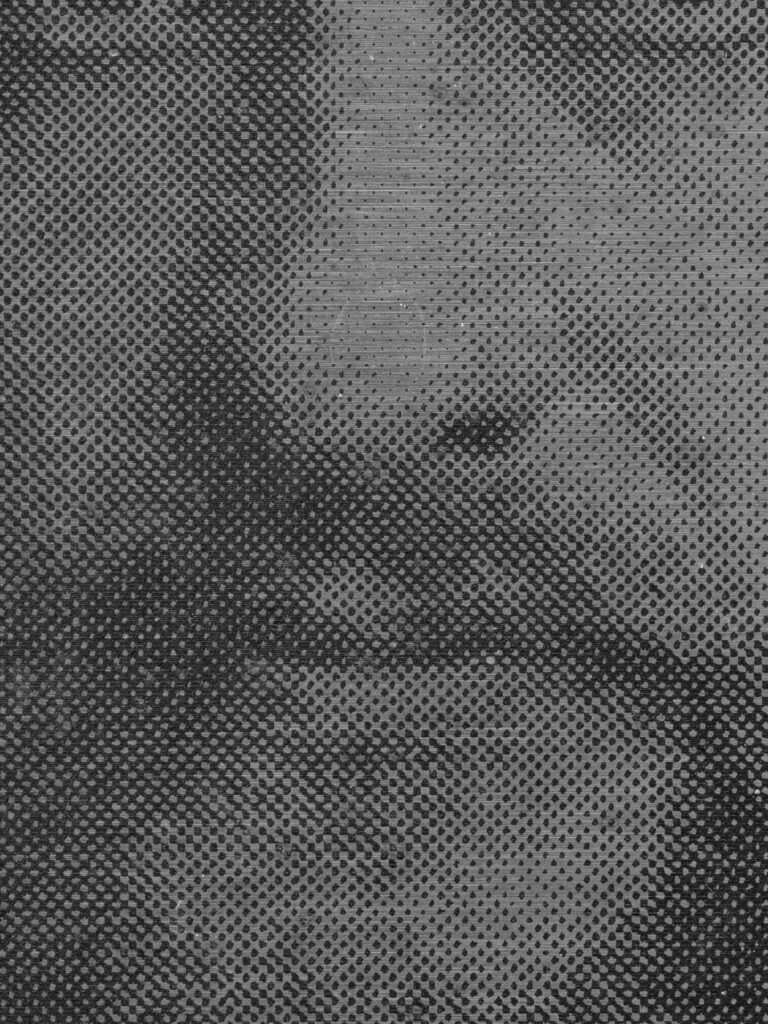
For the book, I was interested in constructing a sense of place and identity through selection and sequencing of photographs and text fragments.

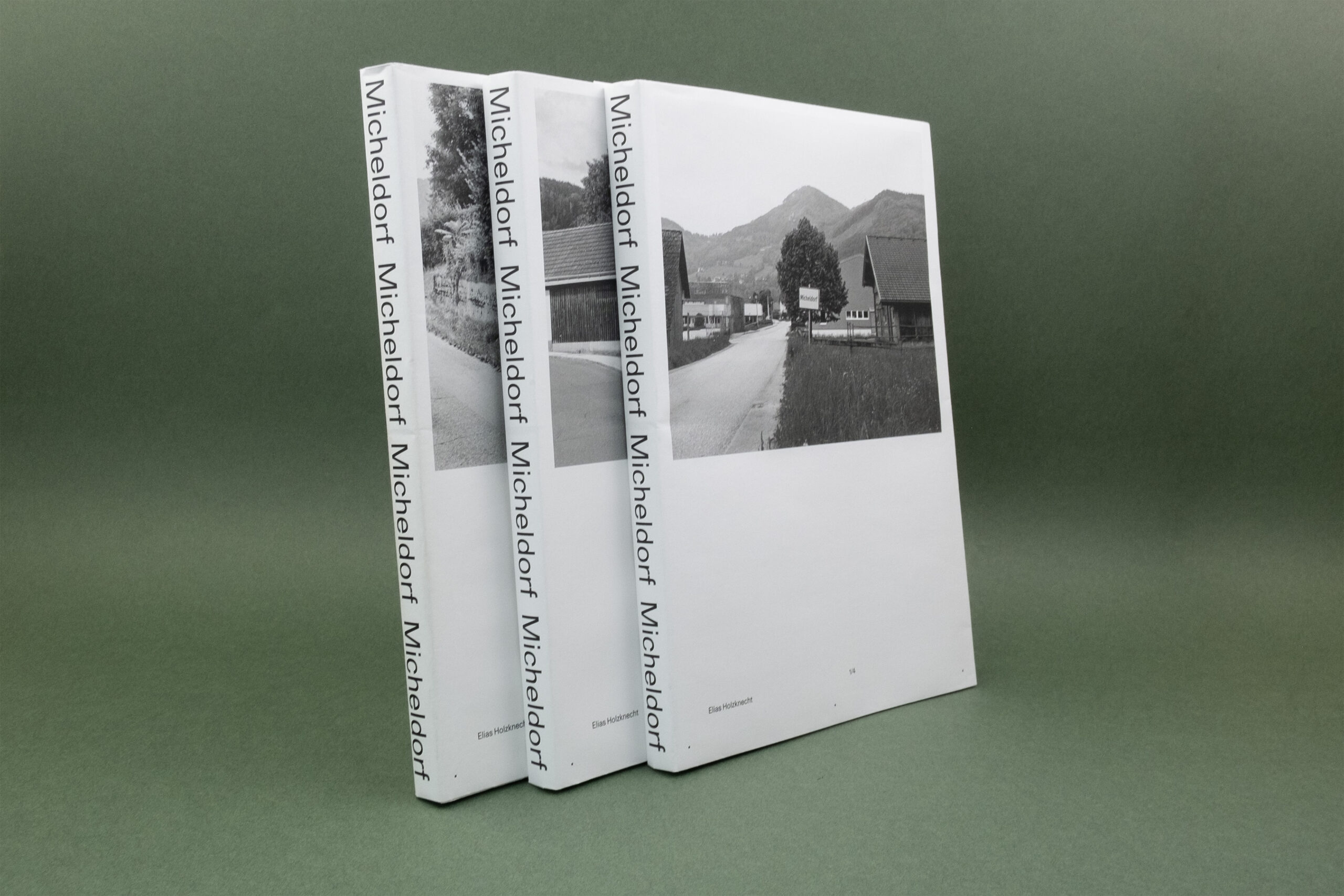
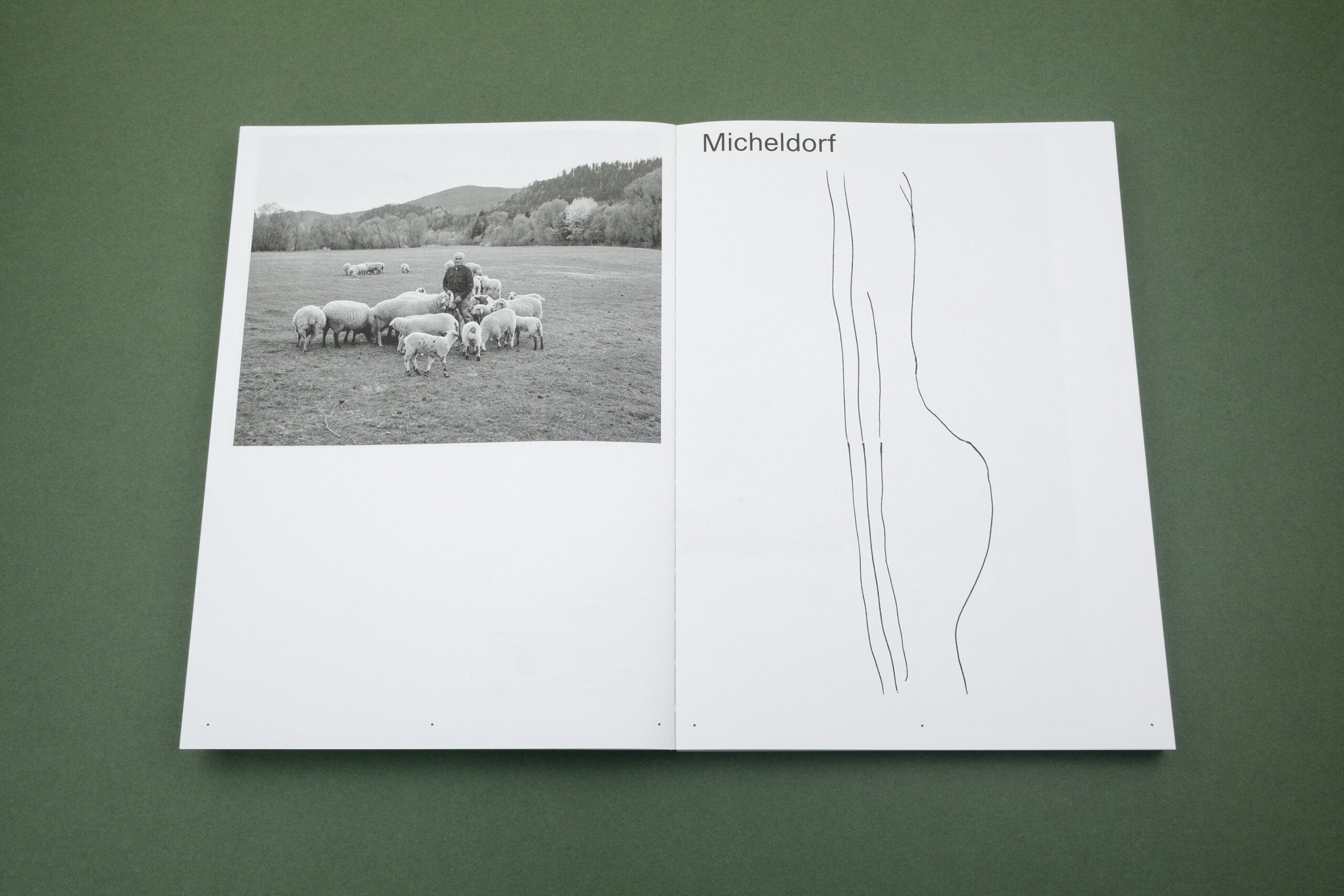
I developed three versions of the book. Each contains exactly the same material, arranged in an entirely different sequence. Working through these sequences was a way of exploring several possible narratives without adding or removing anything.
The versions are distributed at random and marked 1/4, 2/4 and 3/4. A fourth version was never made.

Book available at: The Eriskay Connection


EXHIBITIONS
2025 / Sensen Museum Micheldorf / solo / Micheldorf in OÖ, AUT
2024 / Les Rencontres de la Photographie / group / Arles, FR
2023 / Goethe Exil / group / Hannover, DE
2021 / Graduation Show, BA Photography, KASK / Ghent, BE


AWARDS
2025 / Nomination, PHotoESPAÑA Best Photography Book of the Year
2024 / Nomination, German Photobook Award

2023 / Nomination, C/O Berlin Talent Award



TEXT
2025 / tagebuch.at
2025 / faz.net
InfoX
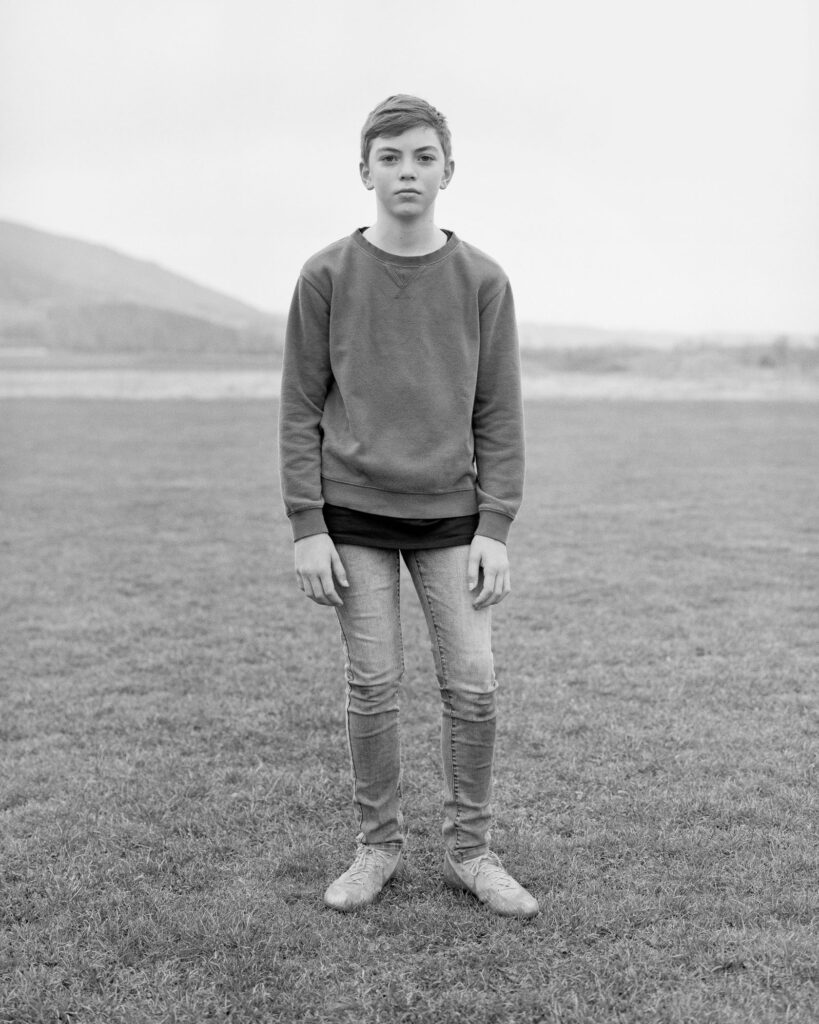
BEZIRK 05

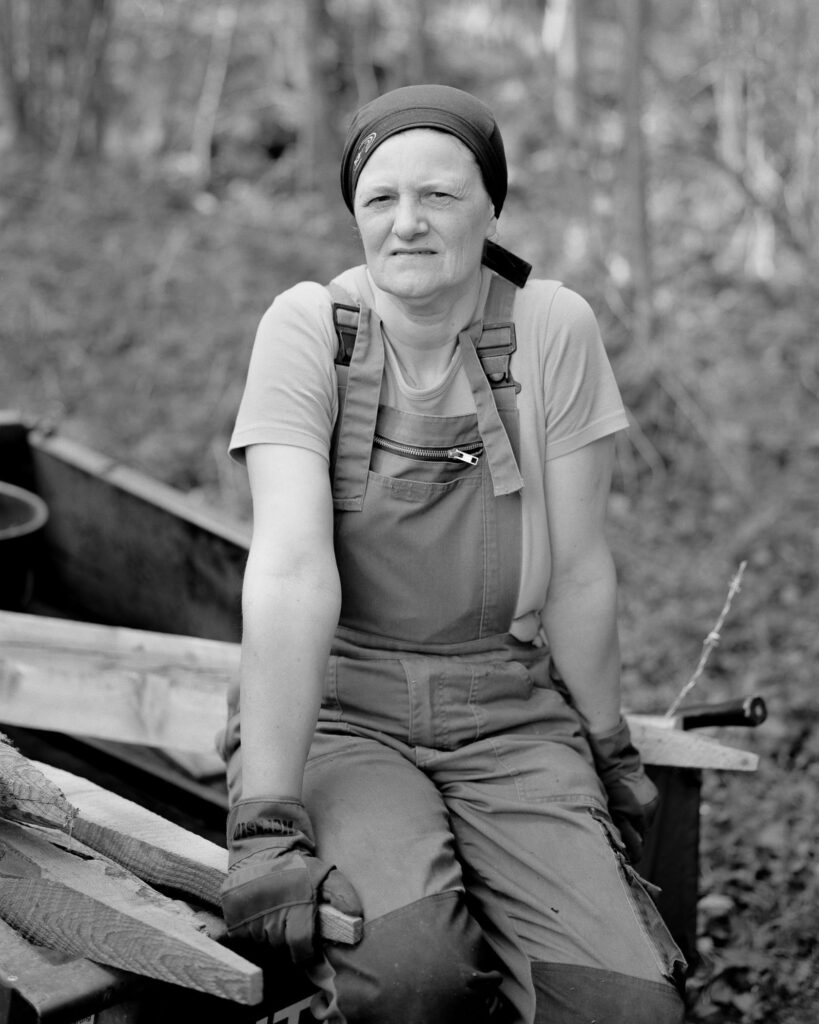
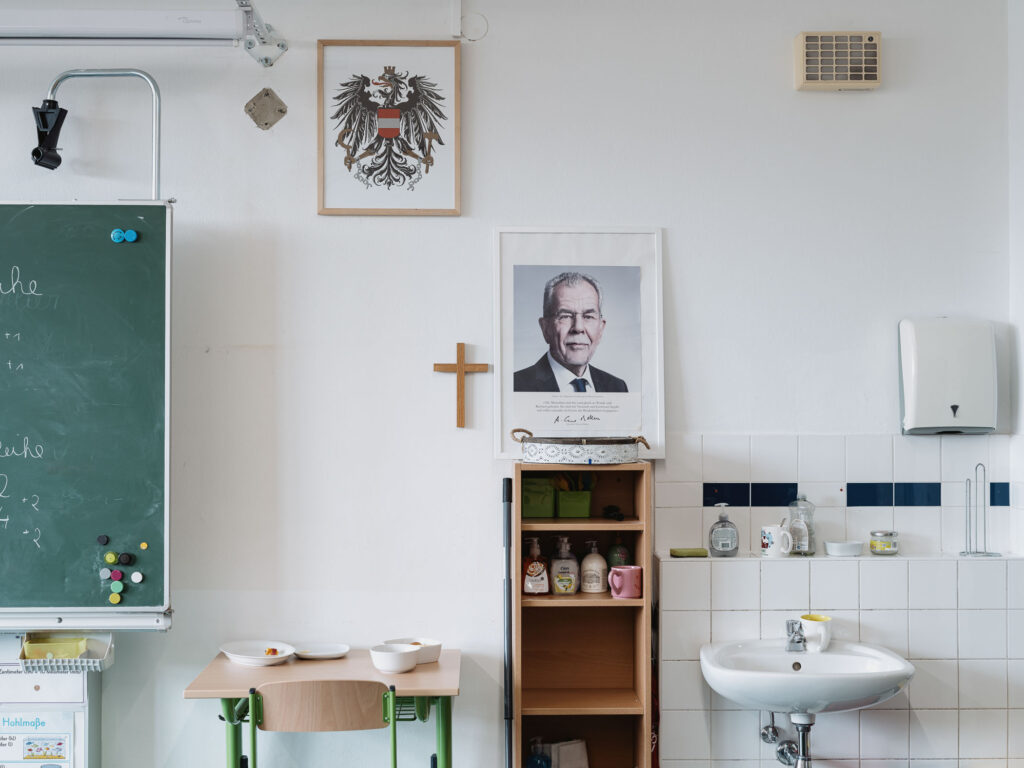
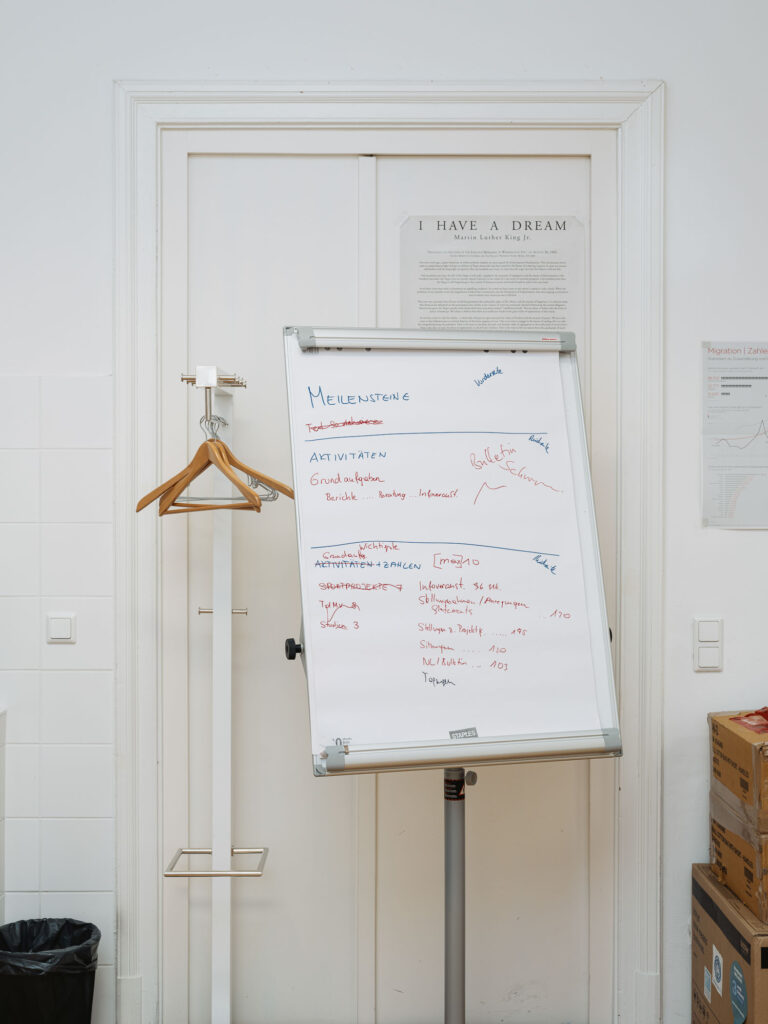
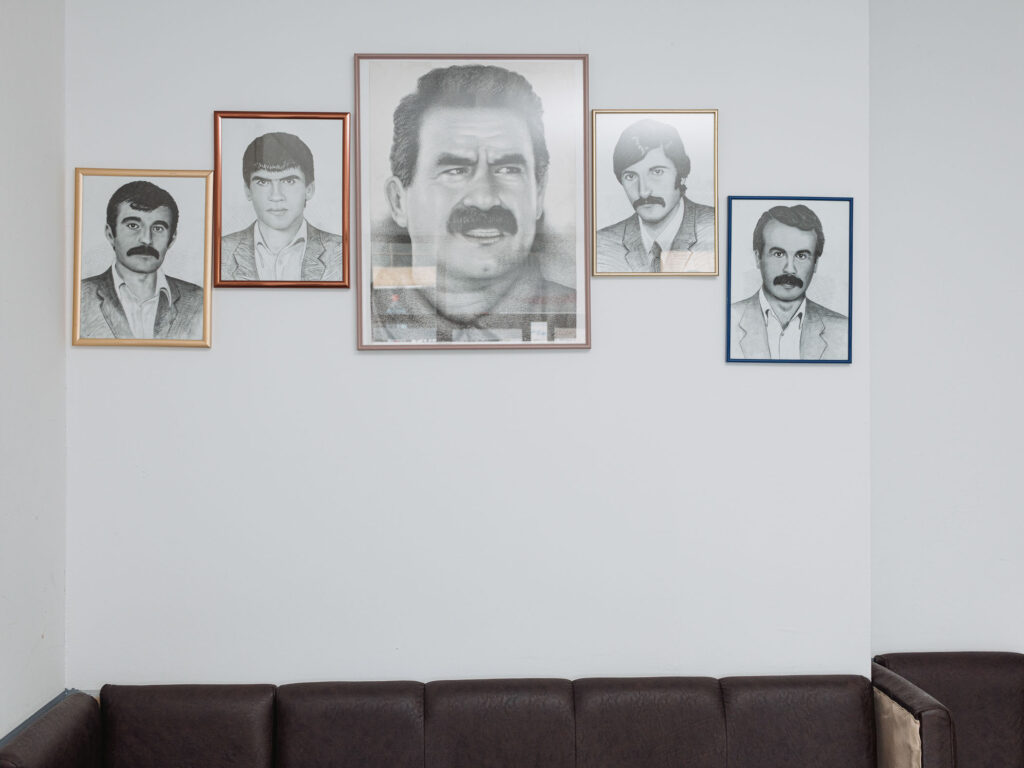
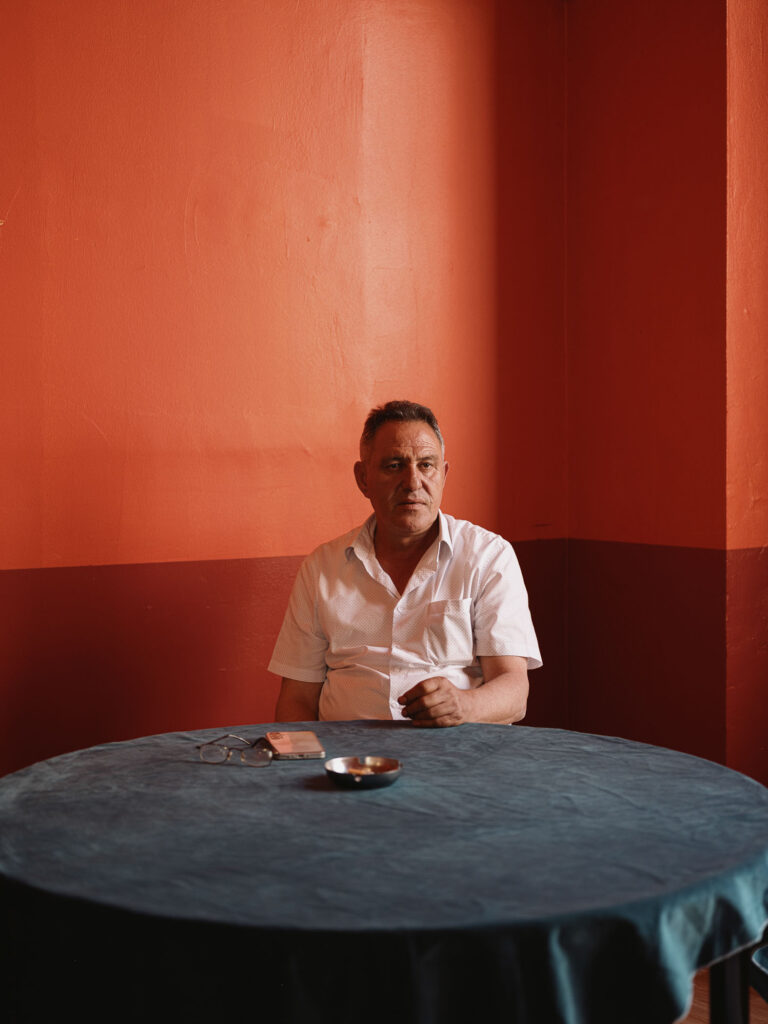
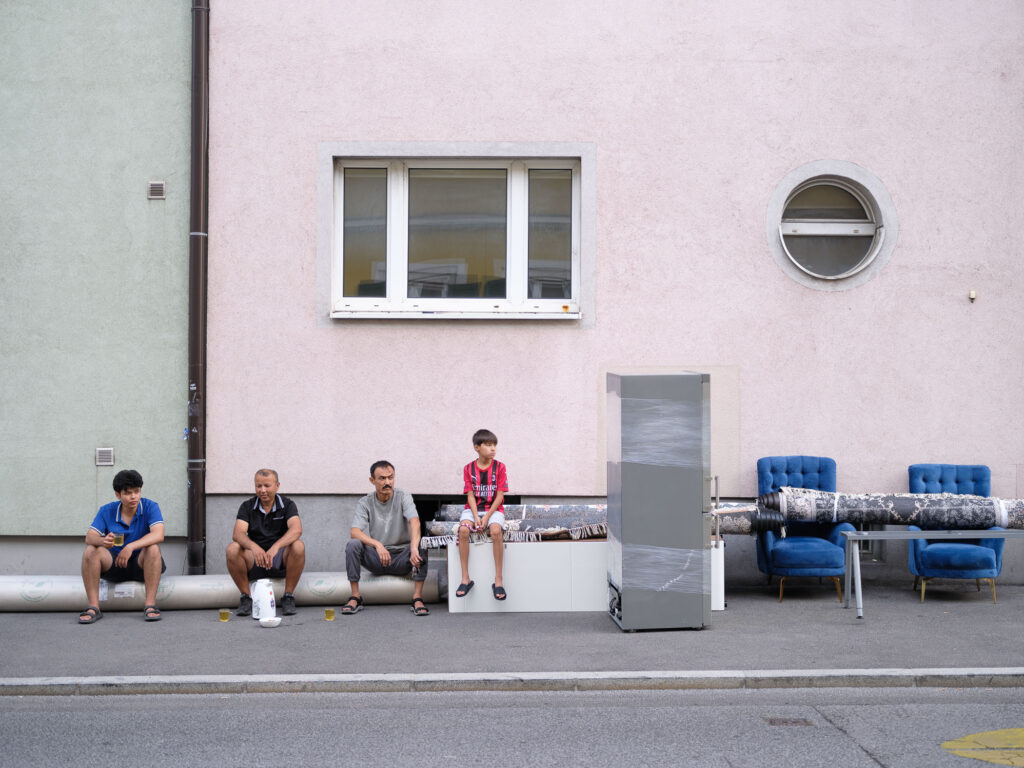
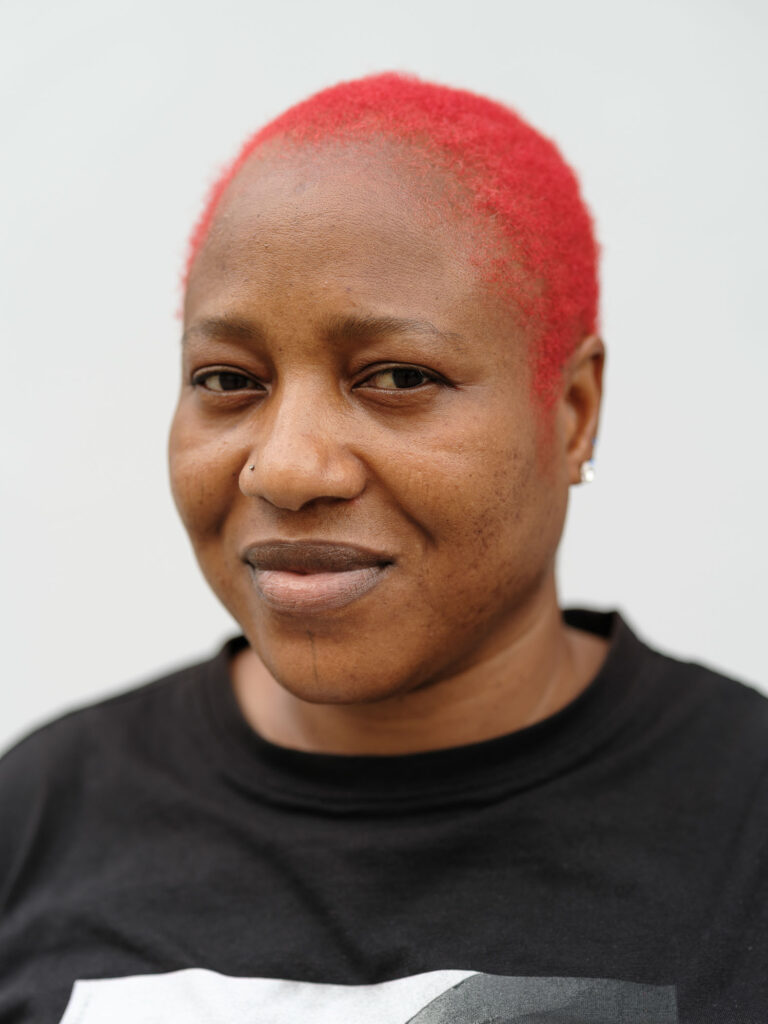
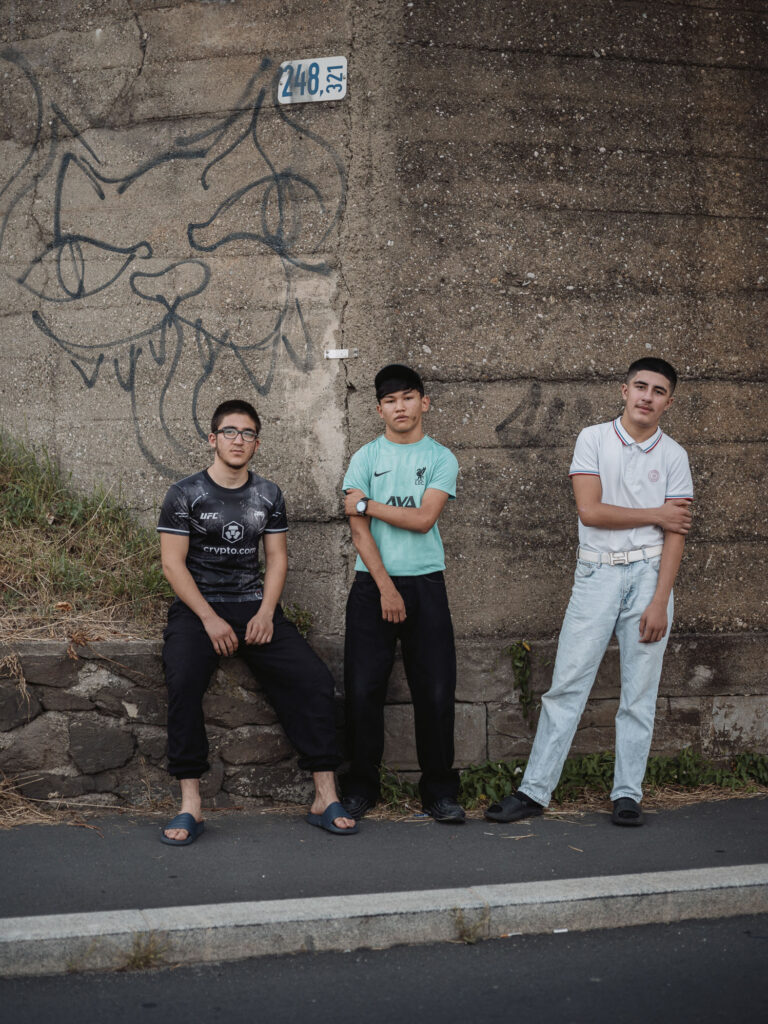
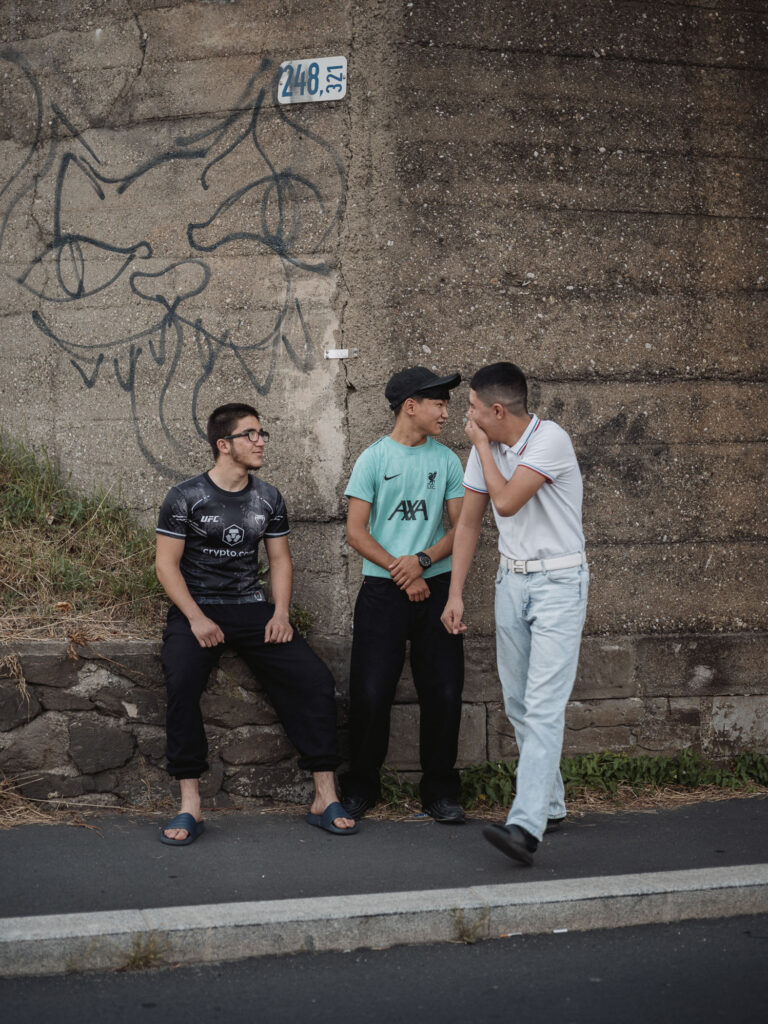
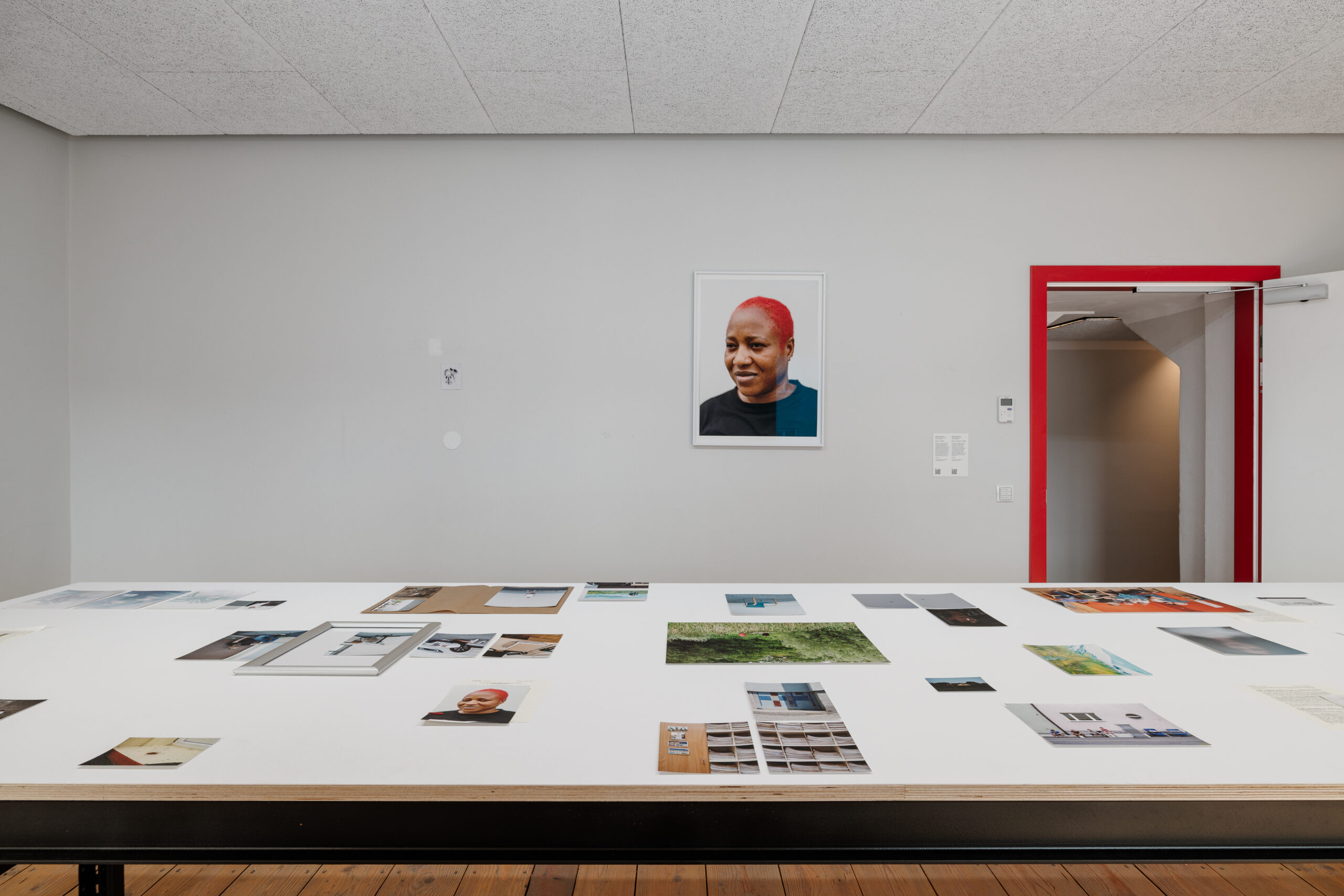
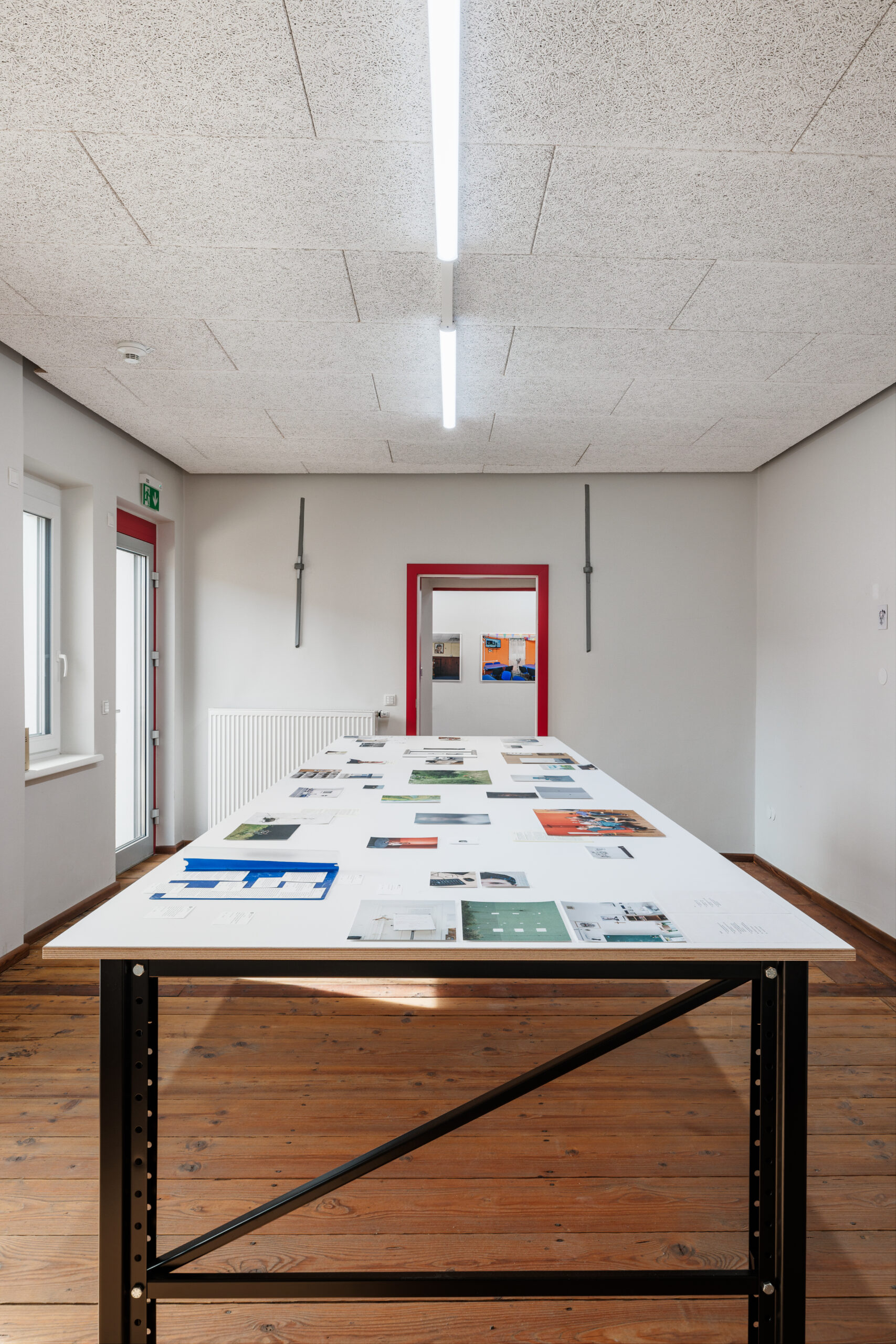
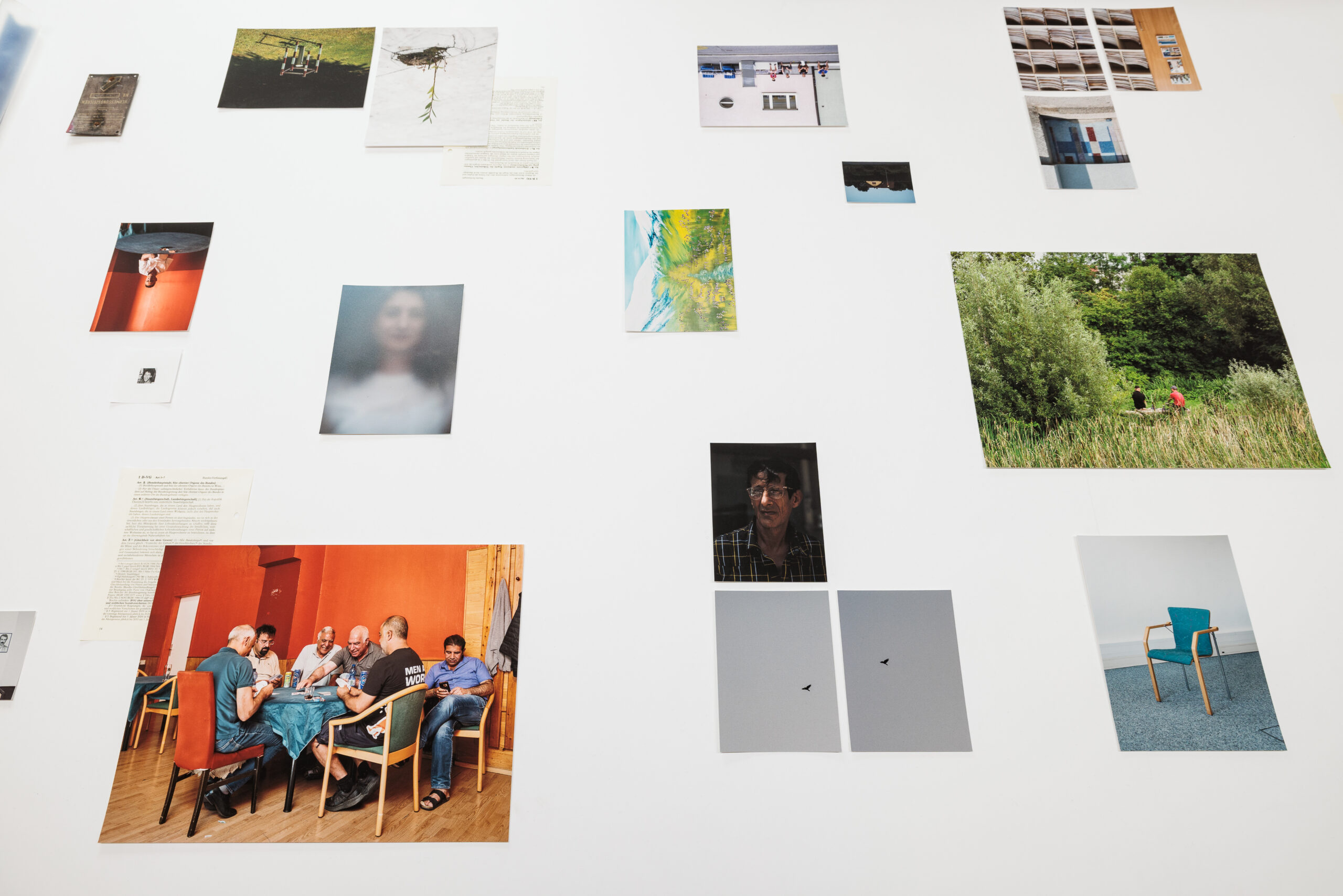
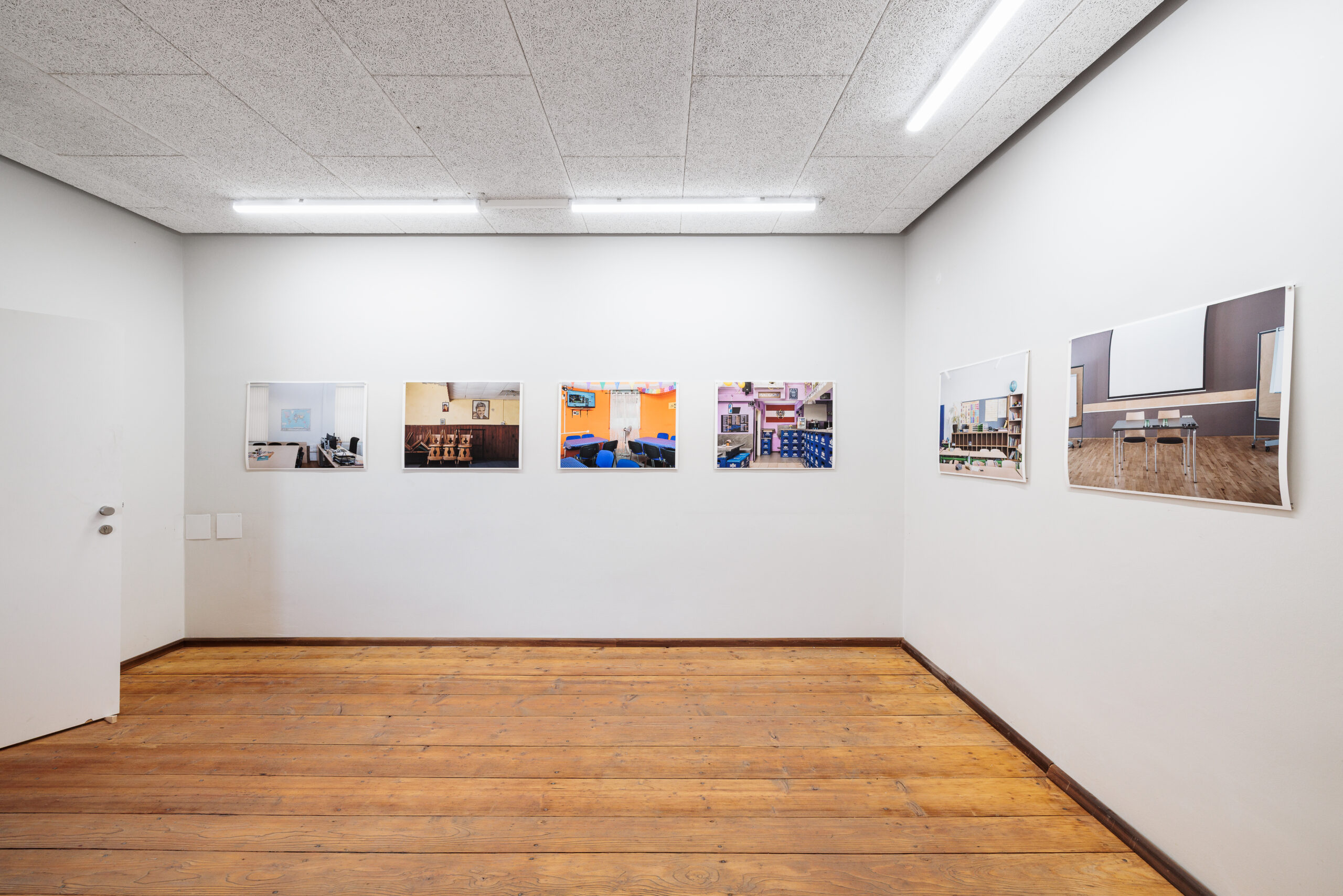
The work began in Gries, Graz’s fifth district, in the streets around the BAU, the exhibition venue of steirischer herbst ’25. The neighborhood is home to diaspora communities from regions affected by conflict. At the time of the project, more than half of the district’s residents did not have Austrian citizenship. In the 2024 Styrian state election, the far-right Freedom Party (FPÖ) had received the largest share of votes in Gries.


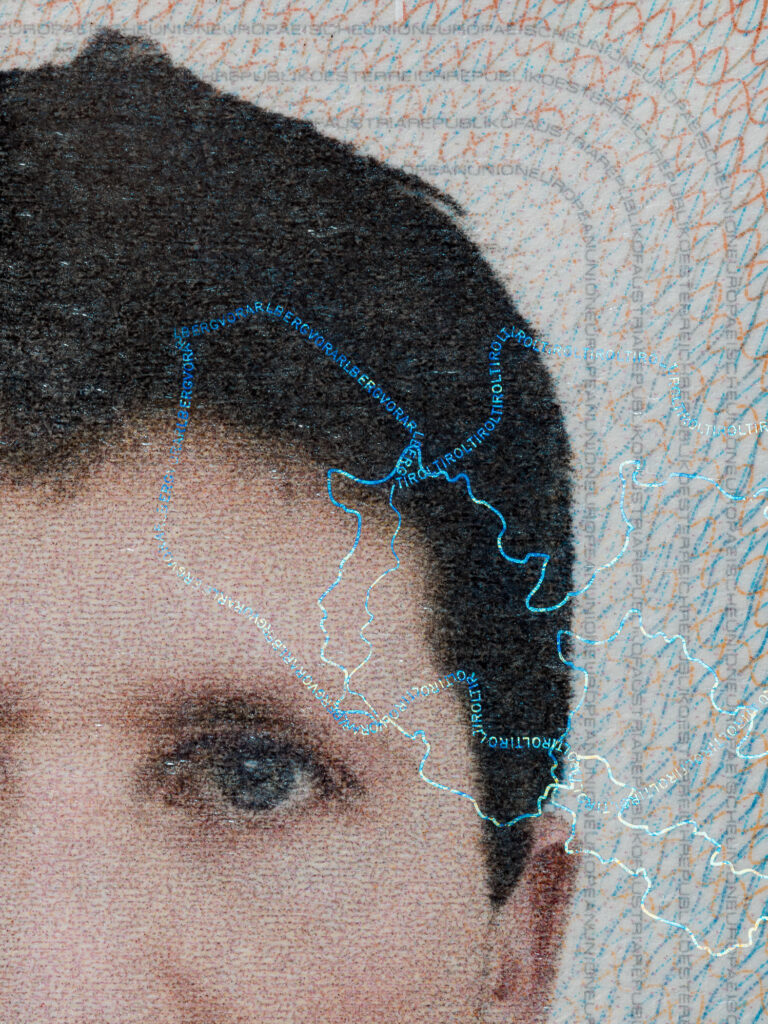
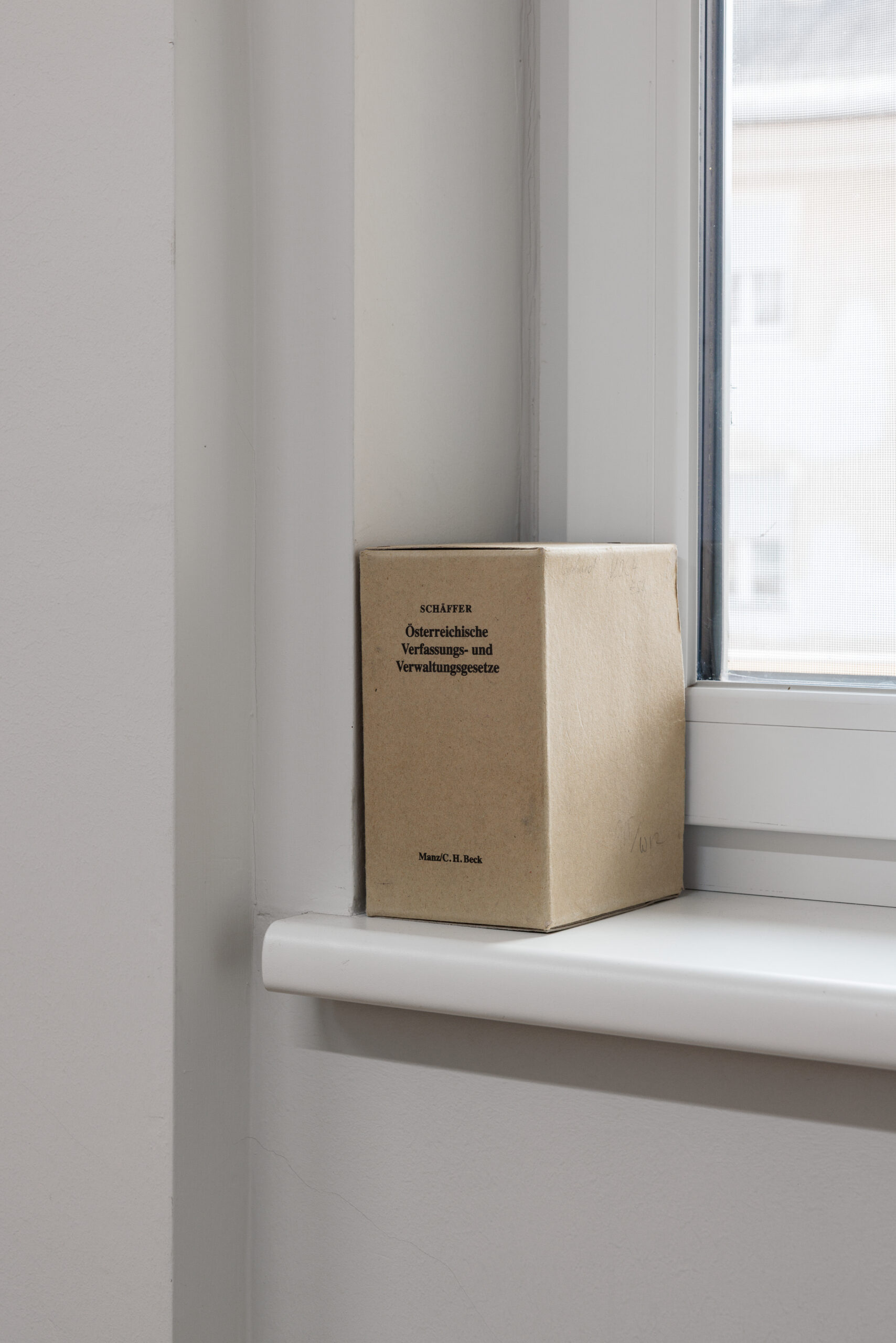
I wanted to understand what democracy looks like at this scale, and how everyday participation relates to political representation. Who helps sustain a neighborhood through work, care and organization? Who has the right to vote?

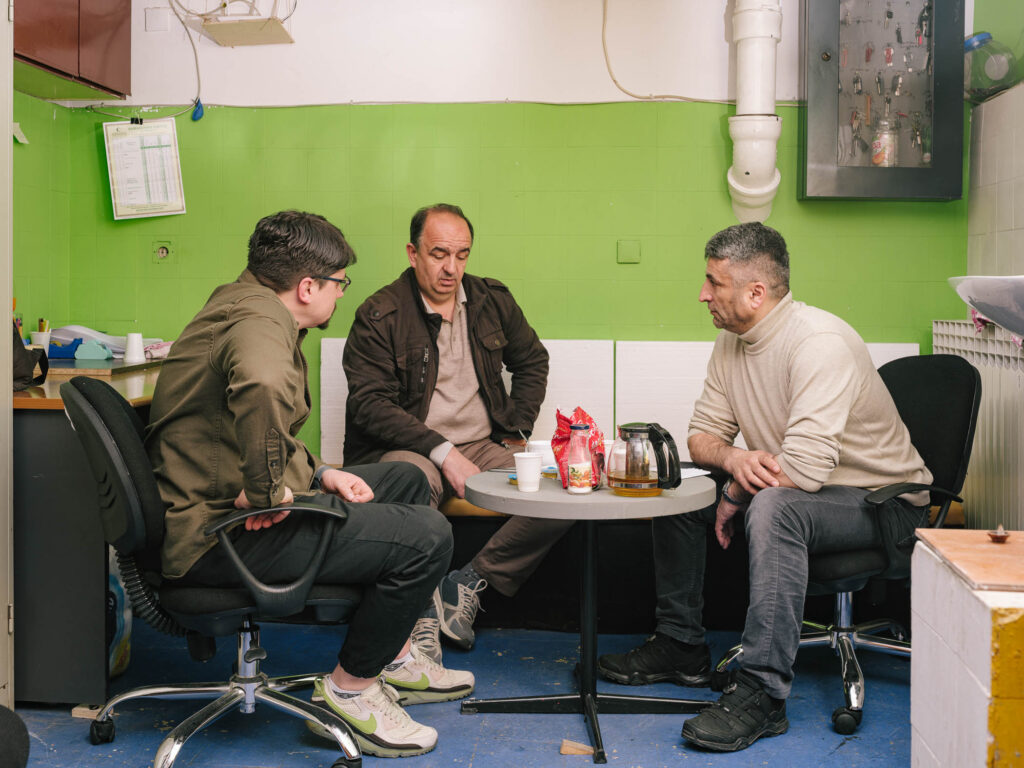
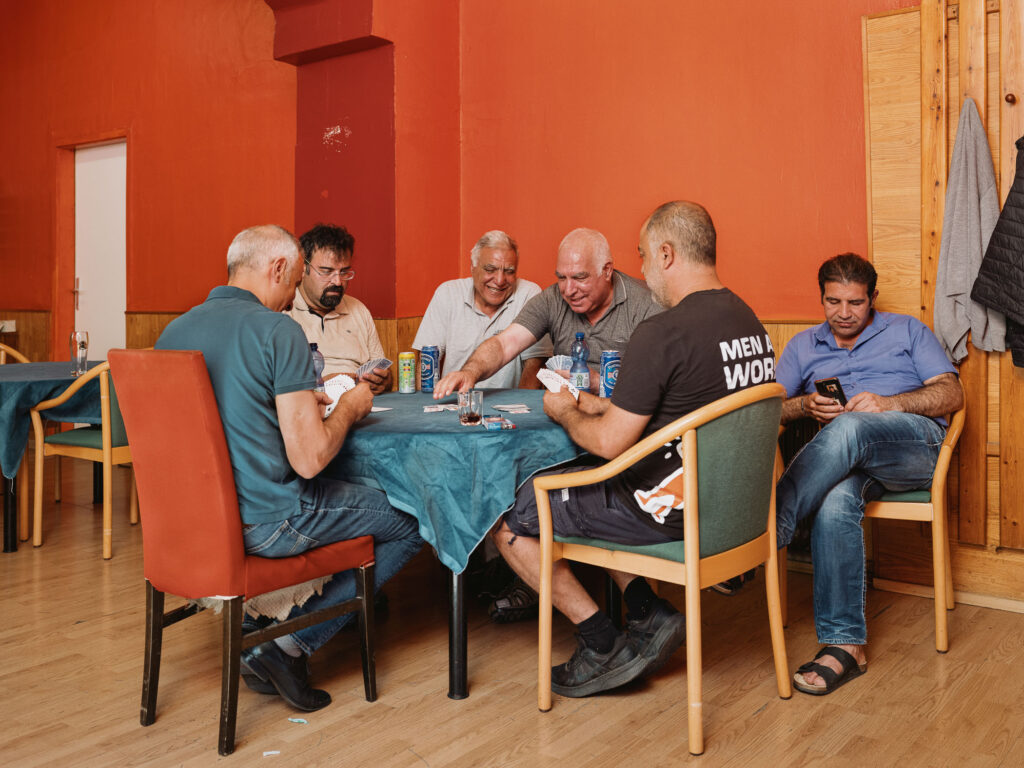
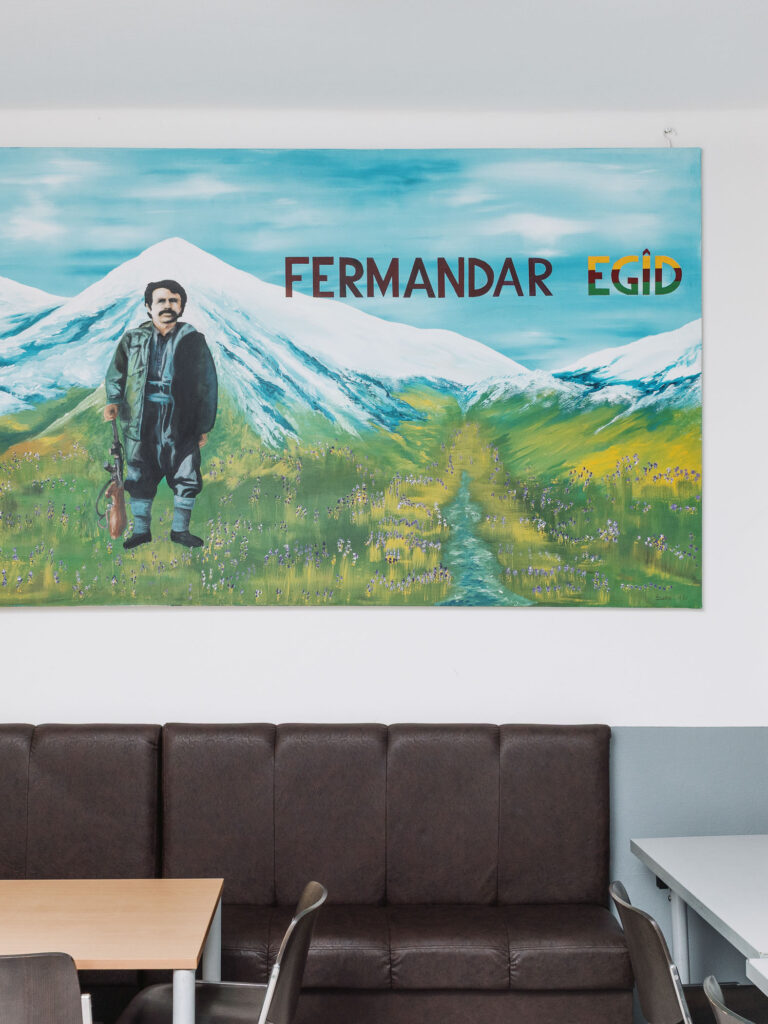
I visited migrant organizations and local pubs, spoke with residents from different backgrounds and photographed the people and places I encountered: streets, entrances, shops, courtyards, poll sites and meeting places. Through these conversations and encounters, I investigated different ways of belonging to the same district, the relationships between its inhabitants and the tensions between them.

What concerned me was the distance between being part of a city’s everyday life and being recognized as someone with a say in it.


The work was commissioned for steirischer herbst 25 / Never Again Peace, under the artistic direction of Ekaterina Degot, and developed in close collaboration with Pieternel Vermoortel and Beatrice Forchini.


installation view © steirischer herbst / kunst-dokumentation.com
InfoX
AUF BEKANNTEN WEGEN
National Socialism in Ötztal

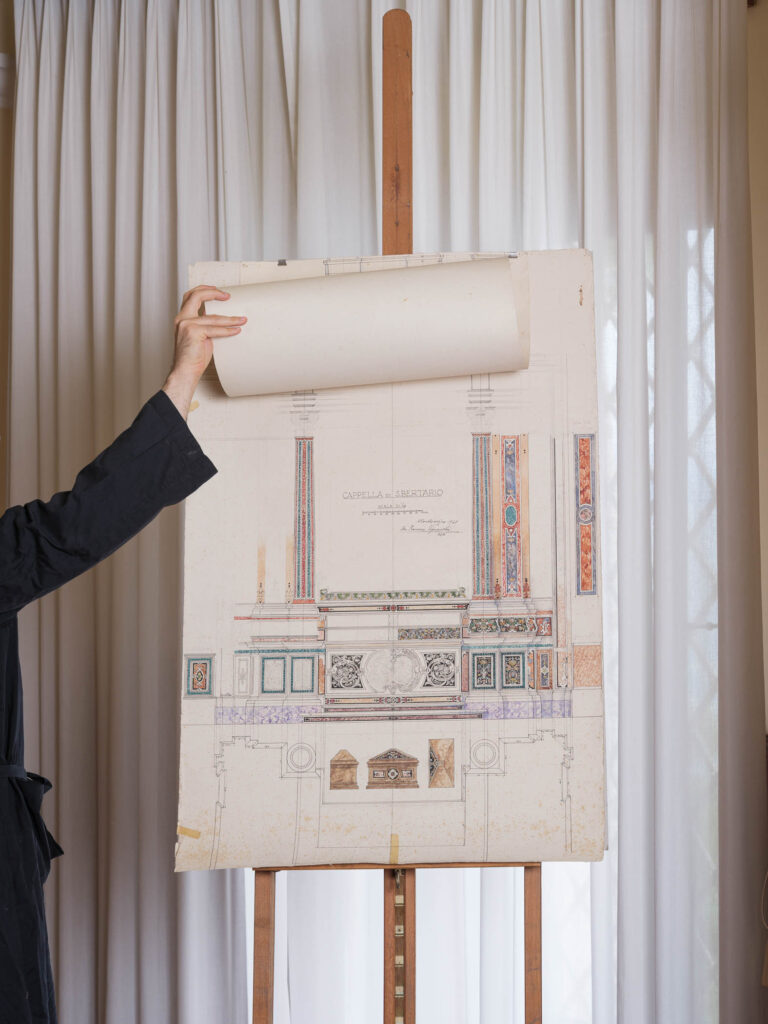
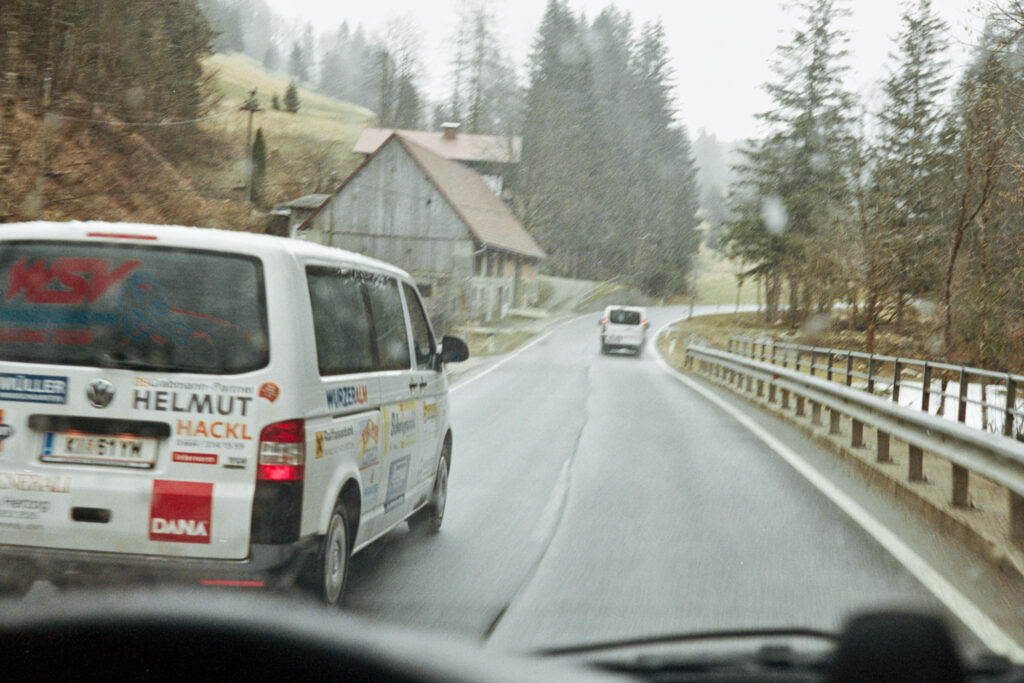
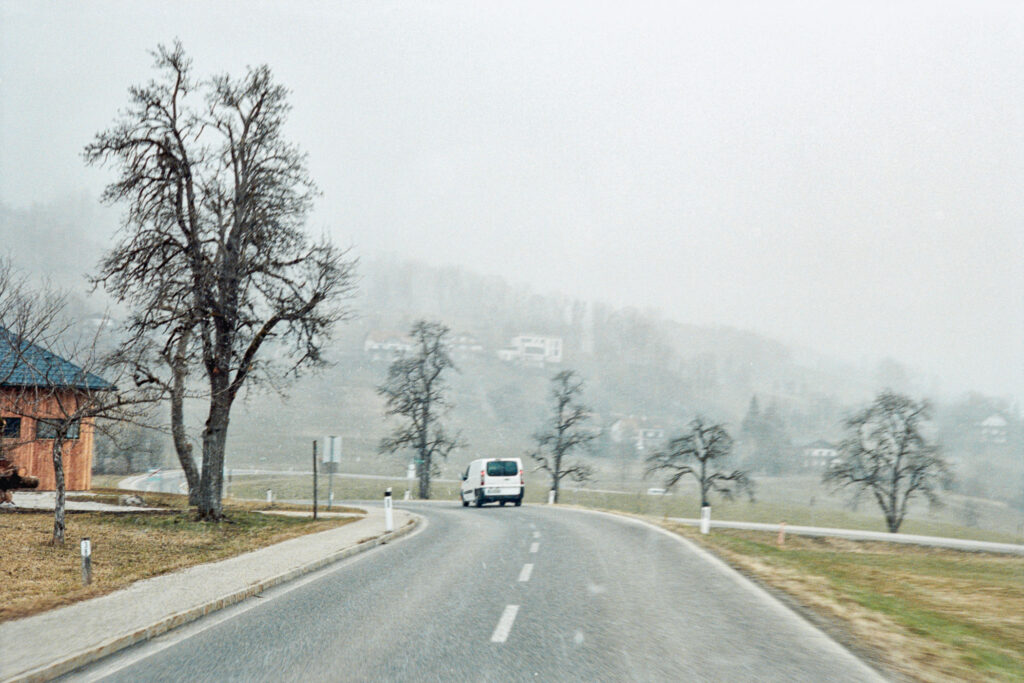
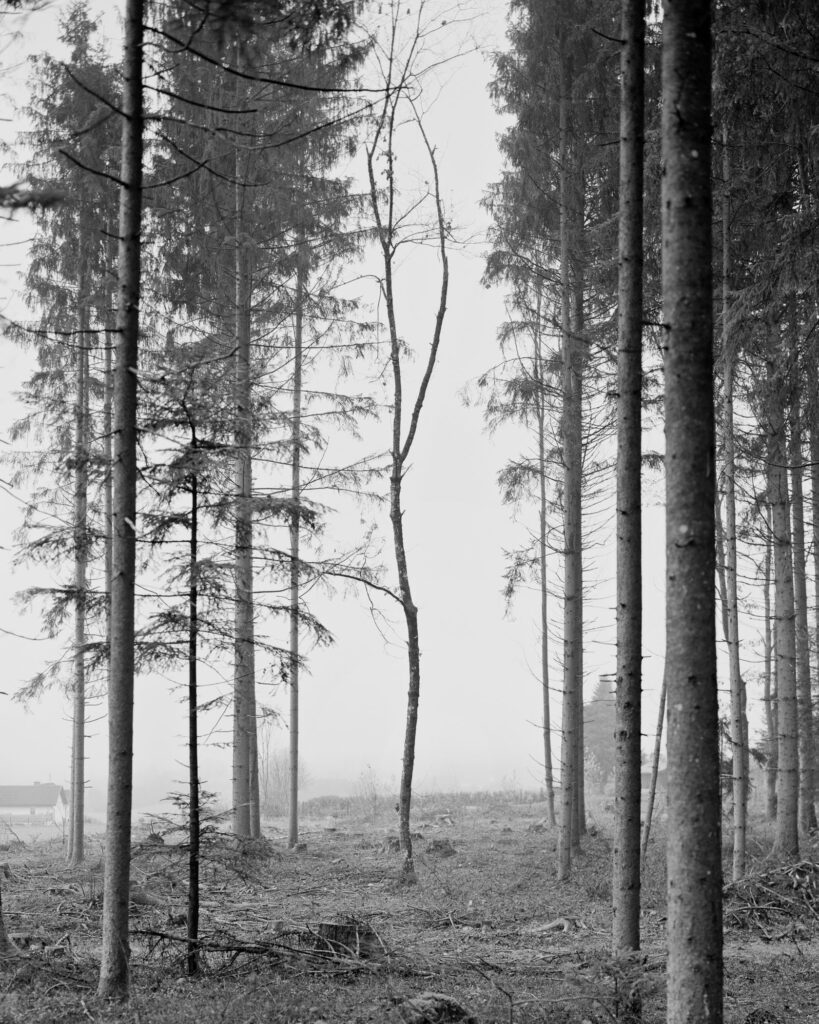
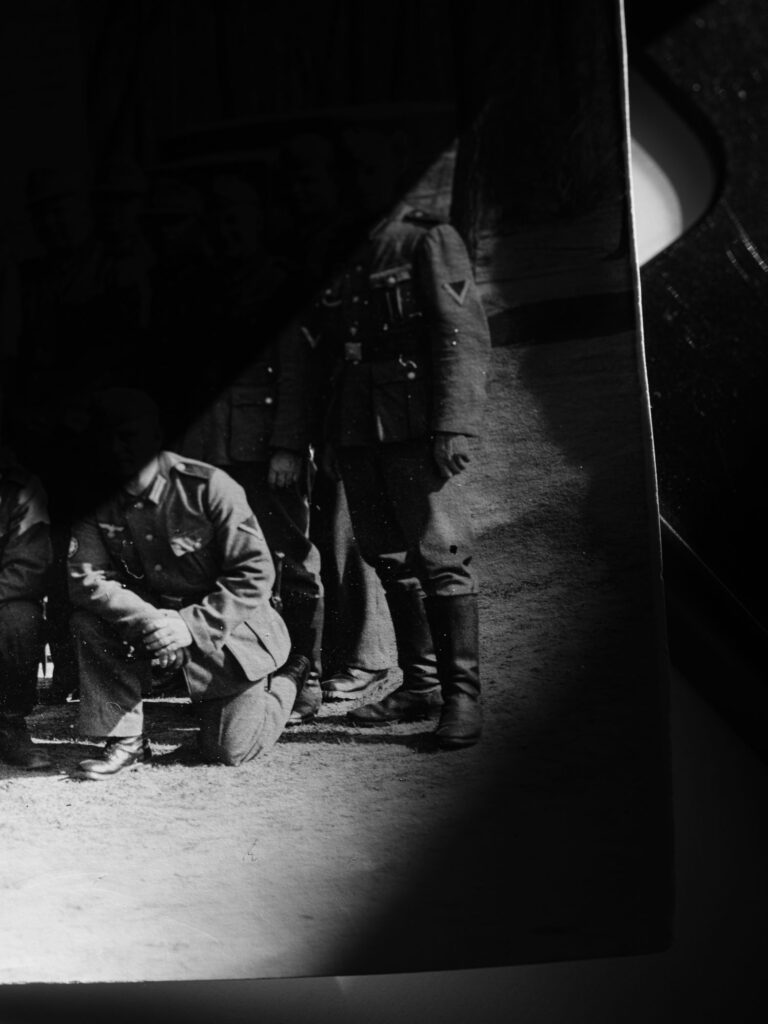
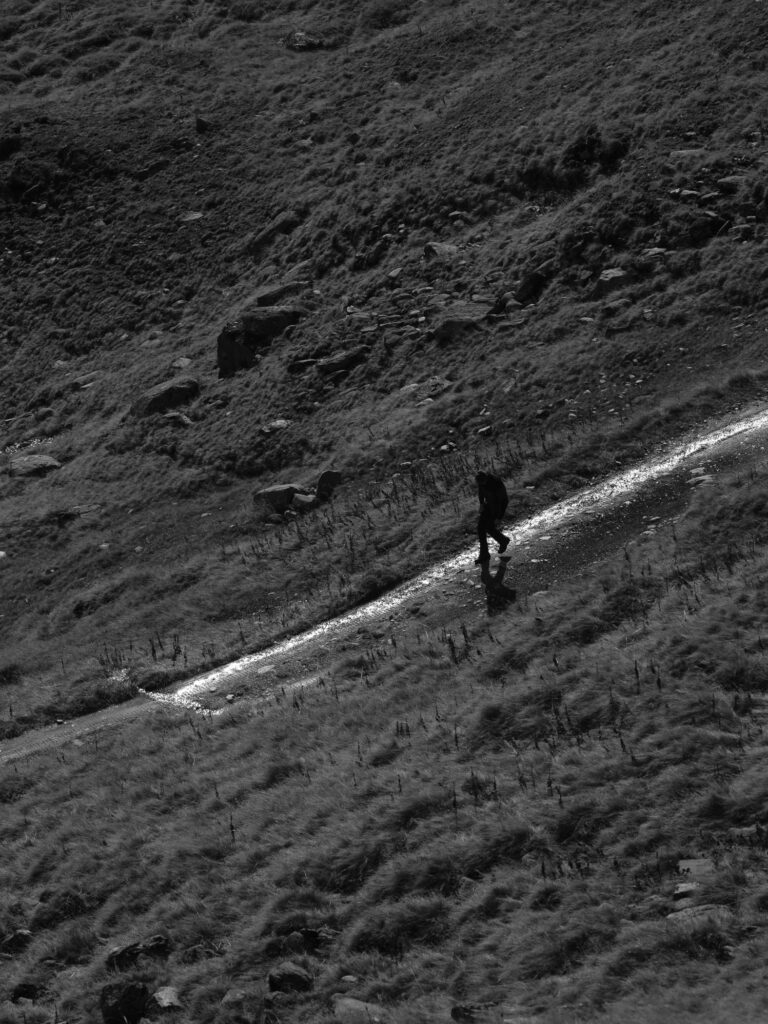
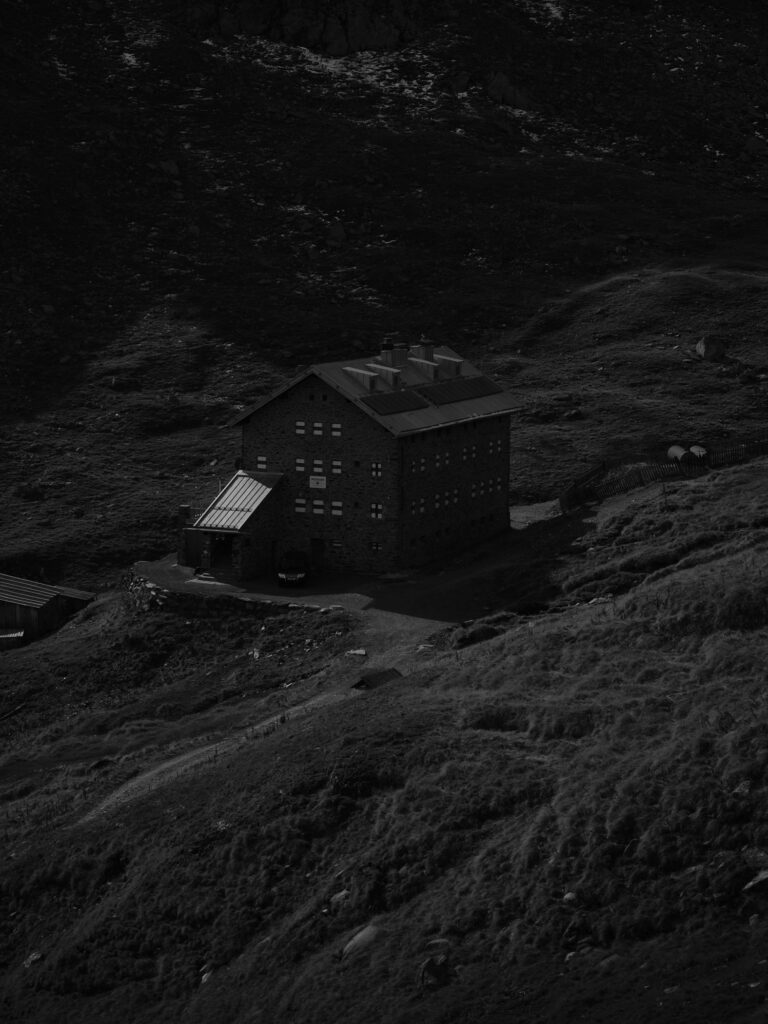
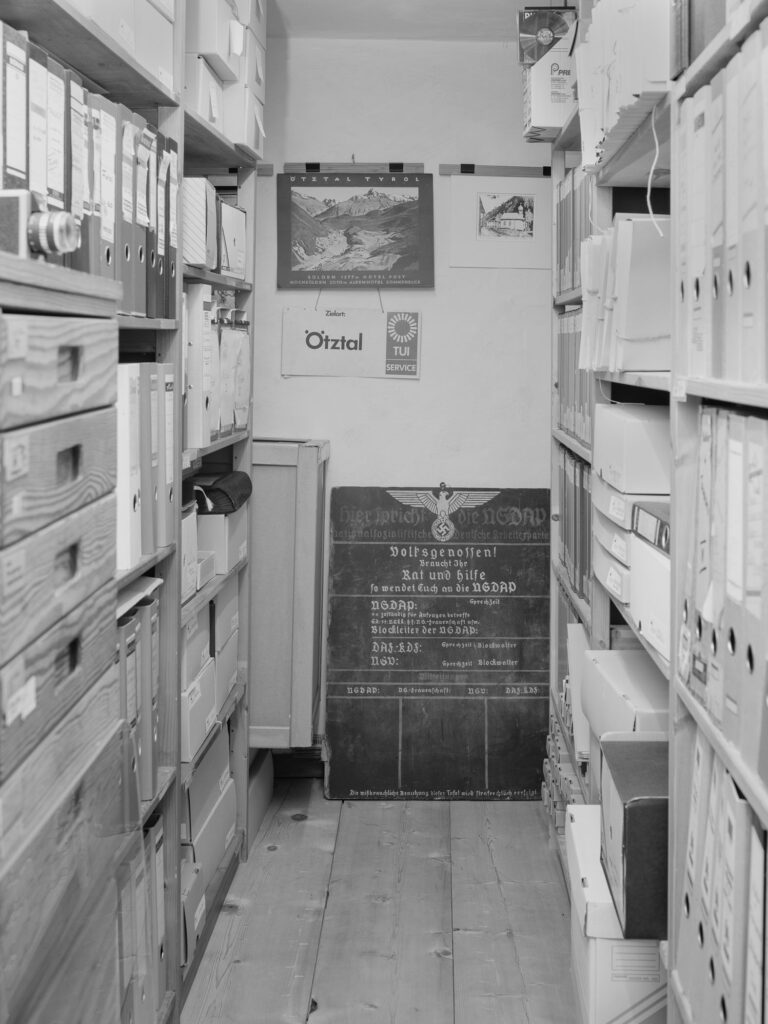
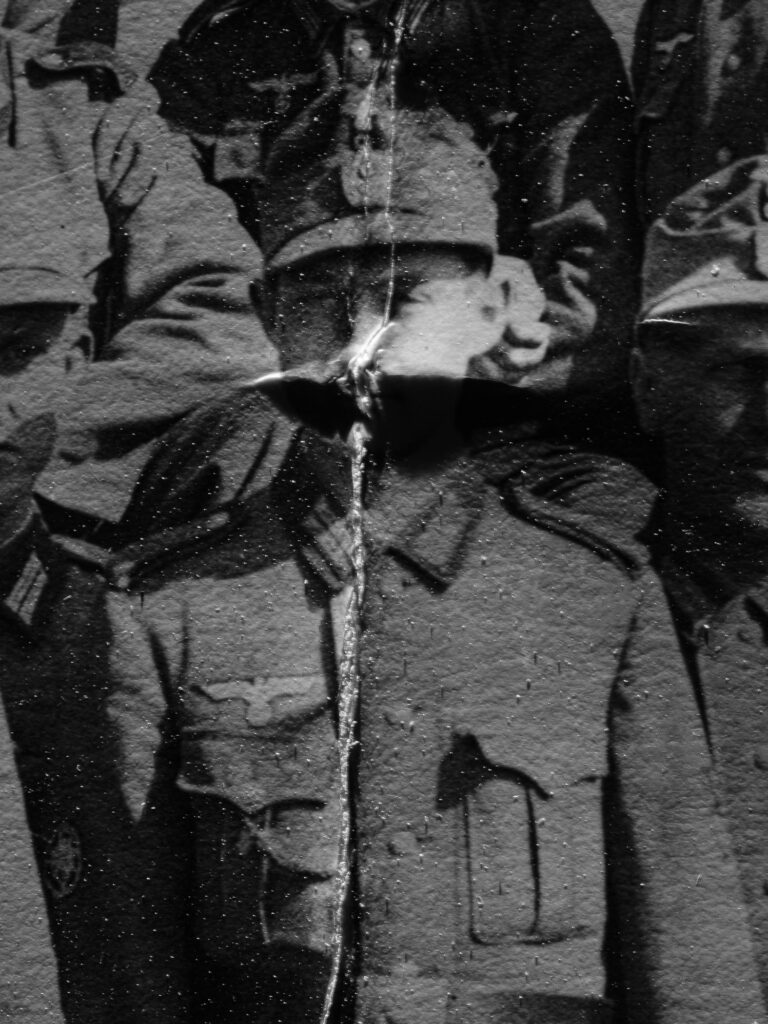
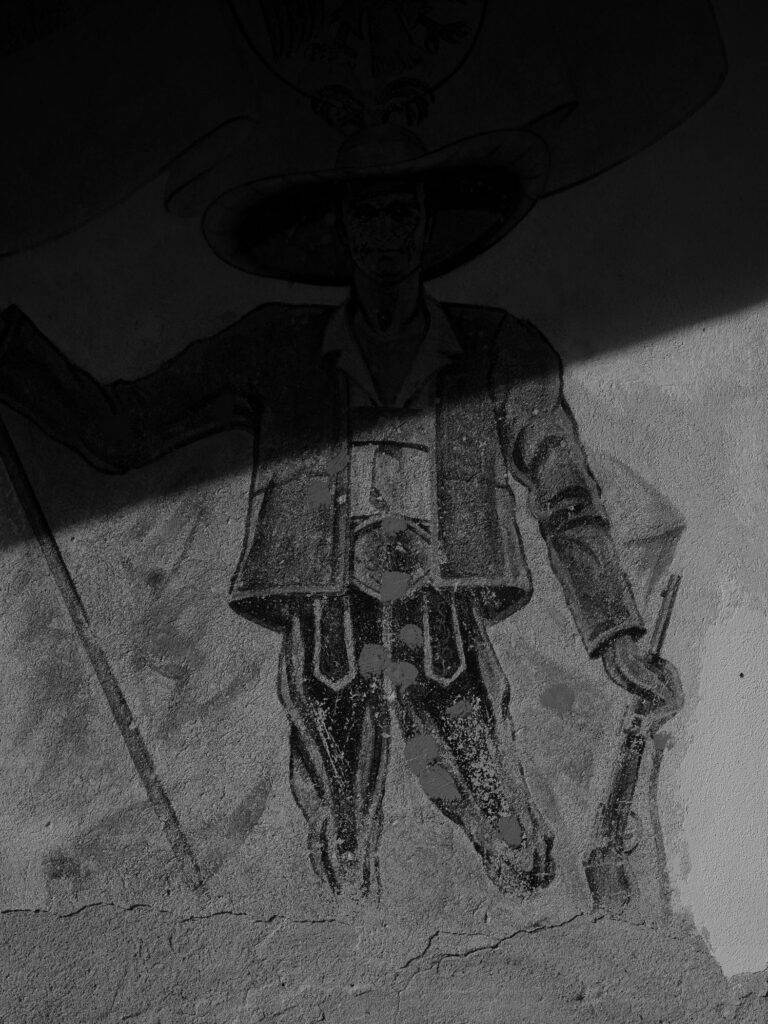
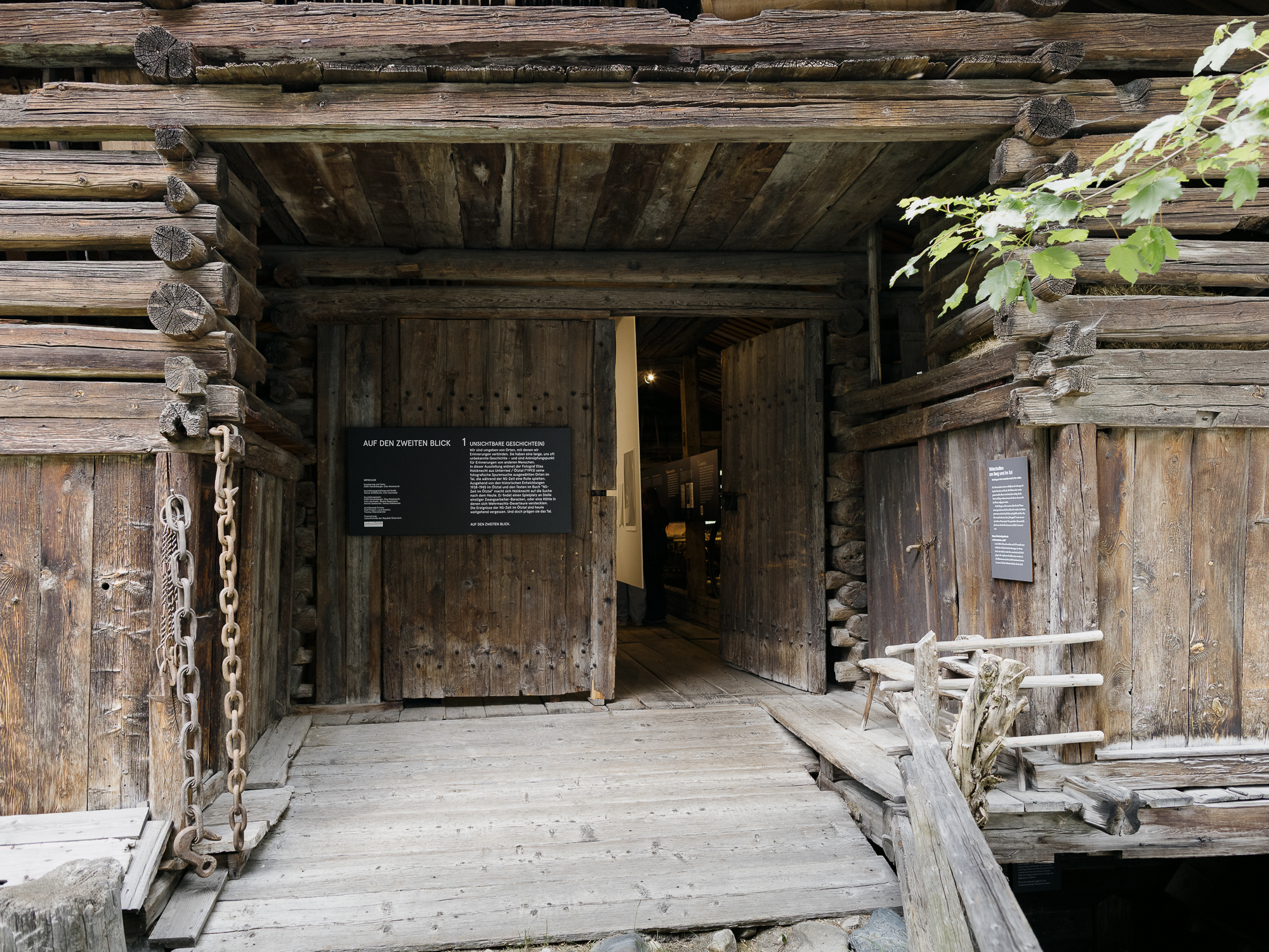
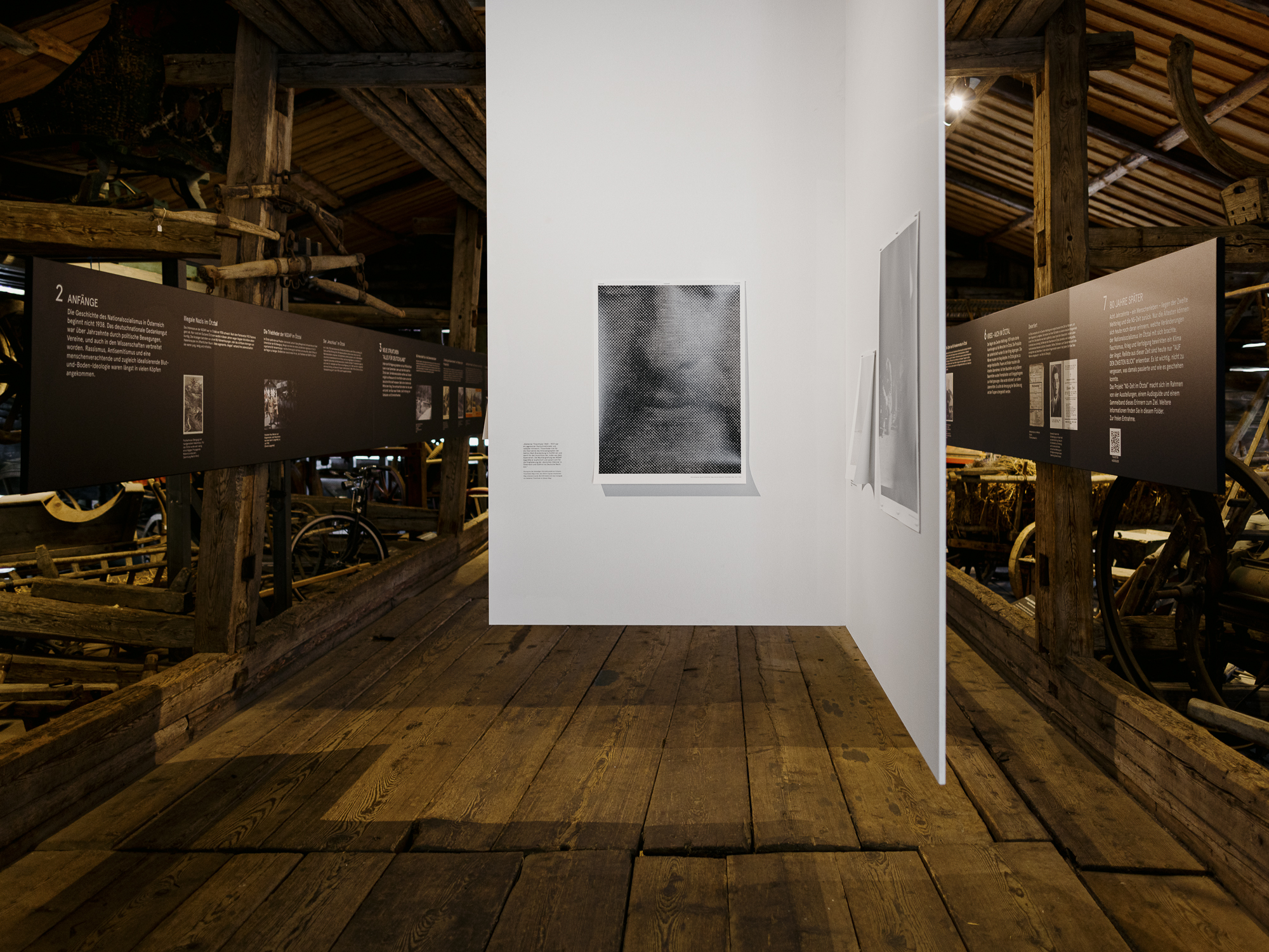
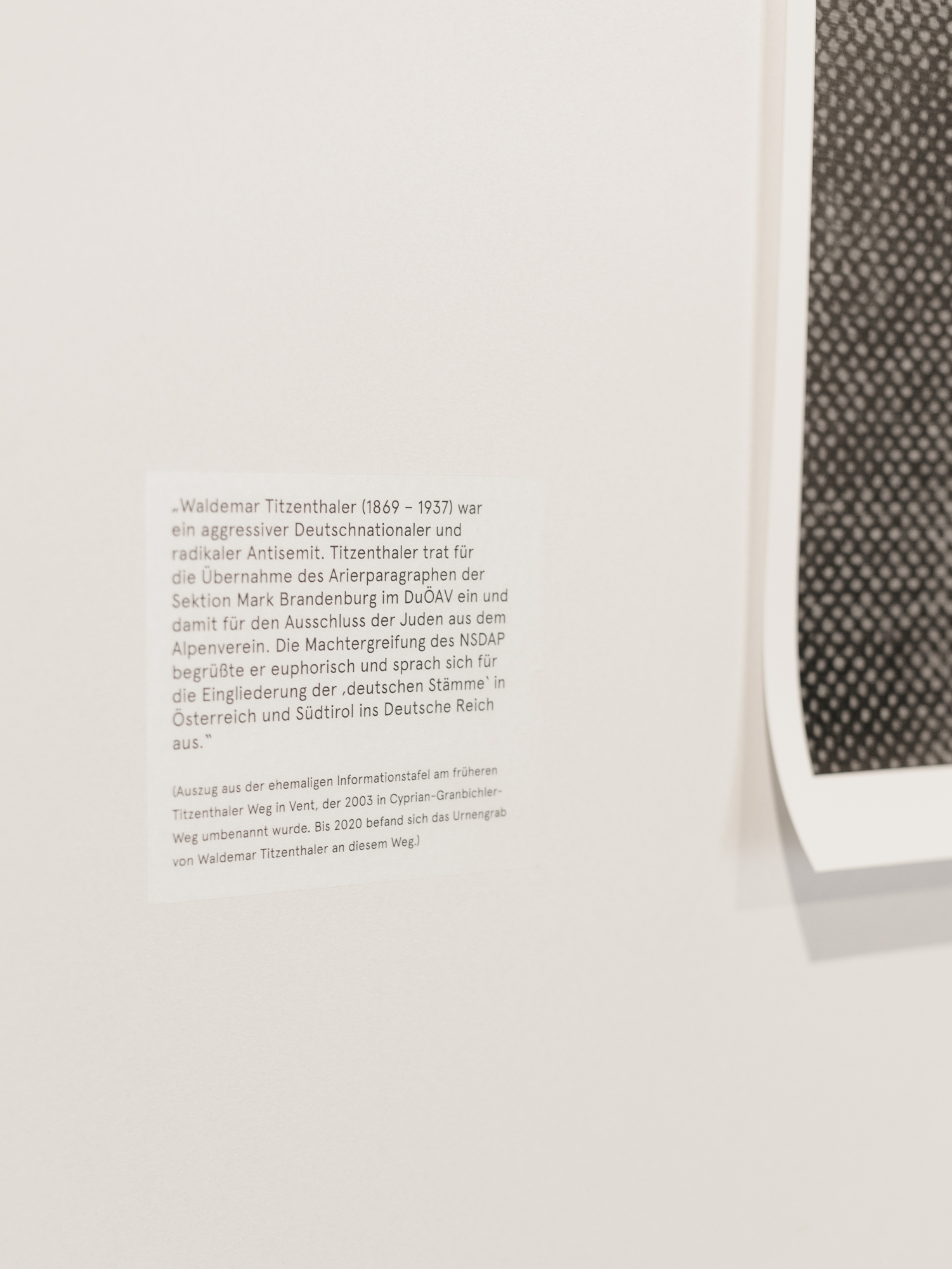
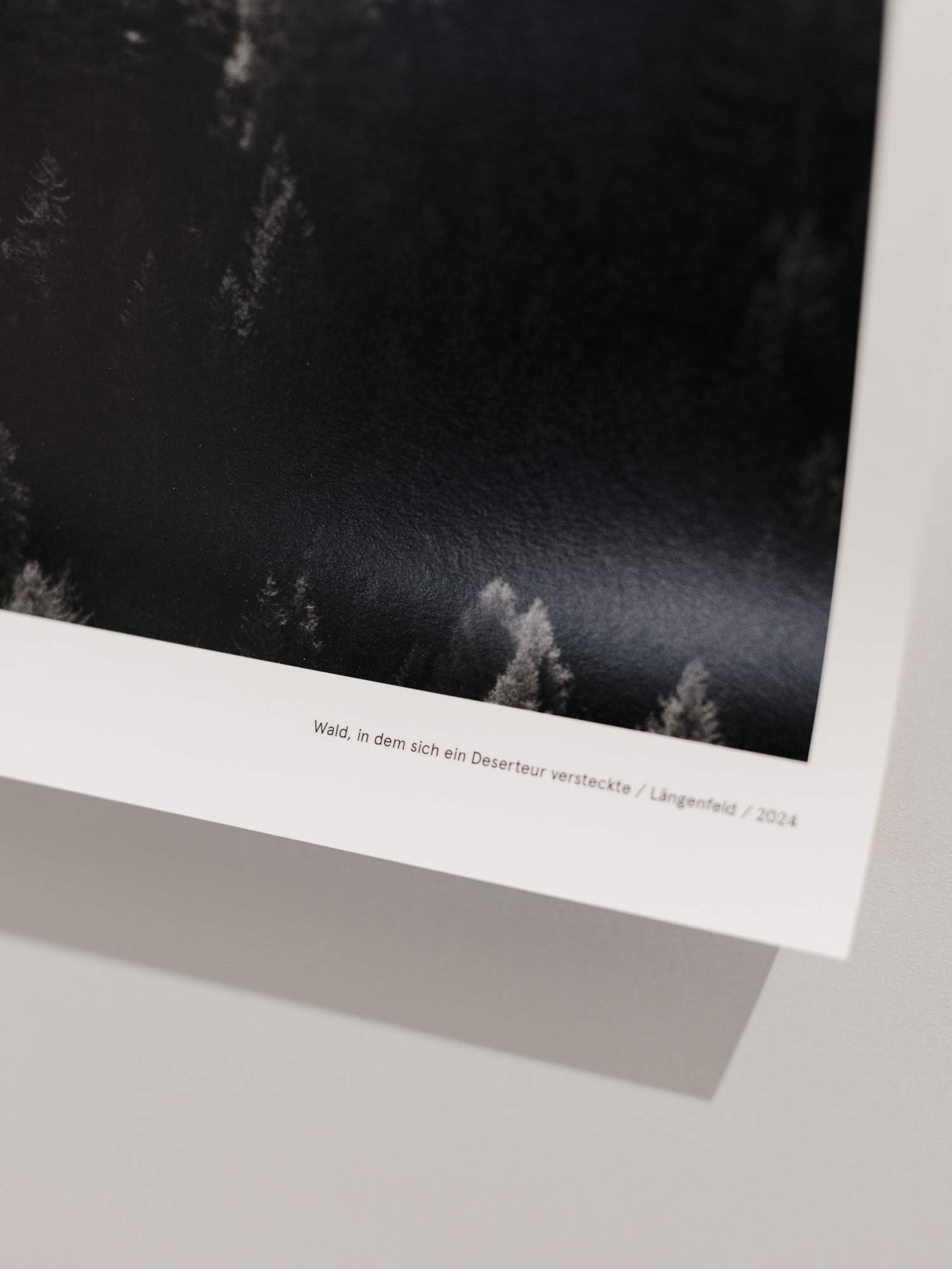
Commissioned by the Ötztaler Museen, this work follows traces of National Socialism in Ötztal, the valley I grew up in. I encountered fragments of this dark past in archives and cellars, in stories, in names of places and family histories, in museum storage rooms and in the landscape familiar to me.

I wanted to understand how this past becomes visible in a place I know. What remains? What continues to be told? What disappears in the gaps of our memory?

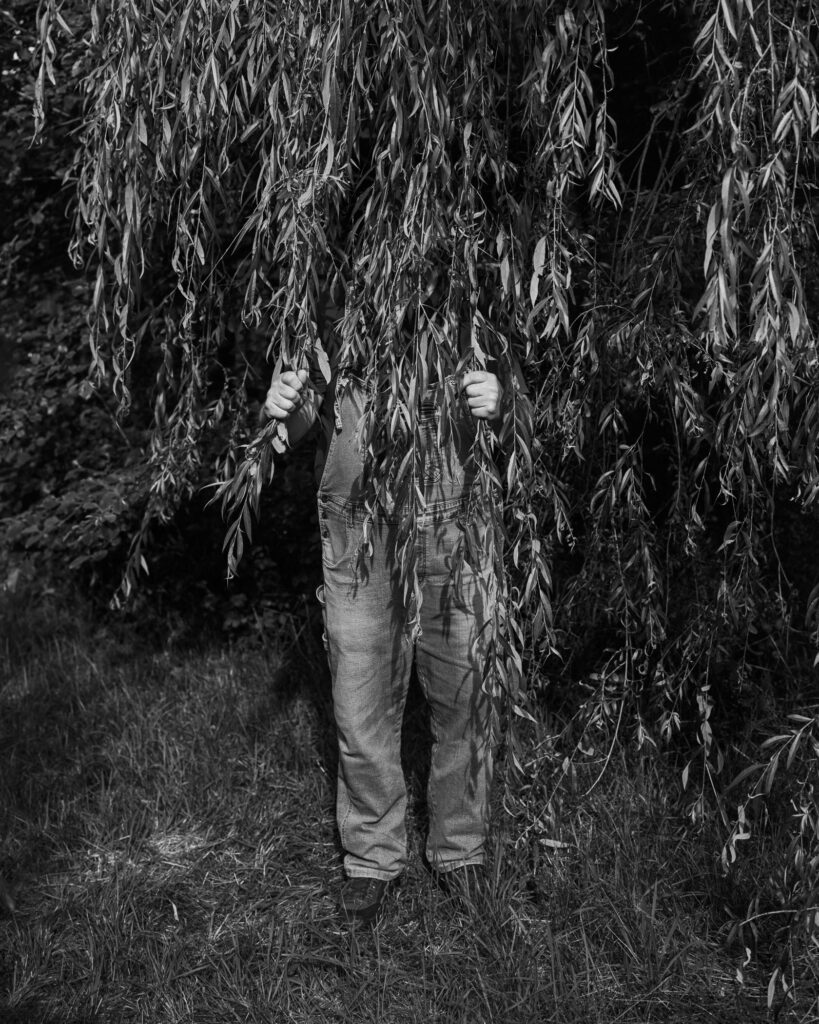
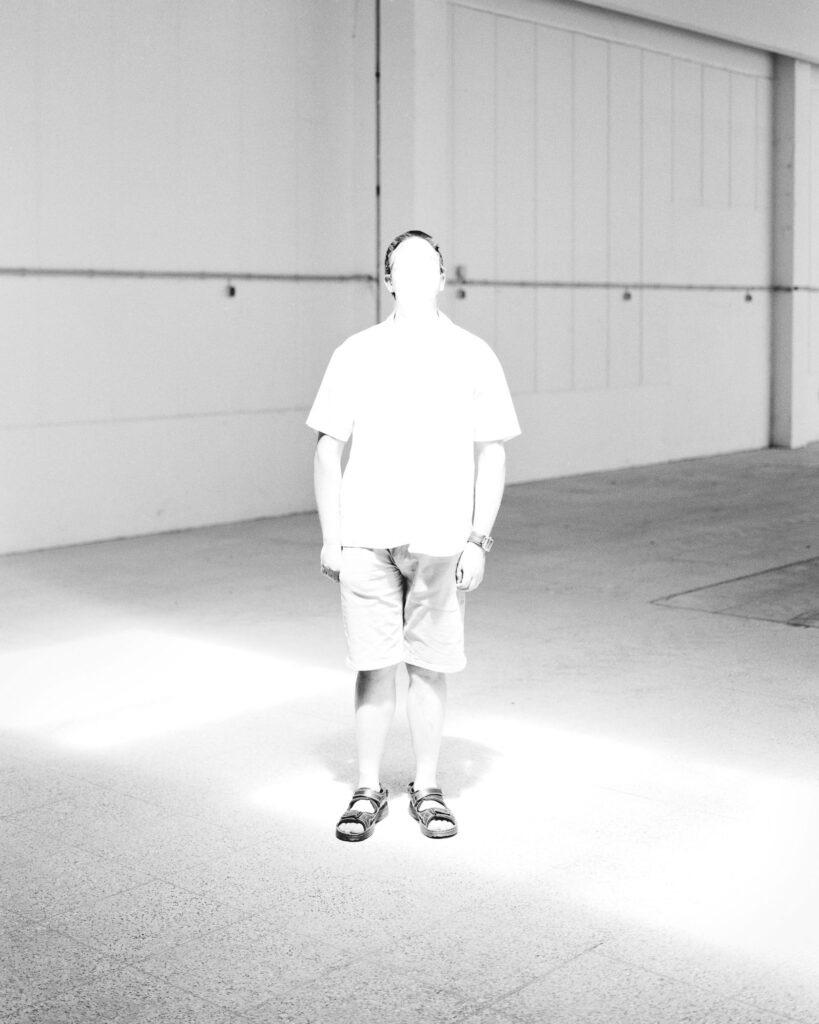
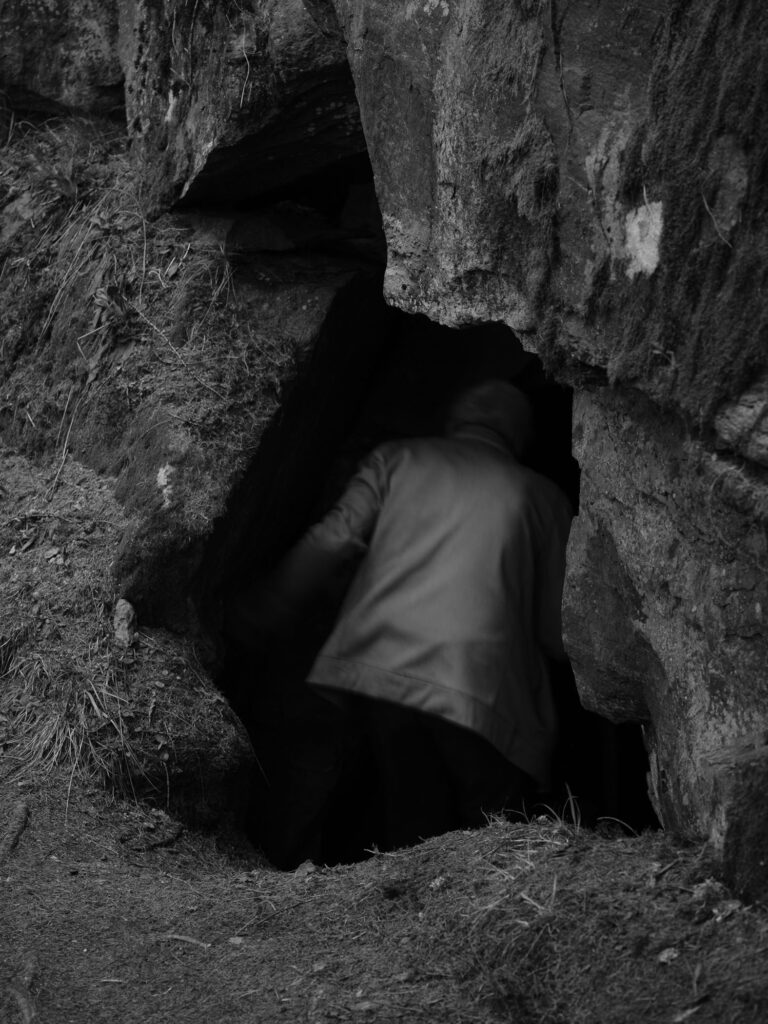
The work brings archival material together with photographs and reenactments. Bodies appear in places where images are missing. These reconstructions remain deliberately fragile, carrying the gaps and uncertainties of the material they draw on. The present enters the image, and the attempt to approach the past stays visible.


I often thought of Walter Benjamin’s image of excavation. For me, remembering meant working through layers, turning fragments over, leaving soil attached. It also meant considering where I stood in the terrain. I was looking for this history in the place I come from.


EXHIBITION
2025 – Auf den Zweiten Blick – NS Zeit im Ötztal, Ötztaler Museen, solo, Längenfeld, AT 

InfoX
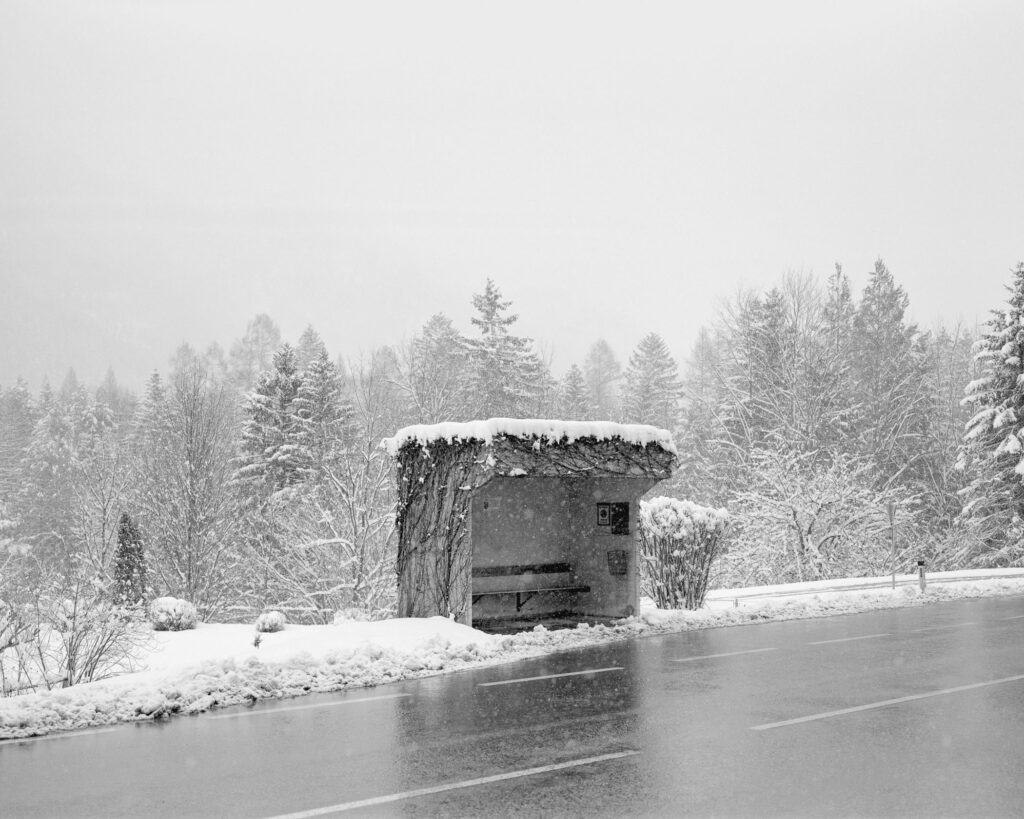
ES WERDE SCHNEE
A Search for Traces of Snowmaking in Alpine Landscapes

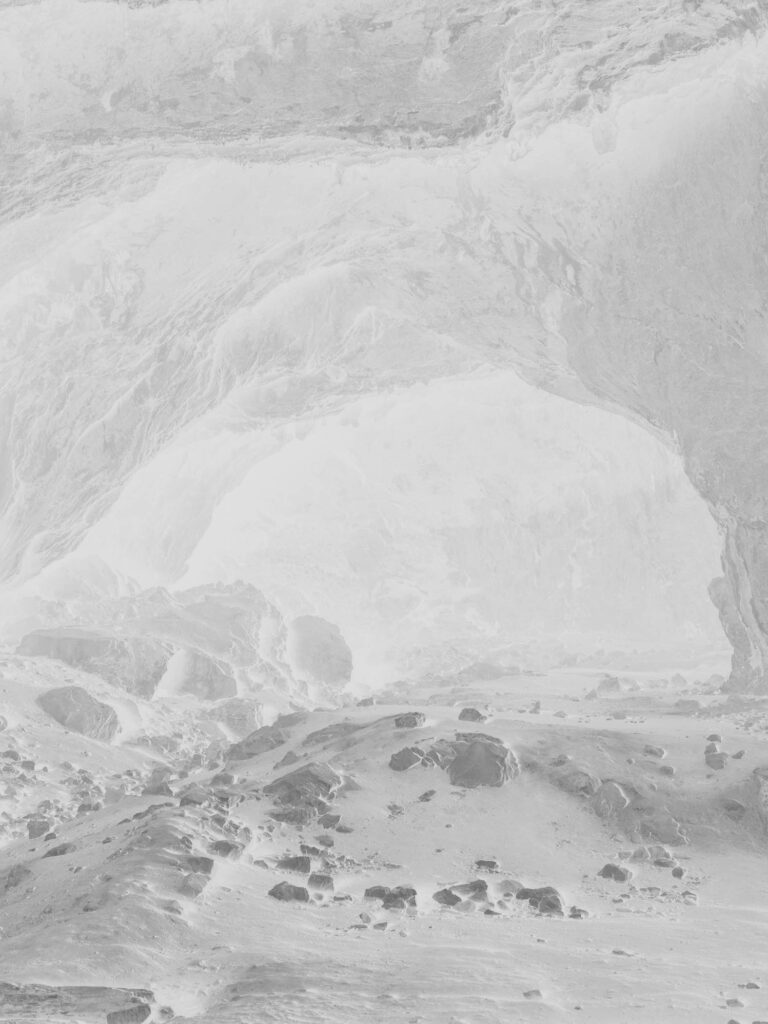
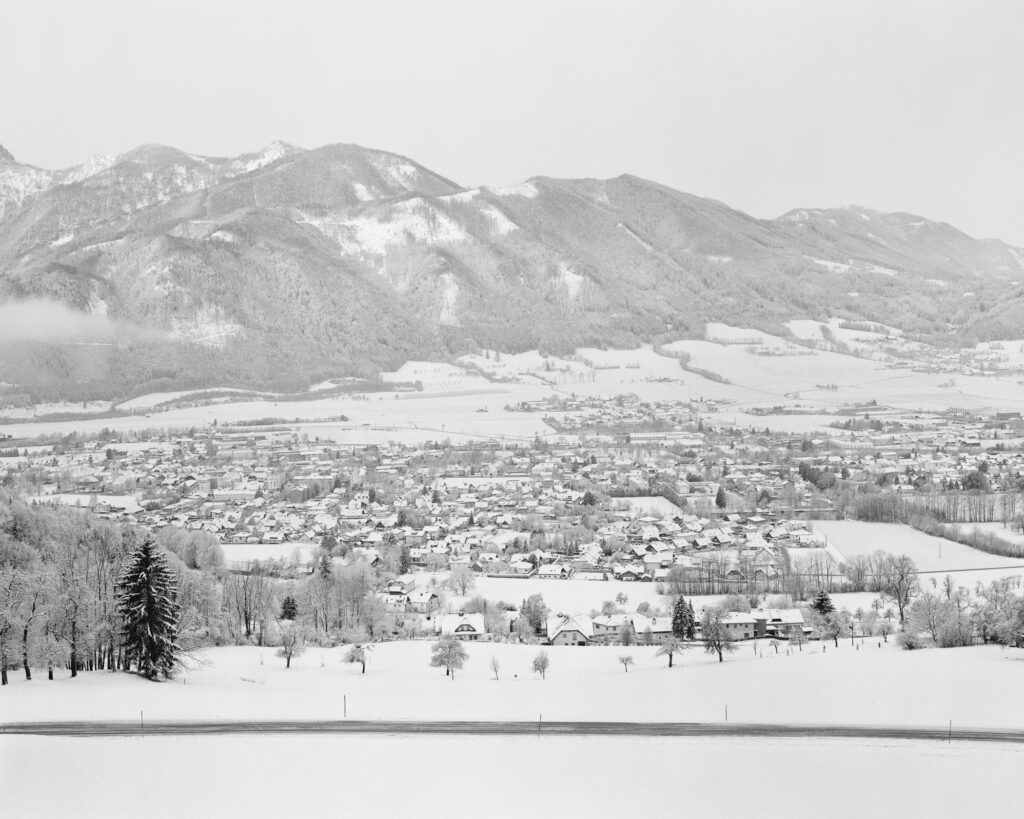
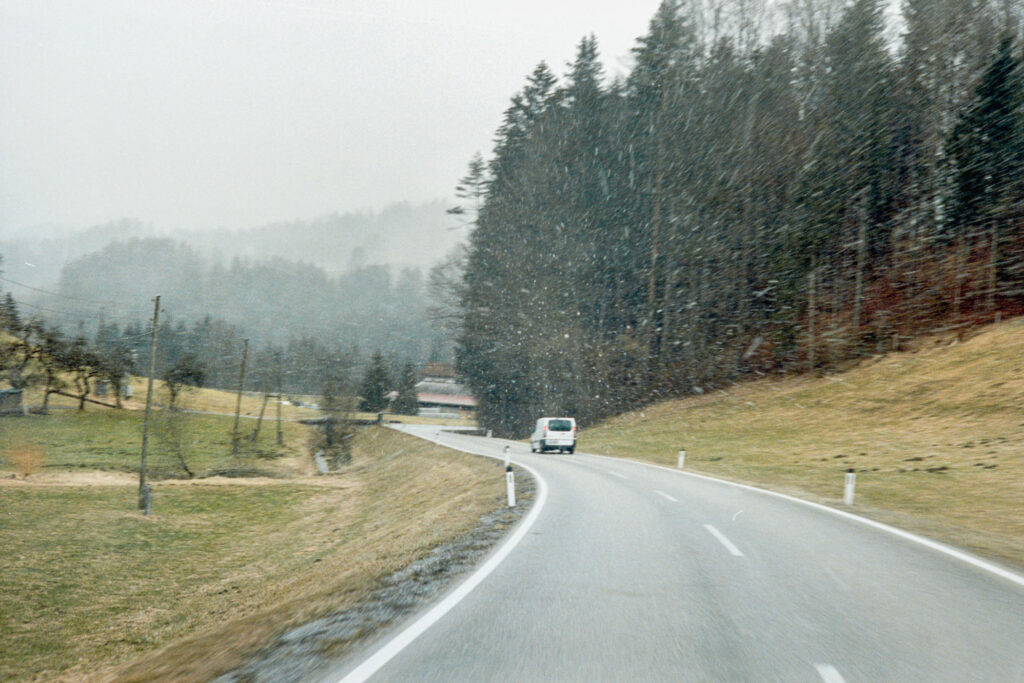
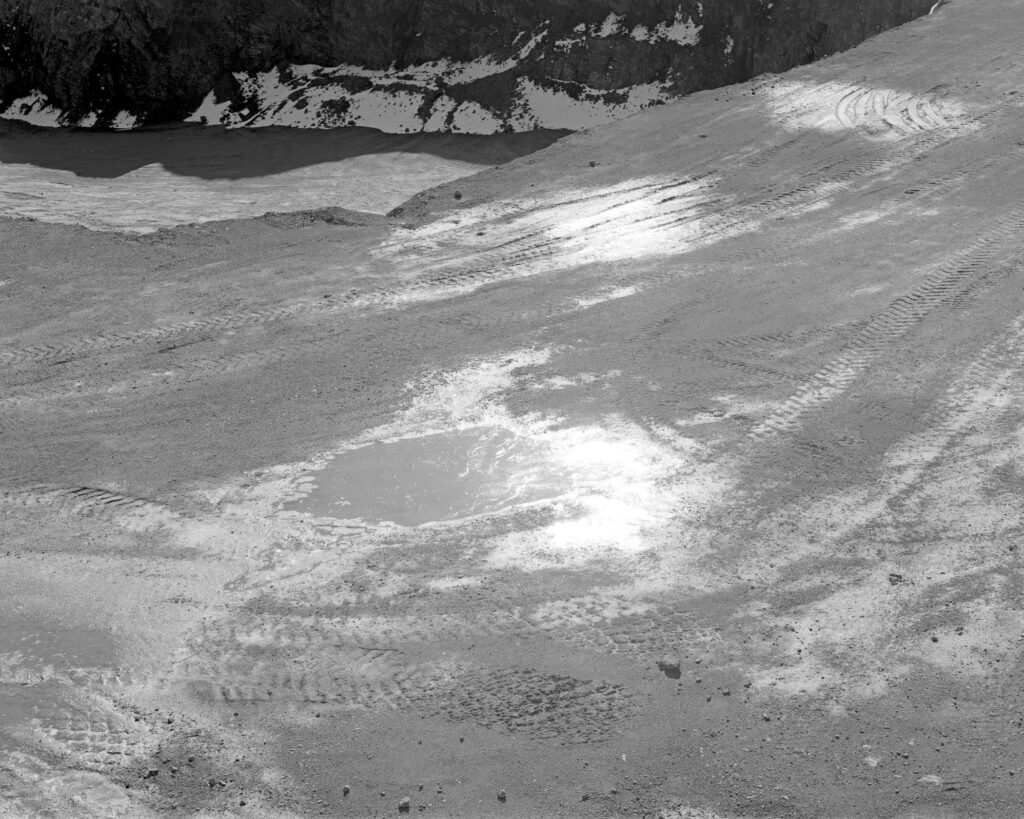
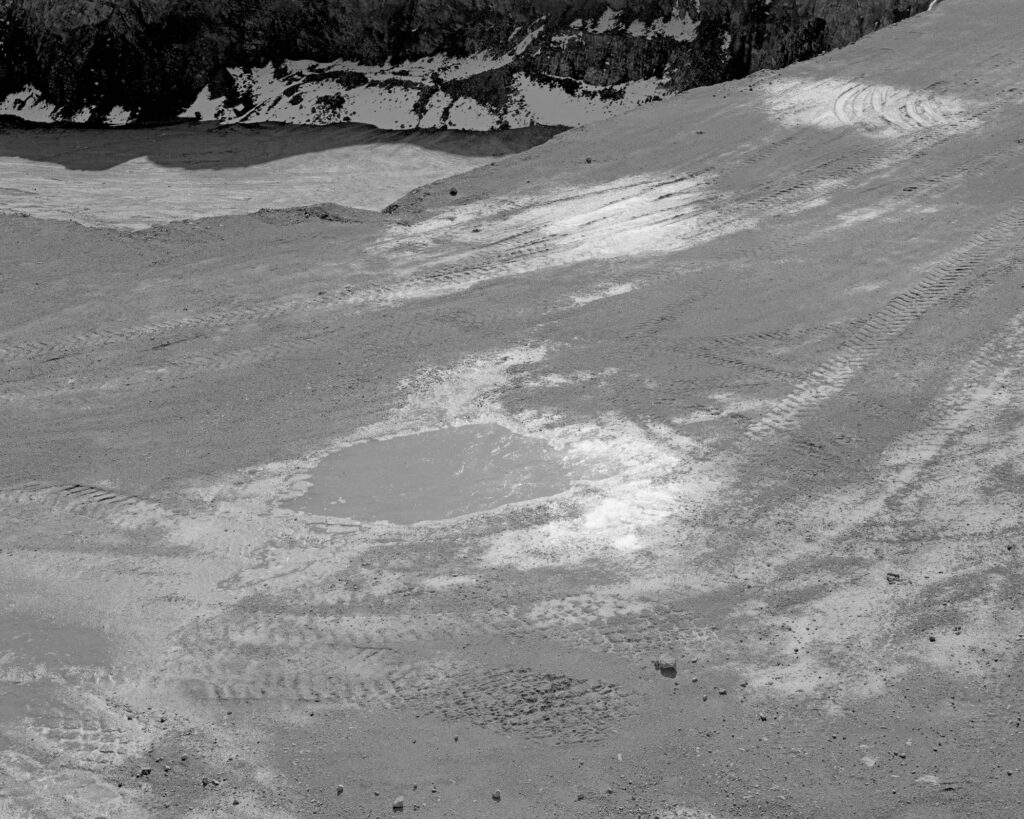
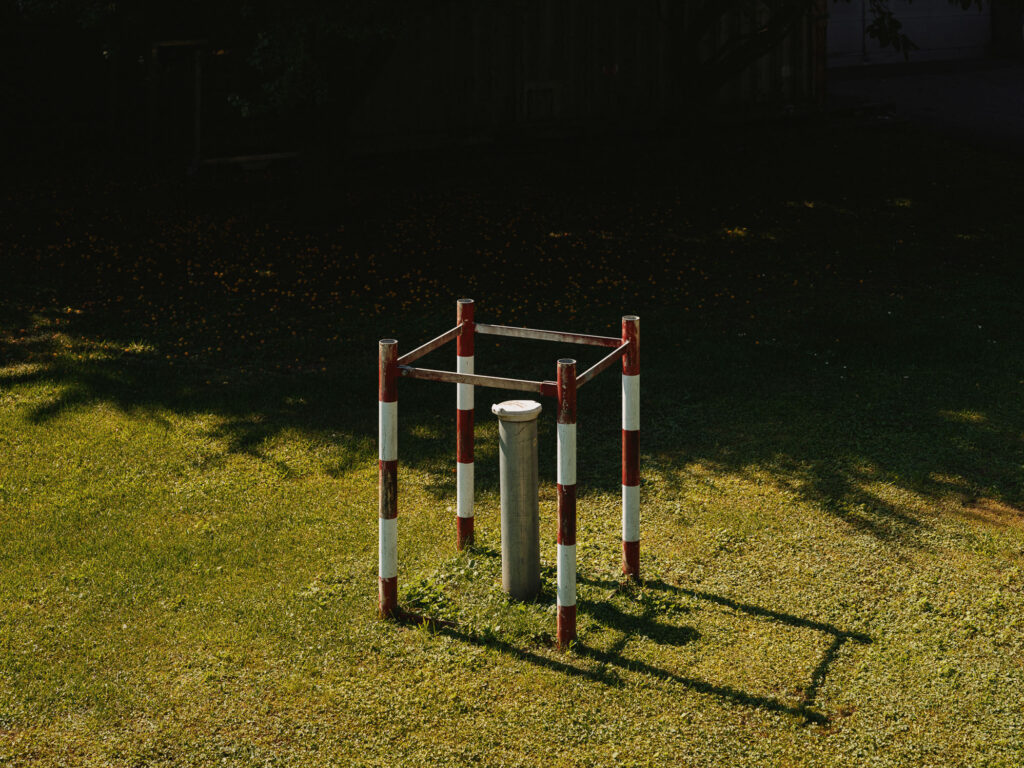
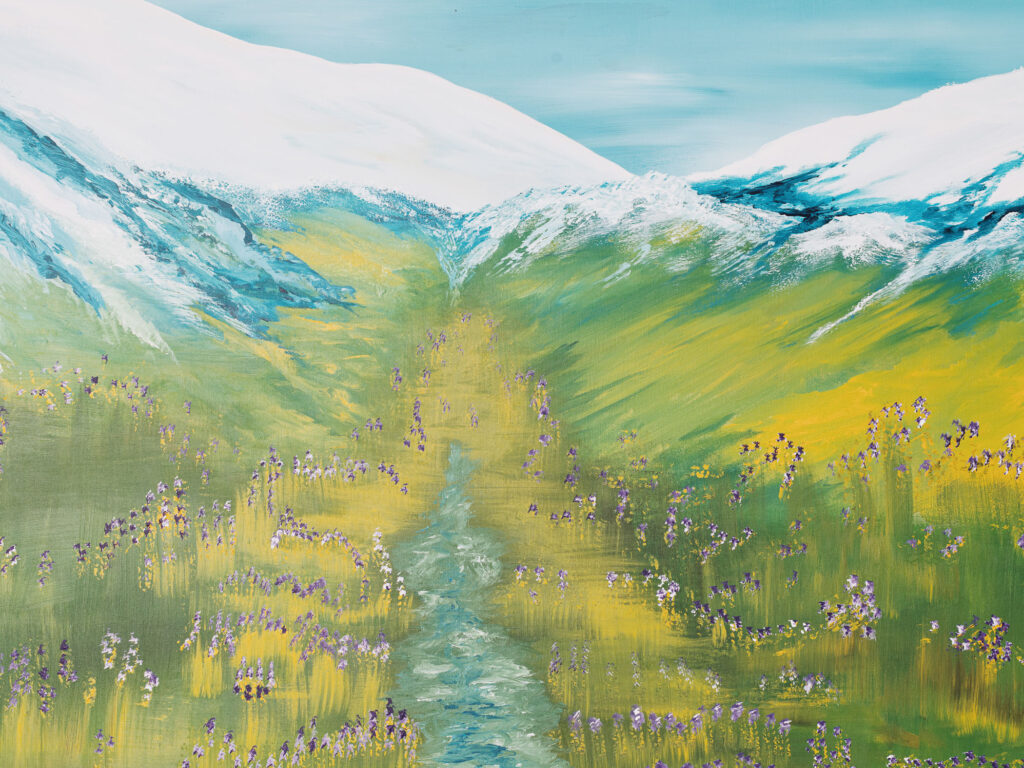
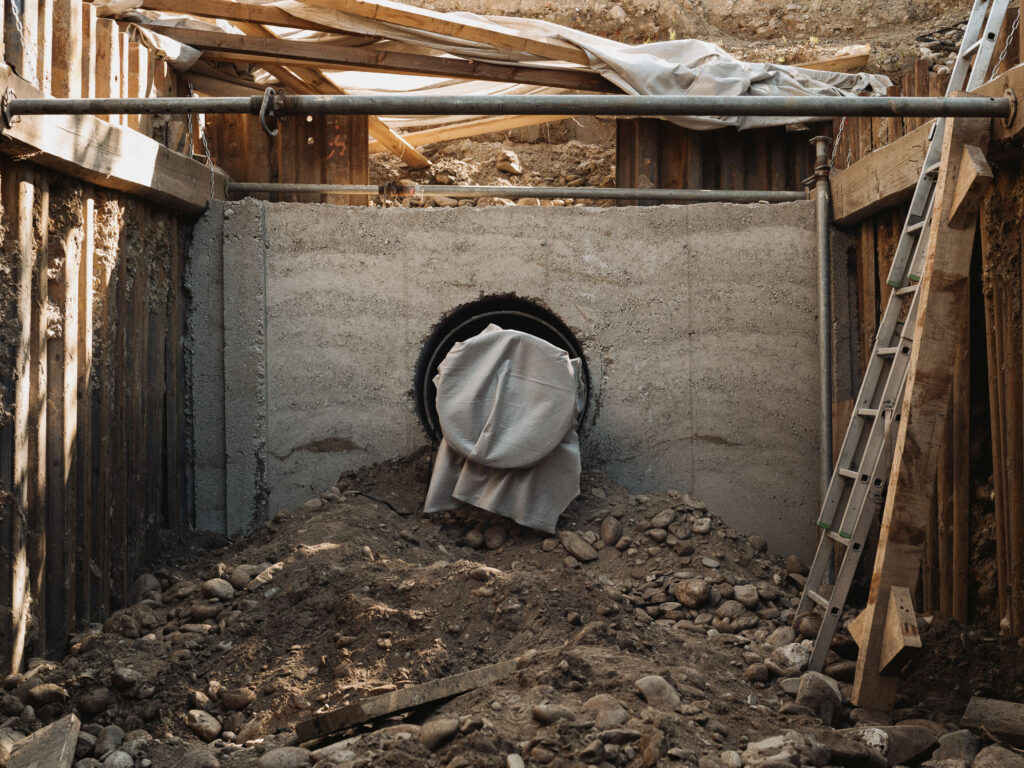
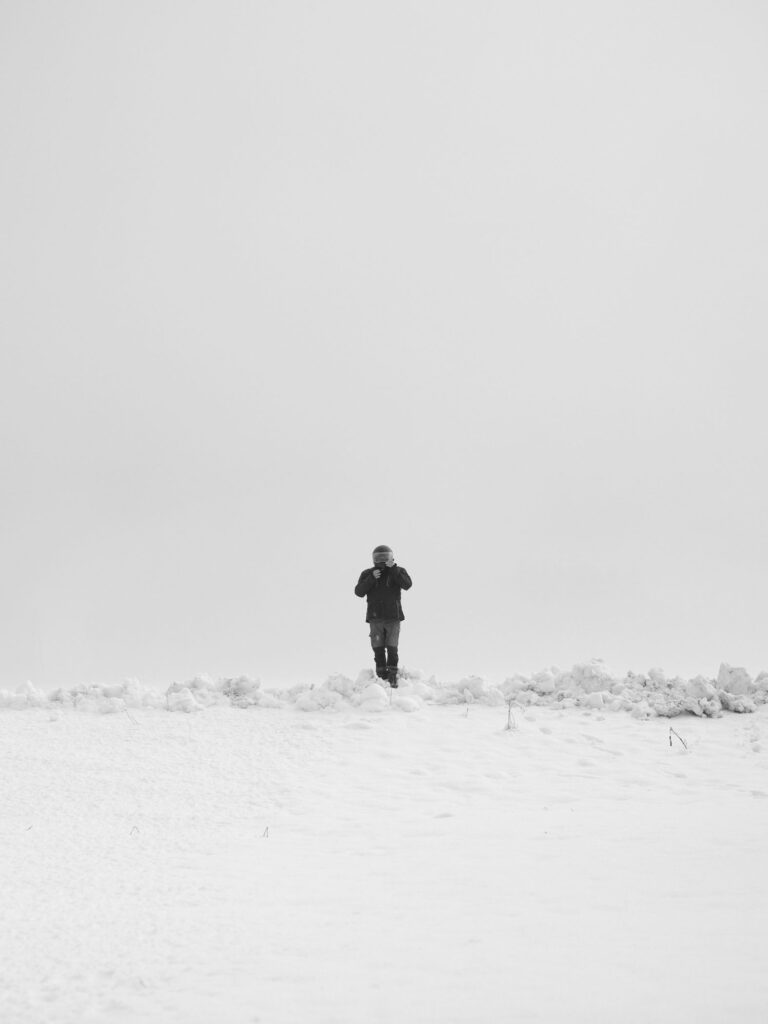
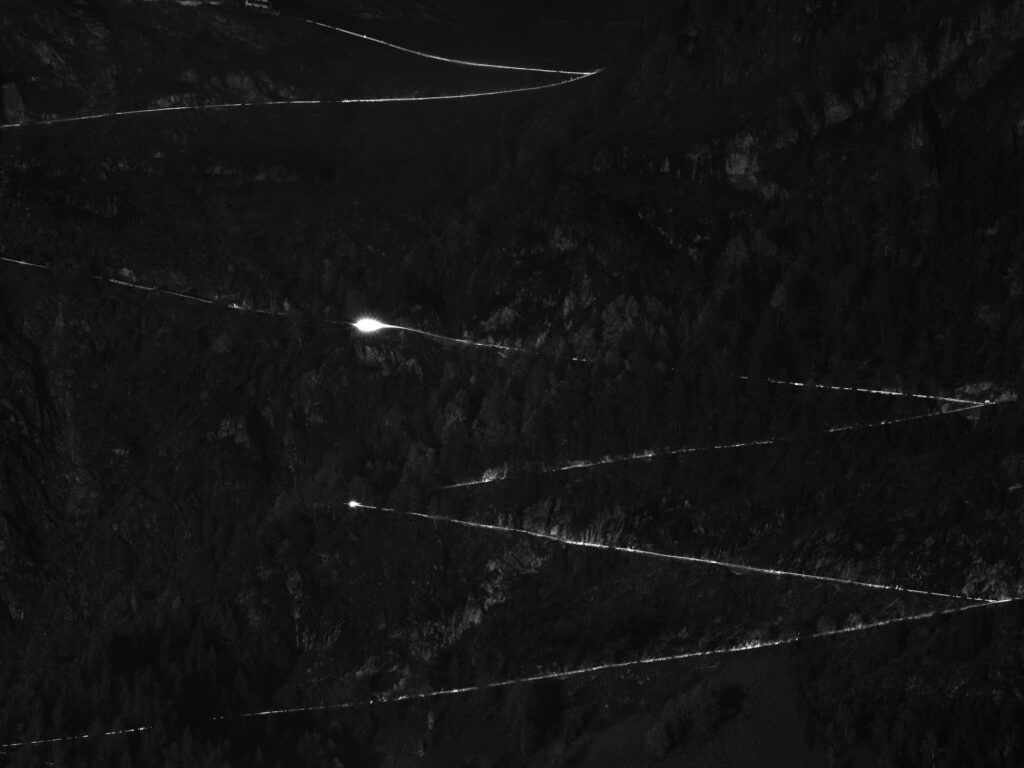
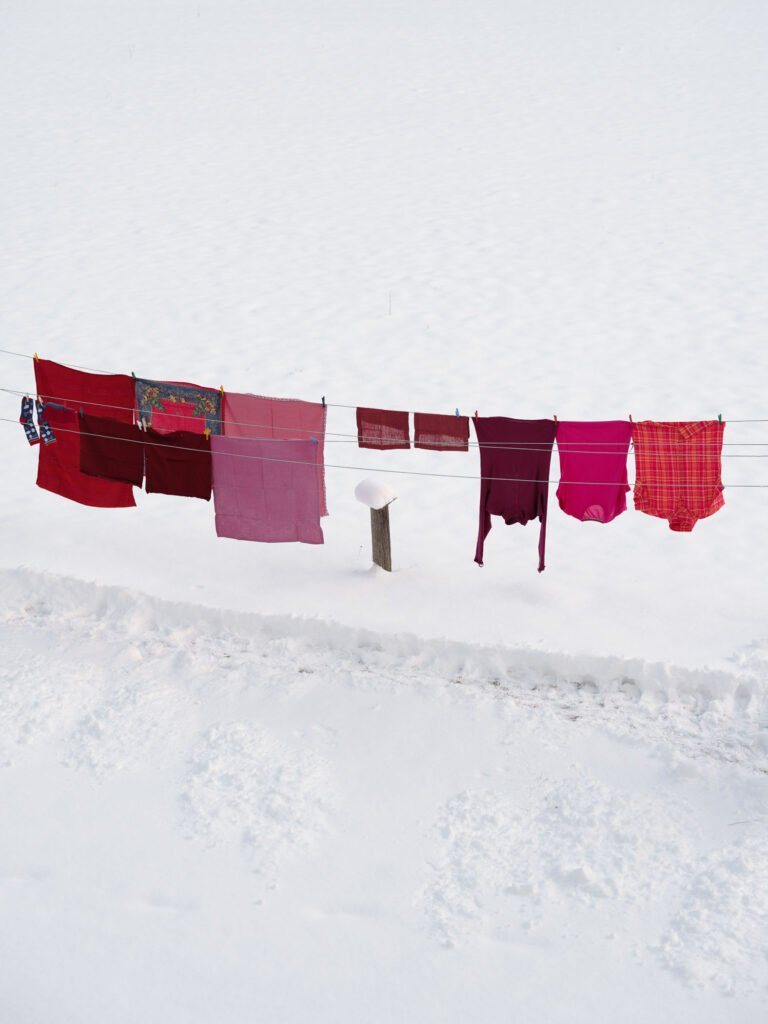
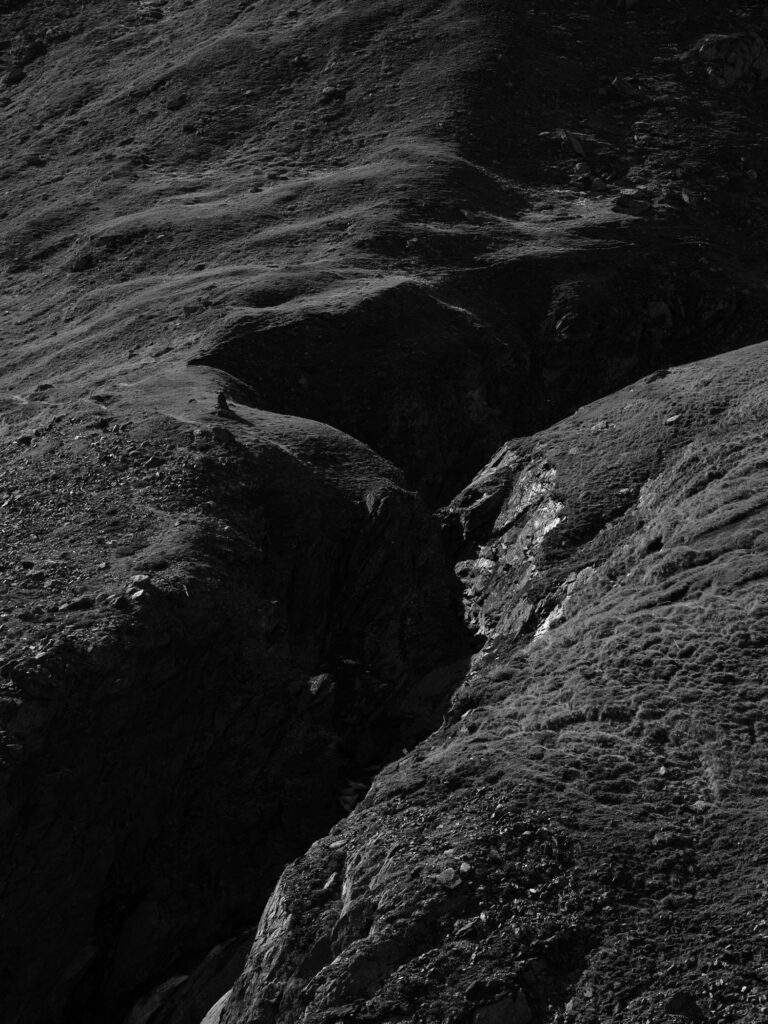
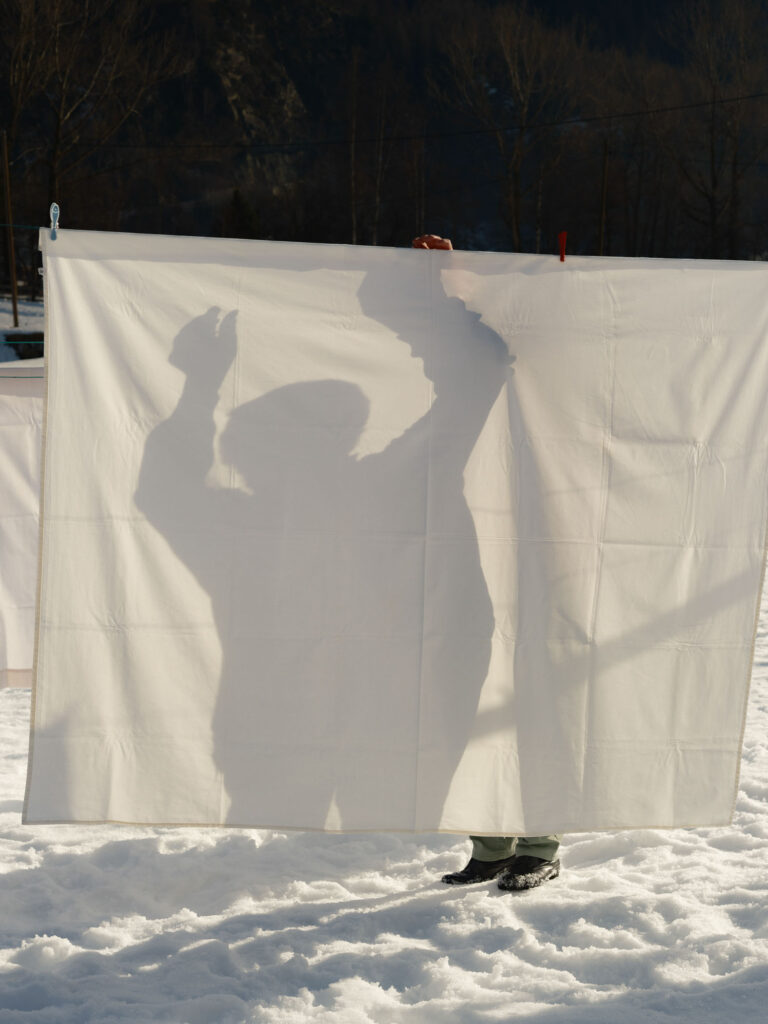
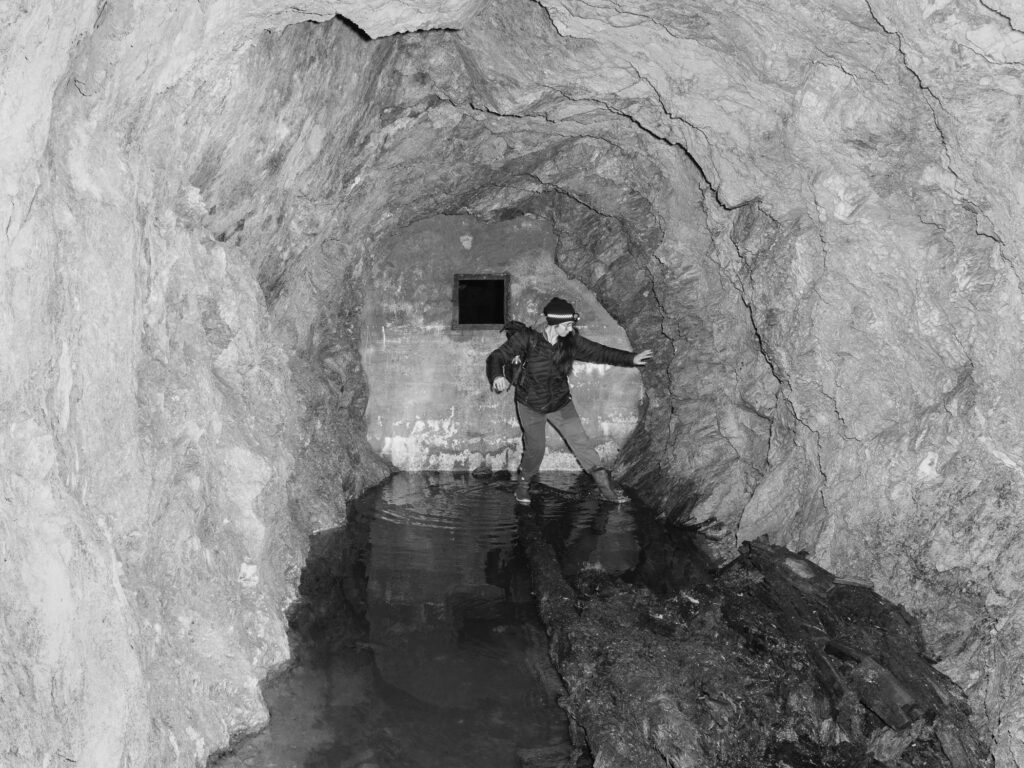
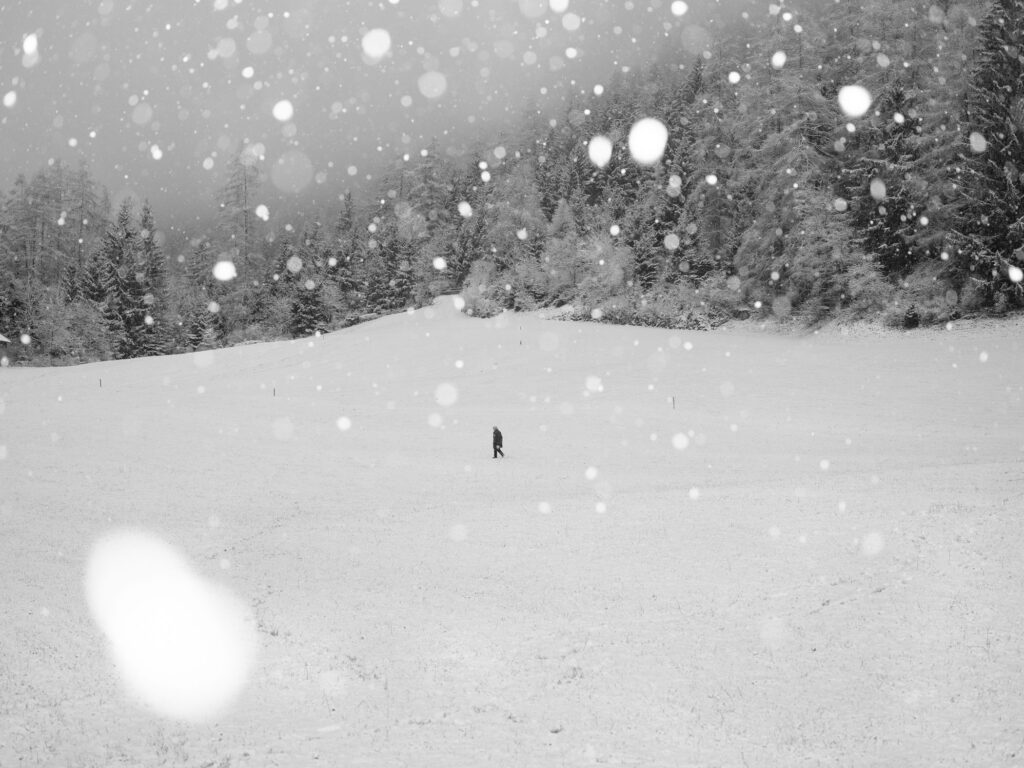
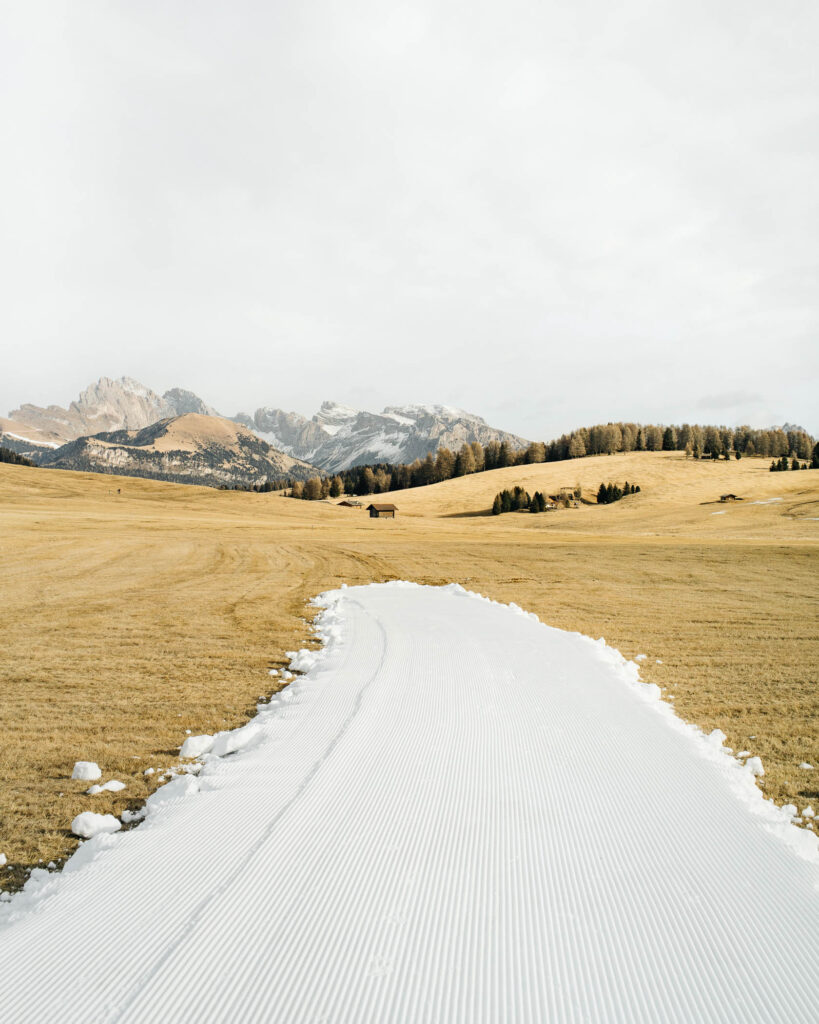
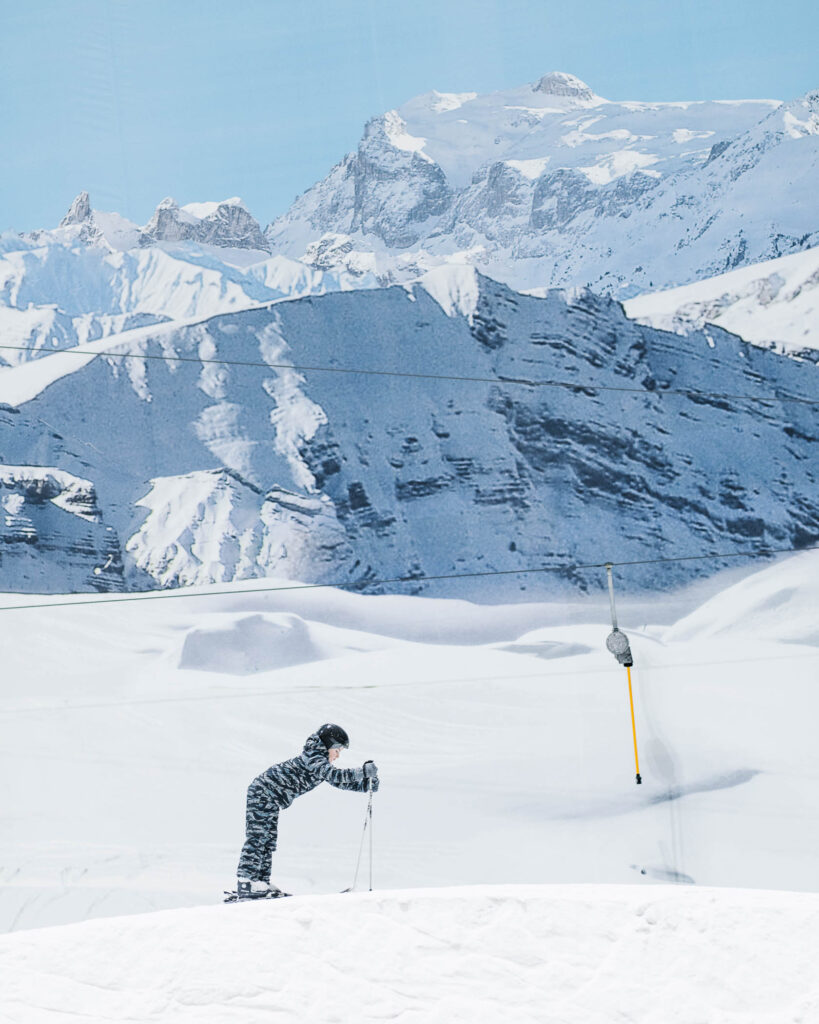
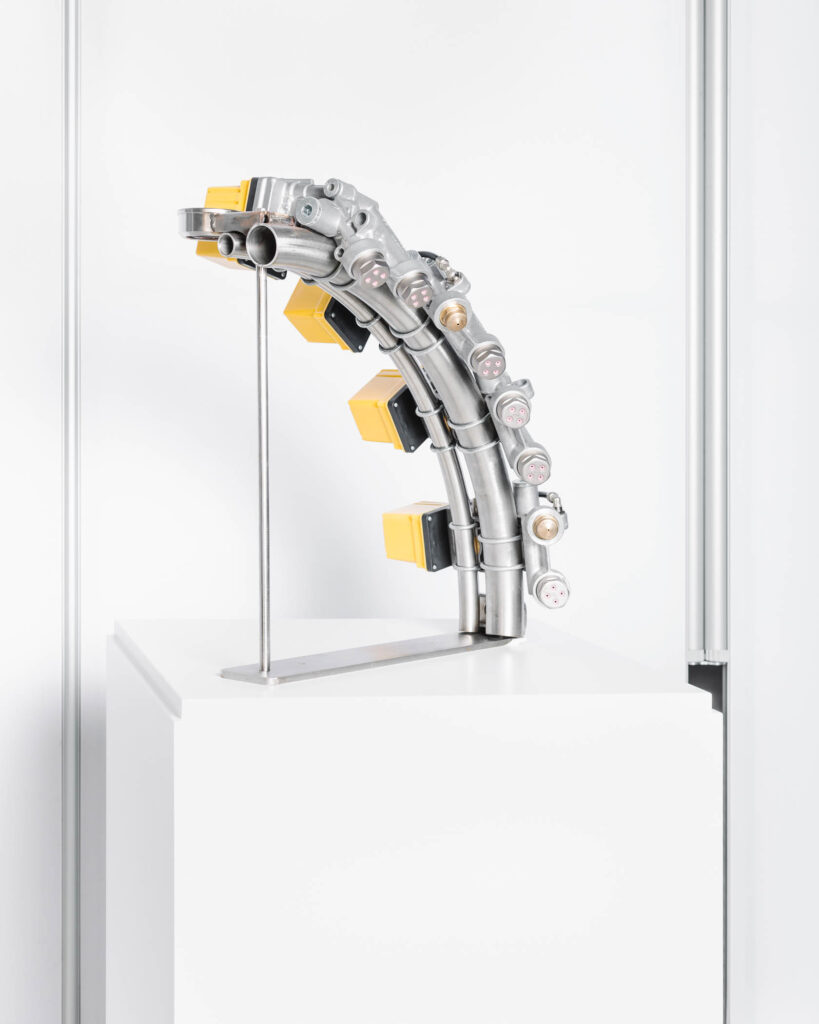
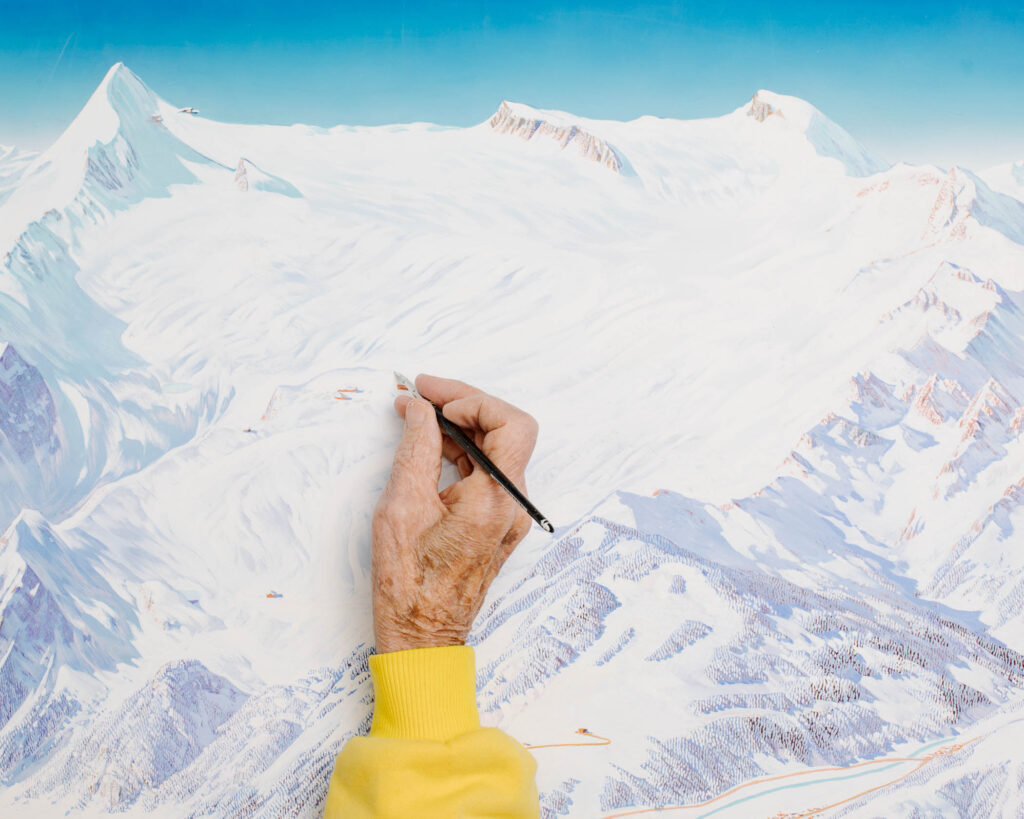
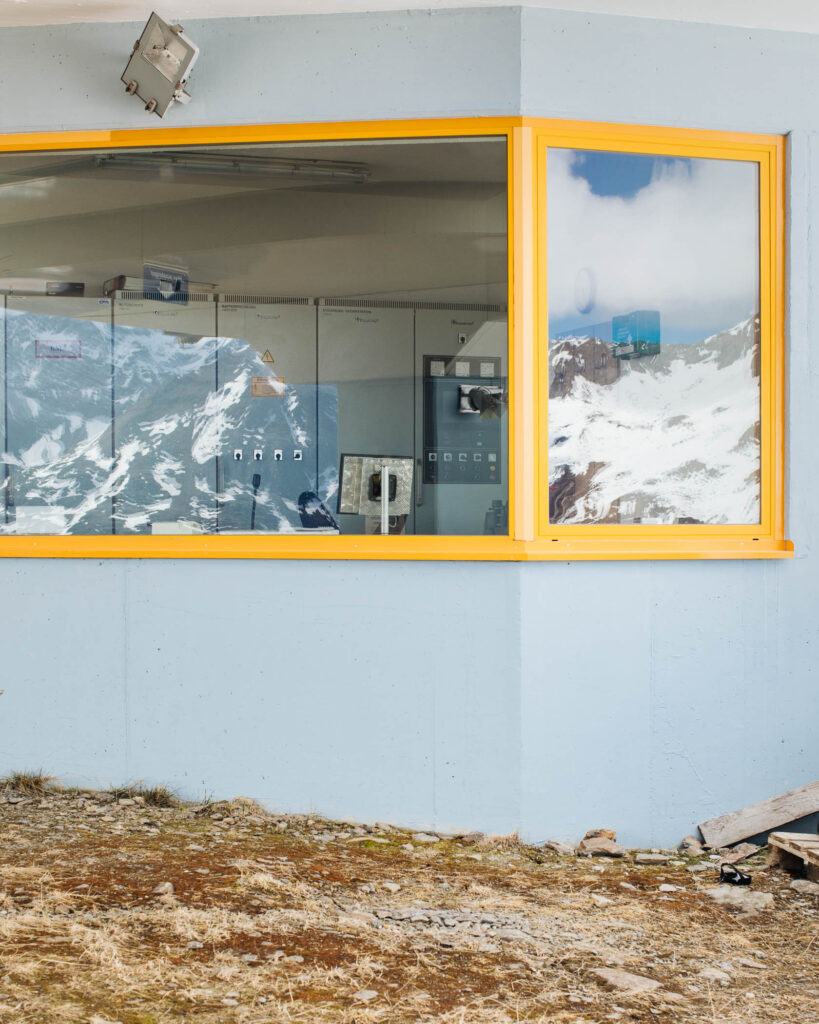
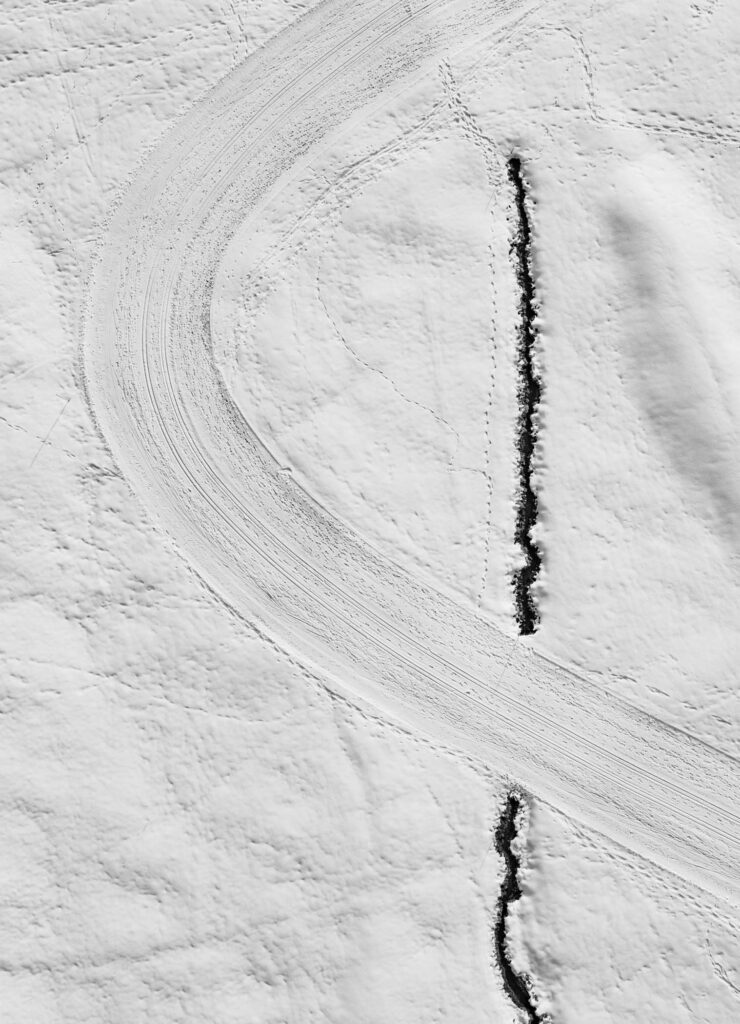
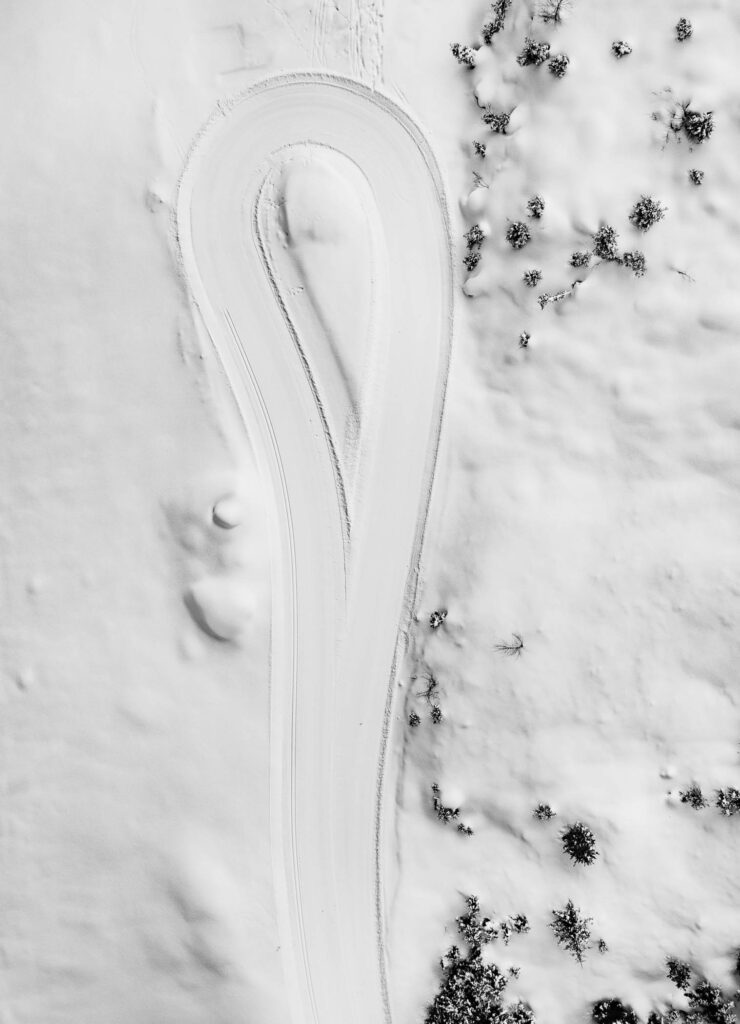
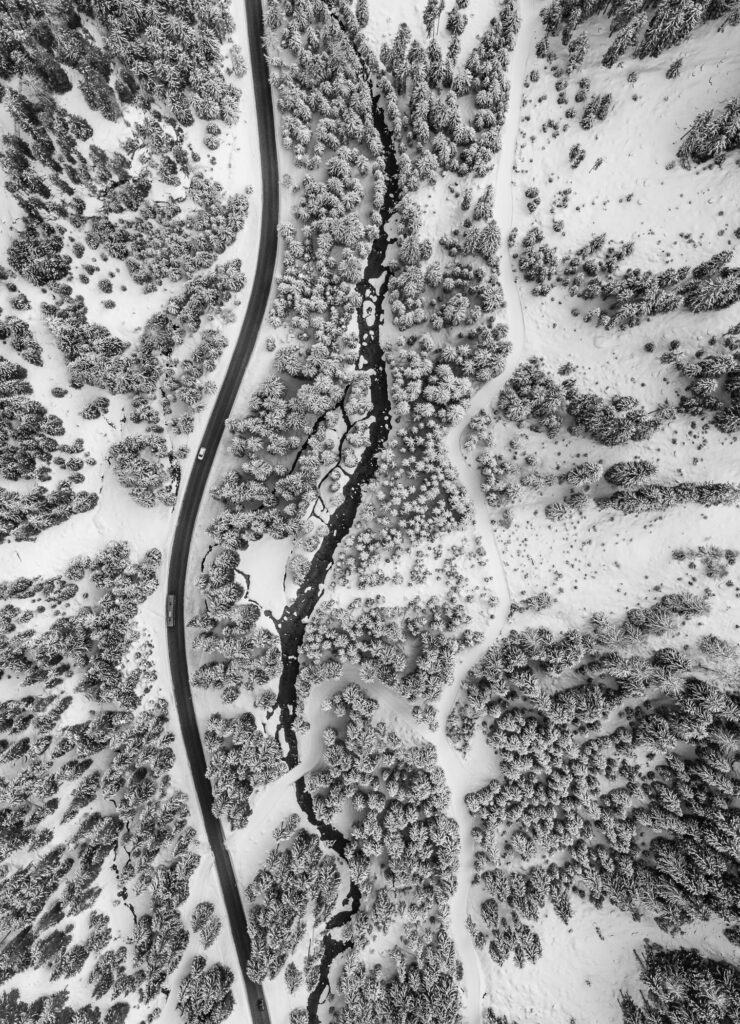
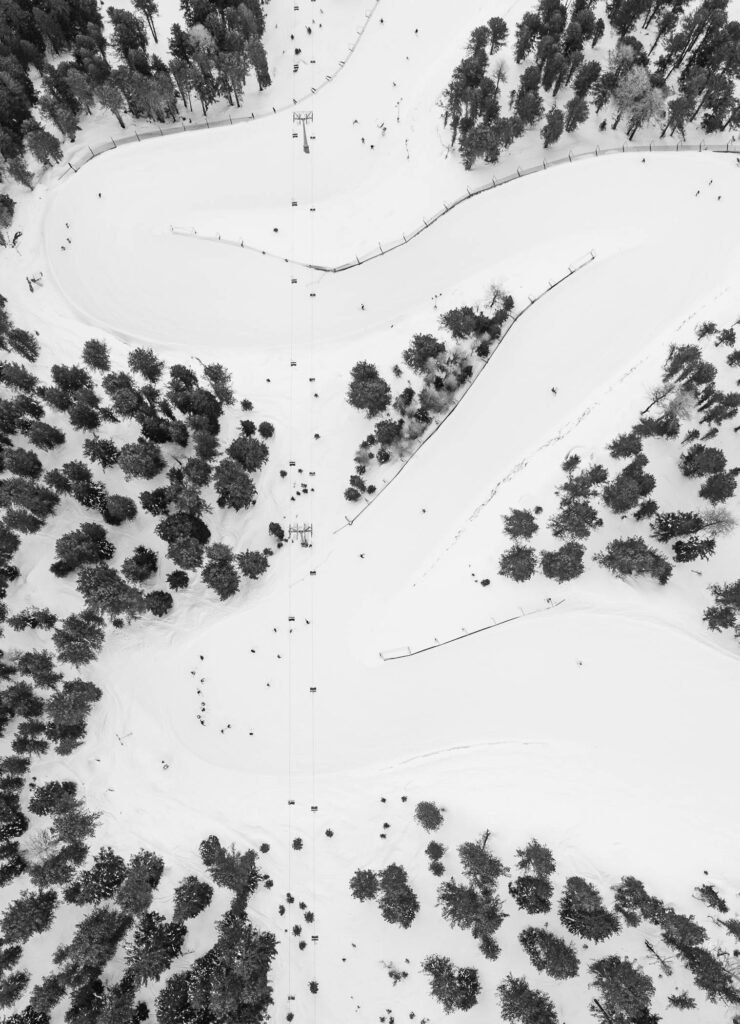
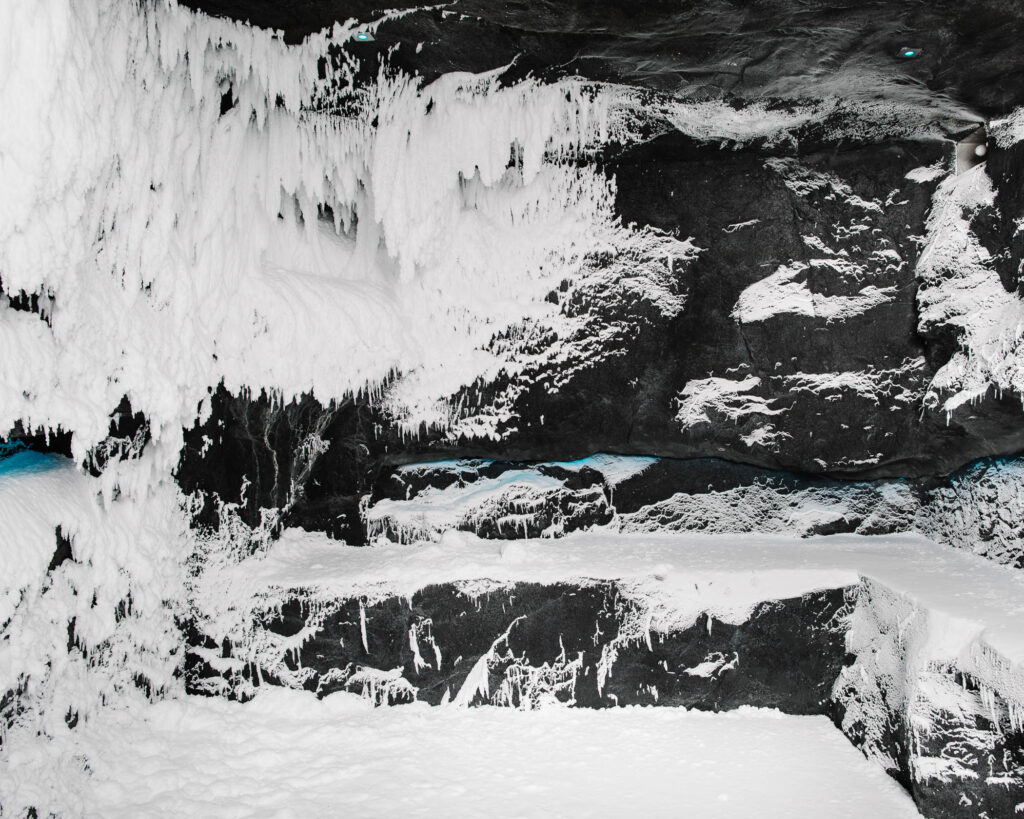
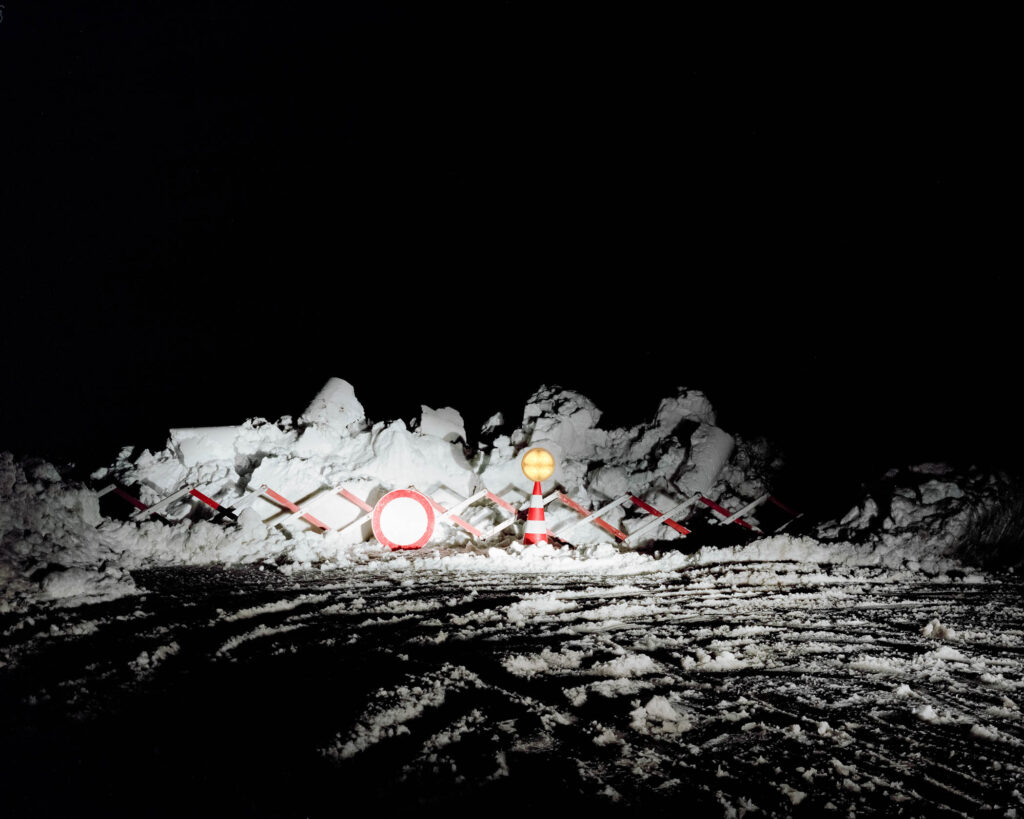
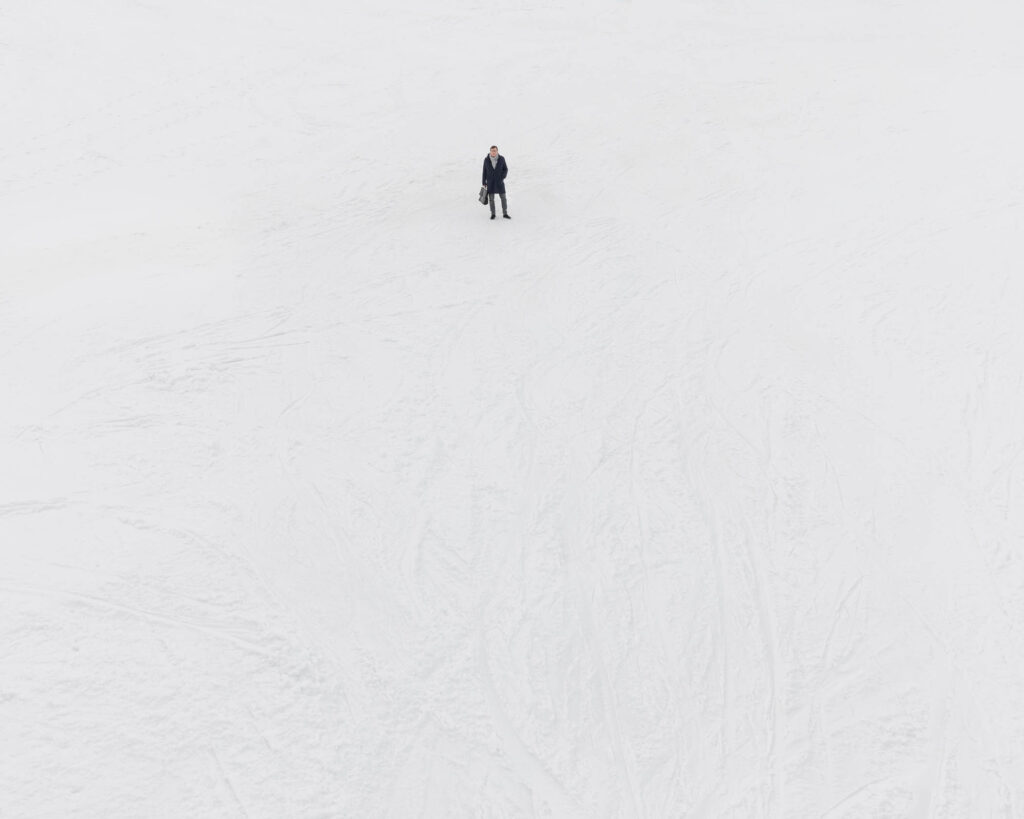
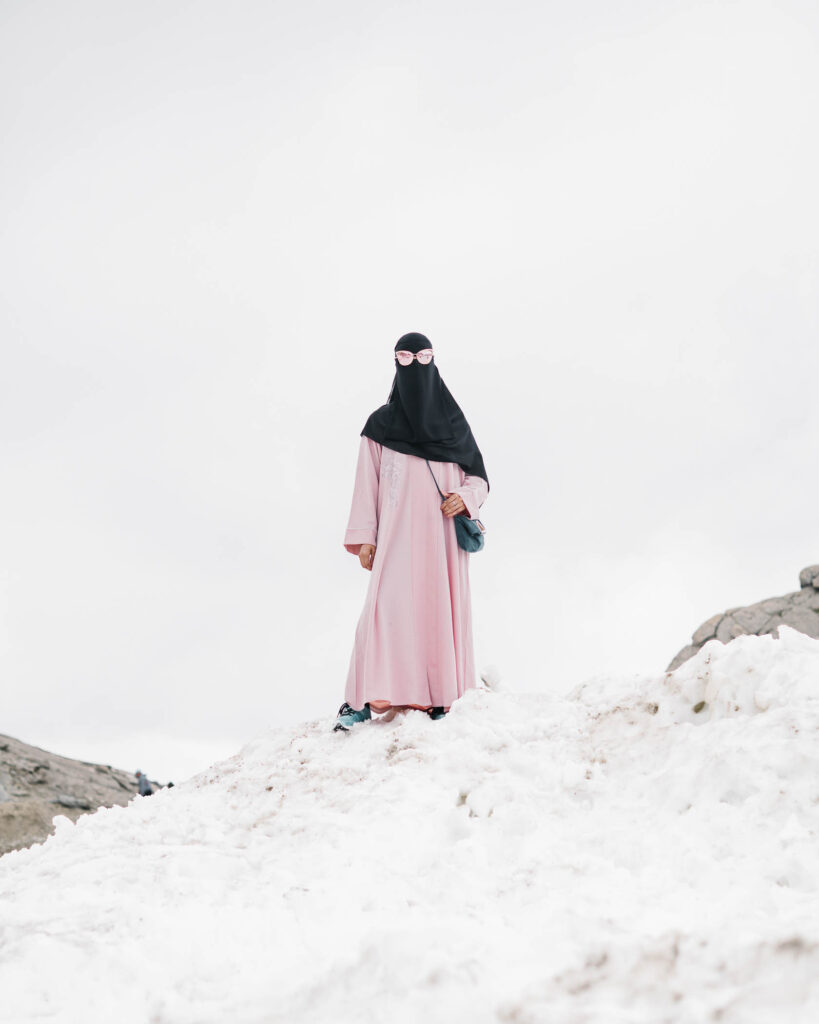
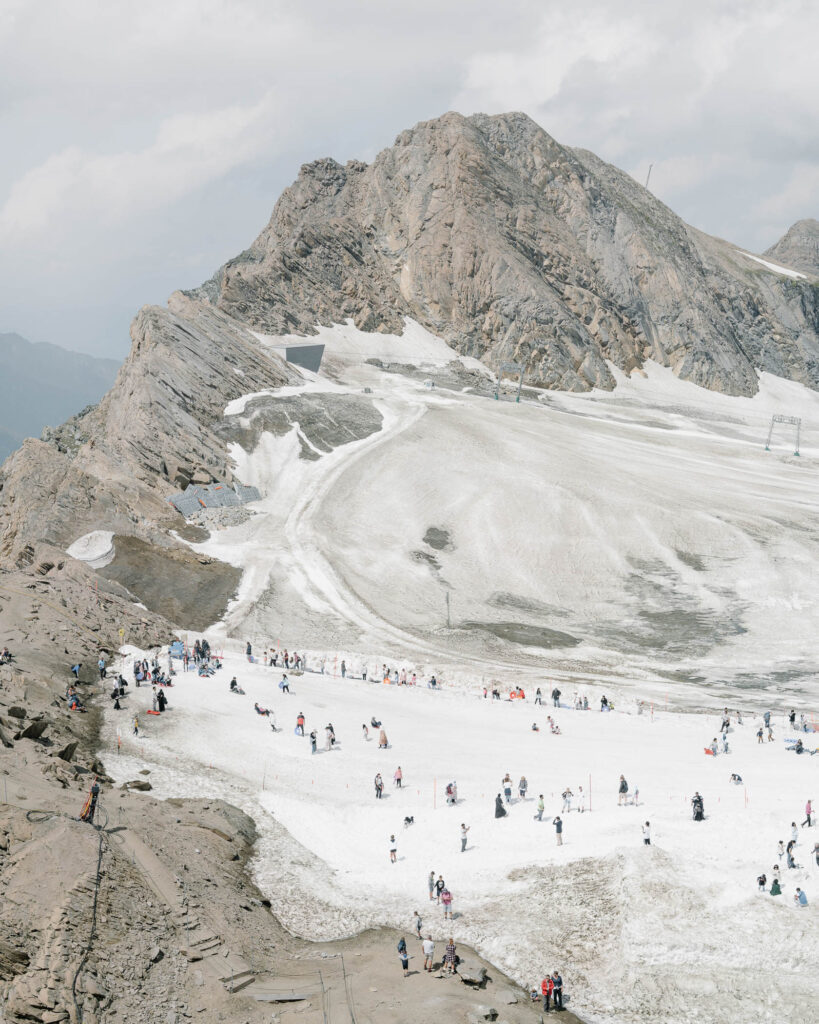
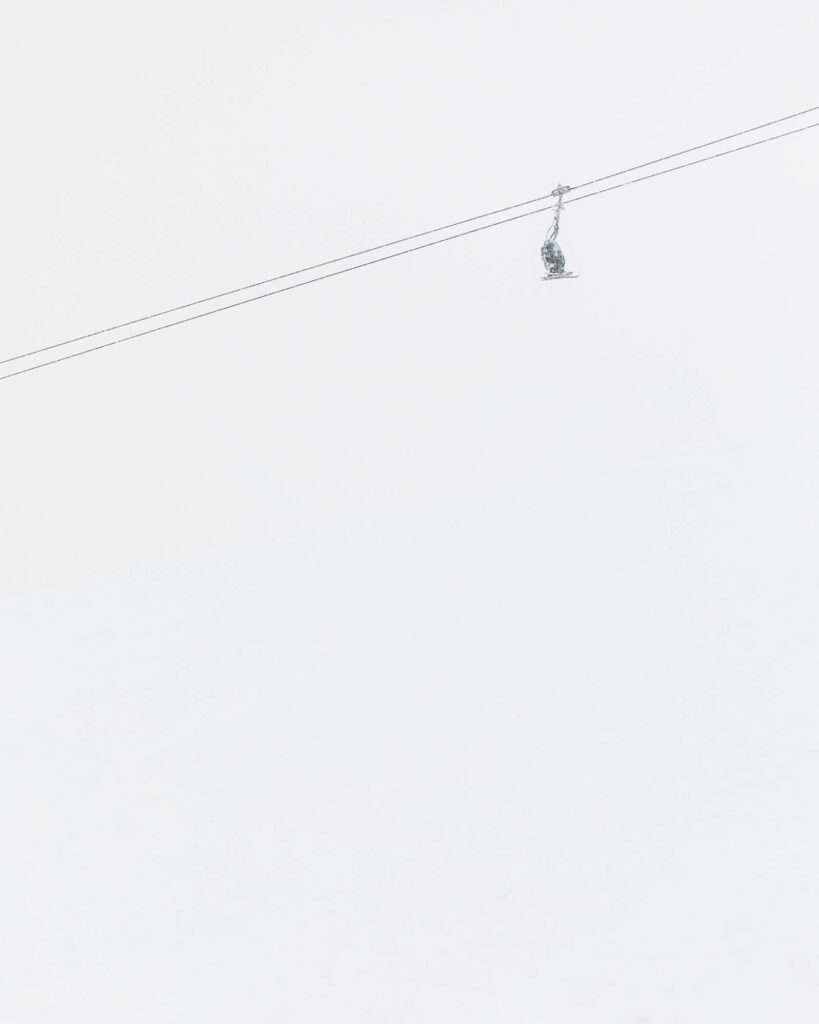
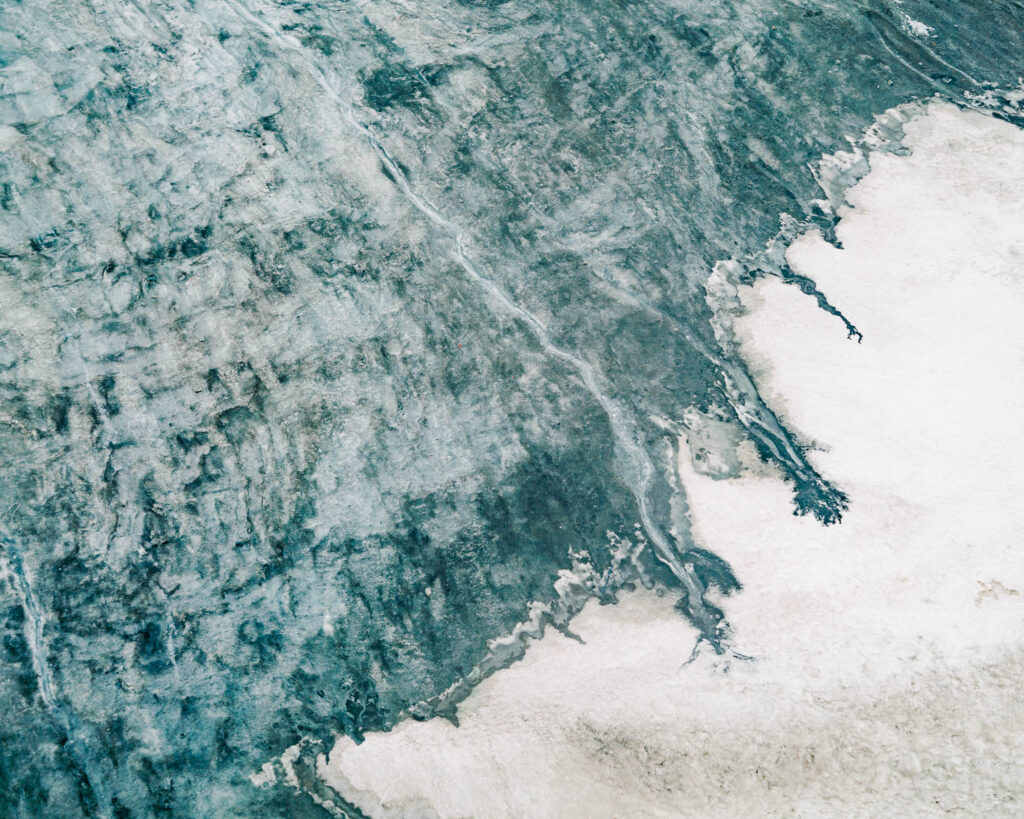
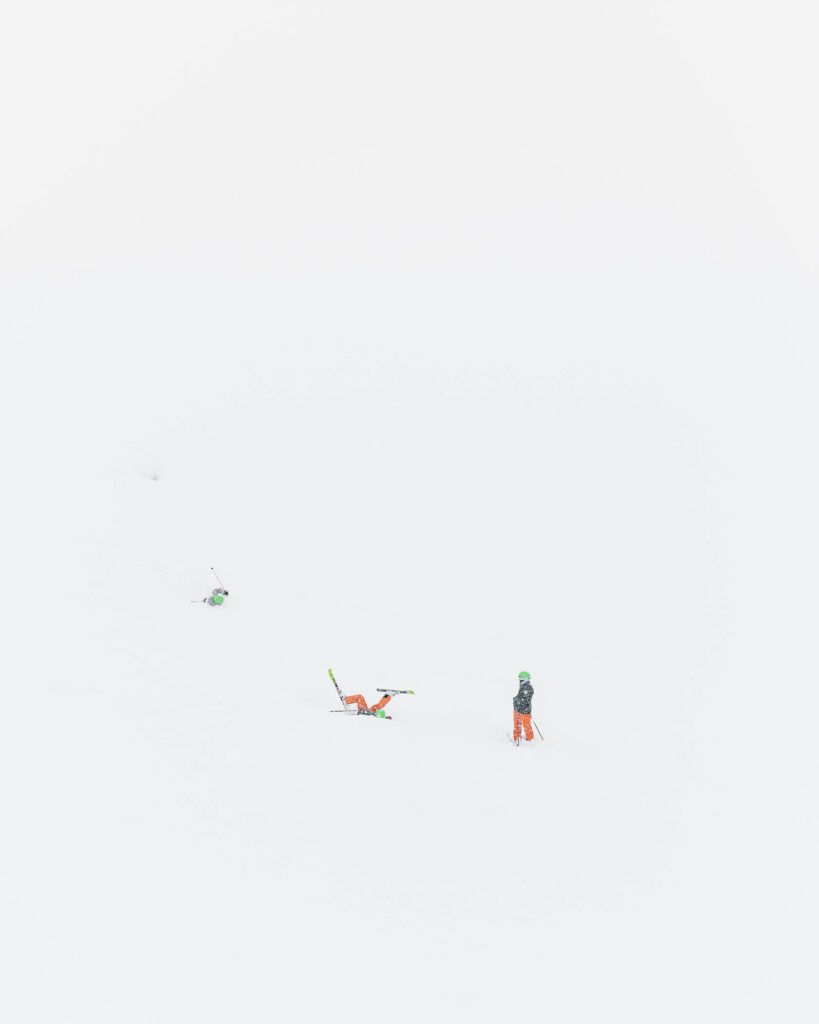
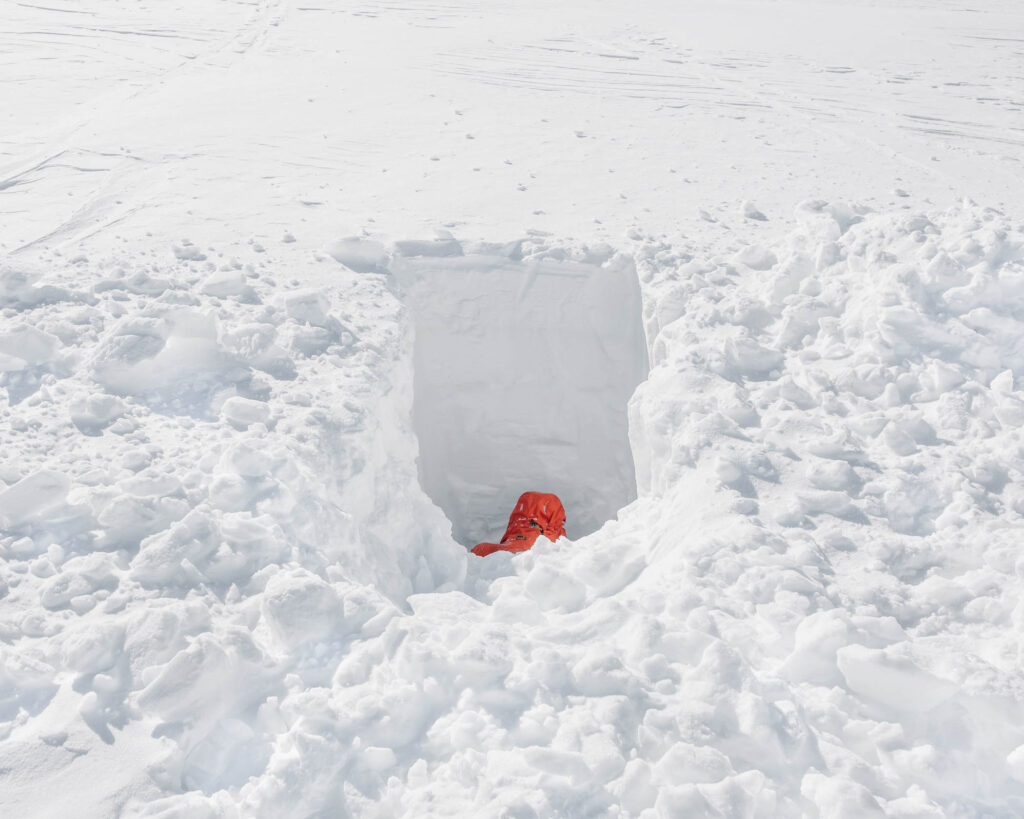
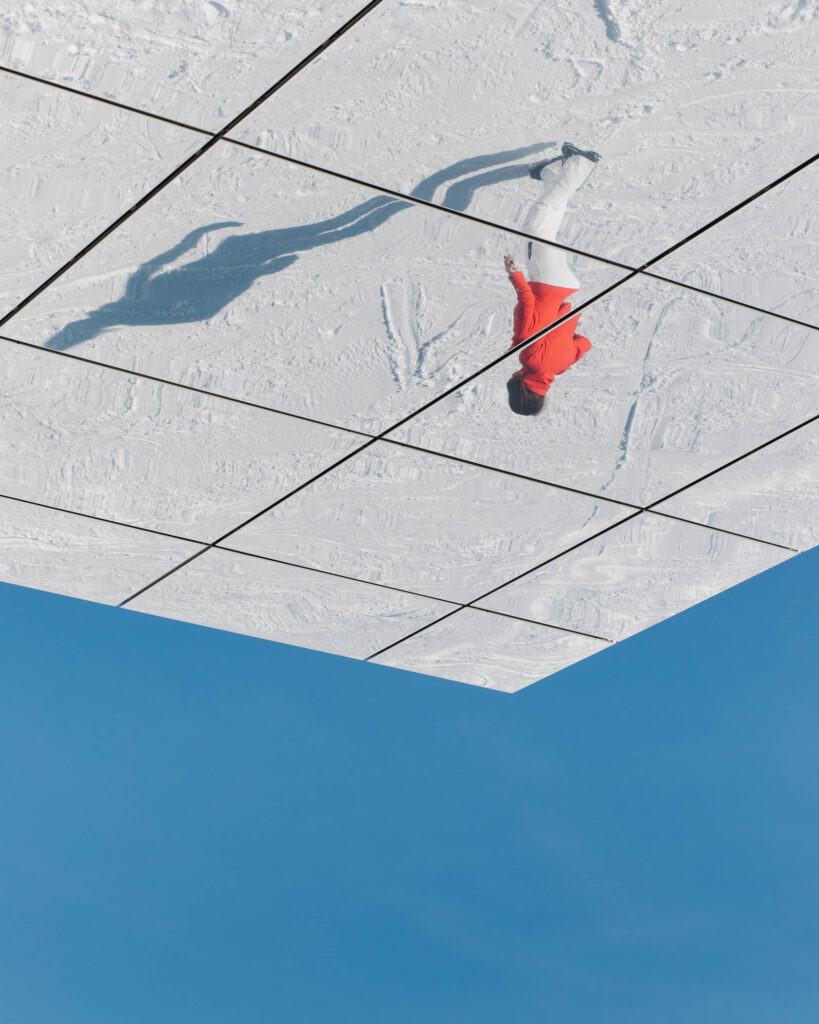
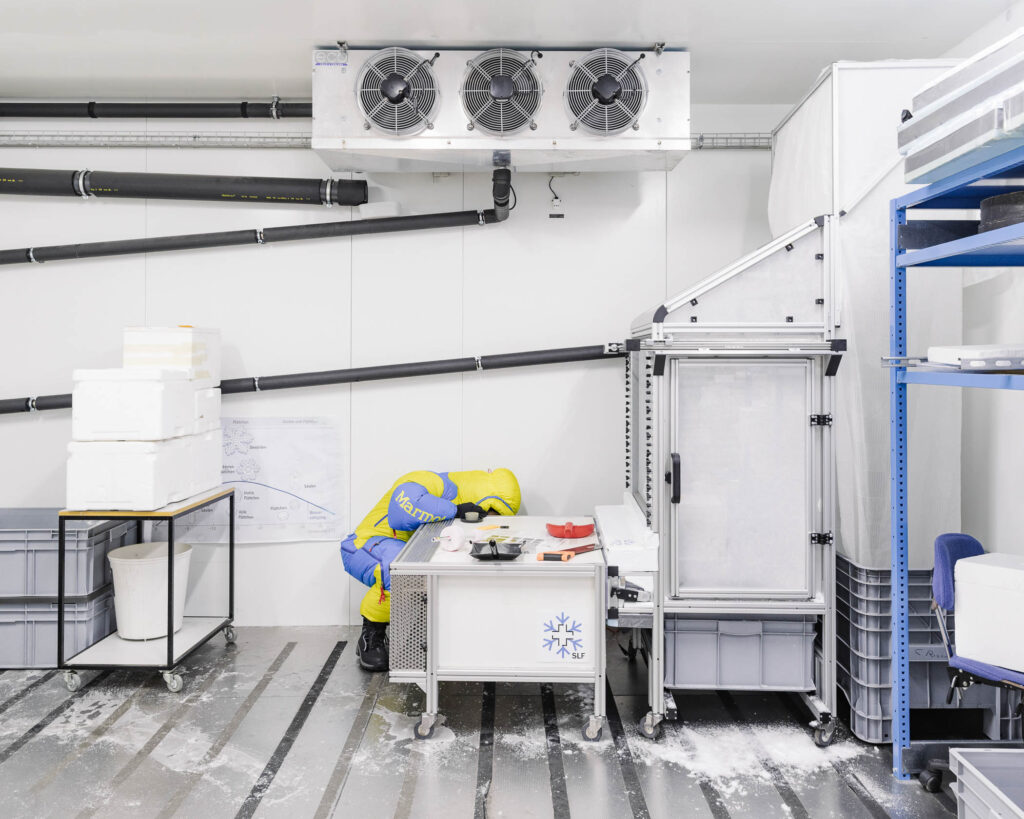
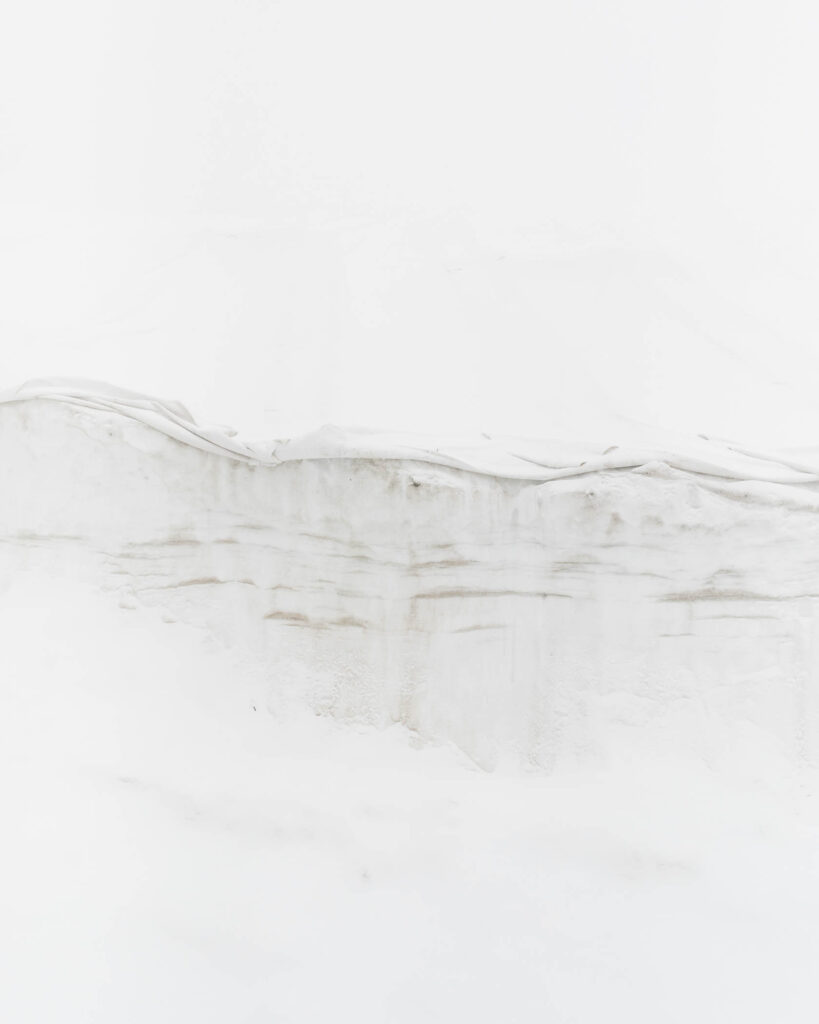
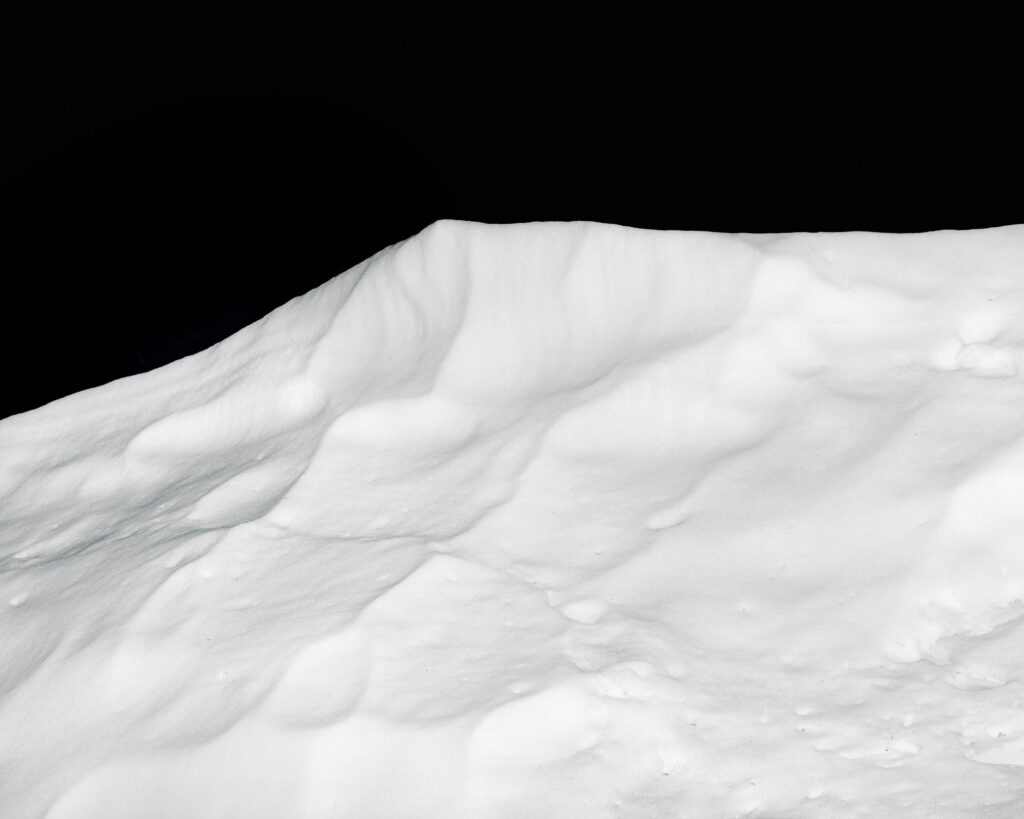
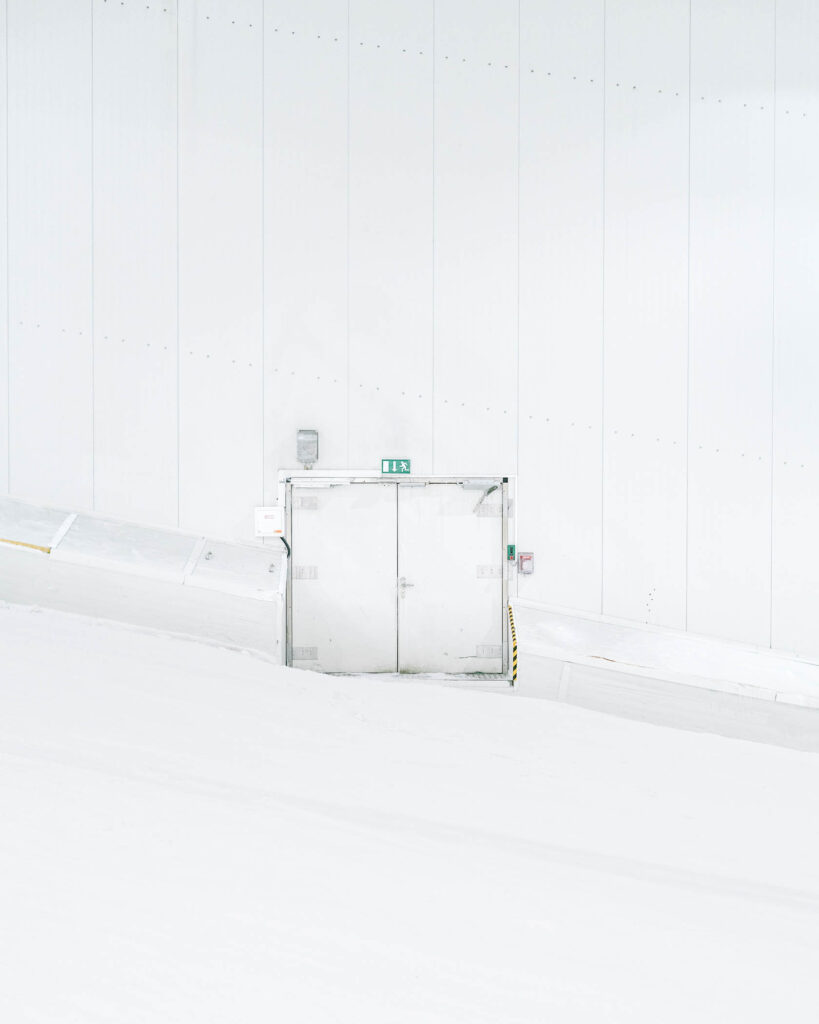
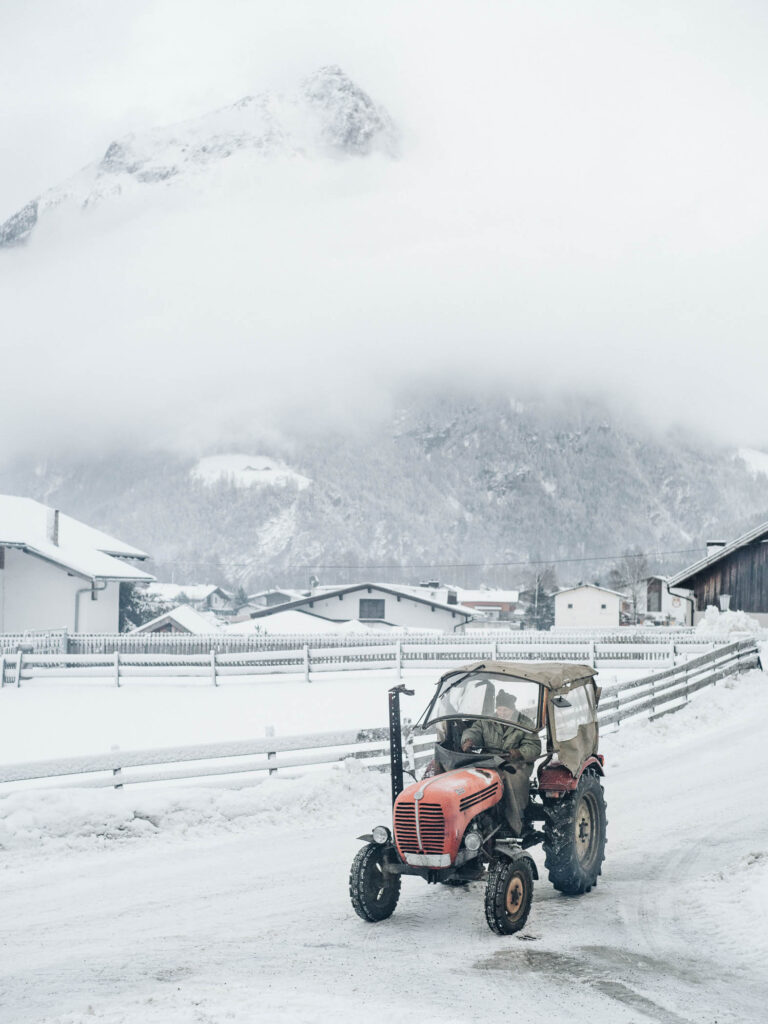
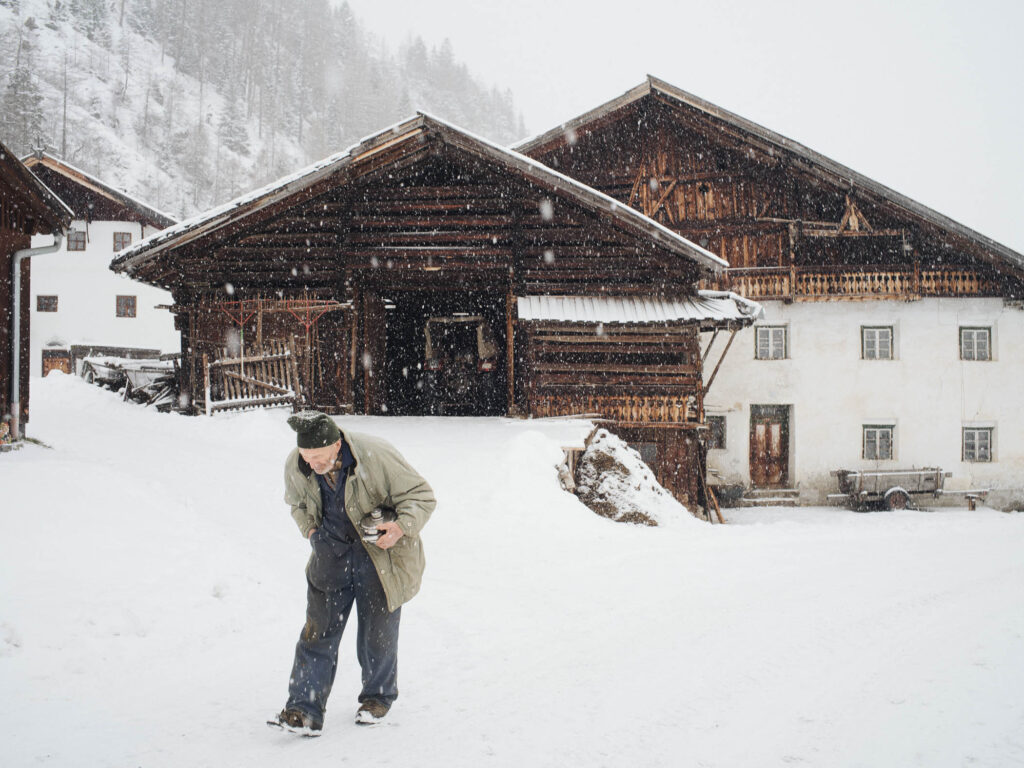
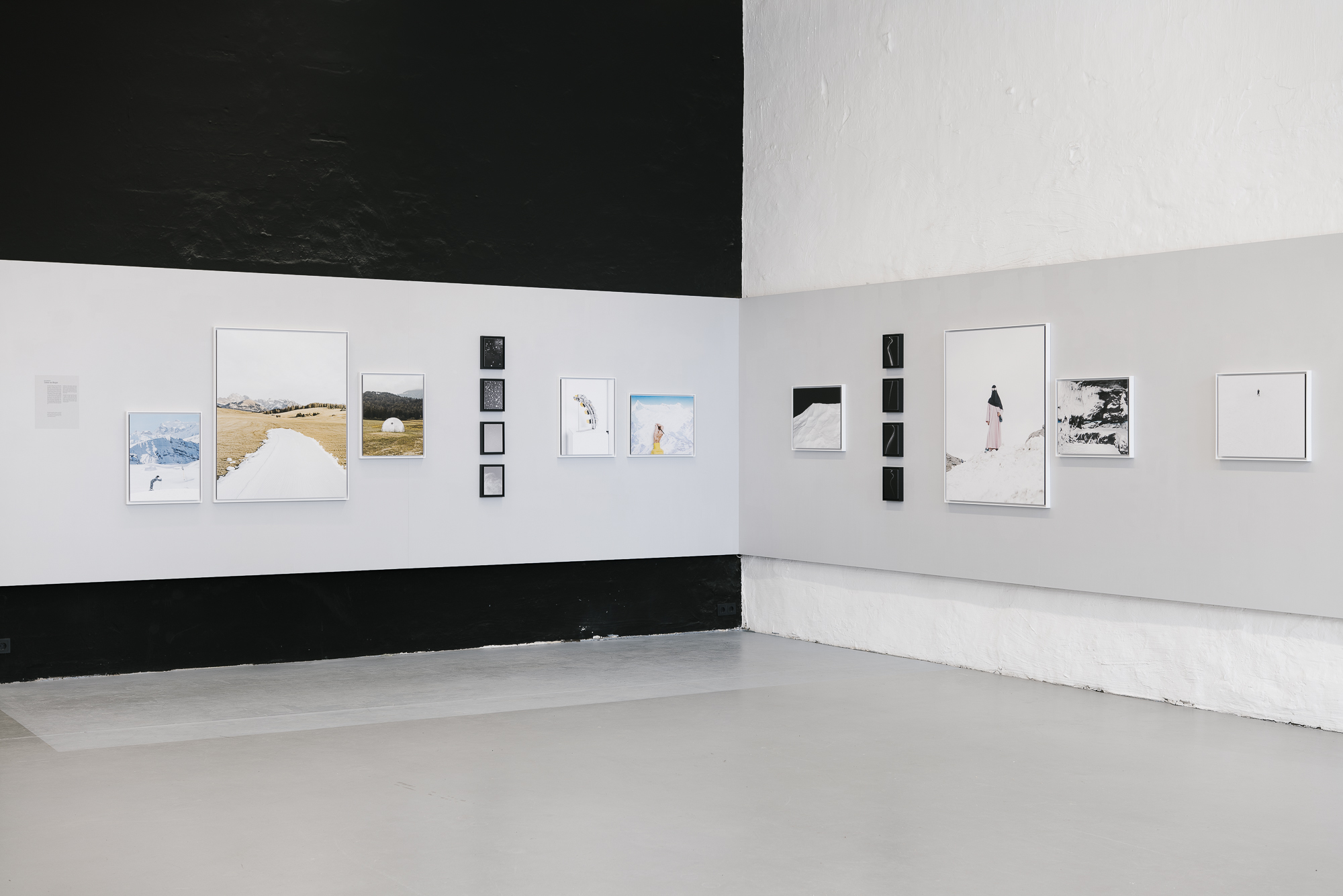
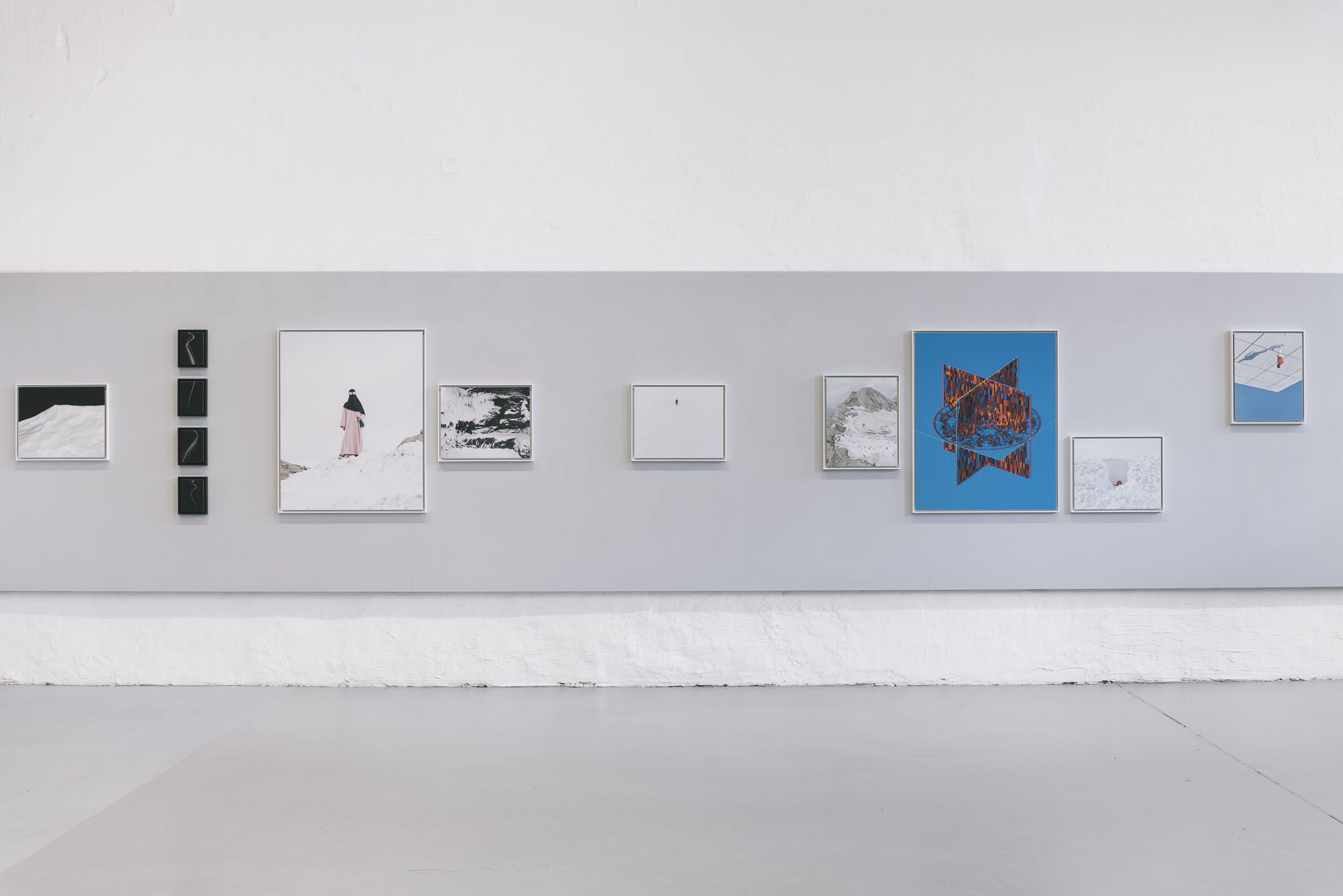
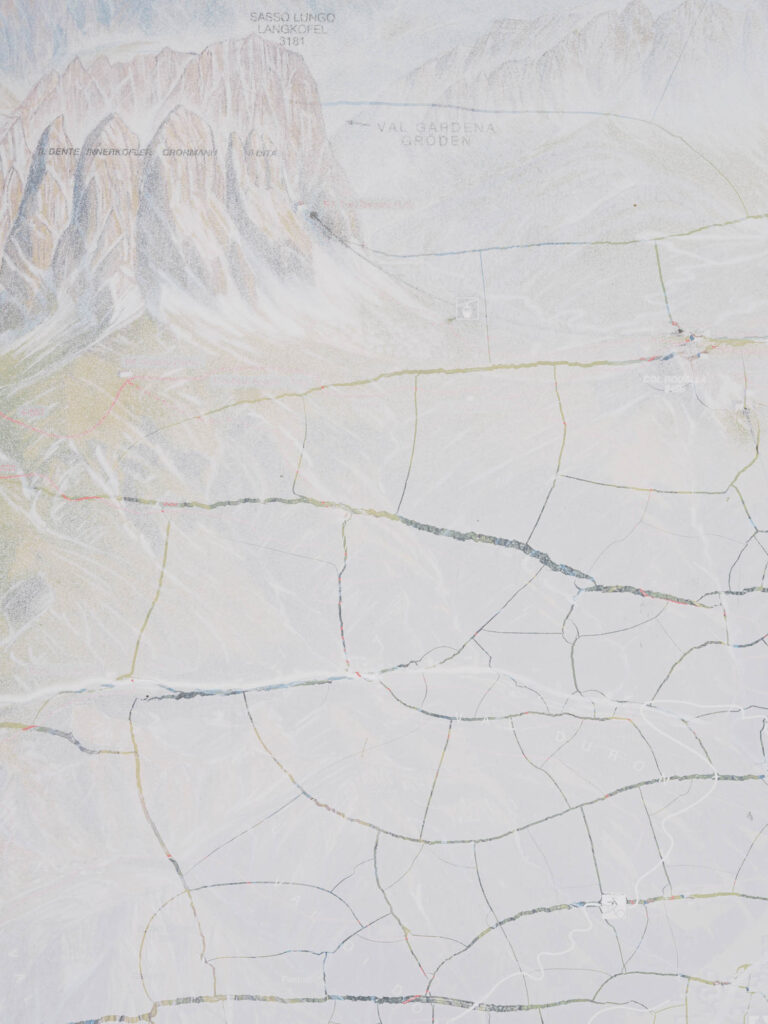
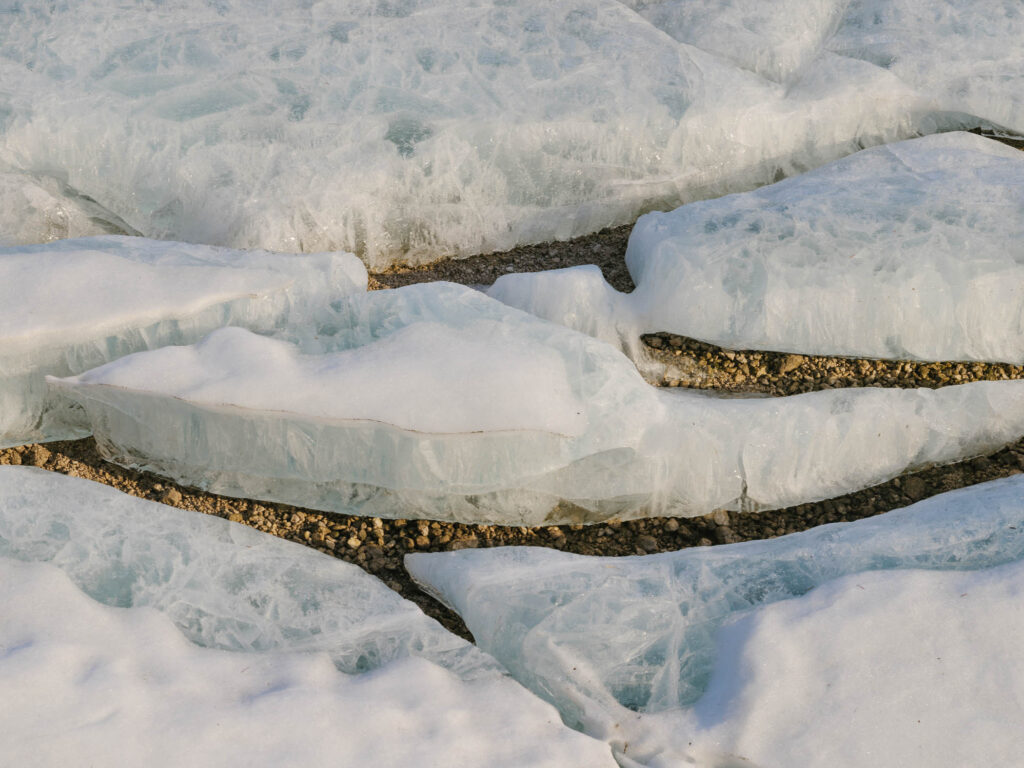
A white slope carries an image of winter. In Es werde Schnee, I followed what it takes to maintain that image: snow cannons, reservoirs, pipelines and pumping systems, and the water and energy needed to keep them running.

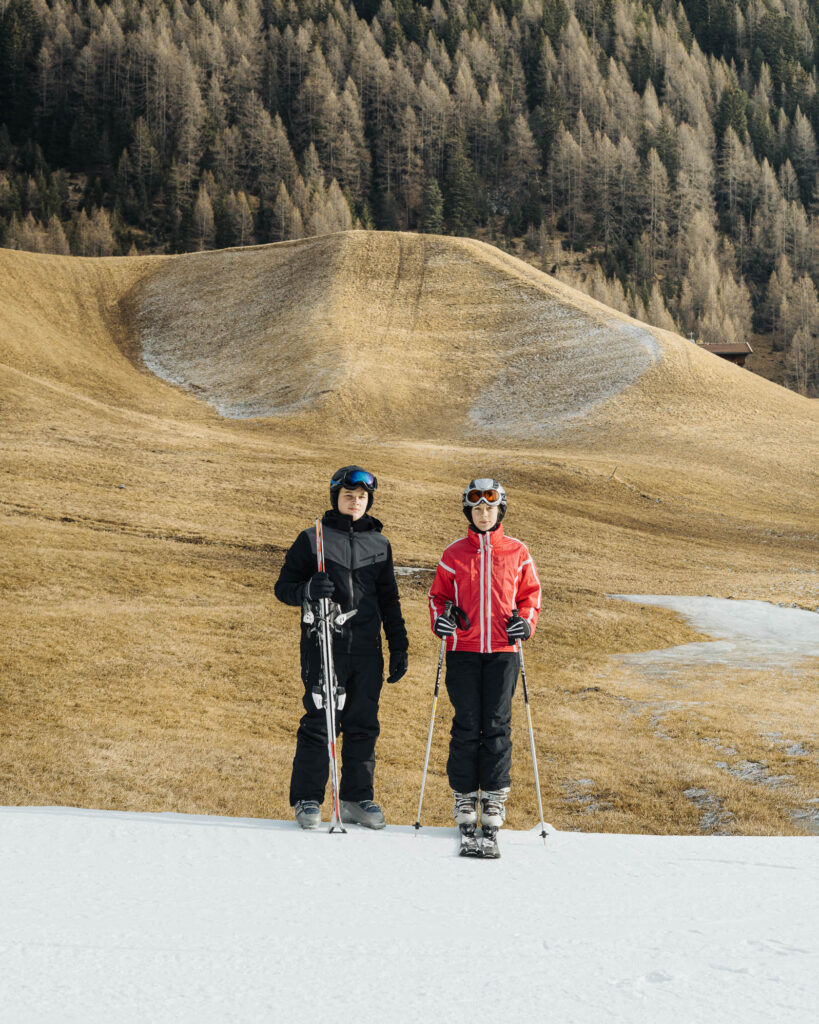
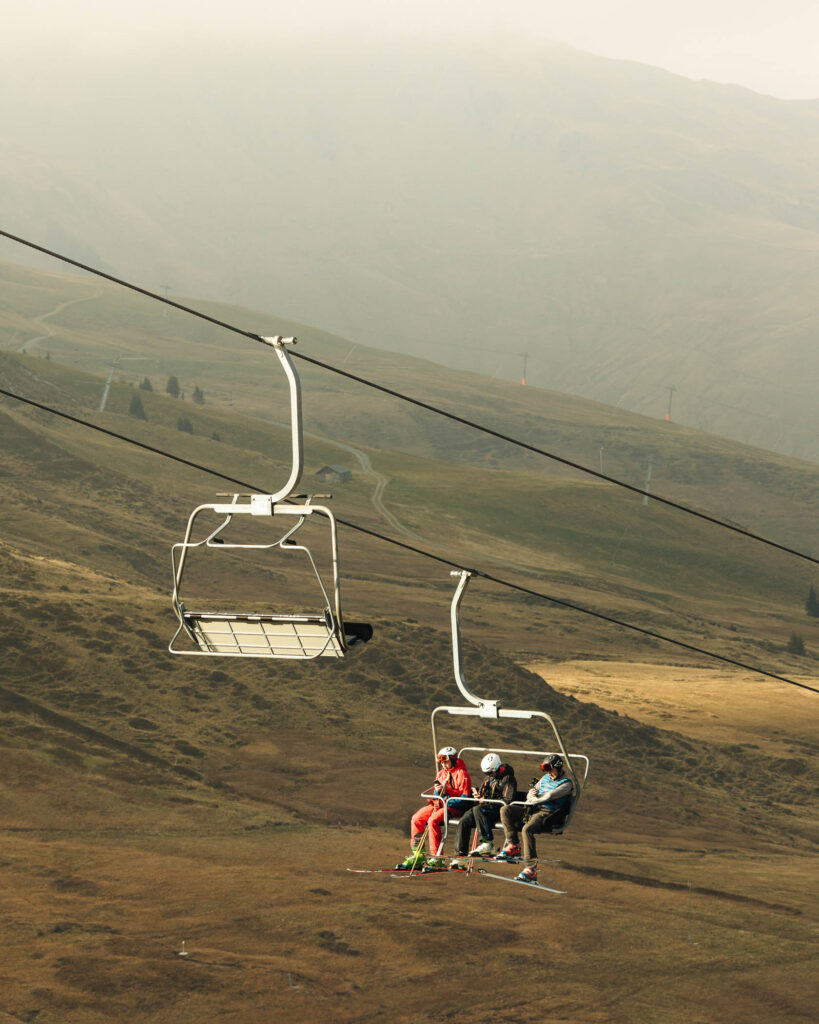
I worked in Alpine regions in Austria, Italy, Switzerland and Germany. In a warming climate, snowmaking helps sustain skiing when natural snowfall alone is no longer enough. Its infrastructure also changes the landscape. A place is altered so that it can continue to offer an experience of nature.

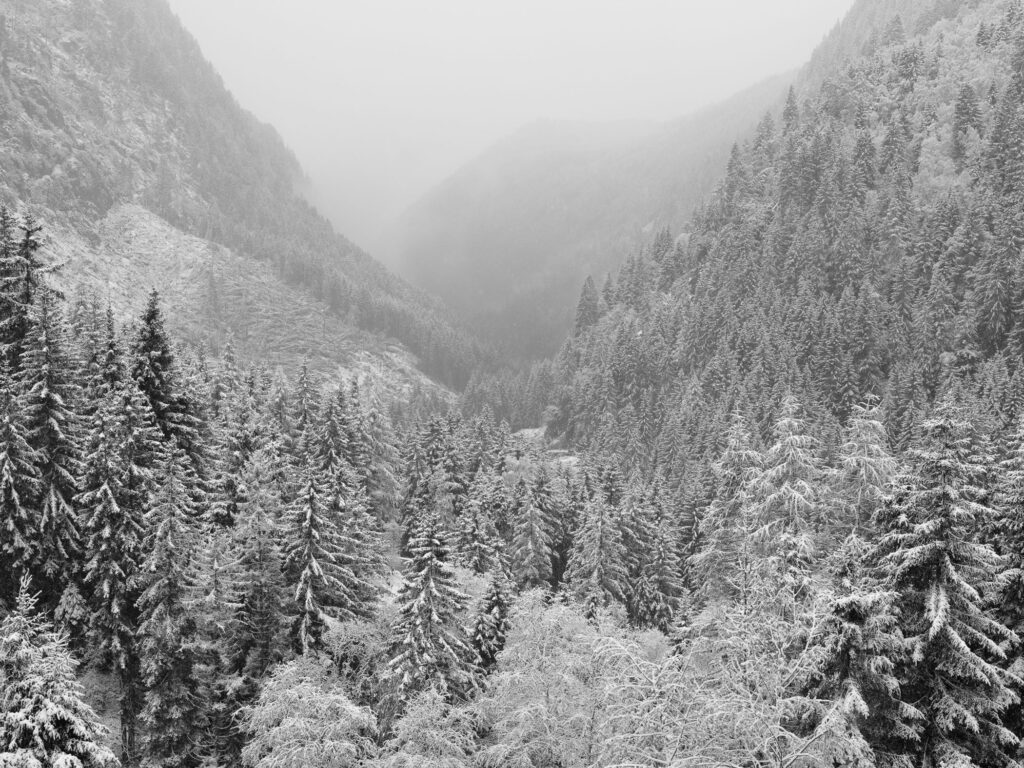
Once on the slope, machine-made snow can look much like natural snow. The difference lies in how it comes to be there, and in the systems that make its presence possible. I was interested in how our expectations of winter guide what is built, altered and maintained in the mountains. Producing snow also means keeping a particular idea of the Alps in place.

Throughout the project, I was concerned with snow, its disappearance and the effort to prolong its presence, and with what we call natural in a landscape increasingly organised around the production of winter.


EXHIBITIONS
2026 / Die Berge Tirols / group / Museum Europäischer Kulturen / Berlin / GER
2022 / 12. Wiesbadener Fototage / group / Wiesbaden / GER
2021 / VGH Fotopreis / Galerie für Fotografie / group / Hannover / GER
2021 / Sparkassenstiftung Lüneburg / solo / Lüneburg / GER
2019 / Chobi Mela Festival / screening / Dhaka / BD

AWARDS
2022 / True Picture Award / nomination
2021 / PUNKT Journalist Award / winner
2020 / VGH Fotopreis / winner

Images from the project have been published in Die Zeit, Zeit Campus, Falter, Datum, and Frankfurter Allgemeine Zeitung (FAZ)


Ausstellungsansicht: ©Juergen Straser
InfoX
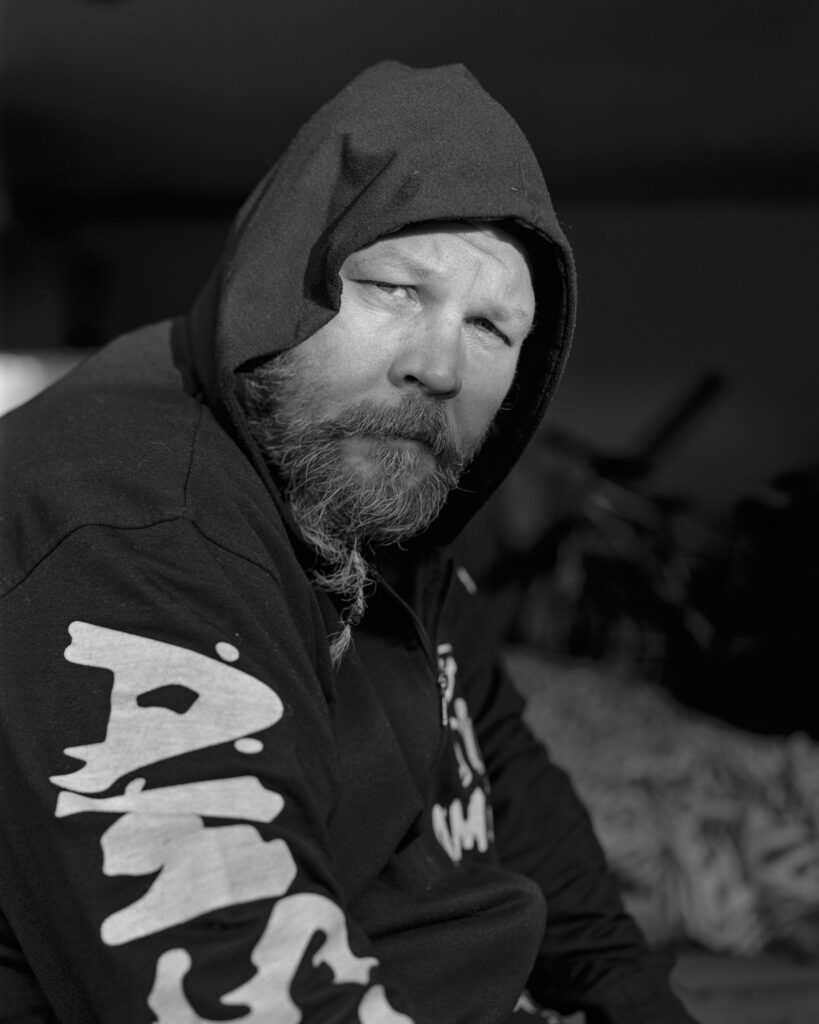
JOSEF
1935–2023

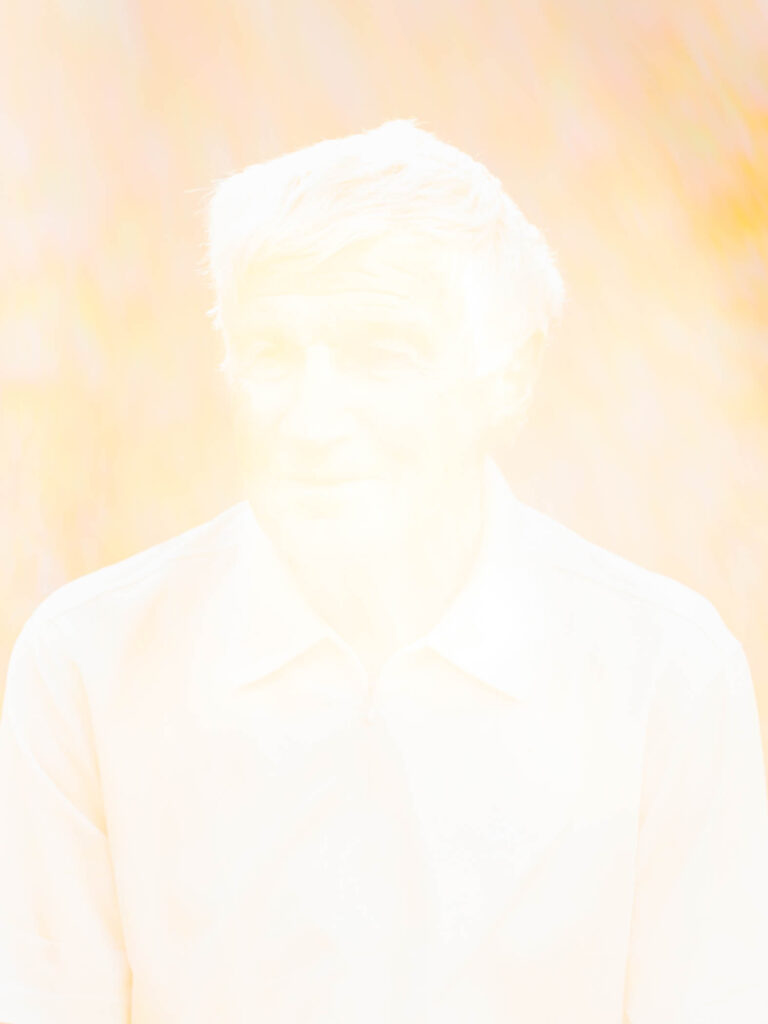
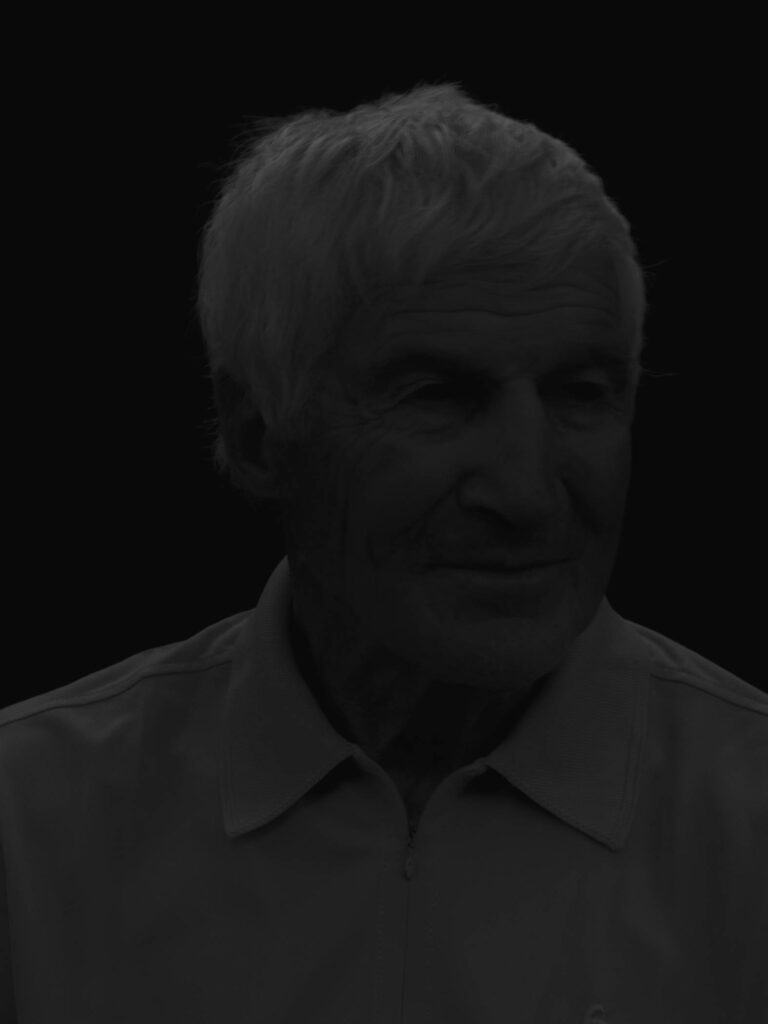
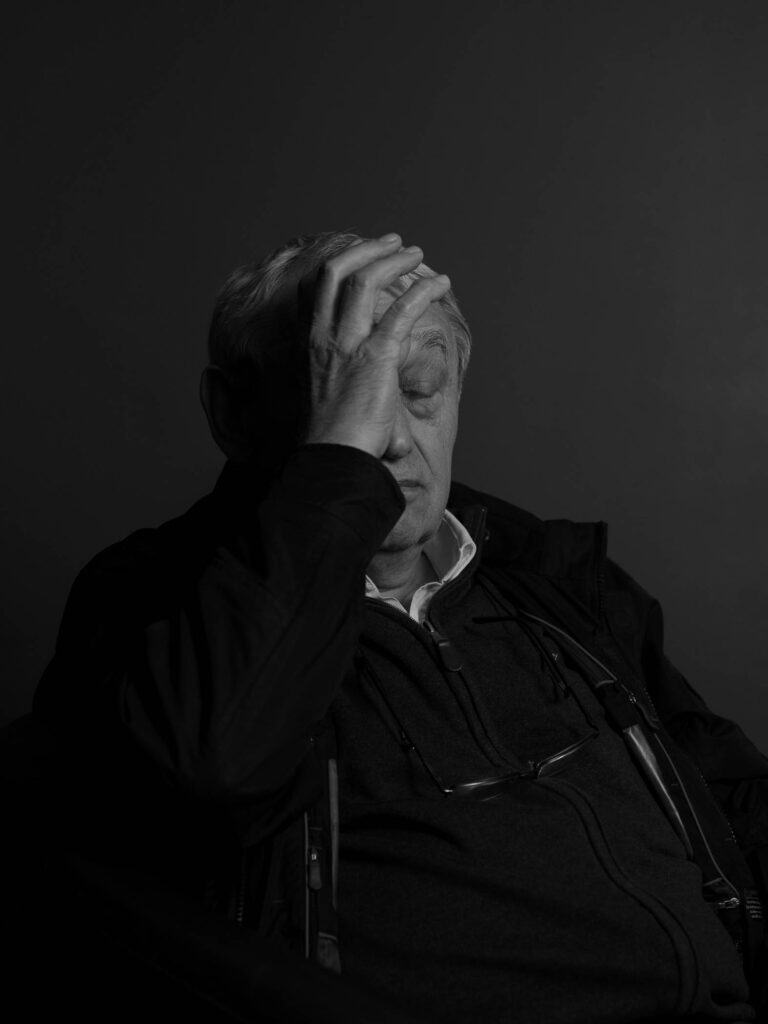
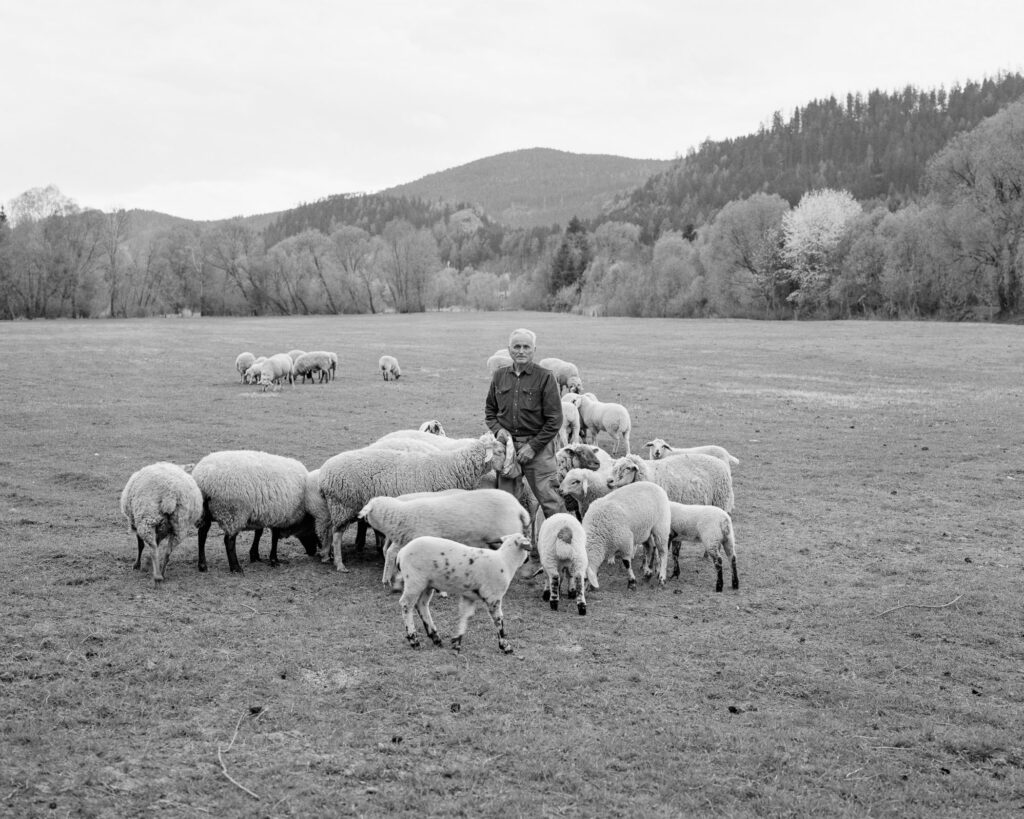
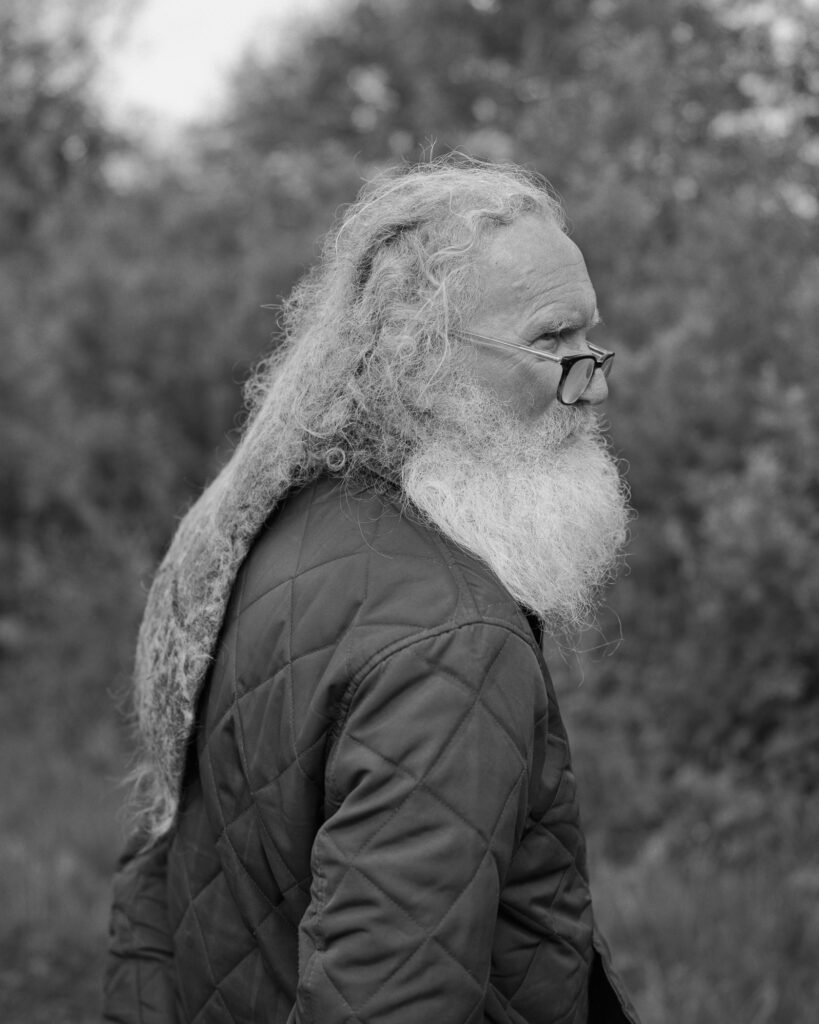
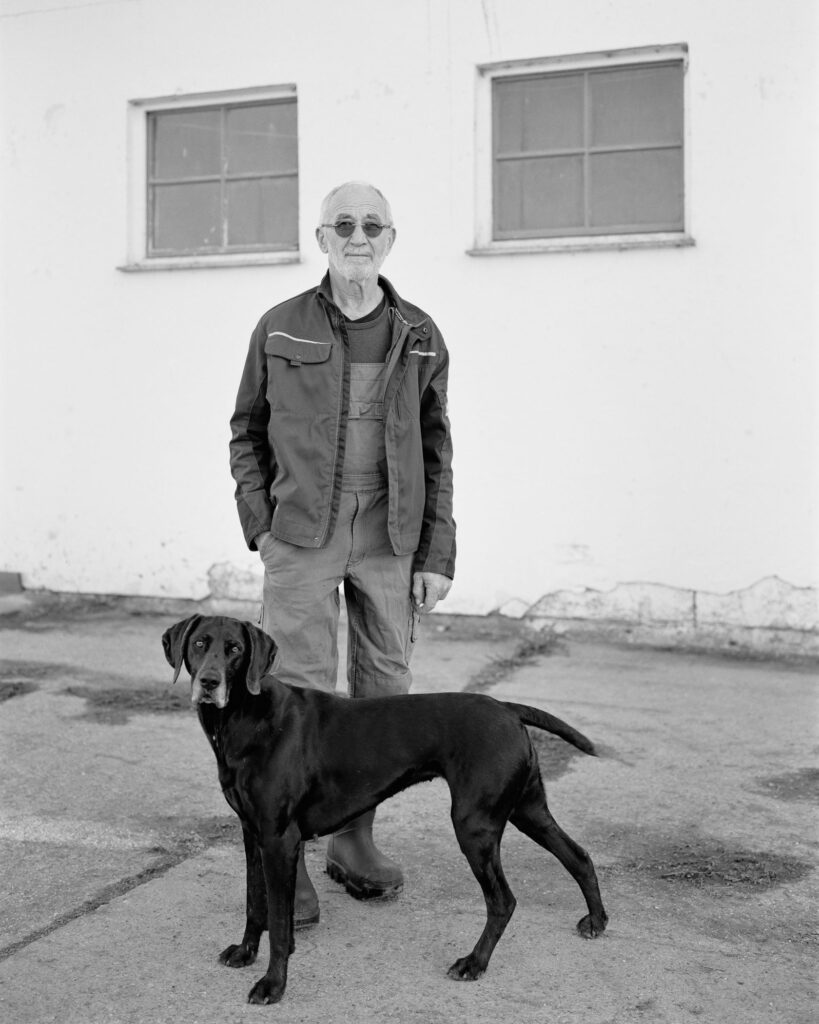
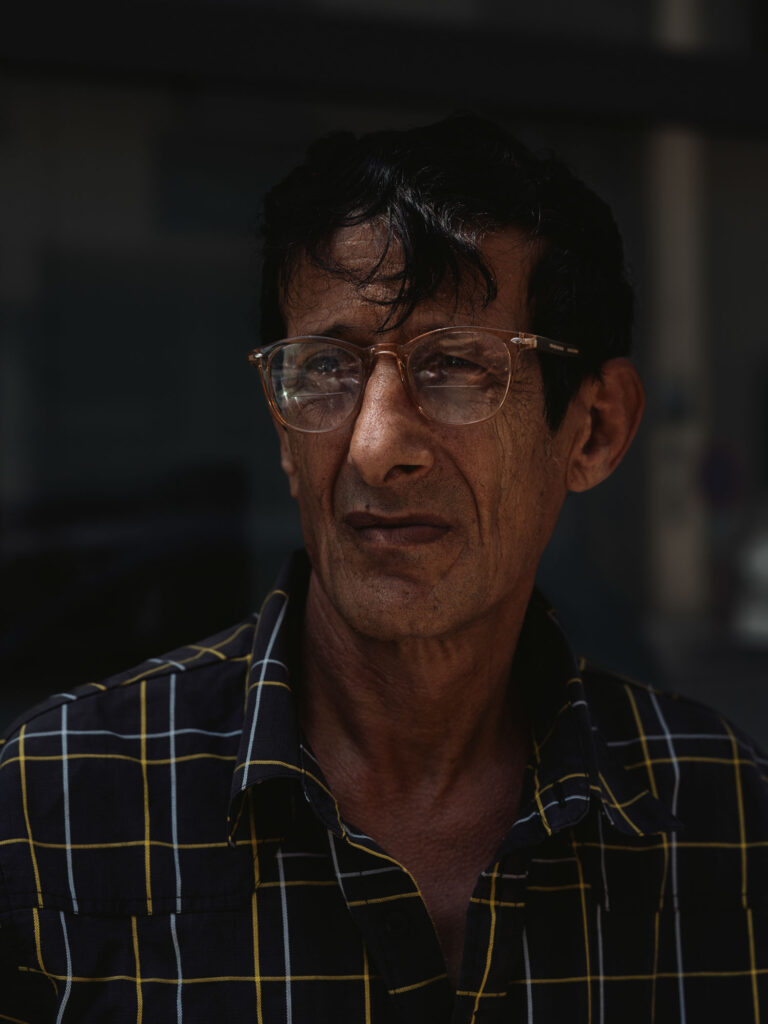
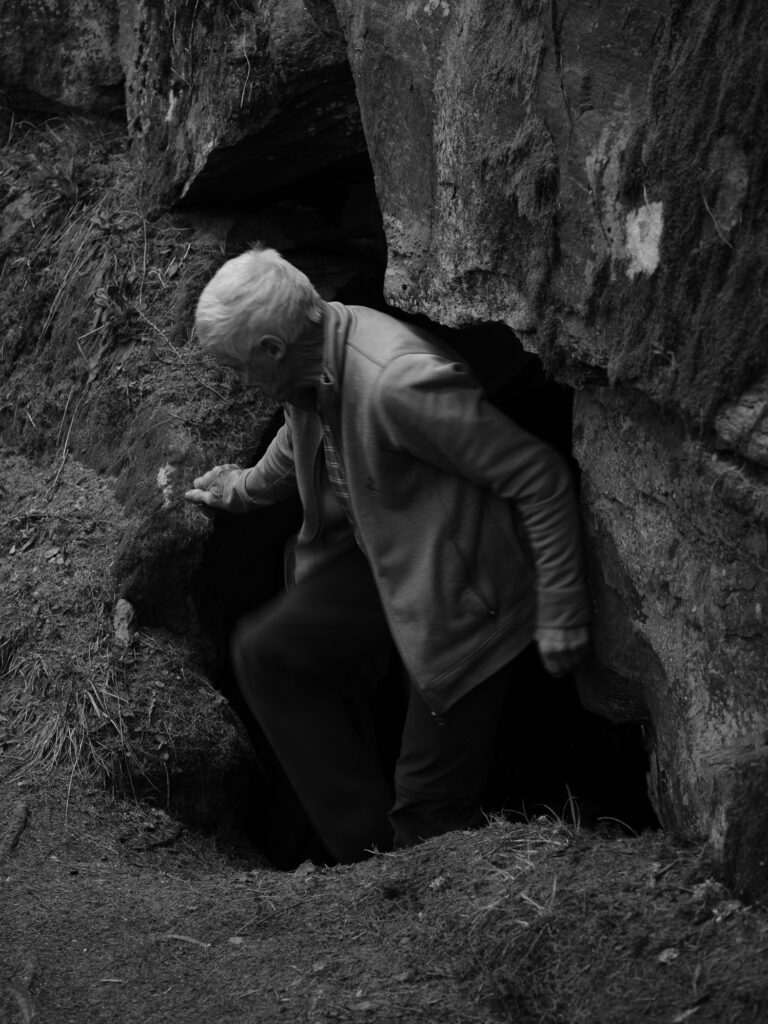
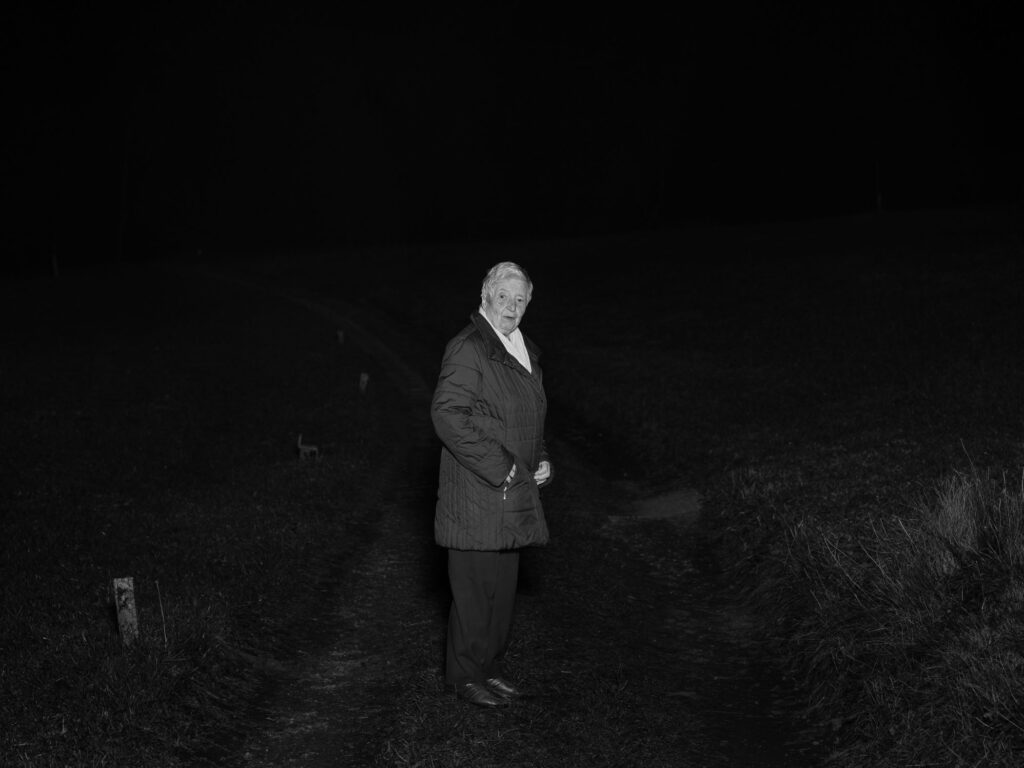
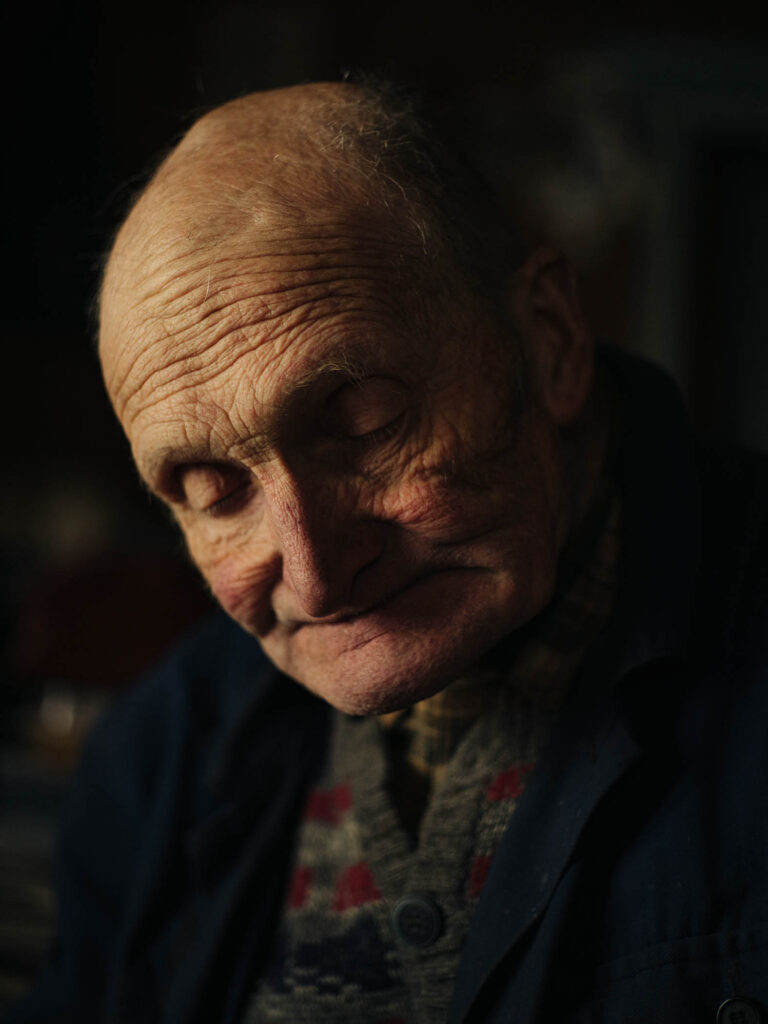
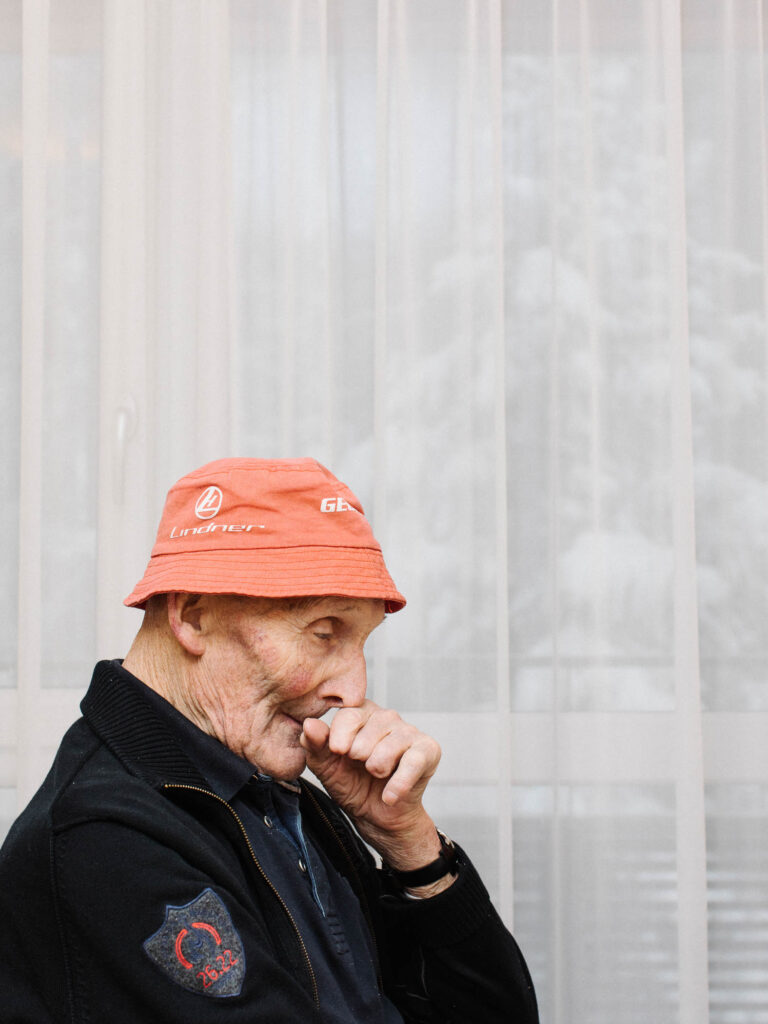
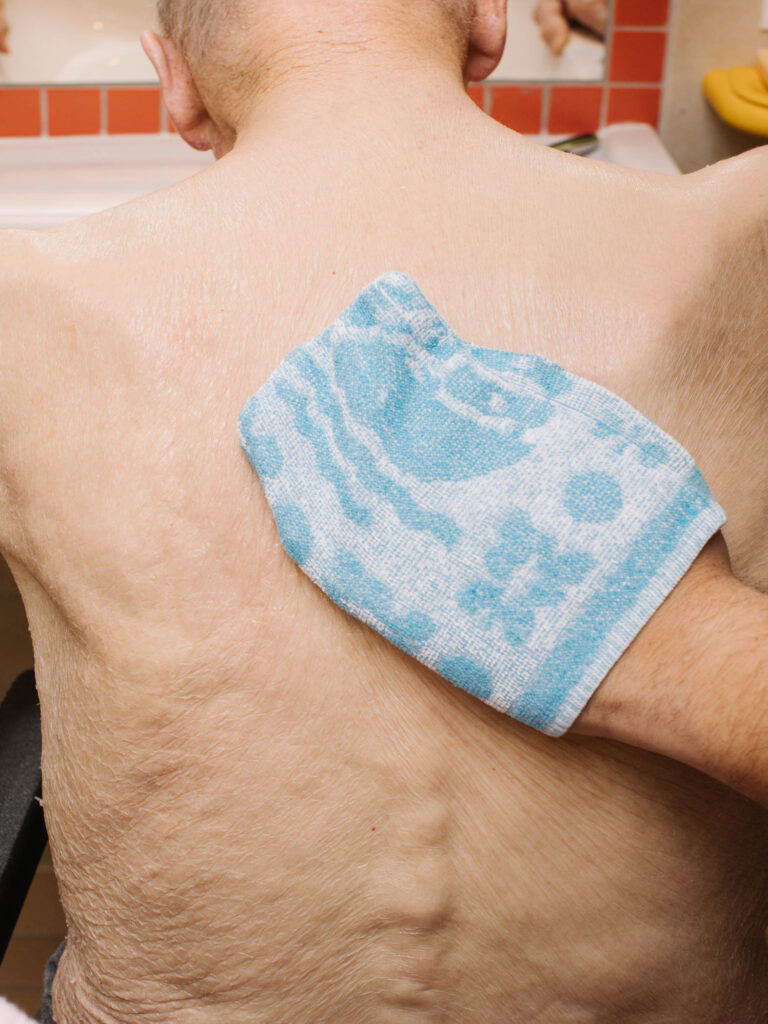
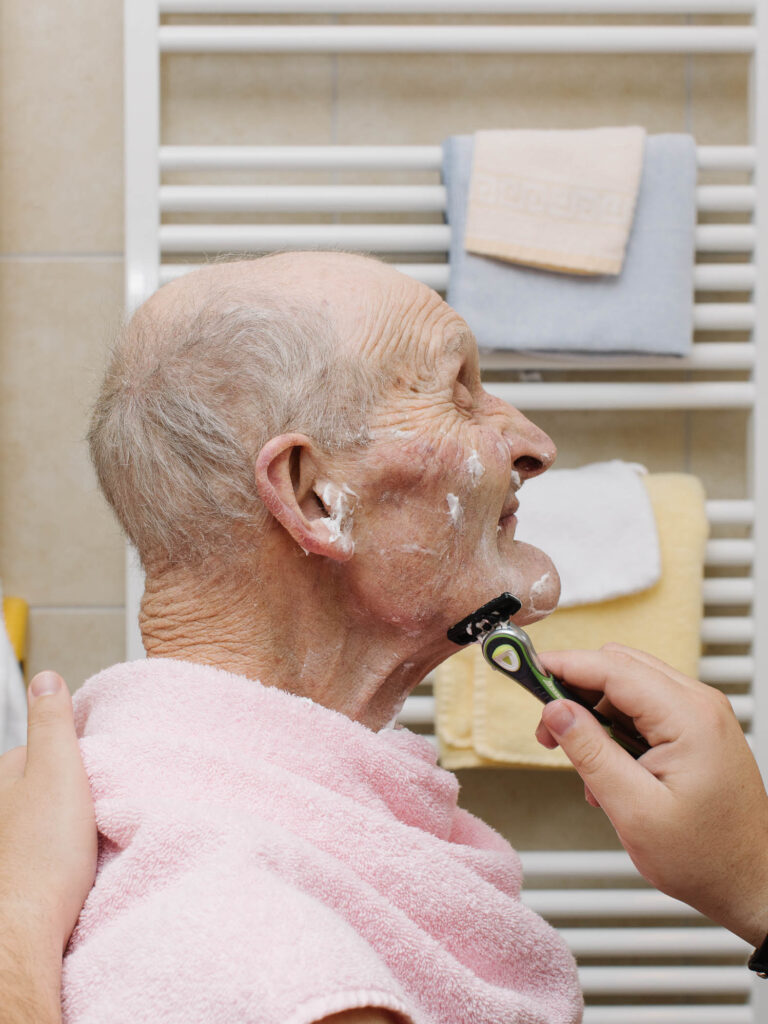
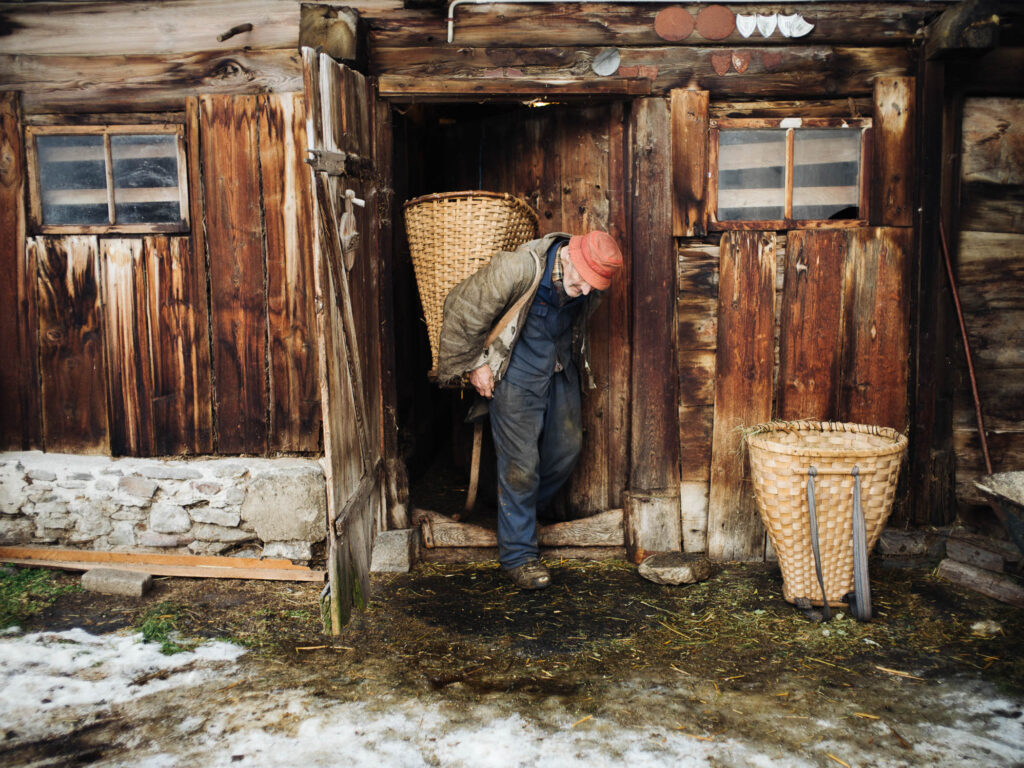
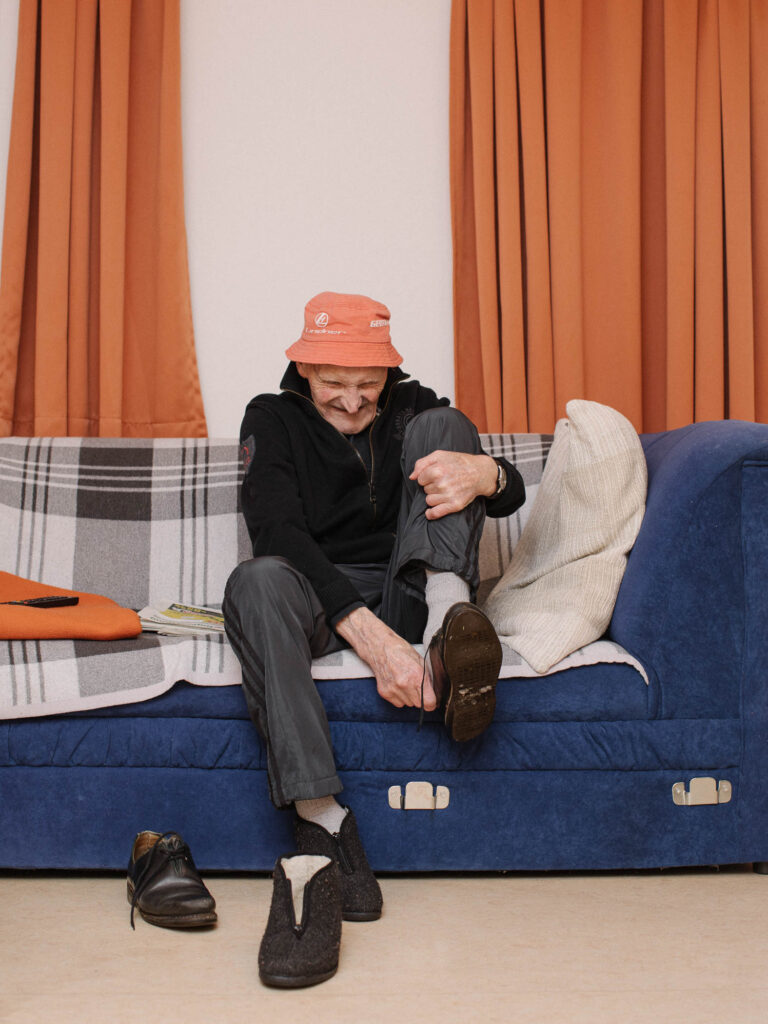
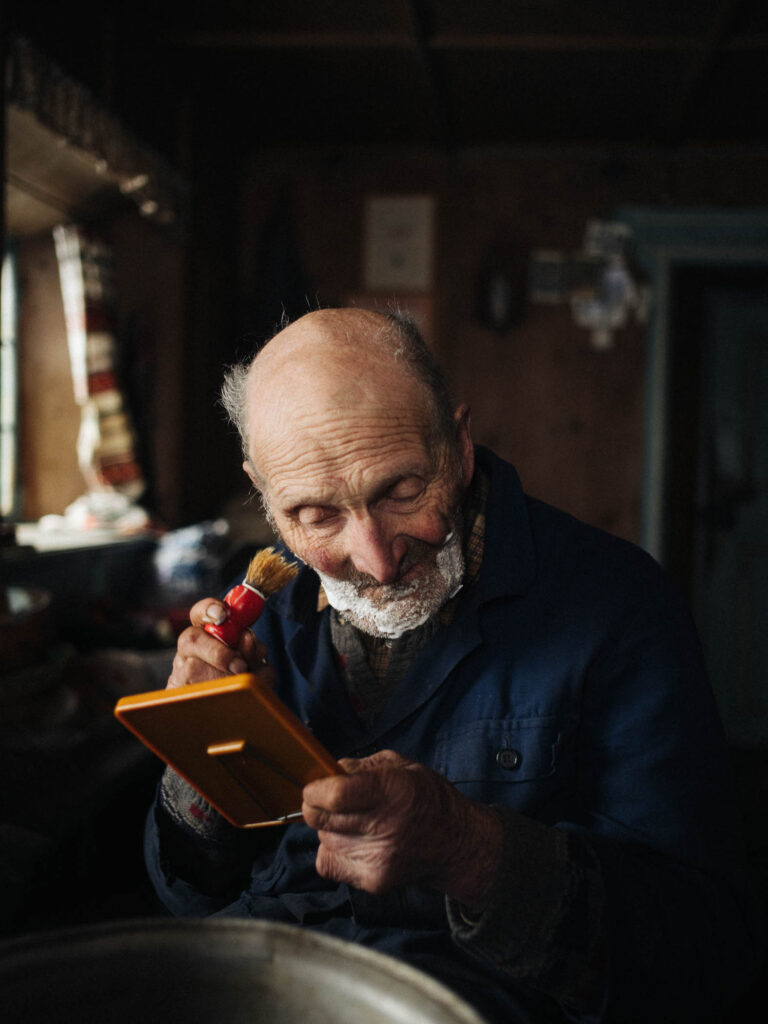
I had known Josef since my childhood. Like many people in the village, I knew who he was without really knowing him. In 2017, the camera gave me a reason to knock on his door – I began to photograph him, and we gradually became friends.

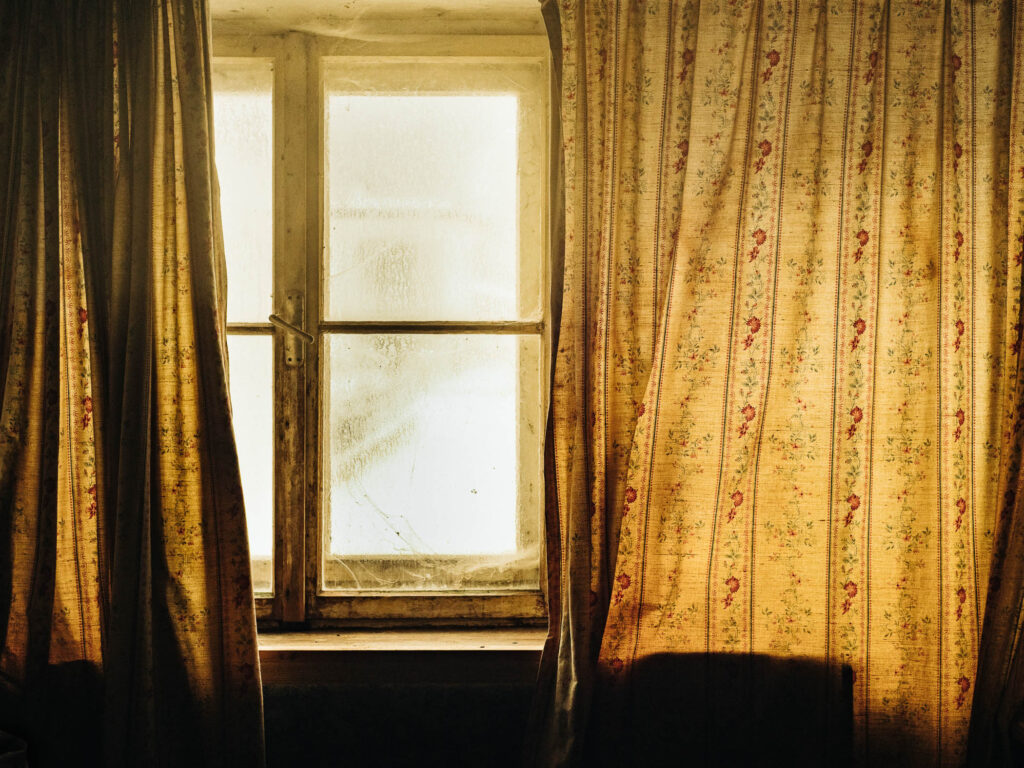
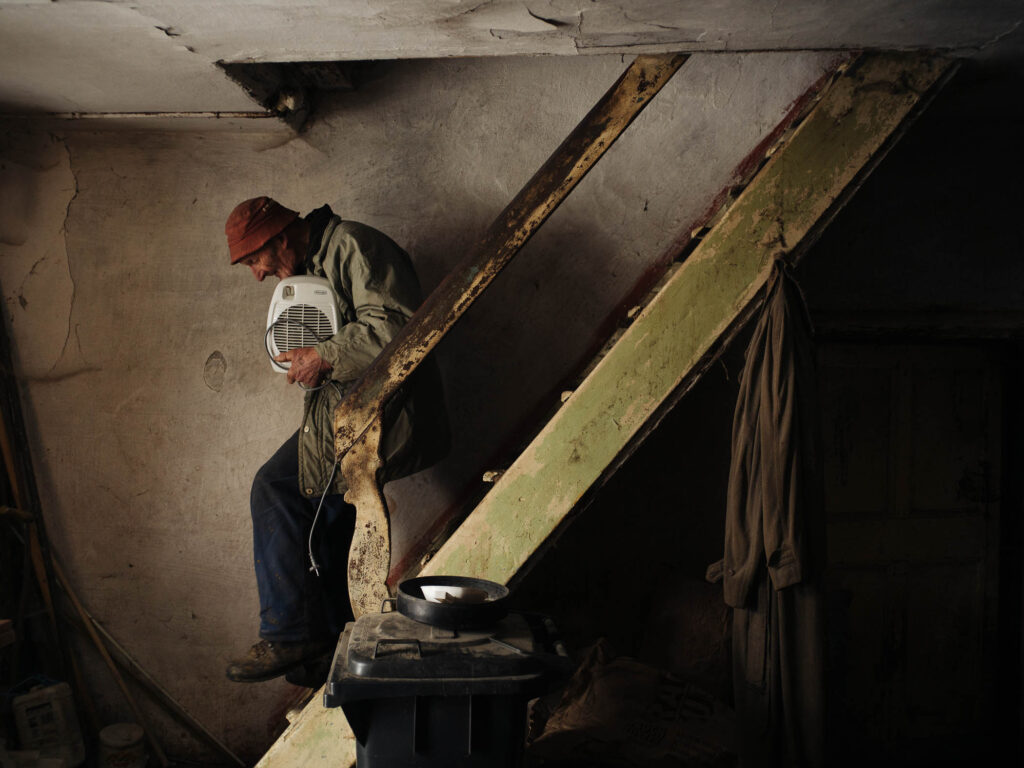
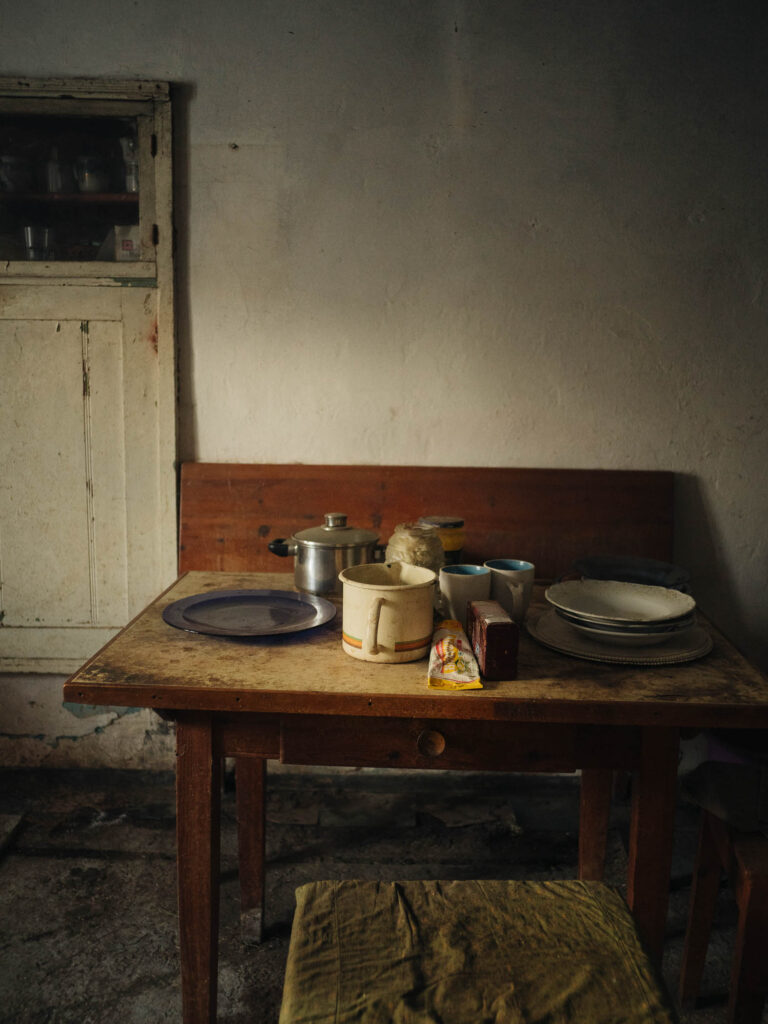
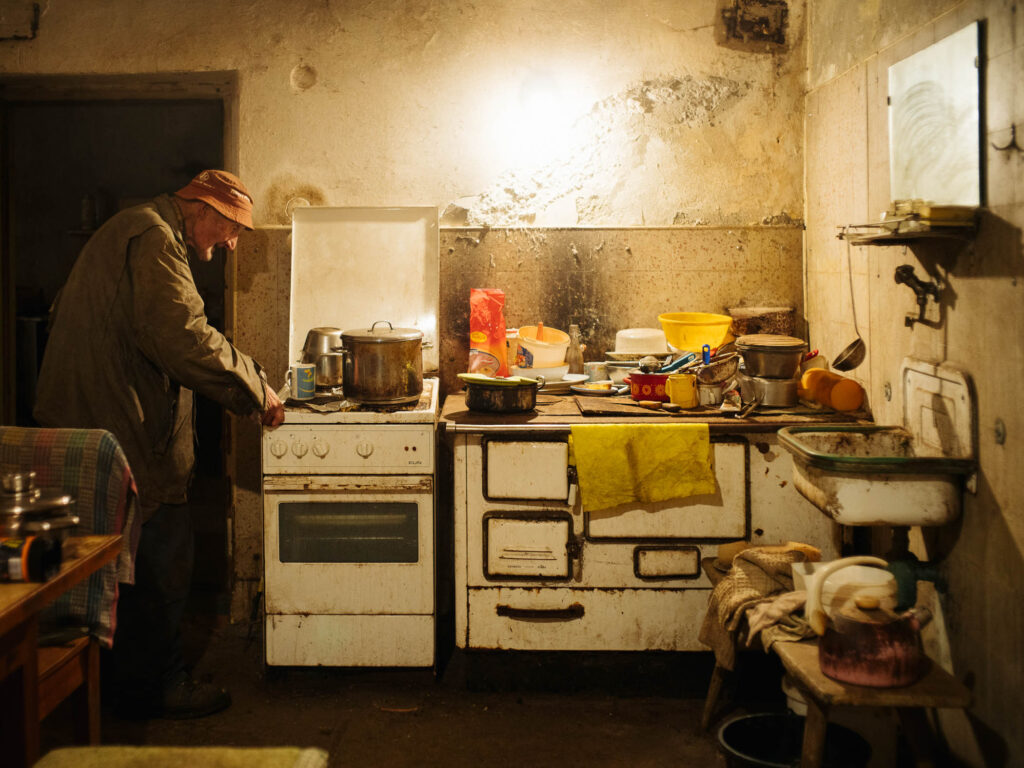
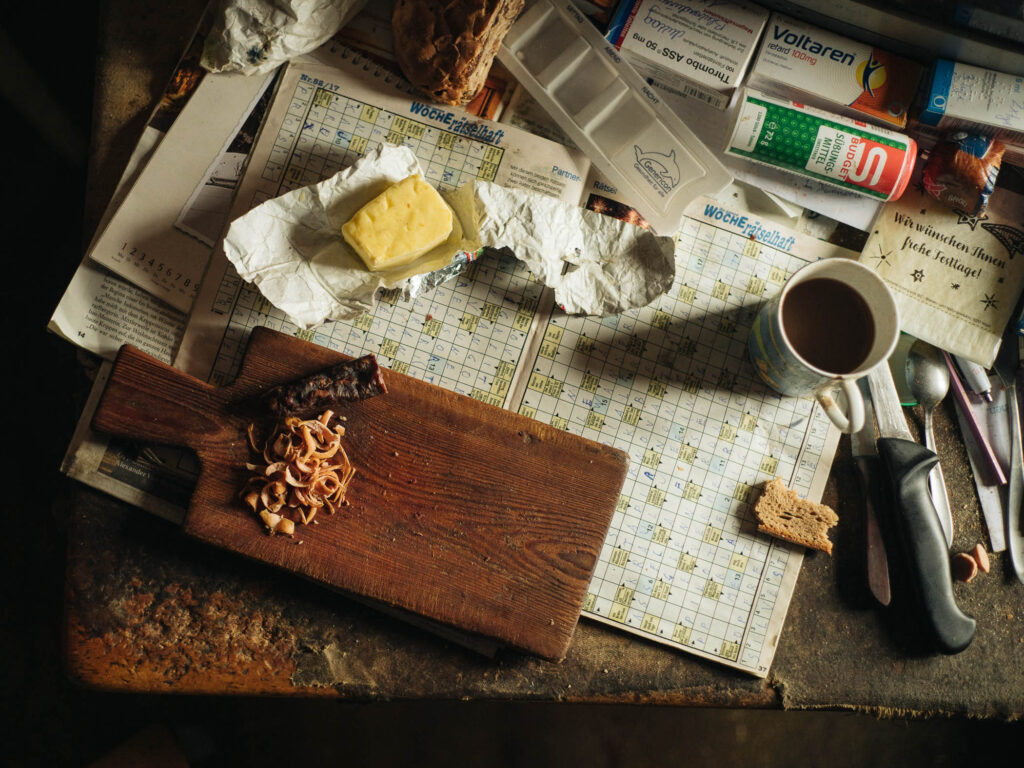
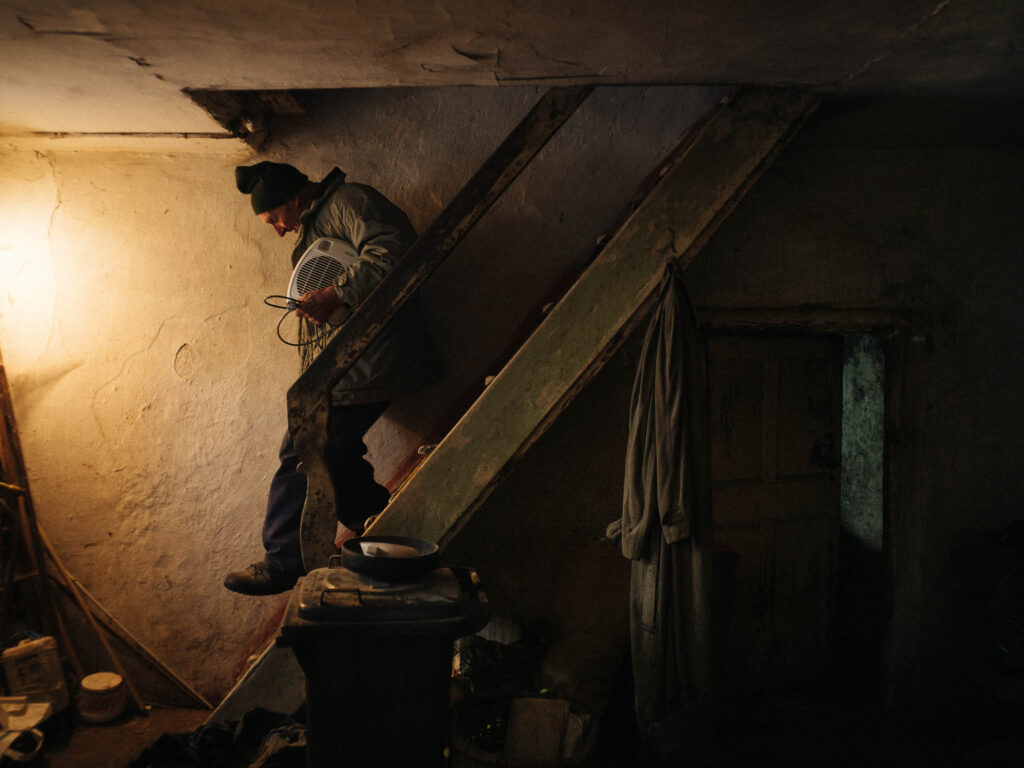
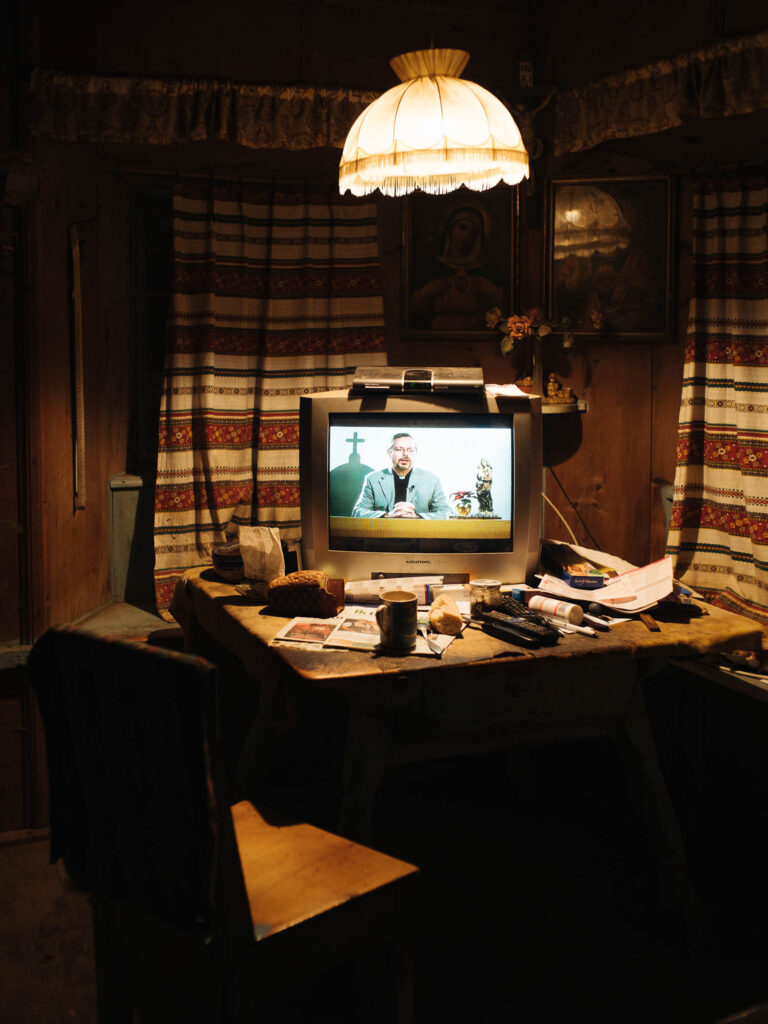
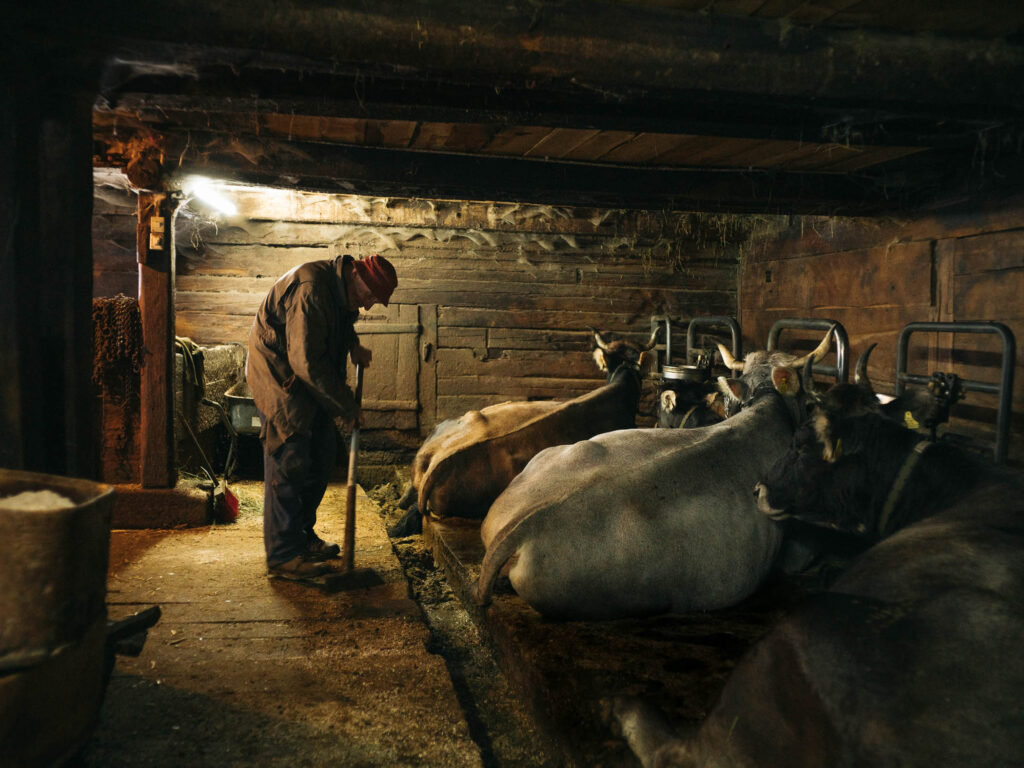
He lived in the middle of the village, in an old farmhouse without running water or a working heating system. Few relatives, few friends, few words. I was drawn to the dark rooms and old beams, and to the repeated gestures of his work with animals and hay. In the photographs, these details could take on a romantic warmth that sat uneasily with the cold and loneliness of his daily life.

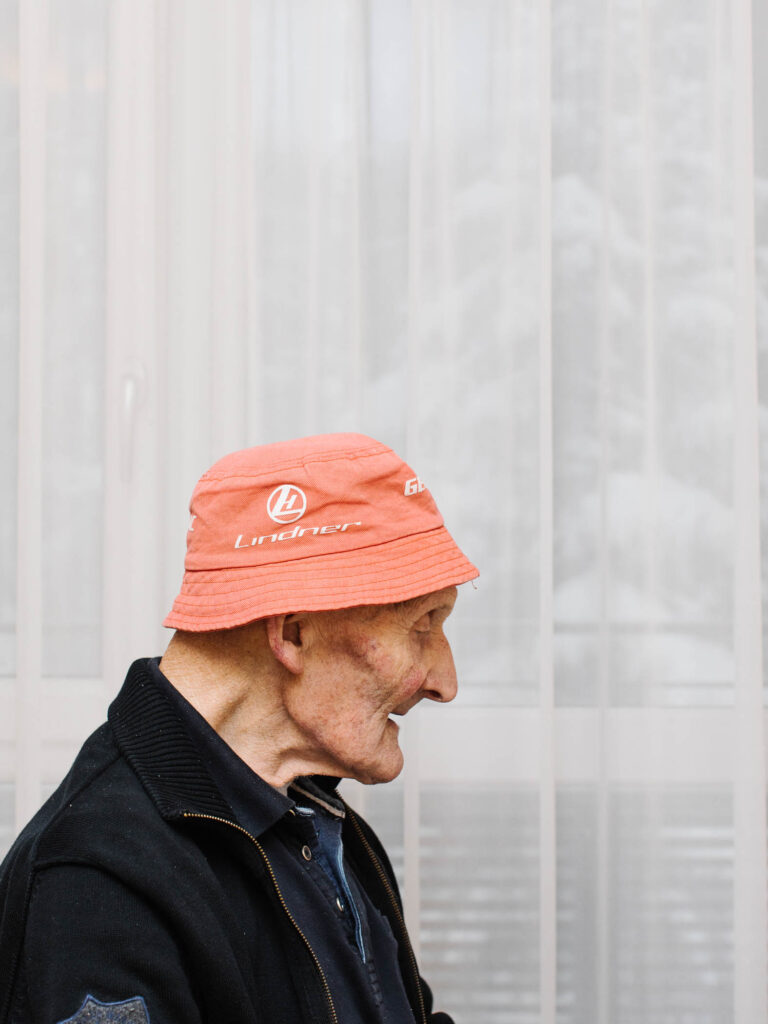
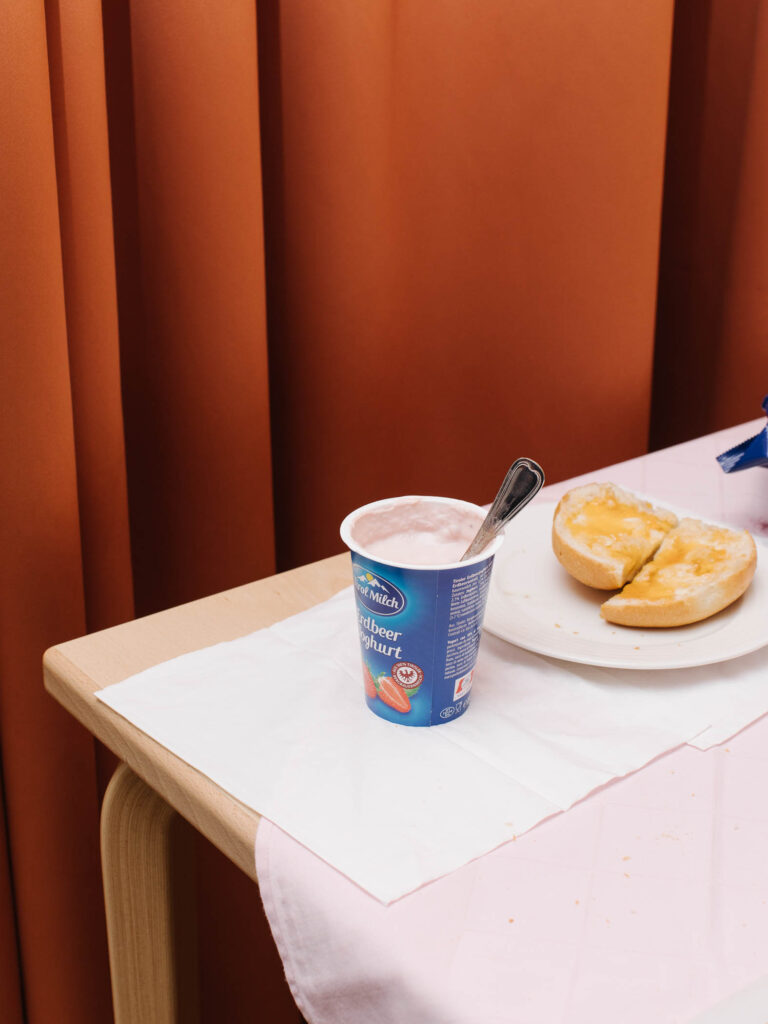
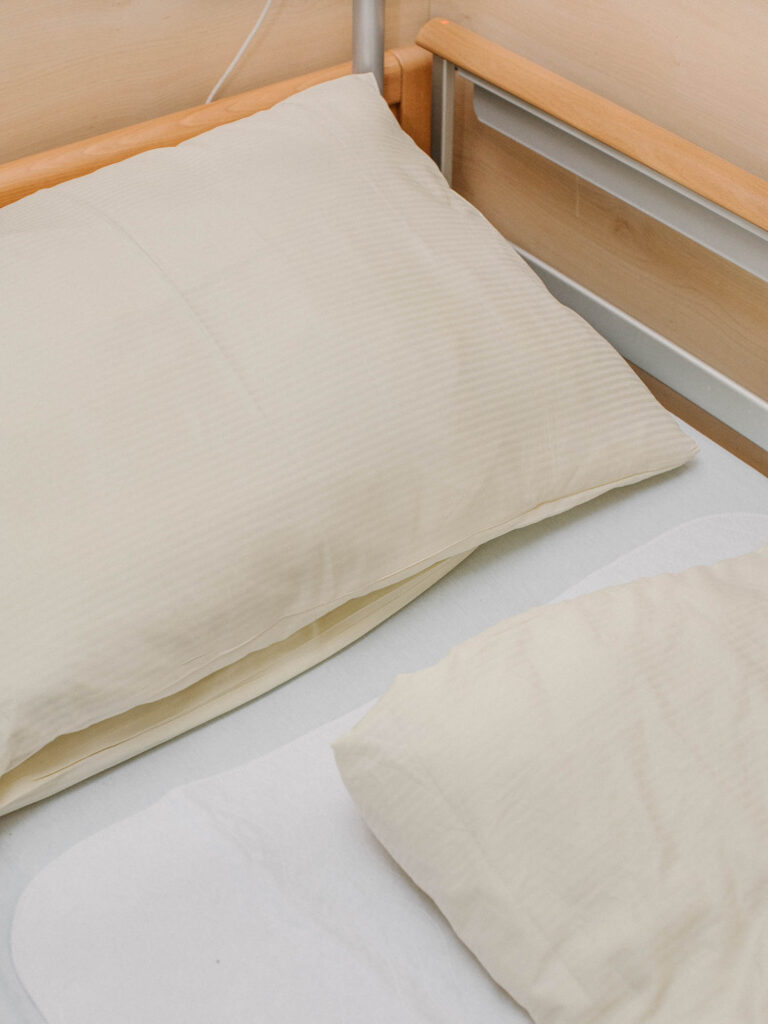
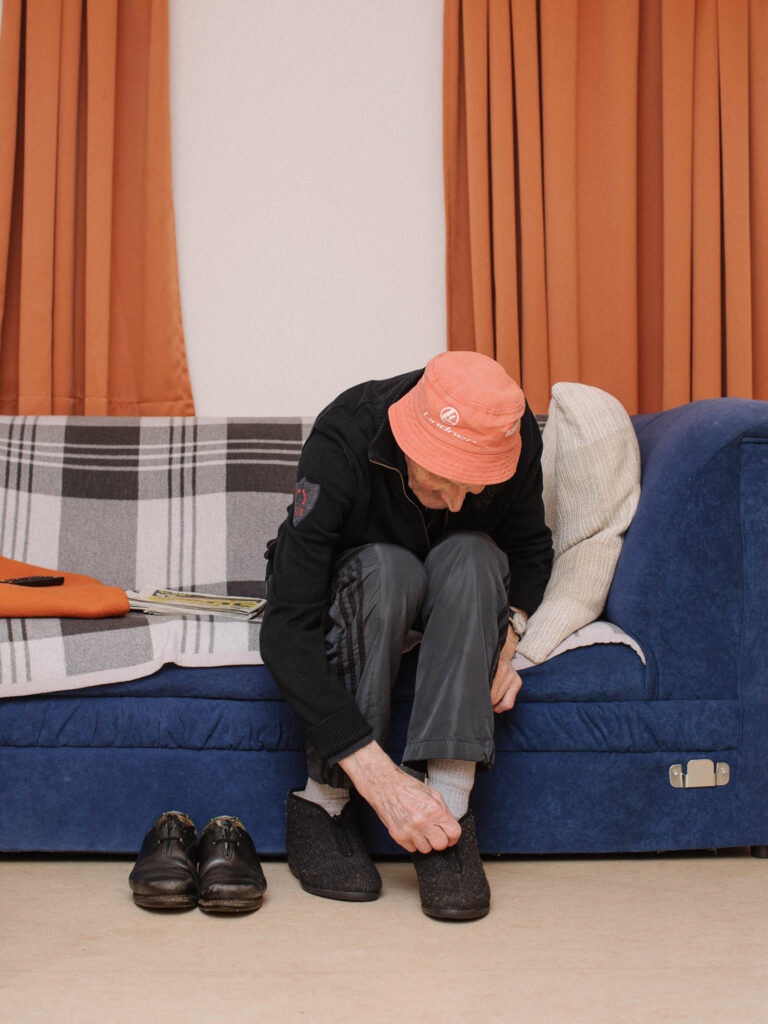
When Josef moved into a care home in 2018, I continued to photograph him there. His days now followed the routines of care, in brighter rooms with smooth surfaces, care beds and linoleum floors.


EXHIBITIONS
2022 / First Pages, Rautenstrauch-Joest-Museum / Cologne, DE
2018 / Lumix Festival / Hannover, DE
2018 / Visa pour l’Image / Perpignan, FR

AWARD
2018 / Audience Award, Hannoversche Allgemeine Zeitung (HAZ)

InfoX
ENCYCLOPEDIA OF POTENTIAL TRUTH
On the Ordering of Images


I developed the Encyclopedia of Potential Truth as my graduation project at Hochschule Hannover. I was concerned with photography as a way of representing knowledge, and with the possibilities of sequencing images and narratives.

My research moved between the cave paintings of Lascaux, the first images of the far side of the moon, quantum physics on Helgoland, the assassination of Archduke Franz Ferdinand and the biological experiments of the Heck brothers, to name a few. I followed serendipity throughout the process, from research and image-making to sequencing. An unexpected find could become a reason to pursue another subject or reconsider a connection.

The idea of an encyclopedia gave me a framework for gathering this material. I worked across science, history and art, following associations through the subjects themselves and through the visible details of the images. I was interested in the point at which an association might become a hypothesis, a narrative or an explanation.

Peirce’s abduction and Wittgenstein’s language games helped me reflect on these decisions and develop a practice around them. I wanted to think with images, about images and, especially, between images.


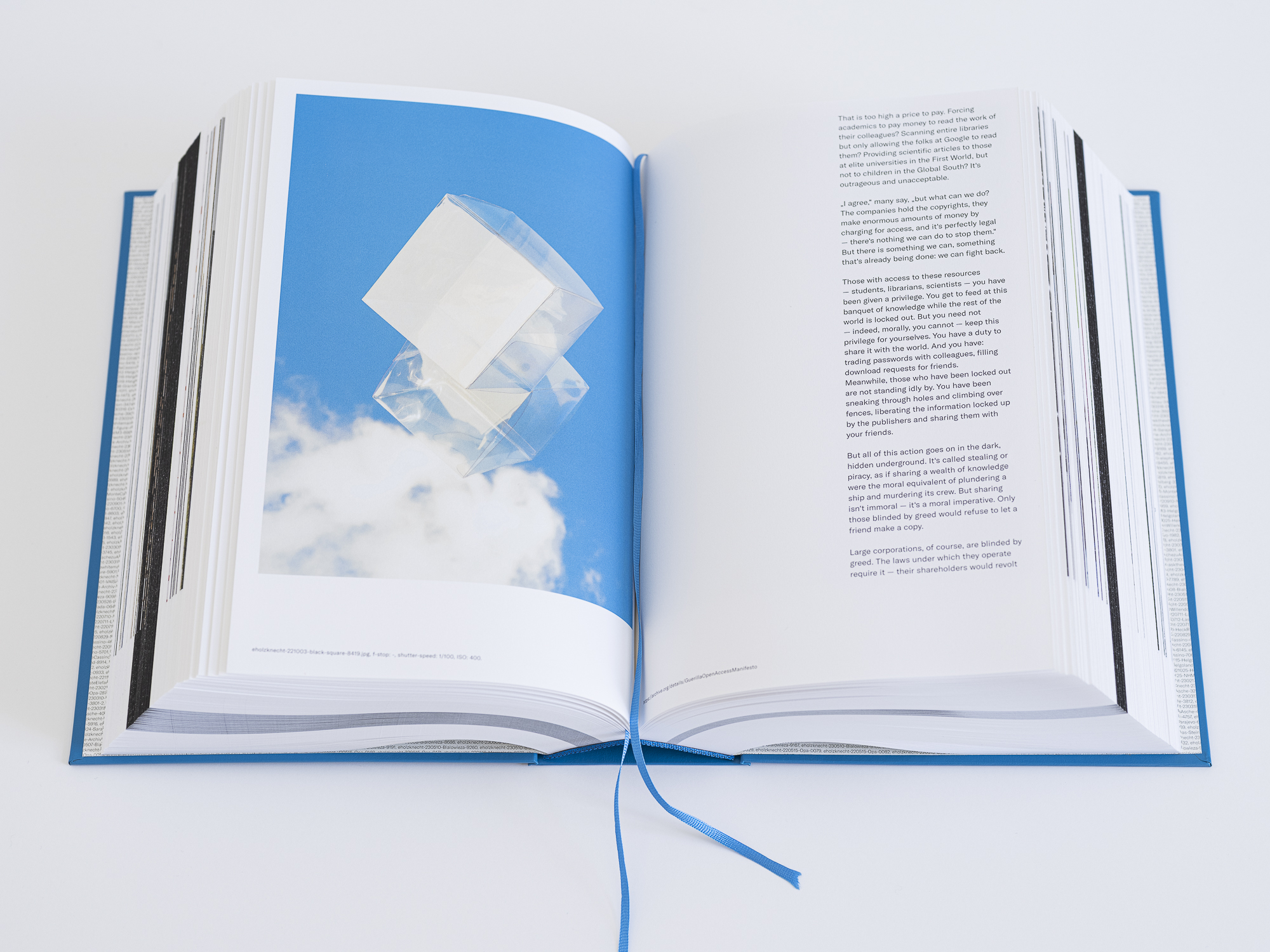
I brought the material together in a 634-page book containing 403 photographs, 43 text fragments, 4 timelines and 439 footnotes.
InfoX
MICHELDORF MICHELDORF MICHELDORF MICHELDORF


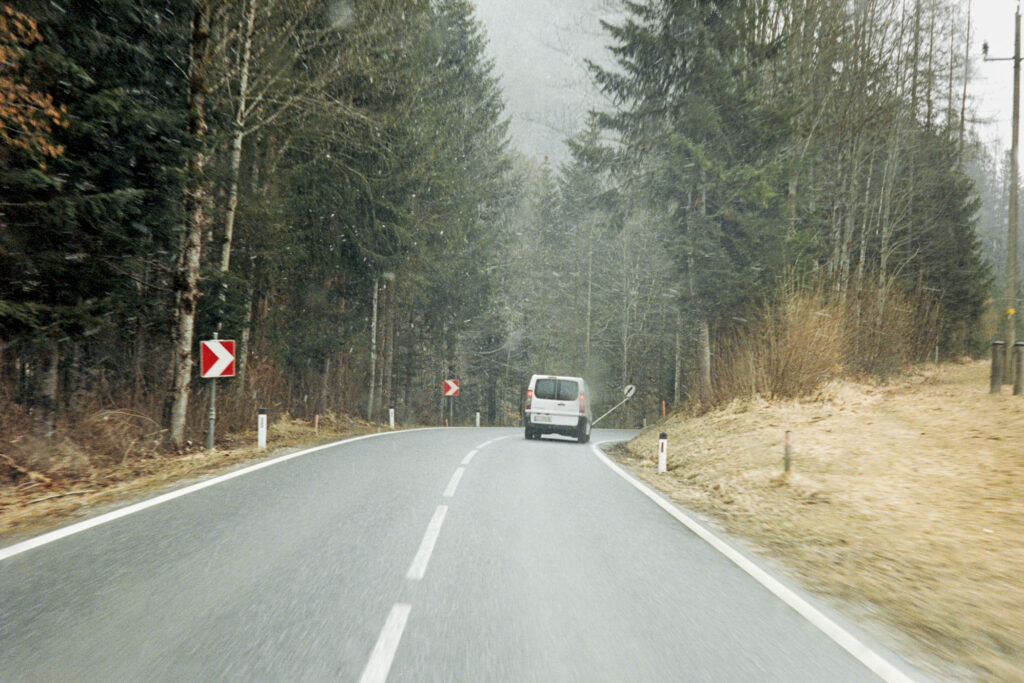
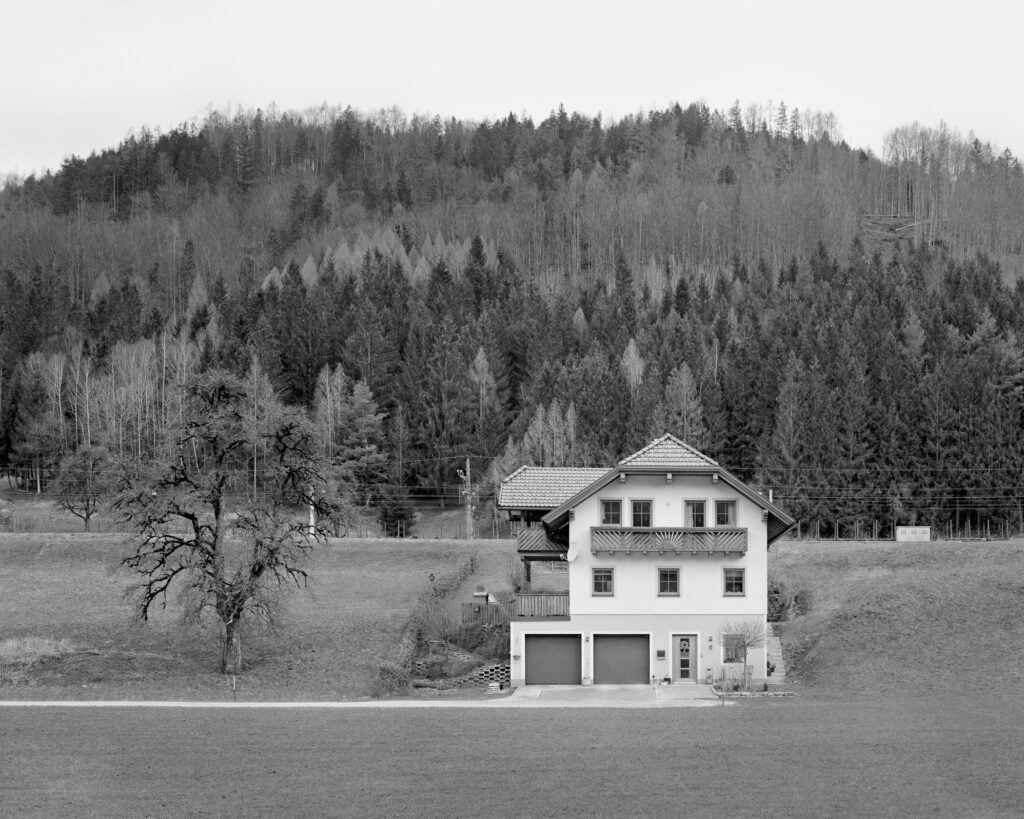
I wanted to explore the country I grew up in. A chance journey brought me to Micheldorf in Upper Austria, where I began photographing village life. I was drawn to the beauty of the everyday in a community of nearly 6,000 people, for whom Micheldorf is the centre of their lives.

As I became more familiar with the place, I became increasingly aware of the limits of trying to describe a social space through a single photographic narrative. There were different stories, perspectives and ways of approaching the same place. Even its name pointed to multiplicity: three other places in Austria are called Micheldorf. The project gradually expanded beyond one location.

For the book, I was interested in constructing a sense of place and identity through selection and sequencing of photographs and text fragments.

I developed three versions of the book. Each contains exactly the same material, arranged in an entirely different sequence. Working through these sequences was a way of exploring several possible narratives without adding or removing anything.
The versions are distributed at random and marked 1/4, 2/4 and 3/4. A fourth version was never made.

Book available at: The Eriskay Connection


EXHIBITIONS
2025 / Sensen Museum Micheldorf / solo / Micheldorf in OÖ, AUT
2024 / Les Rencontres de la Photographie / group / Arles, FR
2023 / Goethe Exil / group / Hannover, DE
2021 / Graduation Show, BA Photography, KASK / Ghent, BE


AWARDS
2025 / Nomination, PHotoESPAÑA Best Photography Book of the Year
2024 / Nomination, German Photobook Award
2023 / Nomination, C/O Berlin Talent Award


TEXT
2025 / tagebuch.at
2025 / faz.net
InfoX
BEZIRK 05

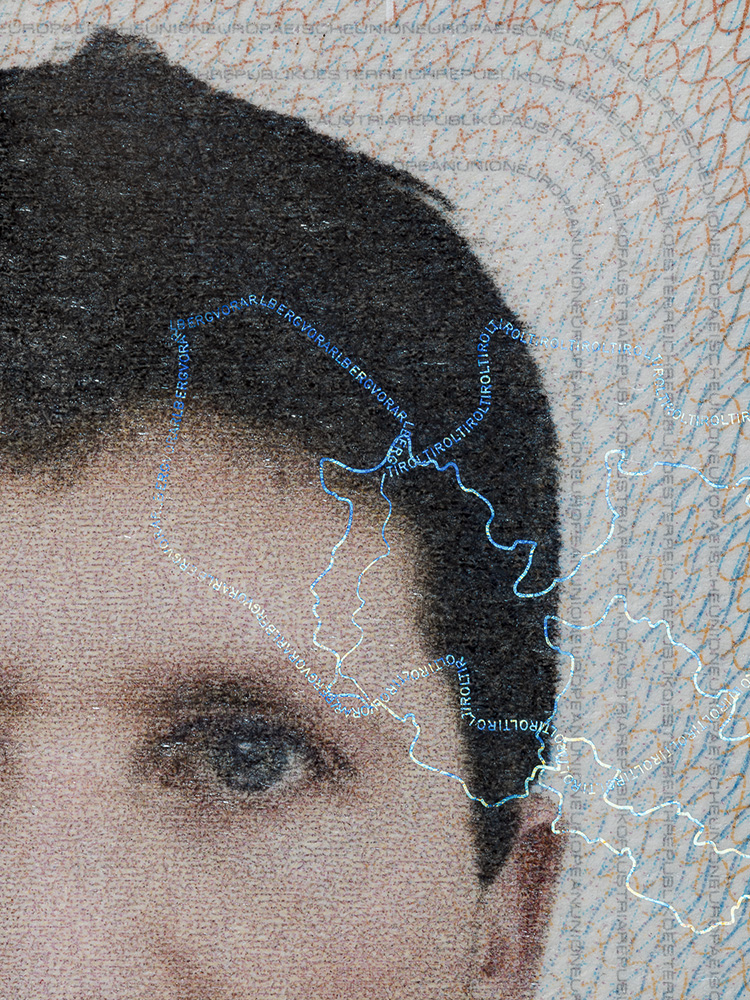
The work began in Gries, Graz’s fifth district, in the streets around the BAU, the exhibition venue of steirischer herbst ’25. The neighborhood is home to diaspora communities from regions affected by conflict. At the time of the project, more than half of the district’s residents did not have Austrian citizenship. In the 2024 Styrian state election, the far-right Freedom Party (FPÖ) had received the largest share of votes in Gries.


I wanted to understand what democracy looks like at this scale, and how everyday participation relates to political representation. Who helps sustain a neighborhood through work, care and organization? Who has the right to vote?

I visited migrant organizations and local pubs, spoke with residents from different backgrounds and photographed the people and places I encountered: streets, entrances, shops, courtyards, poll sites and meeting places. Through these conversations and encounters, I investigated different ways of belonging to the same district, the relationships between its inhabitants and the tensions between them.

What concerned me was the distance between being part of a city’s everyday life and being recognized as someone with a say in it.


The work was commissioned for steirischer herbst 25 / Never Again Peace, under the artistic direction of Ekaterina Degot, and developed in close collaboration with Pieternel Vermoortel and Beatrice Forchini.


installation view © steirischer herbst / kunst-dokumentation.com
InfoX
AUF BEKANNTEN WEGEN
National Socialism in Ötztal

Commissioned by the Ötztaler Museen, this work follows traces of National Socialism in Ötztal, the valley I grew up in. I encountered fragments of this dark past in archives and cellars, in stories, in names of places and family histories, in museum storage rooms and in the landscape familiar to me.

I wanted to understand how this past becomes visible in a place I know. What remains? What continues to be told? What disappears in the gaps of our memory?

The work brings archival material together with photographs and reenactments. Bodies appear in places where images are missing. These reconstructions remain deliberately fragile, carrying the gaps and uncertainties of the material they draw on. The present enters the image, and the attempt to approach the past stays visible.


I often thought of Walter Benjamin’s image of excavation. For me, remembering meant working through layers, turning fragments over, leaving soil attached. It also meant considering where I stood in the terrain. I was looking for this history in the place I come from.


EXHIBITION
2025 – Auf den Zweiten Blick – NS Zeit im Ötztal, Ötztaler Museen, solo, Längenfeld, AT 

InfoX
ES WERDE SCHNEE
A Search for Traces of Snowmaking in Alpine Landscapes

A white slope carries an image of winter. In Es werde Schnee, I followed what it takes to maintain that image: snow cannons, reservoirs, pipelines and pumping systems, and the water and energy needed to keep them running.

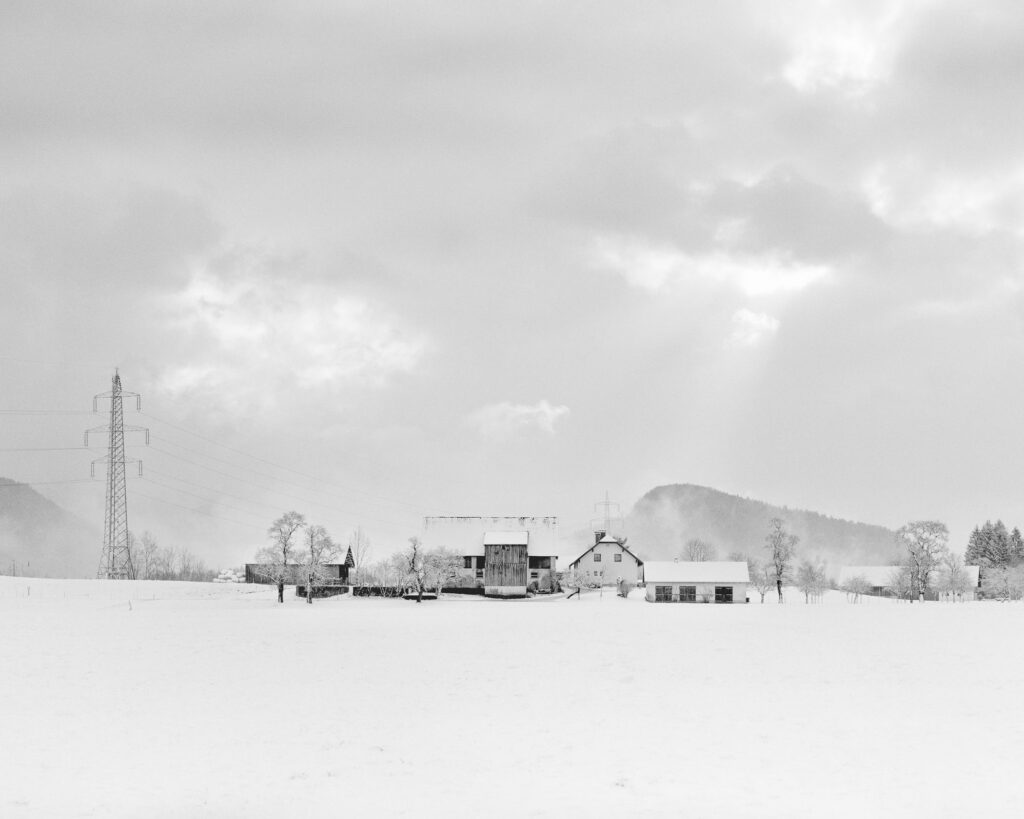
I worked in Alpine regions in Austria, Italy, Switzerland and Germany. In a warming climate, snowmaking helps sustain skiing when natural snowfall alone is no longer enough. Its infrastructure also changes the landscape. A place is altered so that it can continue to offer an experience of nature.

Once on the slope, machine-made snow can look much like natural snow. The difference lies in how it comes to be there, and in the systems that make its presence possible. I was interested in how our expectations of winter guide what is built, altered and maintained in the mountains. Producing snow also means keeping a particular idea of the Alps in place.

Throughout the project, I was concerned with snow, its disappearance and the effort to prolong its presence, and with what we call natural in a landscape increasingly organised around the production of winter.


EXHIBITIONS
2026 / Die Berge Tirols / group / Museum Europäischer Kulturen / Berlin / GER
2022 / 12. Wiesbadener Fototage / group / Wiesbaden / GER
2021 / VGH Fotopreis / Galerie für Fotografie / group / Hannover / GER
2021 / Sparkassenstiftung Lüneburg / solo / Lüneburg / GER
2019 / Chobi Mela Festival / screening / Dhaka / BD

AWARDS
2022 / True Picture Award / nomination
2021 / PUNKT Journalist Award / winner
2020 / VGH Fotopreis / winner

Images from the project have been published in Die Zeit, Zeit Campus, Falter, Datum, and Frankfurter Allgemeine Zeitung (FAZ)


Ausstellungsansicht: ©Juergen Straser
InfoX
JOSEF
1935–2023

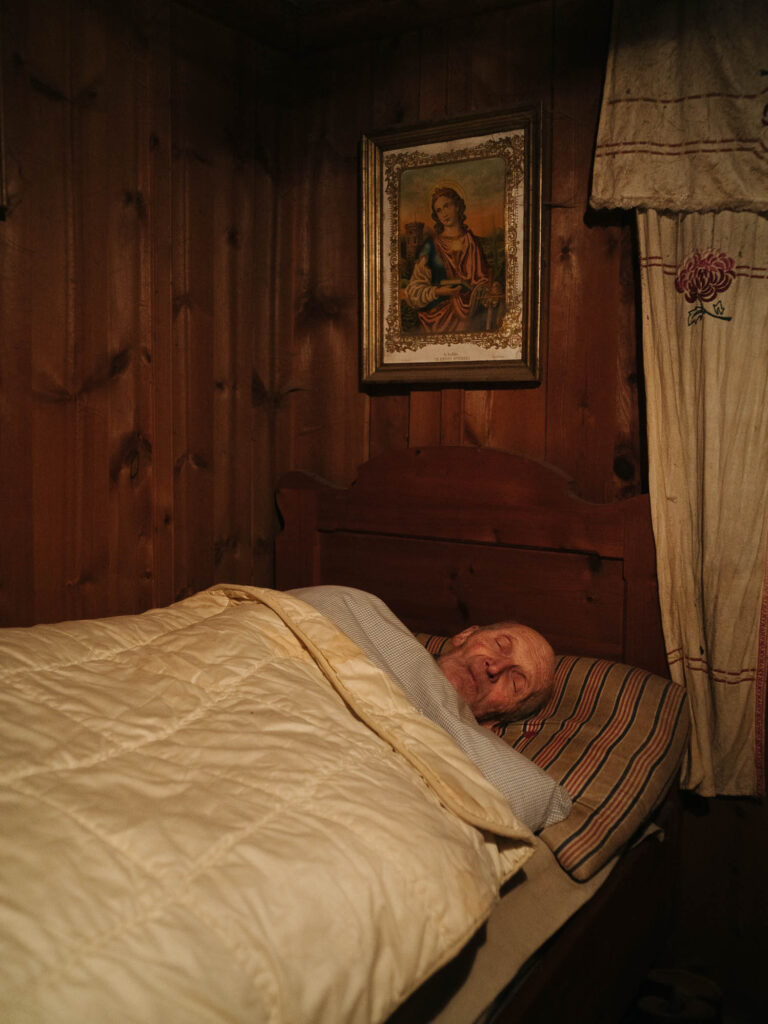
I had known Josef since my childhood. Like many people in the village, I knew who he was without really knowing him. In 2017, the camera gave me a reason to knock on his door – I began to photograph him, and we gradually became friends.

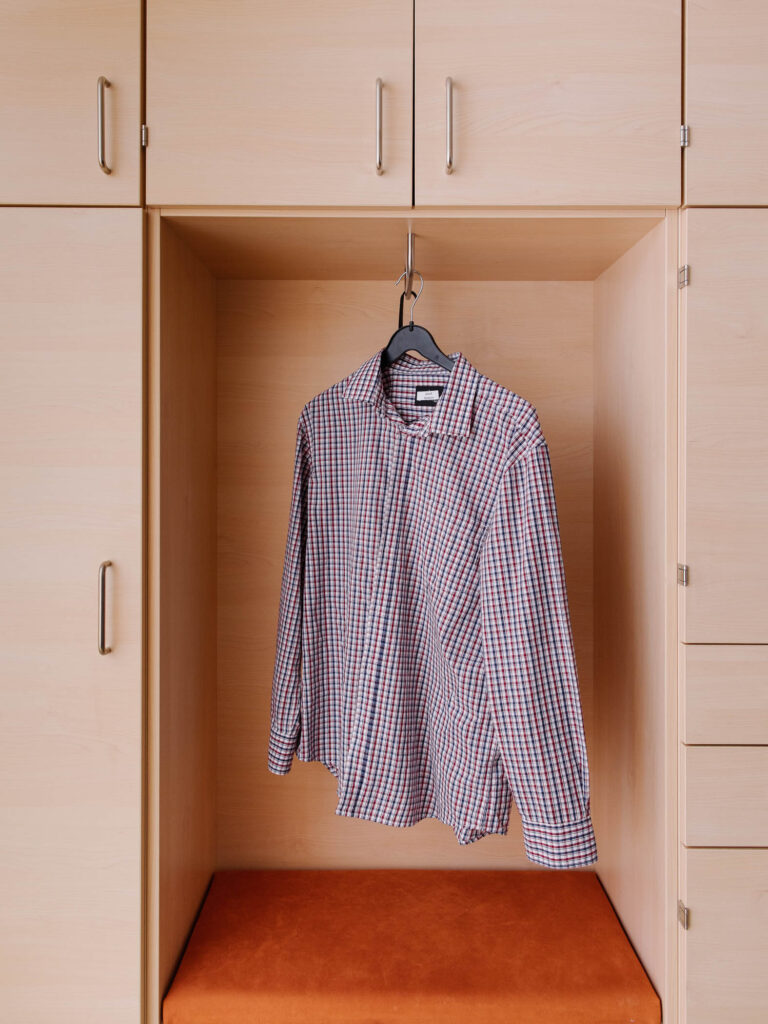
He lived in the middle of the village, in an old farmhouse without running water or a working heating system. Few relatives, few friends, few words. I was drawn to the dark rooms and old beams, and to the repeated gestures of his work with animals and hay. In the photographs, these details could take on a romantic warmth that sat uneasily with the cold and loneliness of his daily life.

When Josef moved into a care home in 2018, I continued to photograph him there. His days now followed the routines of care, in brighter rooms with smooth surfaces, care beds and linoleum floors.


EXHIBITIONS
2022 / First Pages, Rautenstrauch-Joest-Museum / Cologne, DE
2018 / Lumix Festival / Hannover, DE
2018 / Visa pour l’Image / Perpignan, FR

AWARD
2018 / Audience Award, Hannoversche Allgemeine Zeitung (HAZ)

IMPRINT X

Elias Ferdinand Holzknecht


Lilienthalgasse 25
8020 Graz
Austria


Contact
Phone: +43 664 123 69 21
Email: office@eliasholzknecht.at
Website: https://eliasholzknecht.at


VAT identification number: ATU67804414
Member of the Austrian Federal Economic Chamber
Supervisory / trade authority: Graz City Administration (Magistrat Graz)
Applicable legislation: Austrian Trade Regulation Act 1994 (Gewerbeordnung 1994 – GewO), available at www.ris.bka.gv.at


Disclosure pursuant to Section 25 of the Austrian Media Act

Media owner: Elias Ferdinand Holzknecht
Address: Lilienthalgasse 25, 8020 Graz, Austria
Principal place of business: Graz


Business information in the Austrian Economic Chamber’s company directory

PRIVACY POLICY X

Controller: Elias Ferdinand Holzknecht, Lilienthalgasse 25, 8020 Graz, Austria. Contact: office@eliasholzknecht.at.

Automatic Data Retention

When you visit this website, our hosting provider processes technical information, including your IP address, browser information, requested pages and access times, to deliver and secure the website. Processing is based on legitimate interests under Article 6(1)(f) GDPR. Data is retained as necessary for operation, troubleshooting and security, or to meet legal obligations.

Contact

If you contact us, your contact details and message are processed through our email provider to respond to your enquiry, under Article 6(1)(b) or (f) GDPR. Providing this information is voluntary but necessary to receive a reply. Correspondence is retained as needed to handle your enquiry, meet legal obligations or address legal claims.

External Services

This website loads animation software through jsDelivr (Volentio JSD Limited, United Kingdom). Your IP address and technical request data are transmitted to jsDelivr and its delivery providers for reliable content delivery, based on Article 6(1)(f) GDPR. Processing may take place outside the EEA, including in the United States. Data is retained for operational, security and legal purposes. Further information: jsDelivr Privacy Policy.

Your Rights

Subject to the GDPR, you have rights of access, rectification, erasure, restriction and data portability. You may object to processing based on legitimate interests on grounds relating to your particular situation, and lodge a complaint with a supervisory authority, including the Austrian Data Protection Authority.