Text
Text
AUF BEKANNTEN WEGEN
National Socialism in Ötztal
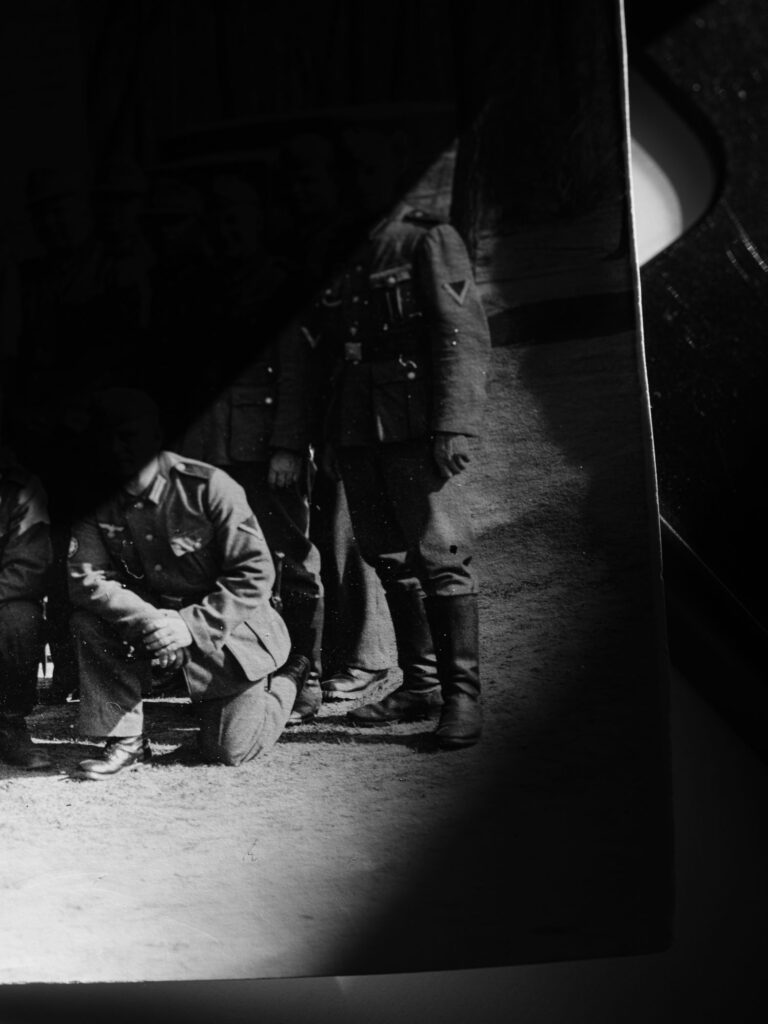
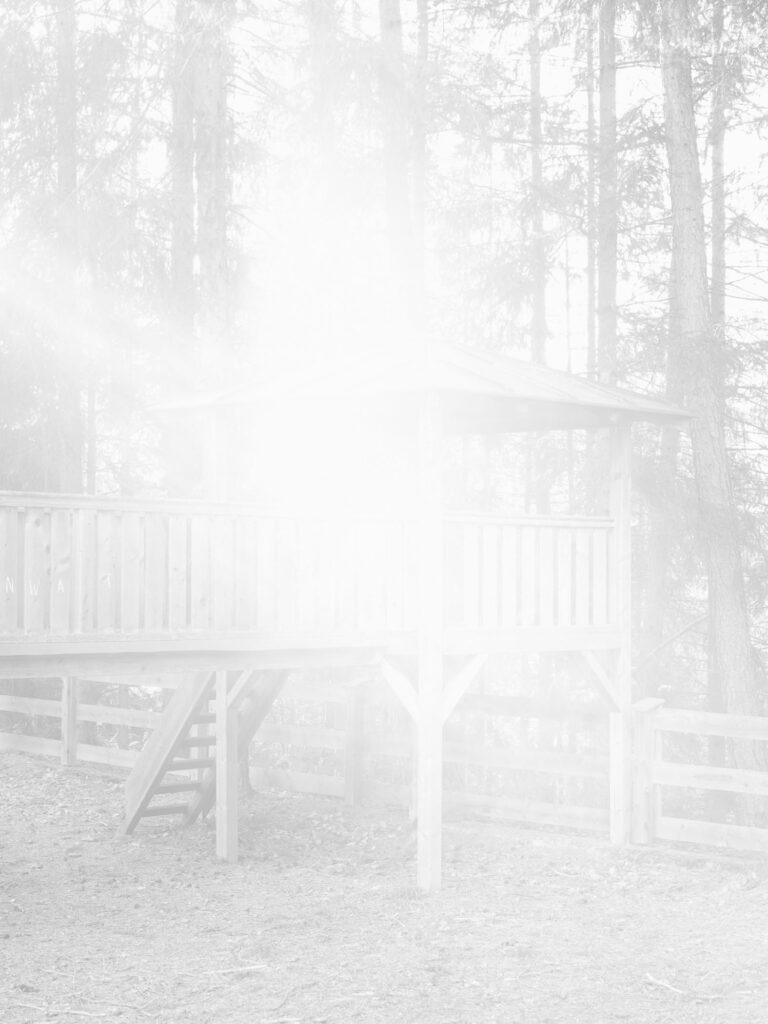
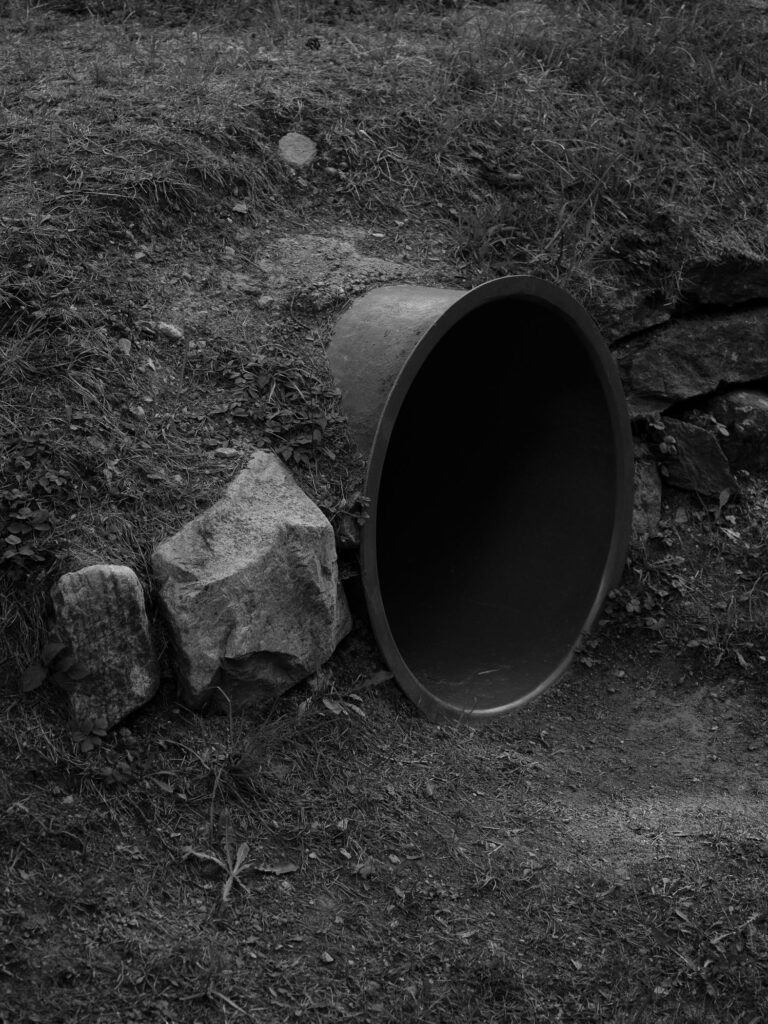
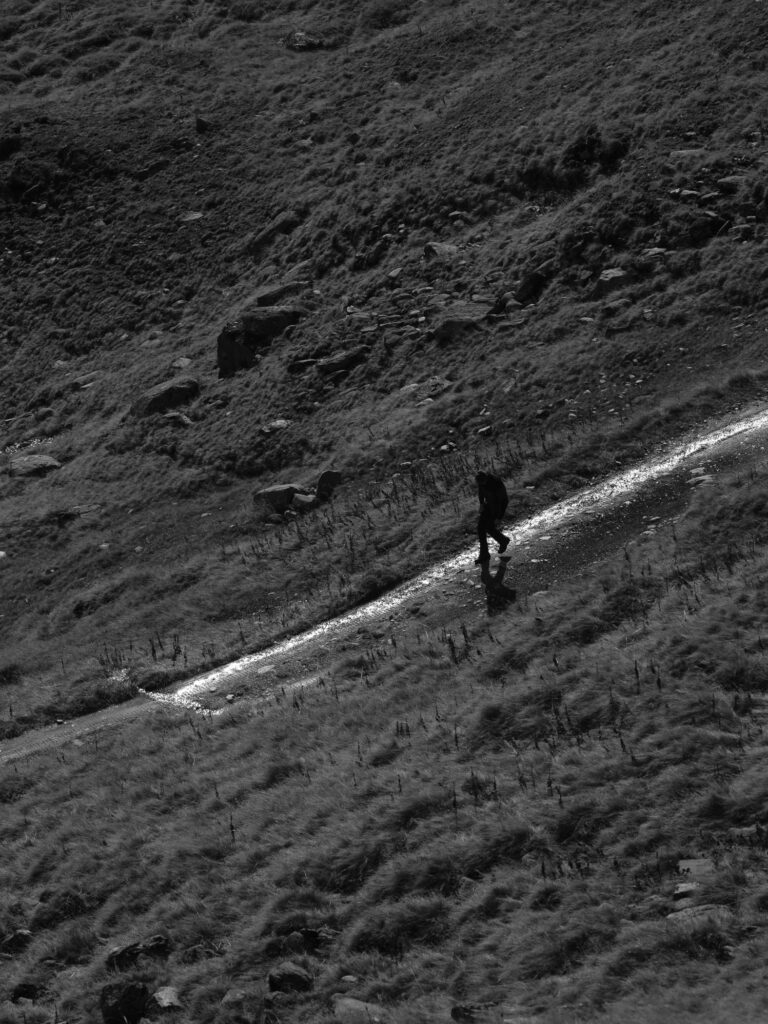
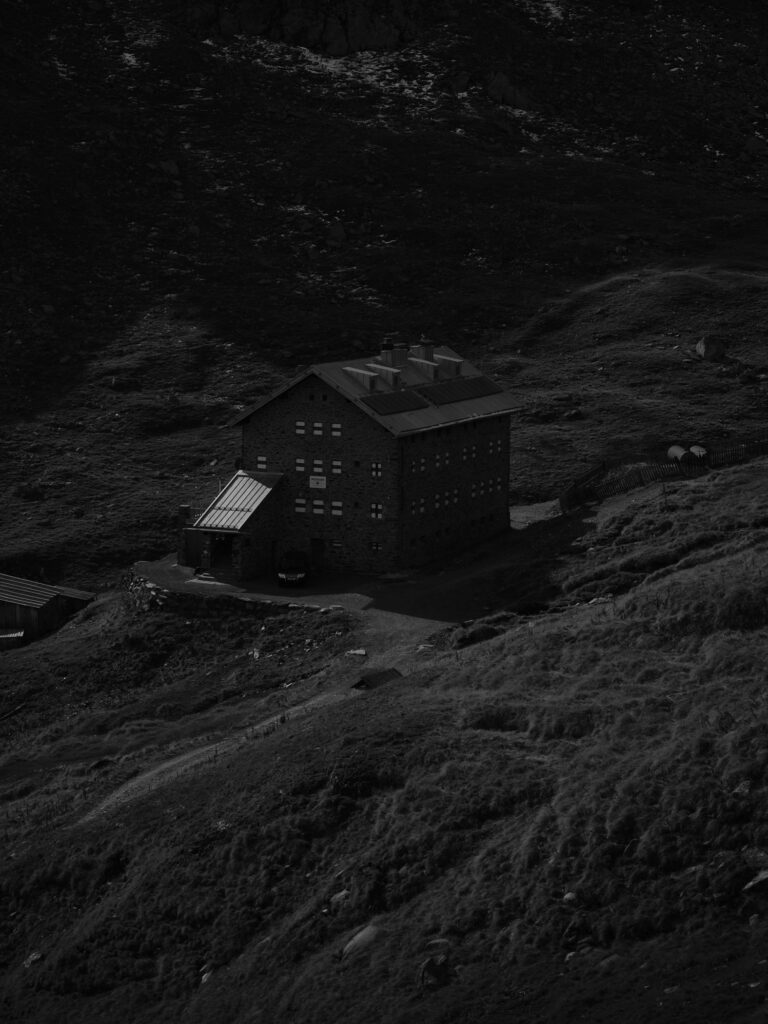
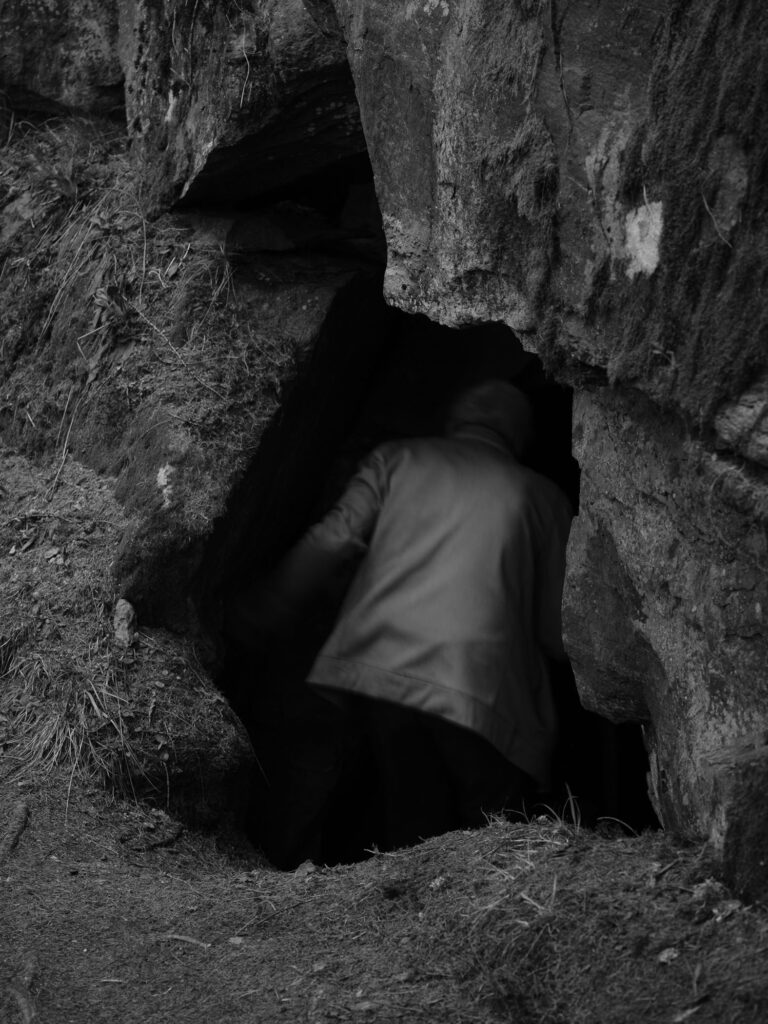
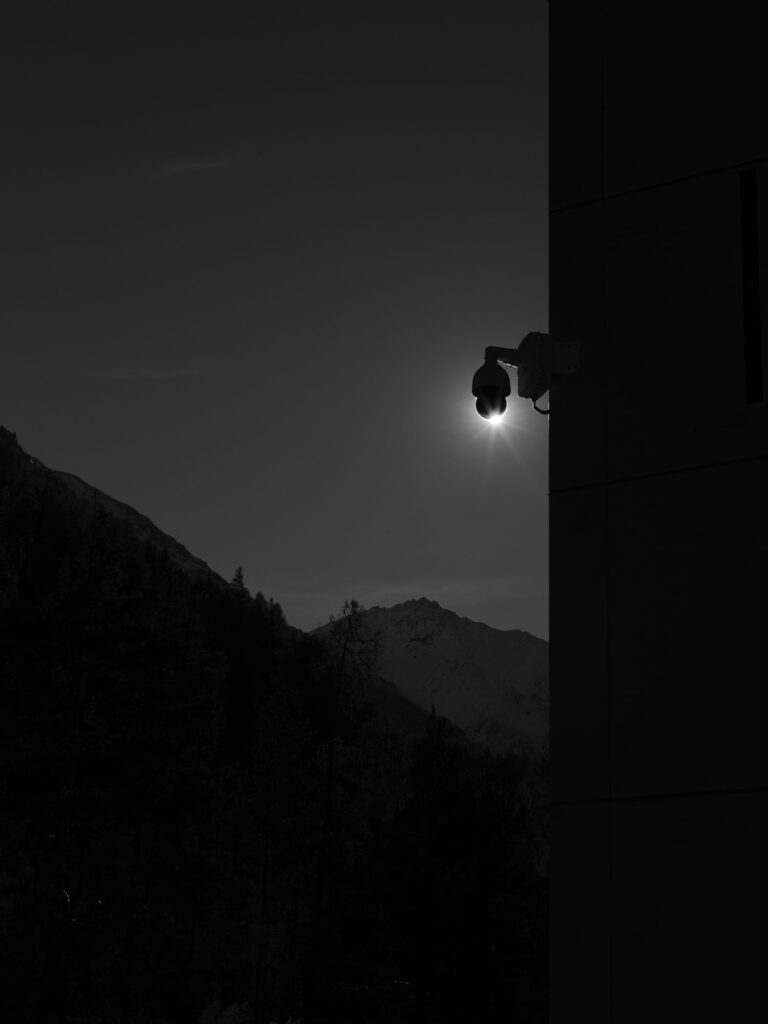
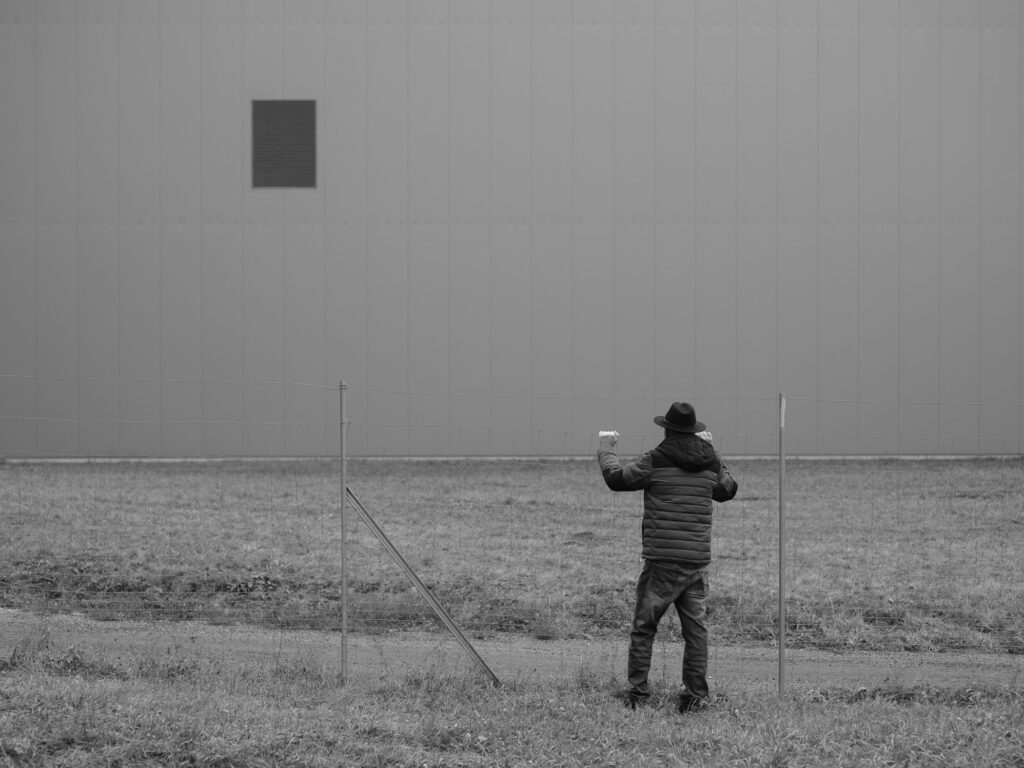
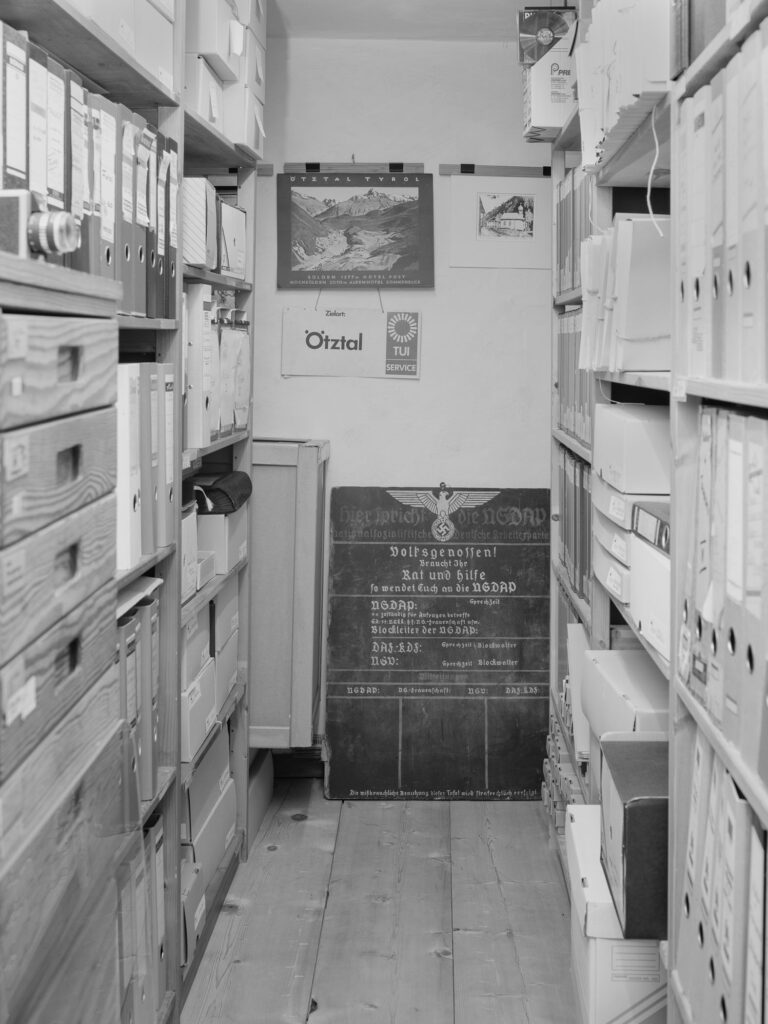
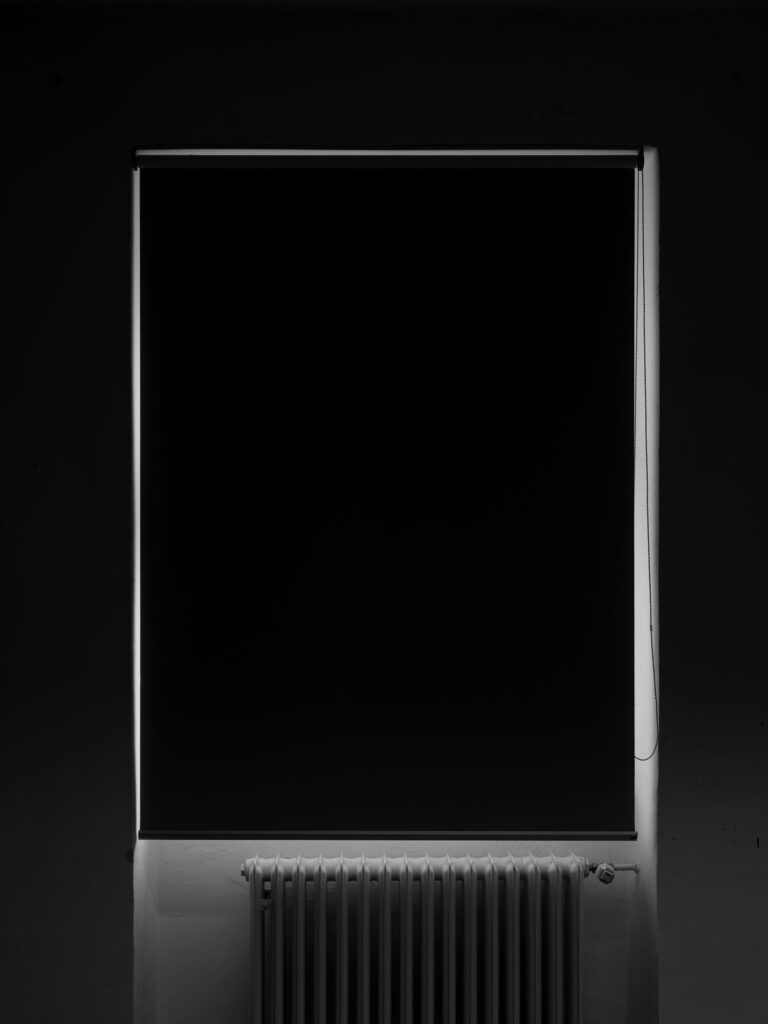
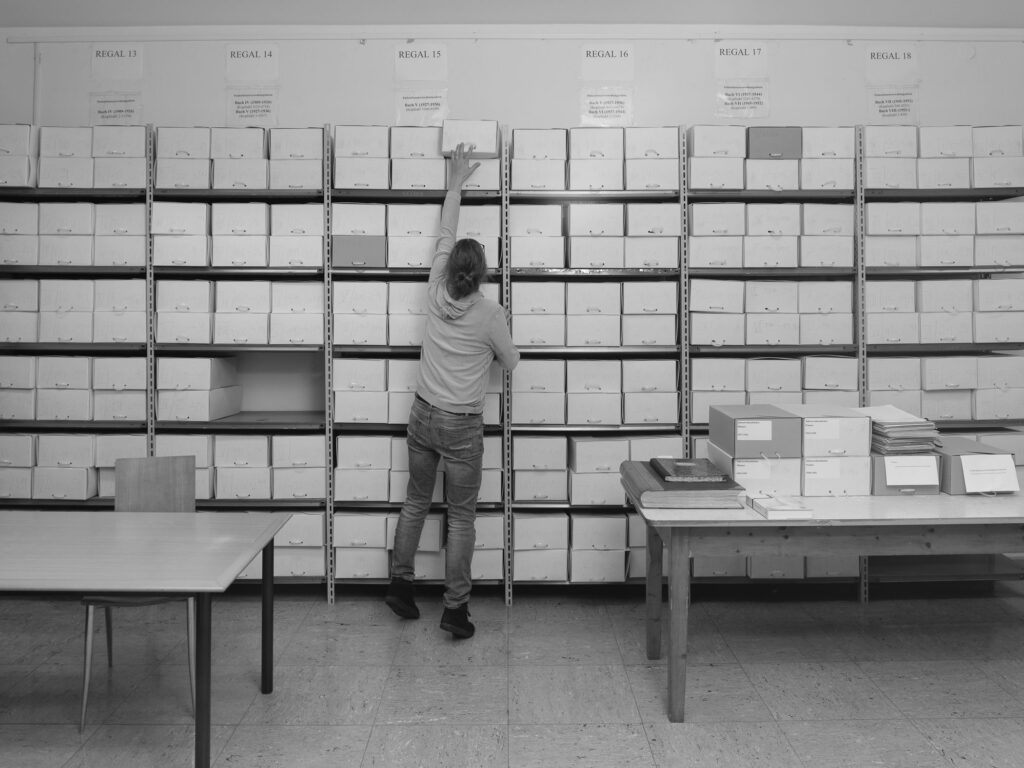
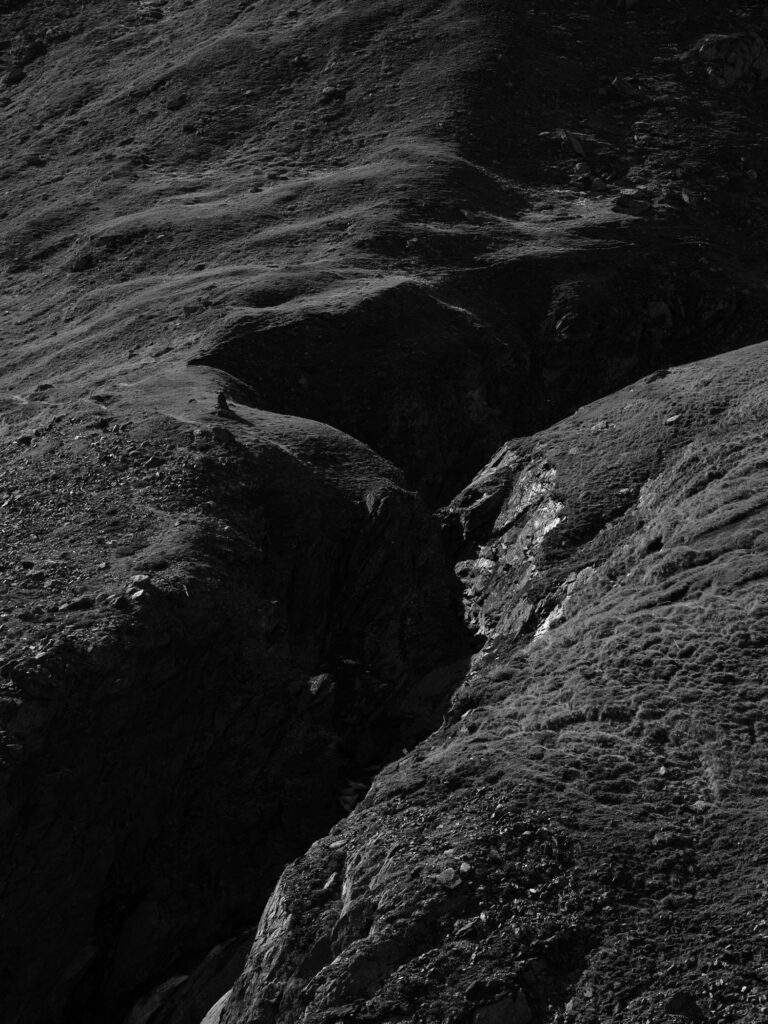
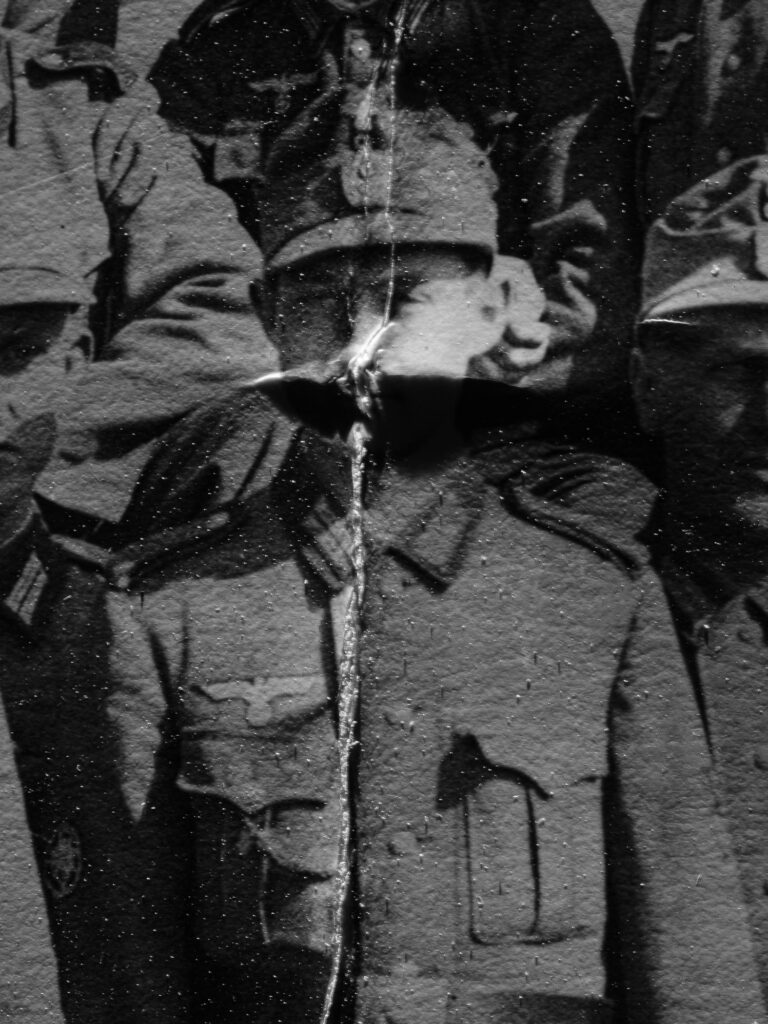
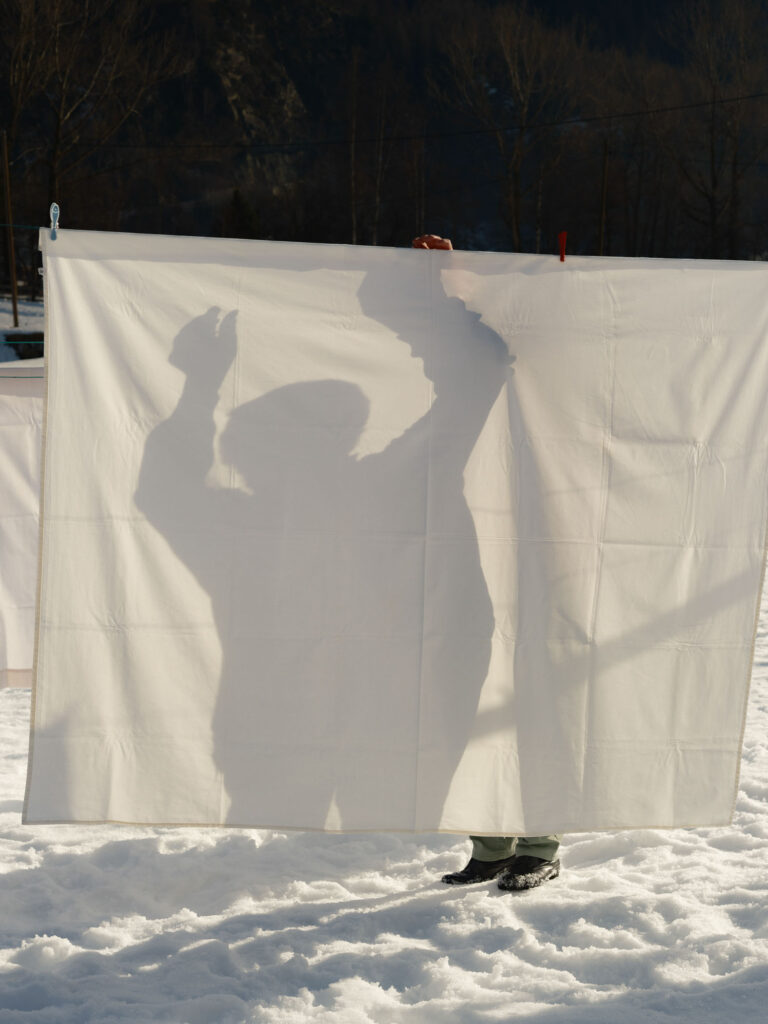
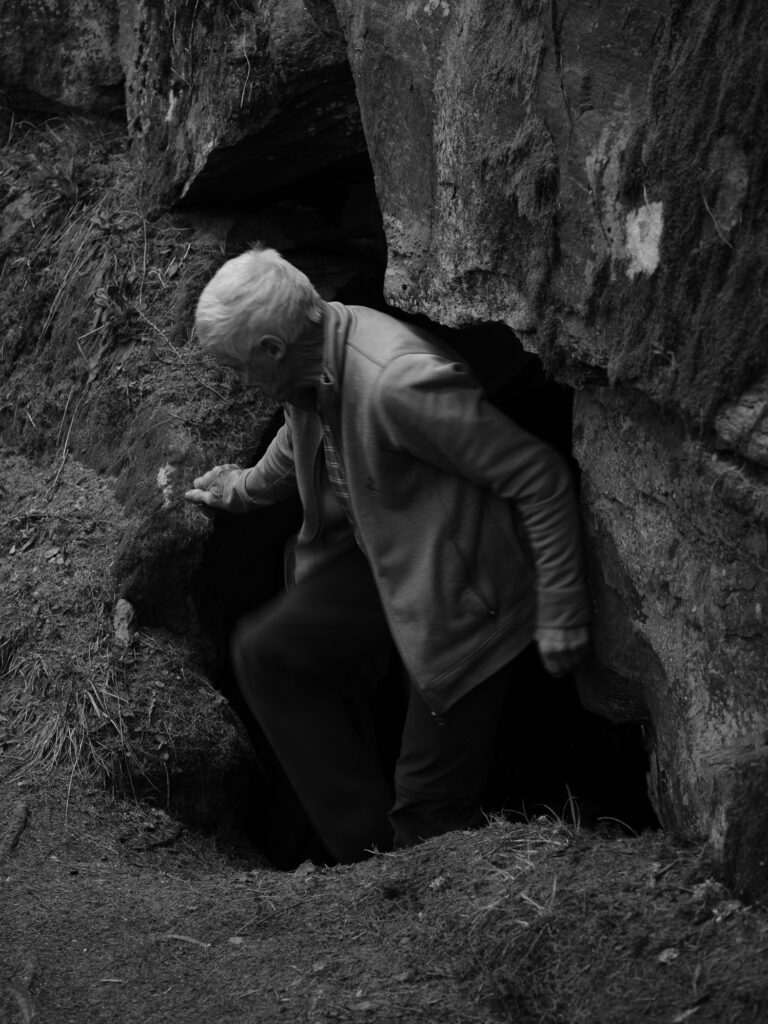
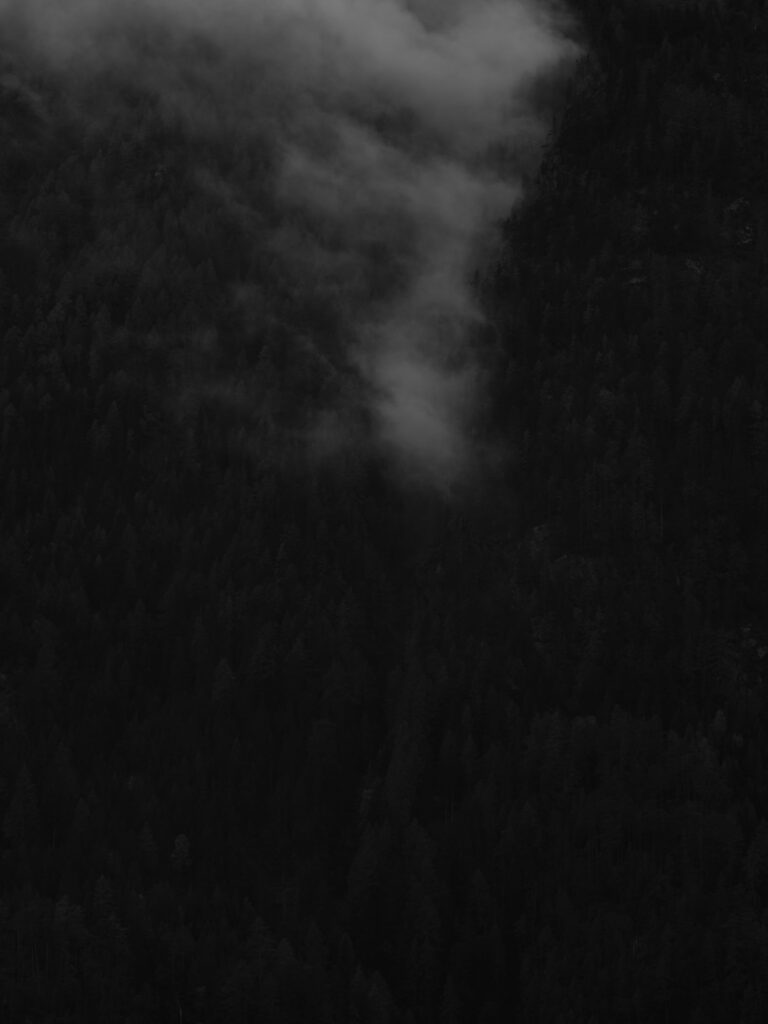
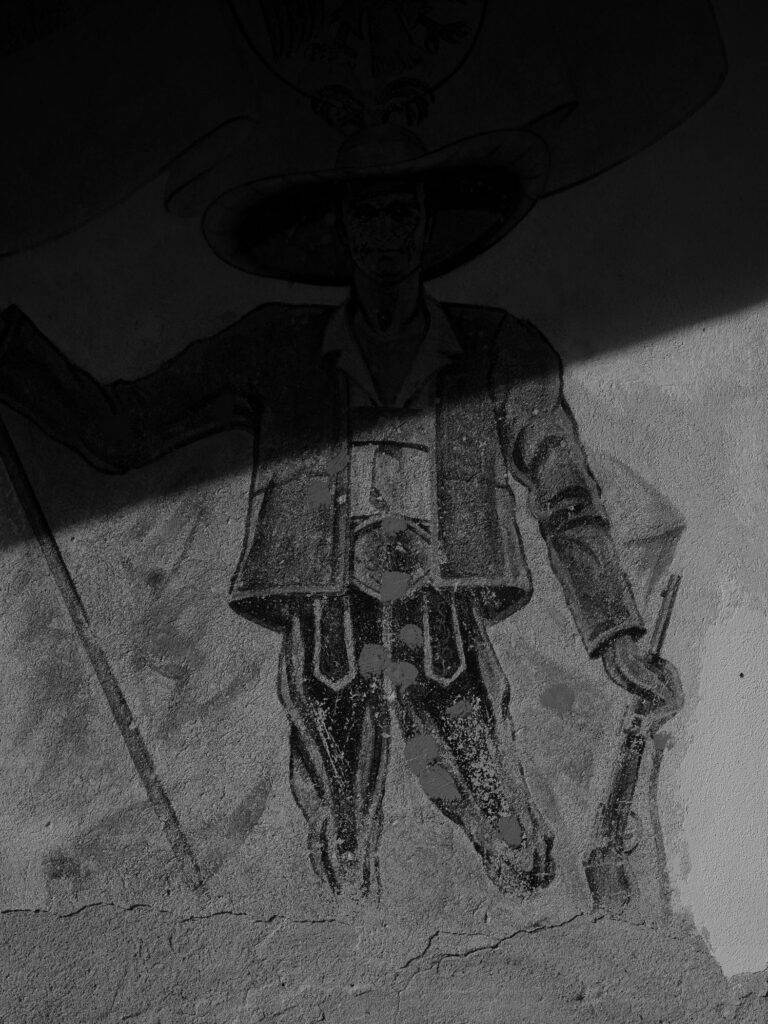
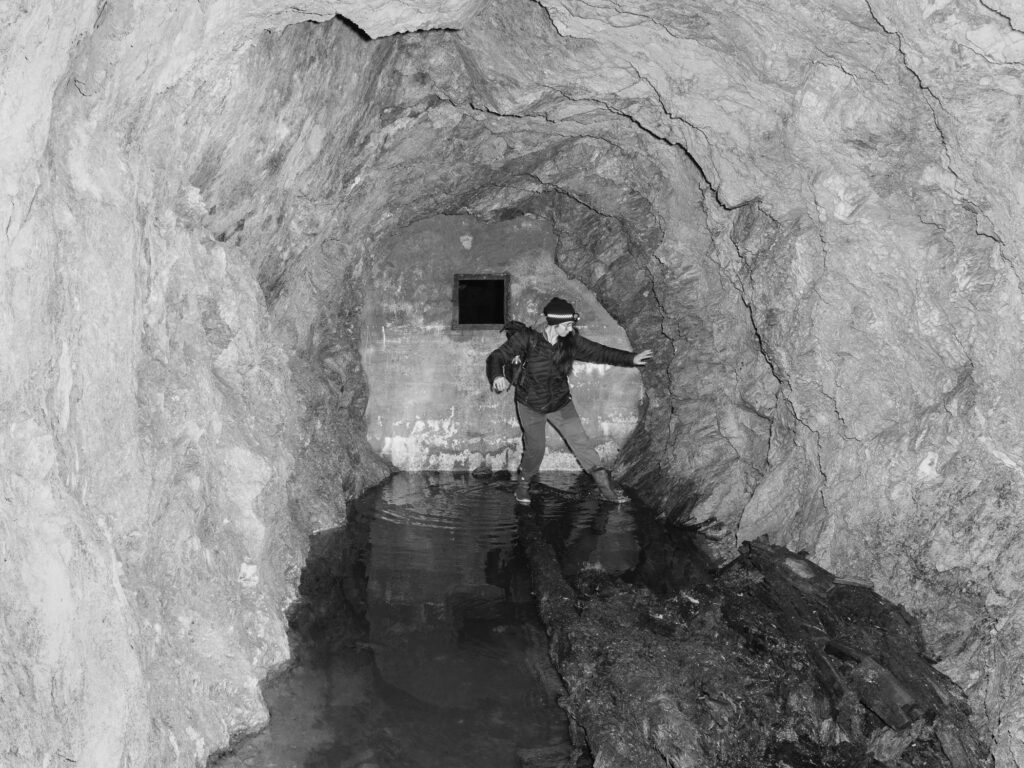
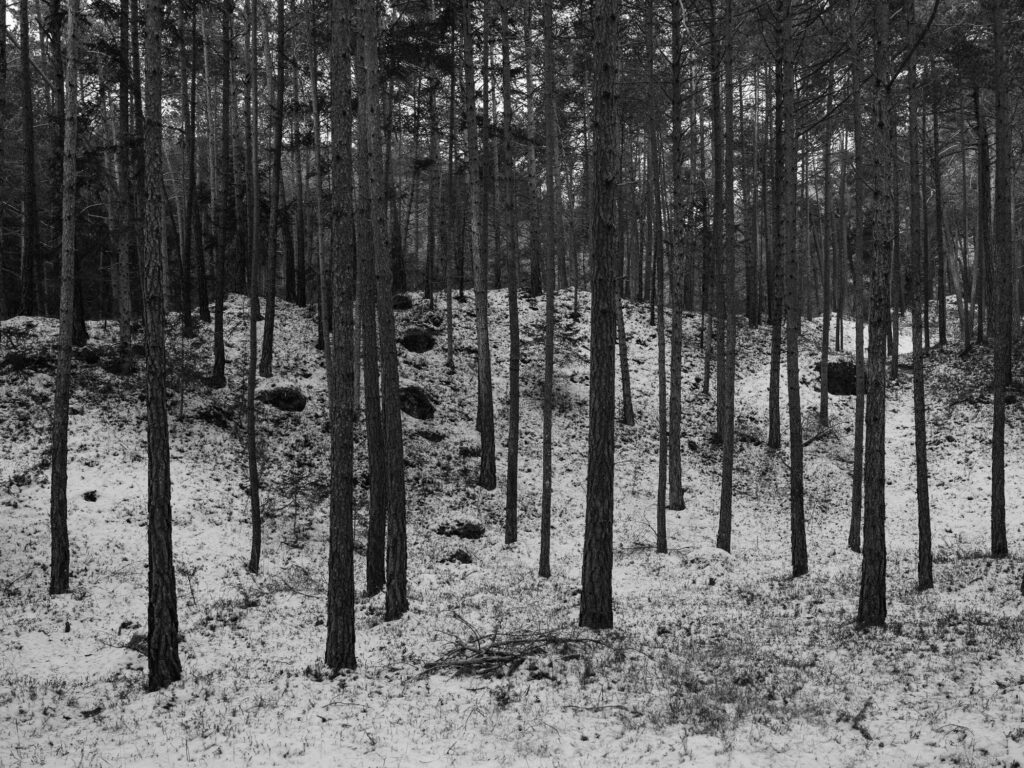
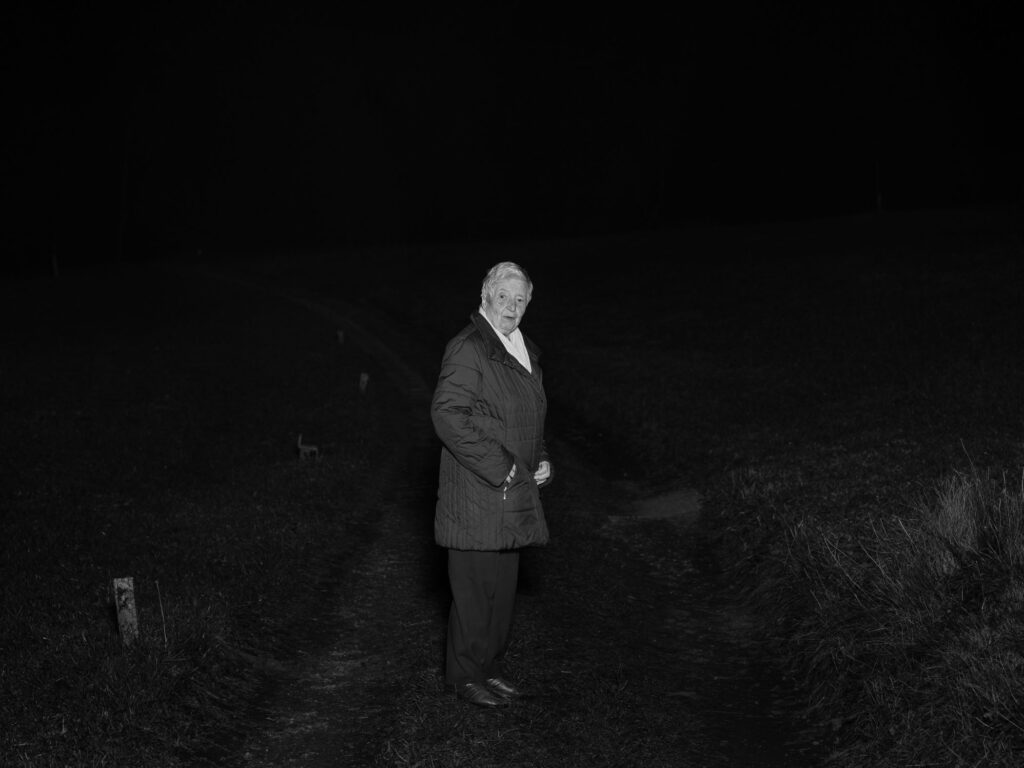
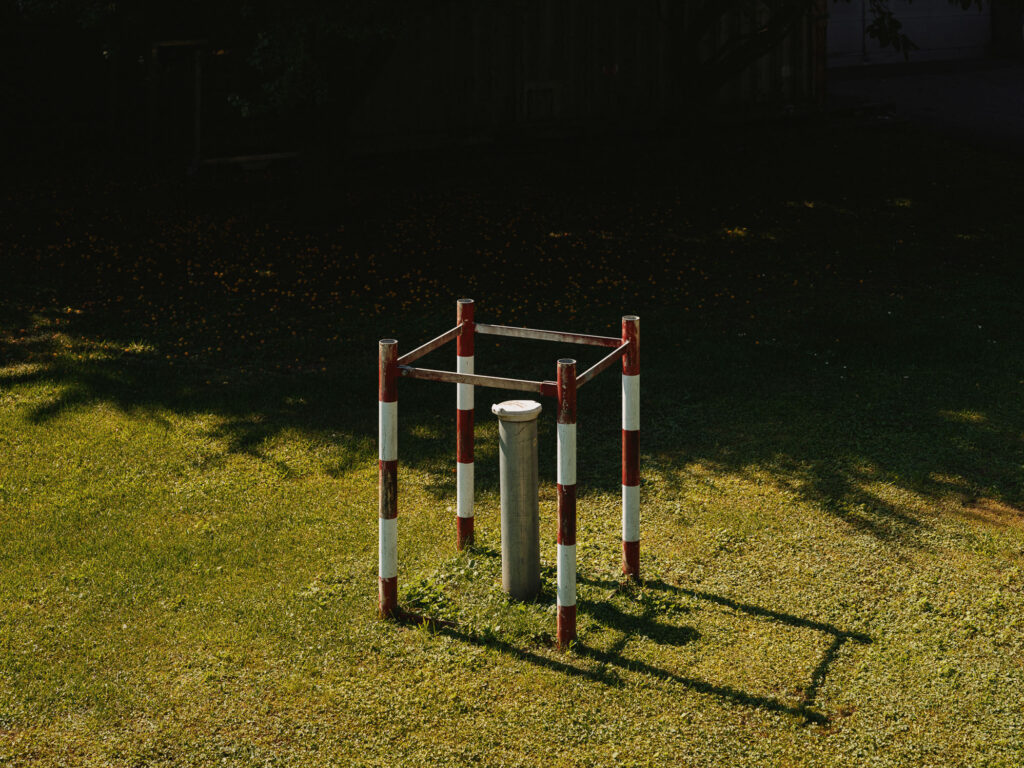
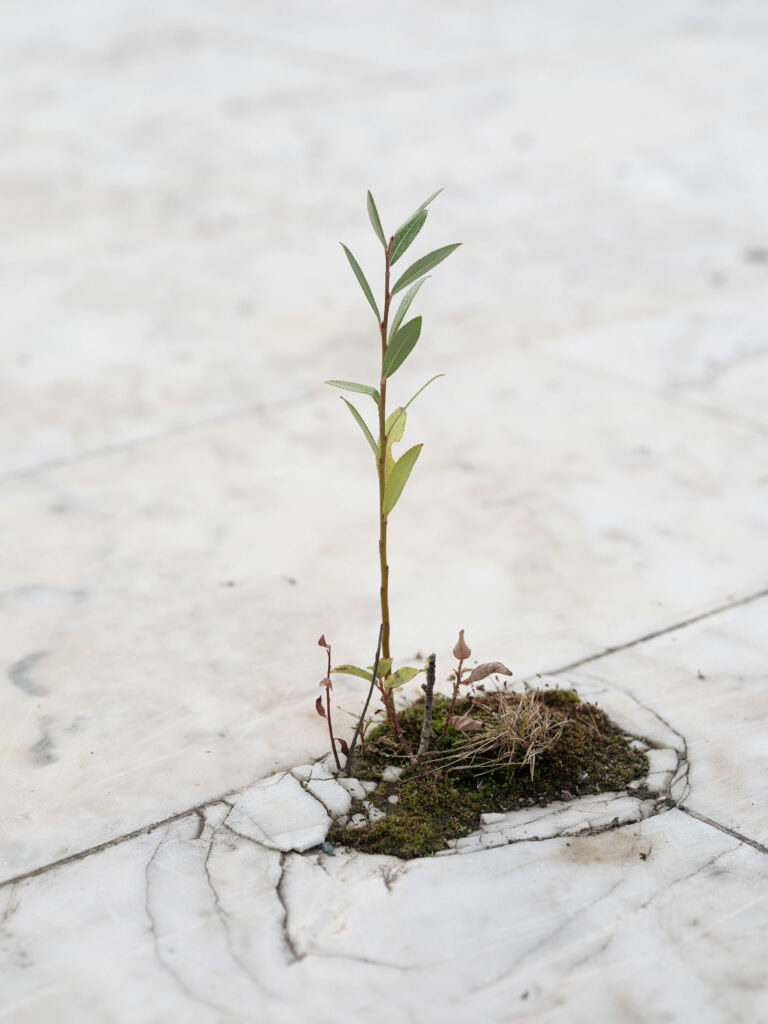
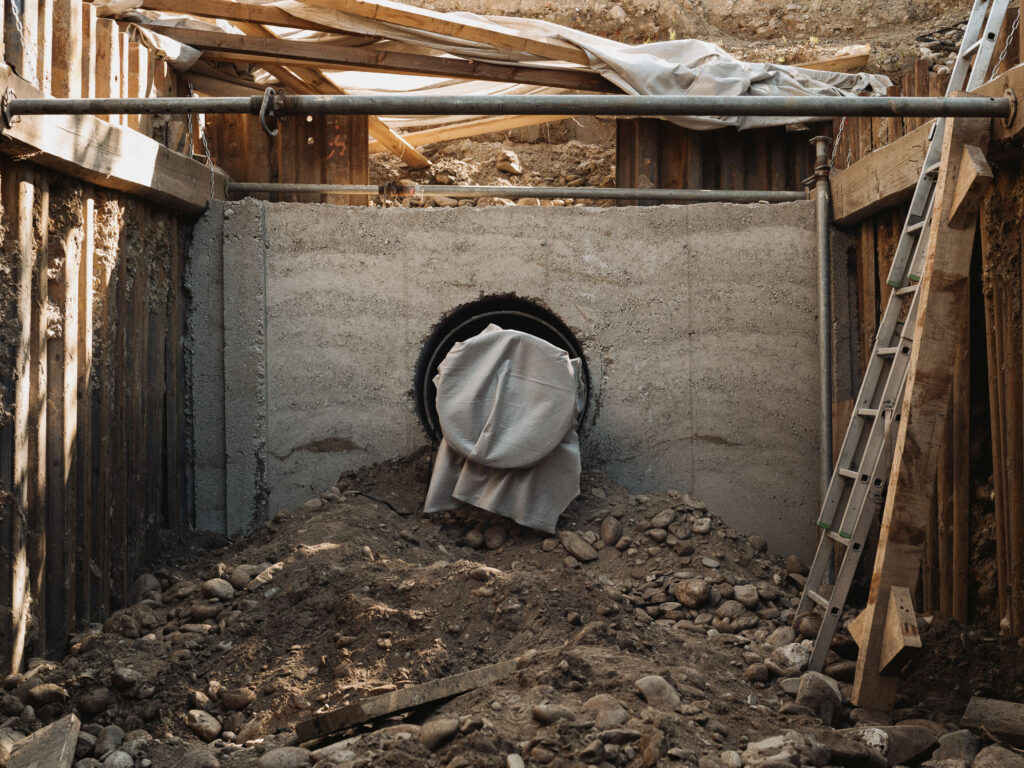
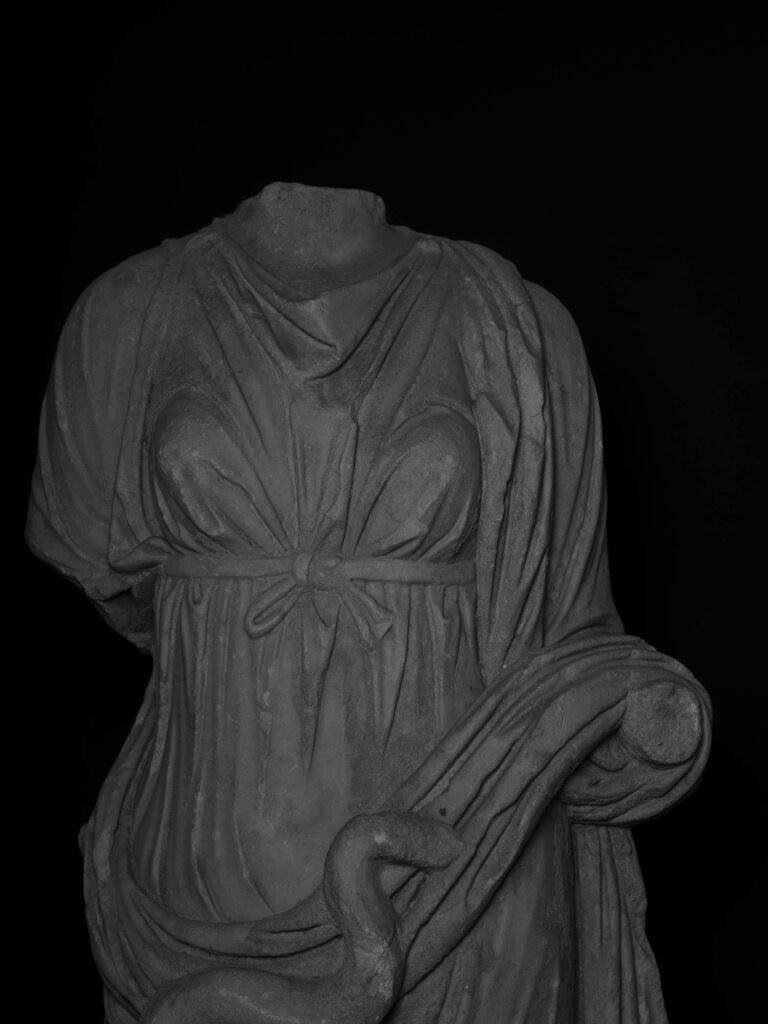
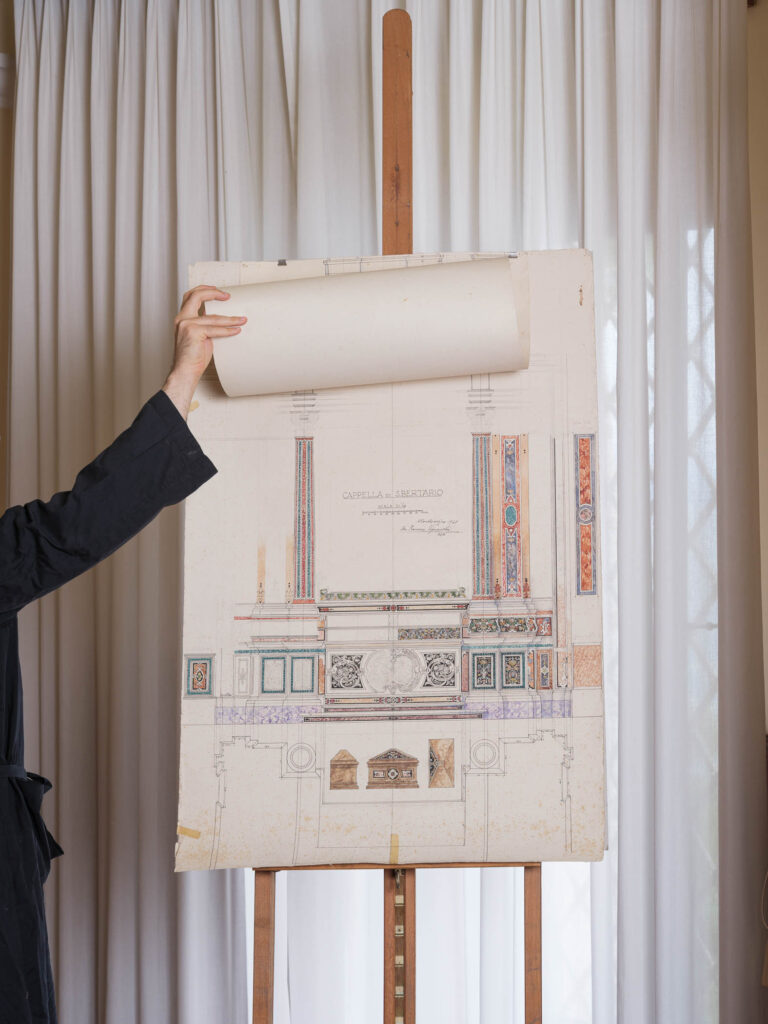
Commissioned by the Ötztaler Museen, this work follows traces of National Socialism in Ötztal, the valley I grew up in. I encountered fragments of this dark past in archives and cellars, in stories, in names of places and family histories, in museum storage rooms and in the landscape familiar to me.
I wanted to understand how this past becomes visible in a place I know. What remains? What continues to be told? What disappears in the gaps of our memory?
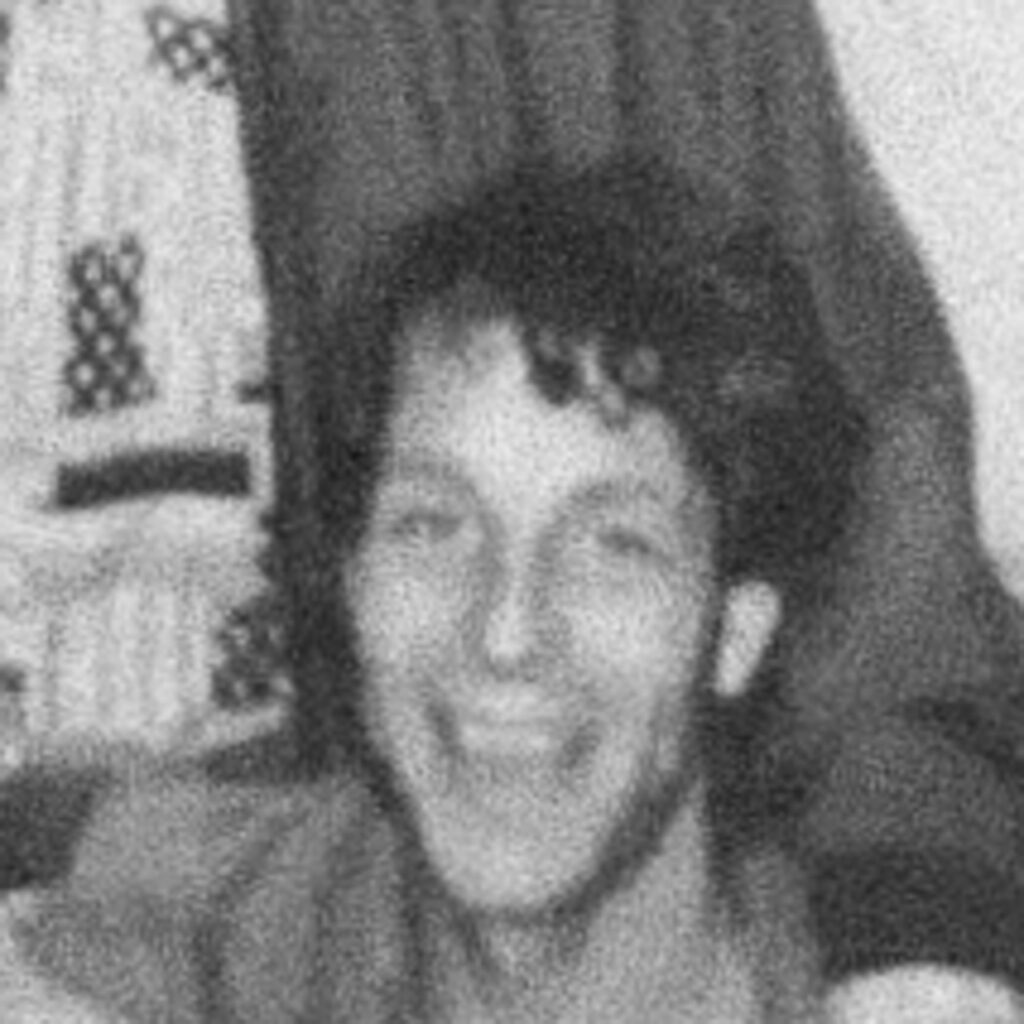
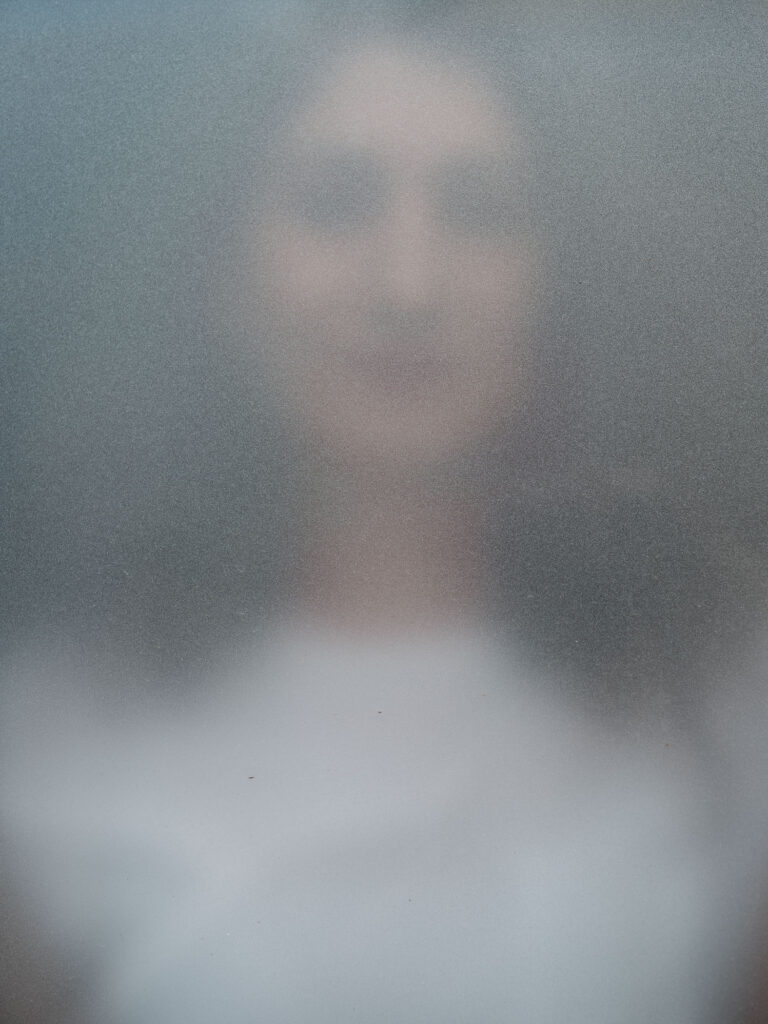
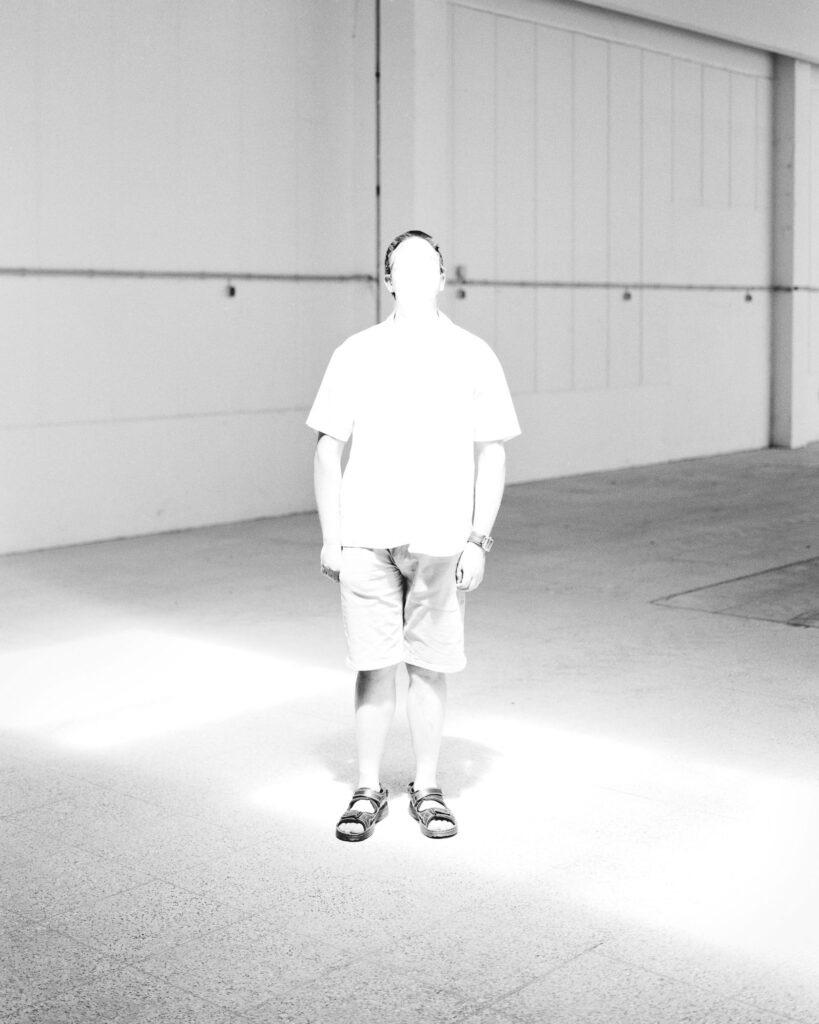
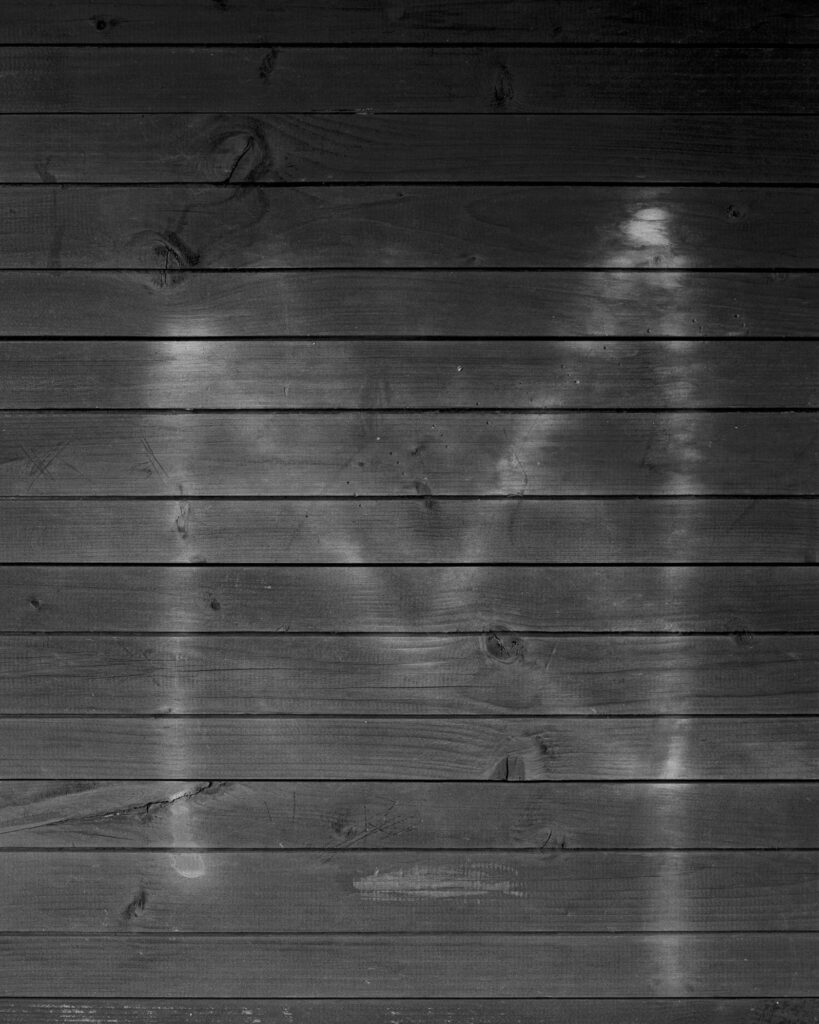
The work brings archival material together with photographs and reenactments. Bodies appear in places where images are missing. These reconstructions remain deliberately fragile, carrying the gaps and uncertainties of the material they draw on. The present enters the image, and the attempt to approach the past stays visible.

I often thought of Walter Benjamin’s image of excavation. For me, remembering meant working through layers, turning fragments over, leaving soil attached. It also meant considering where I stood in the terrain. I was looking for this history in the place I come from.

EXHIBITION
2025 – Auf den Zweiten Blick – NS Zeit im Ötztal, Ötztaler Museen, solo, Längenfeld, AT 



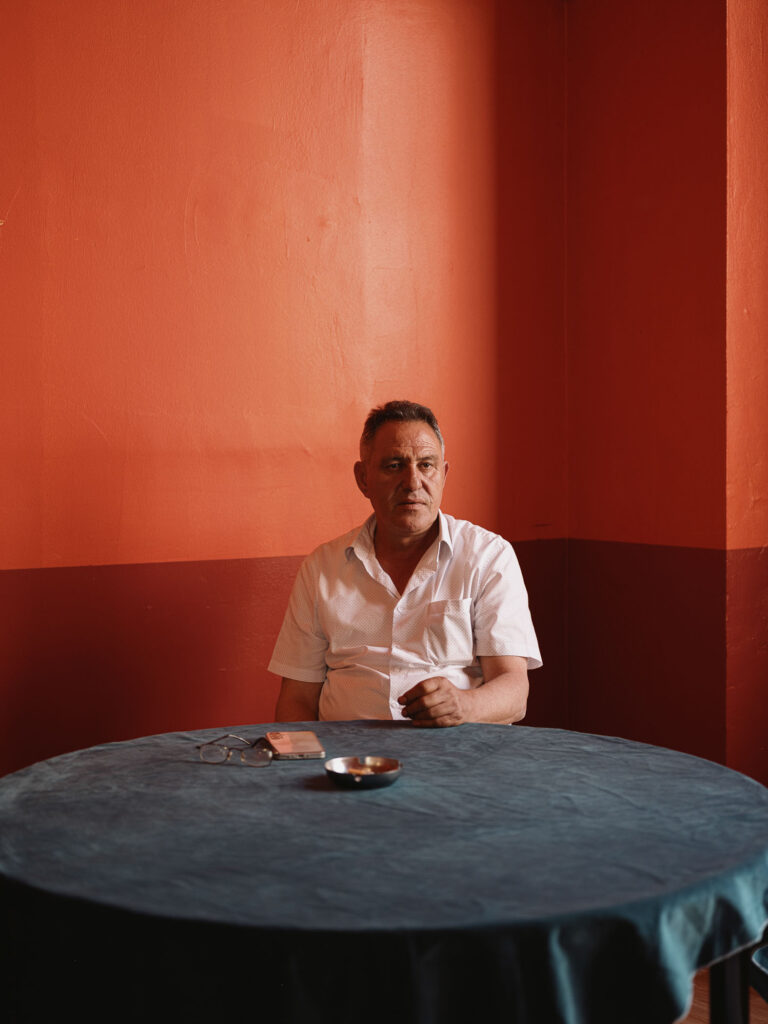
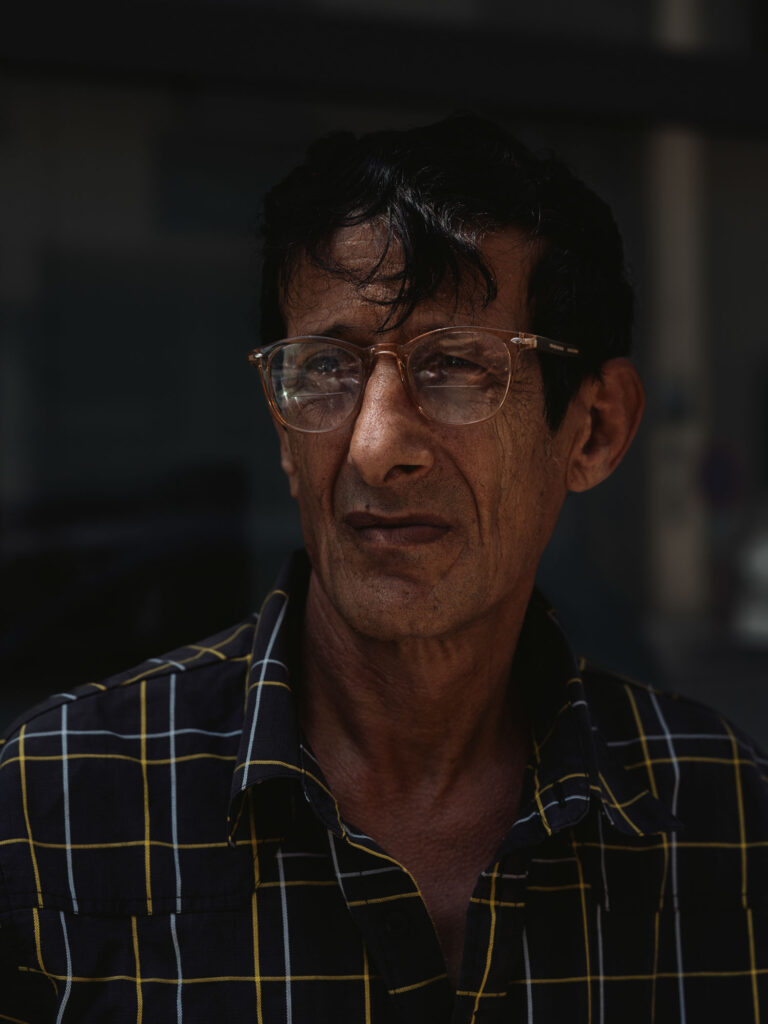
Abdul Hamid, Vater von Fahid



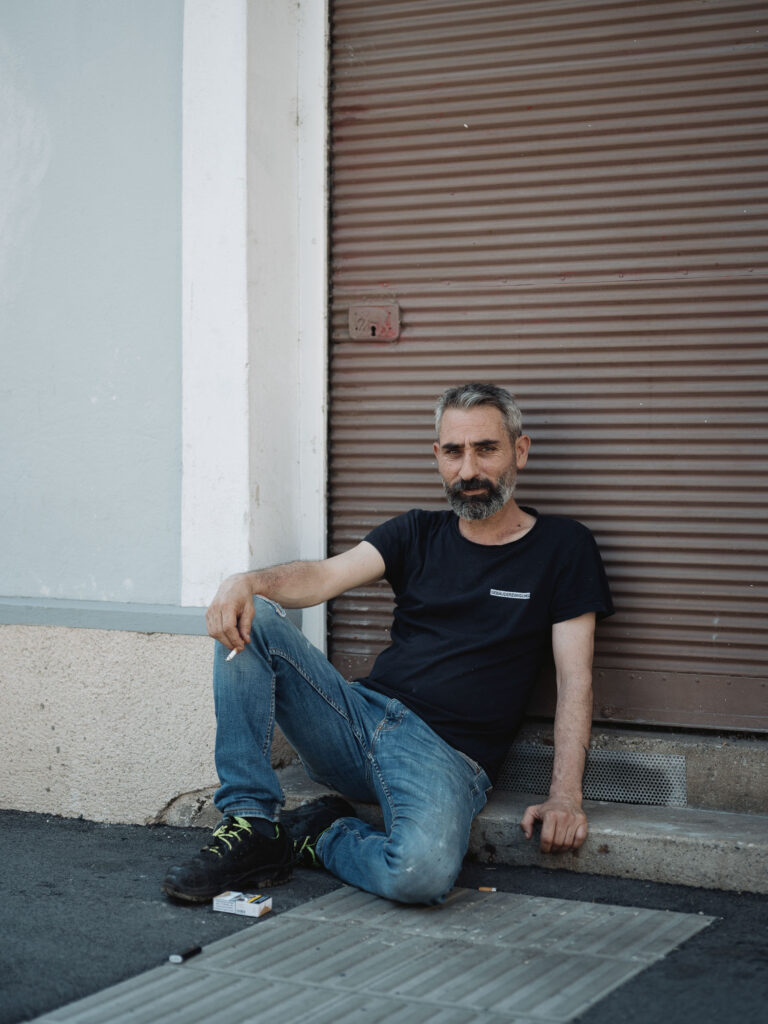
Huseyin Temizkan
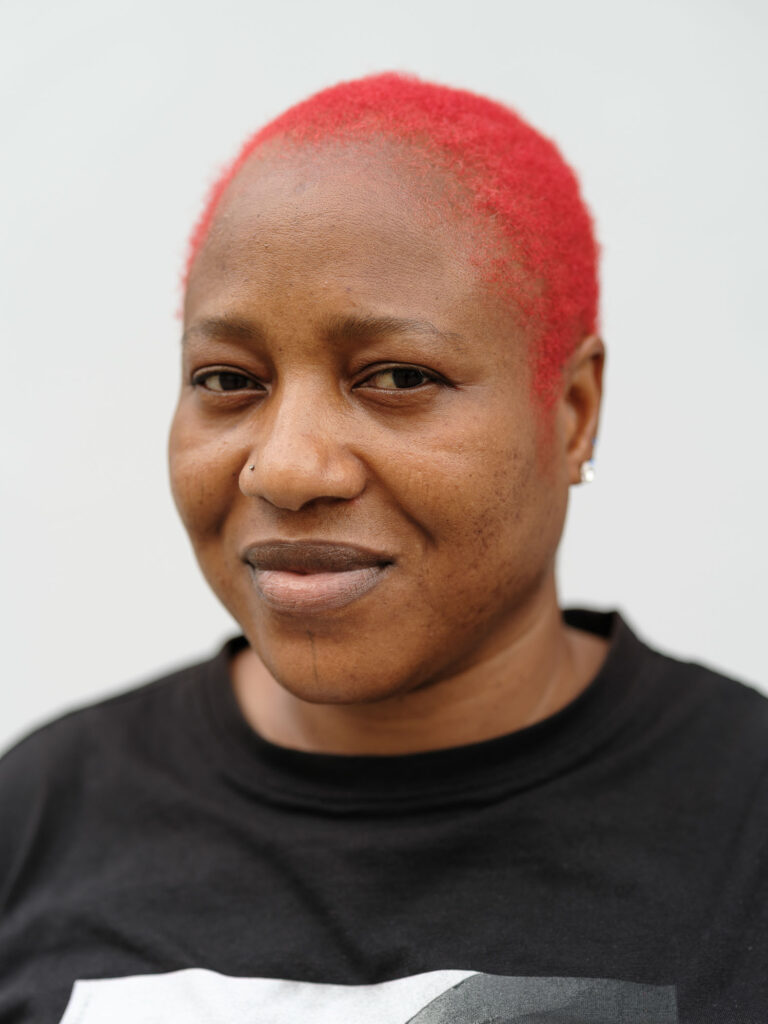
Binta
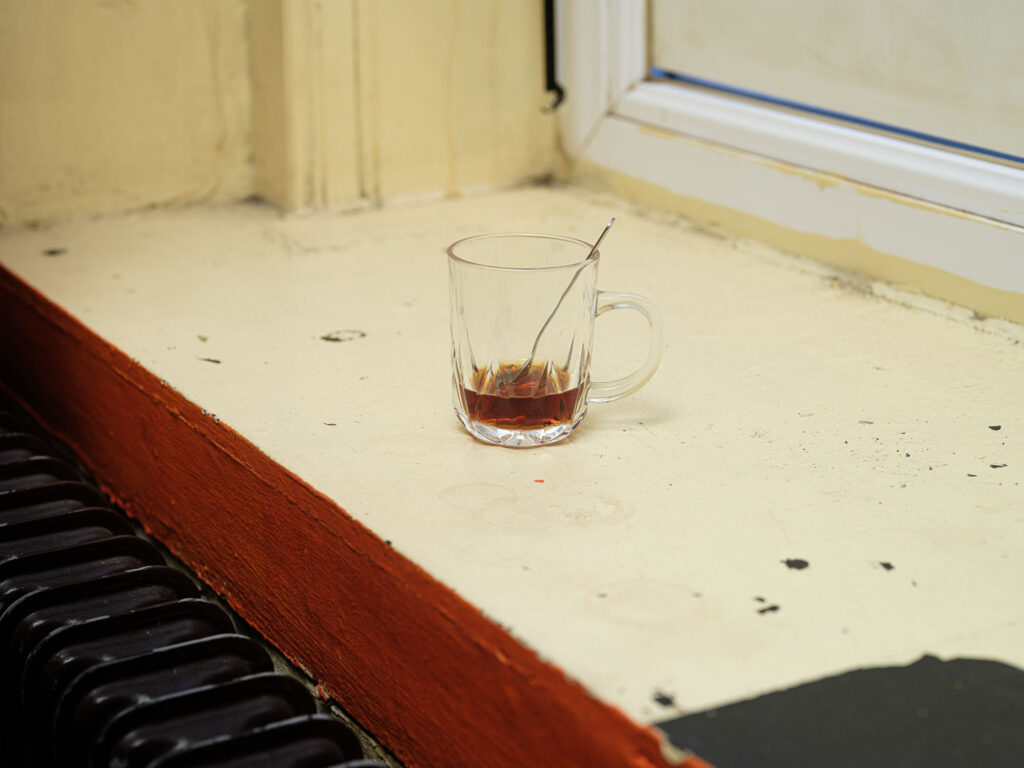


BEZIRK 05
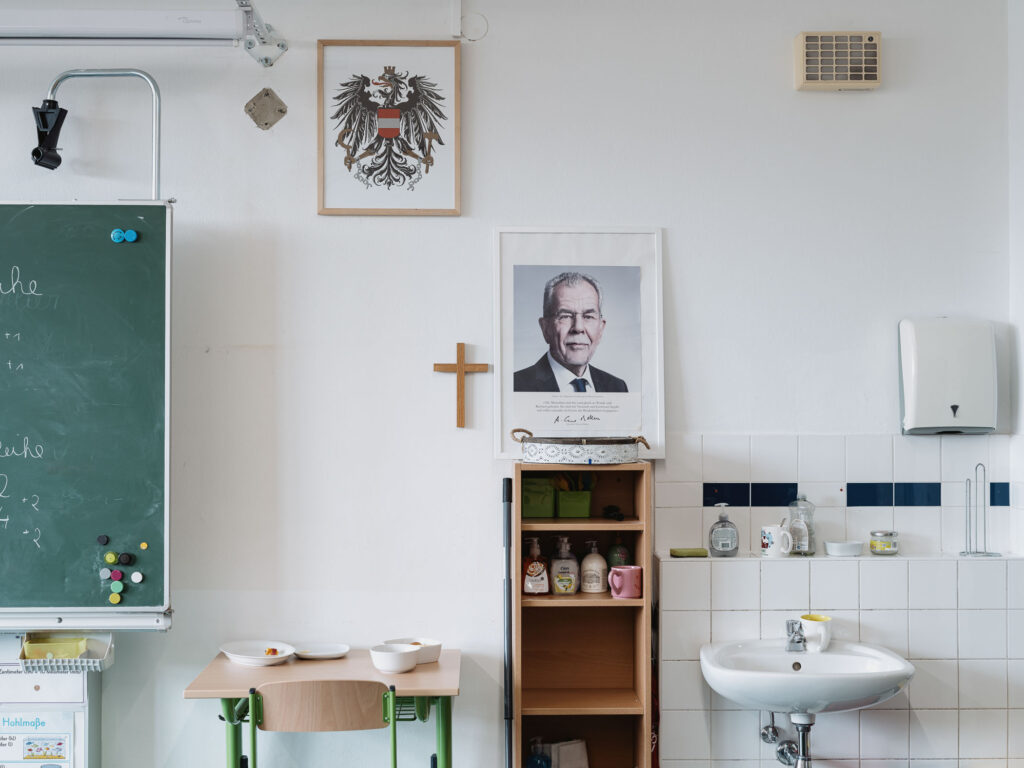
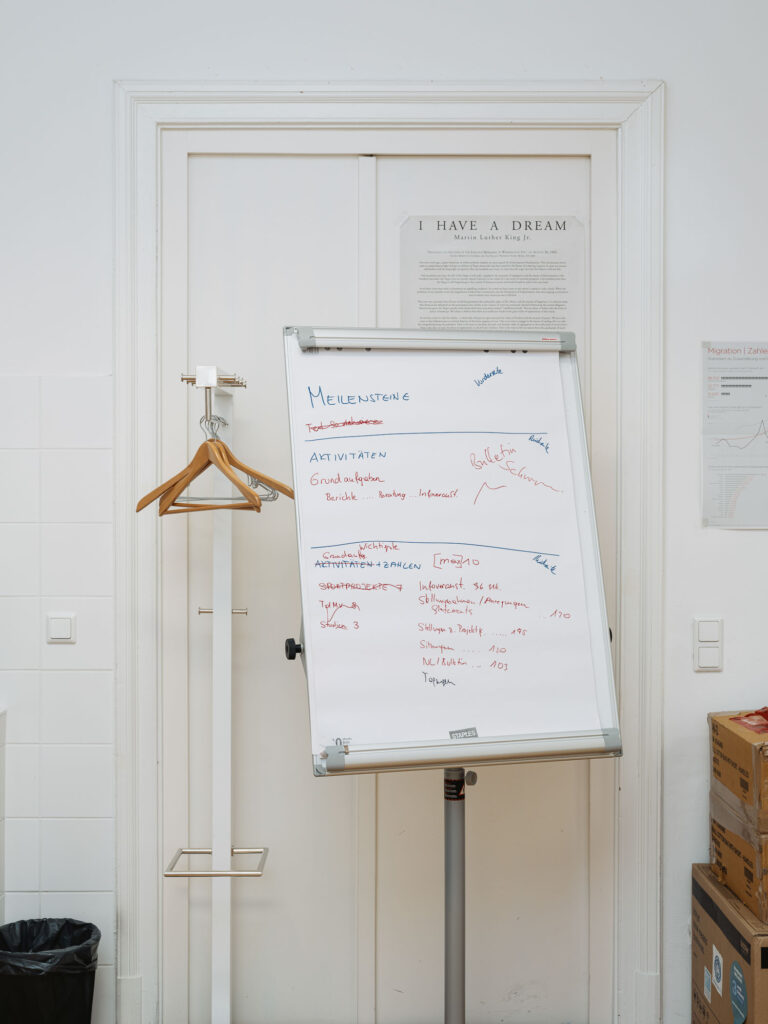
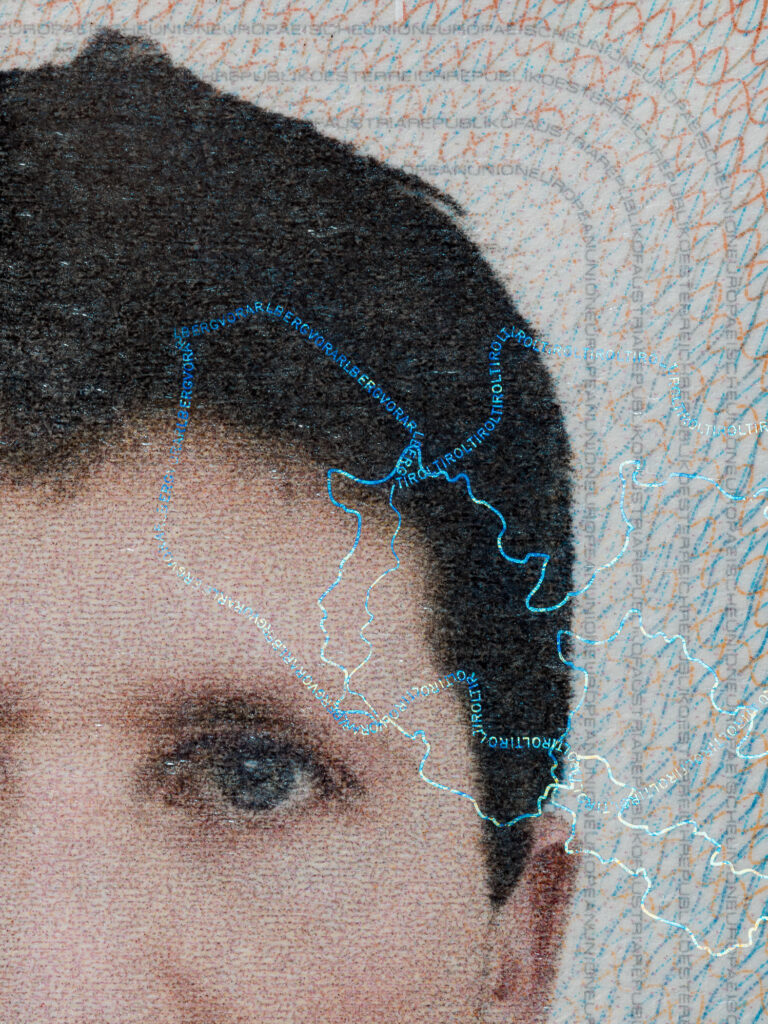
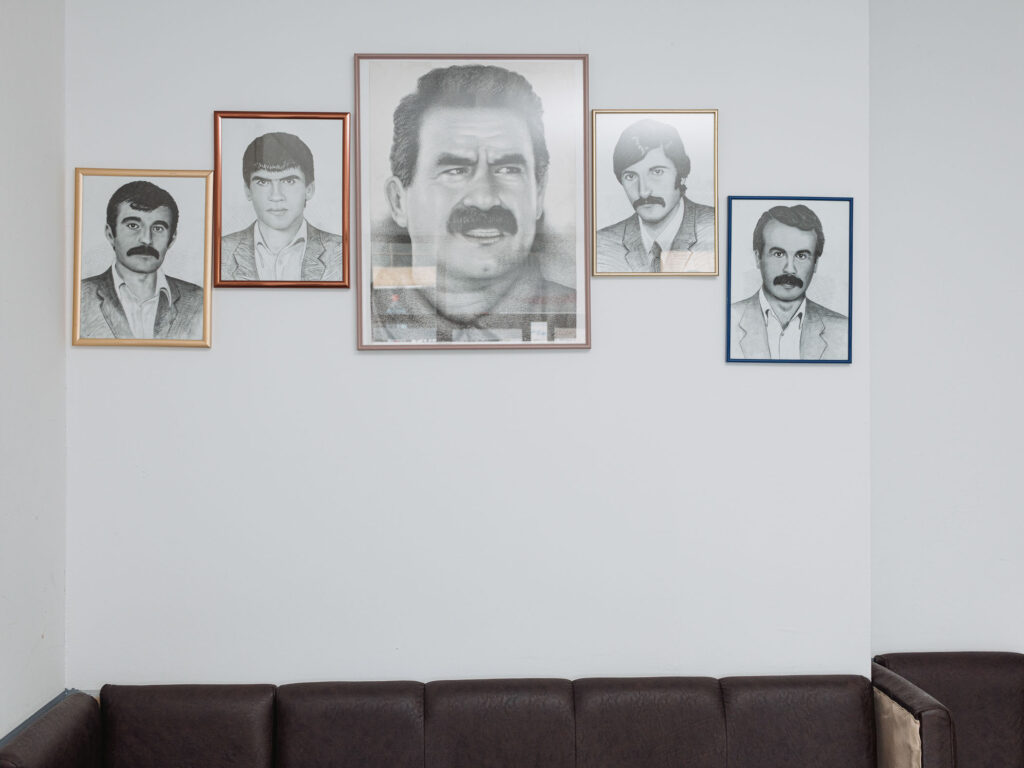
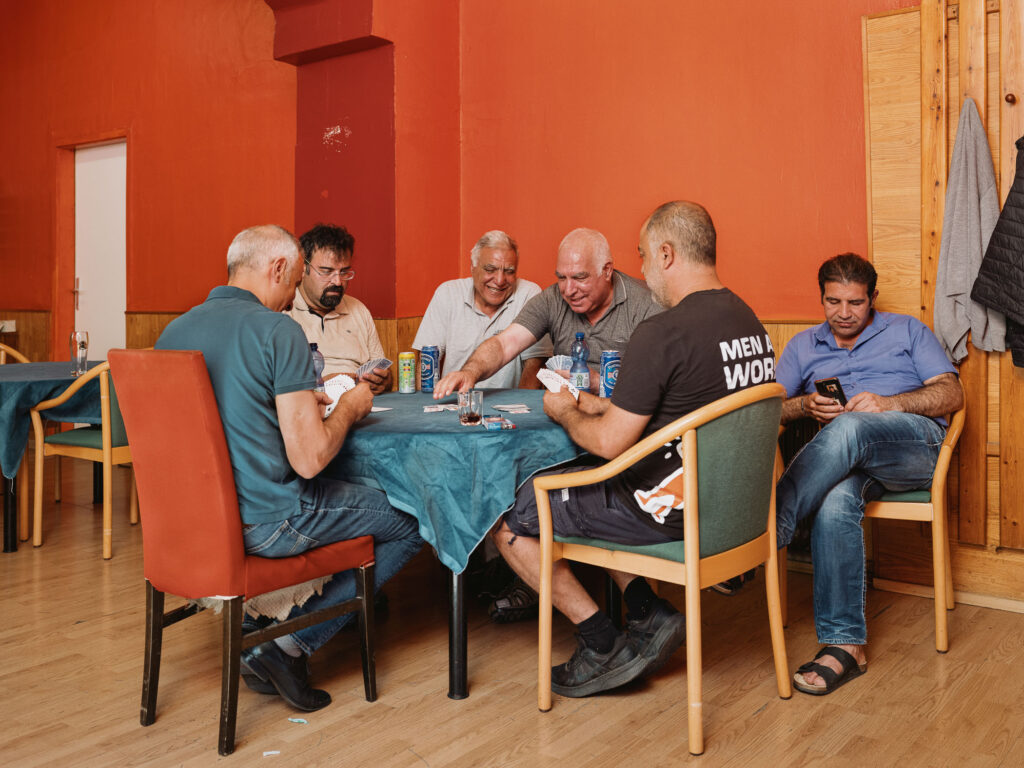
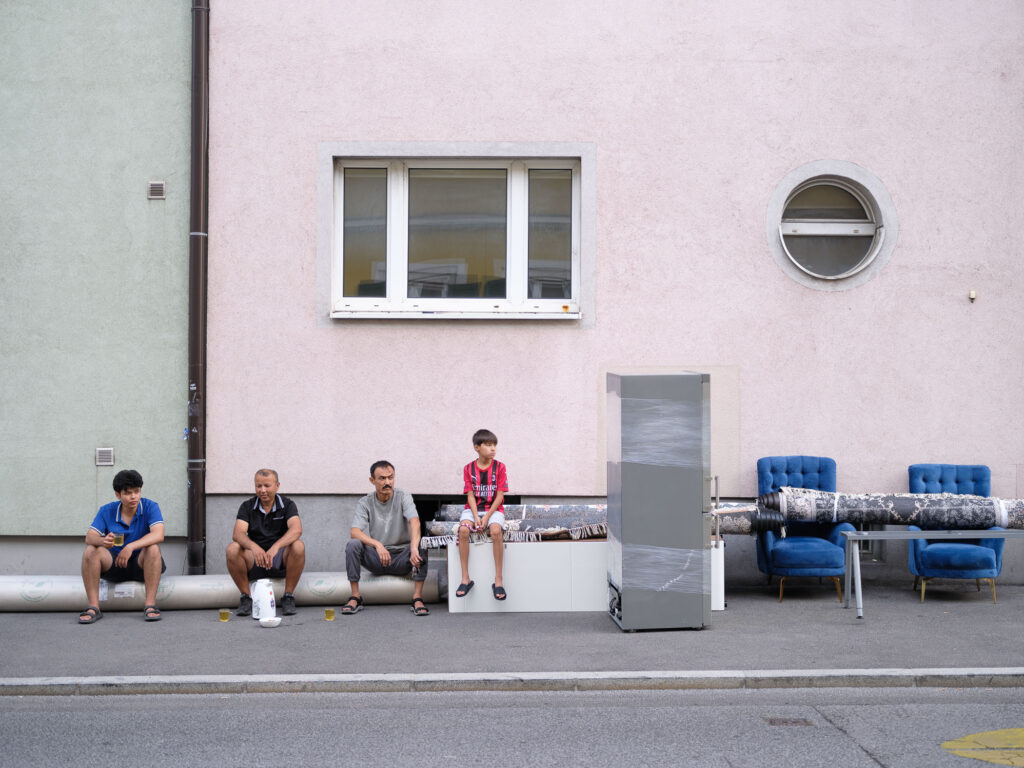
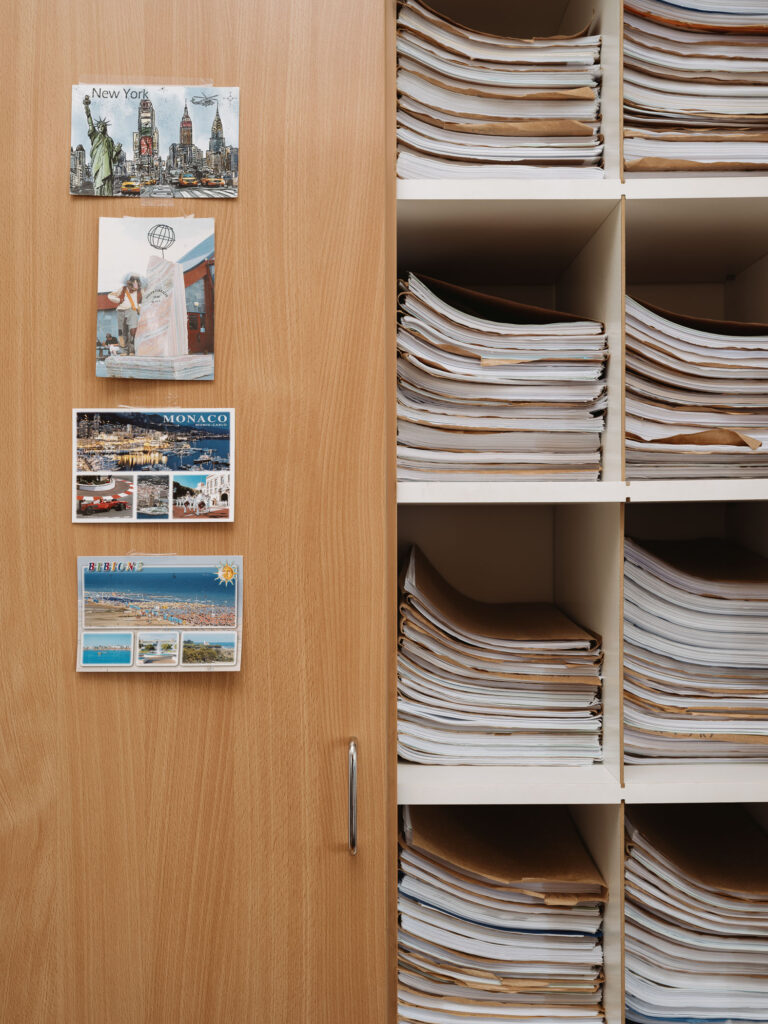
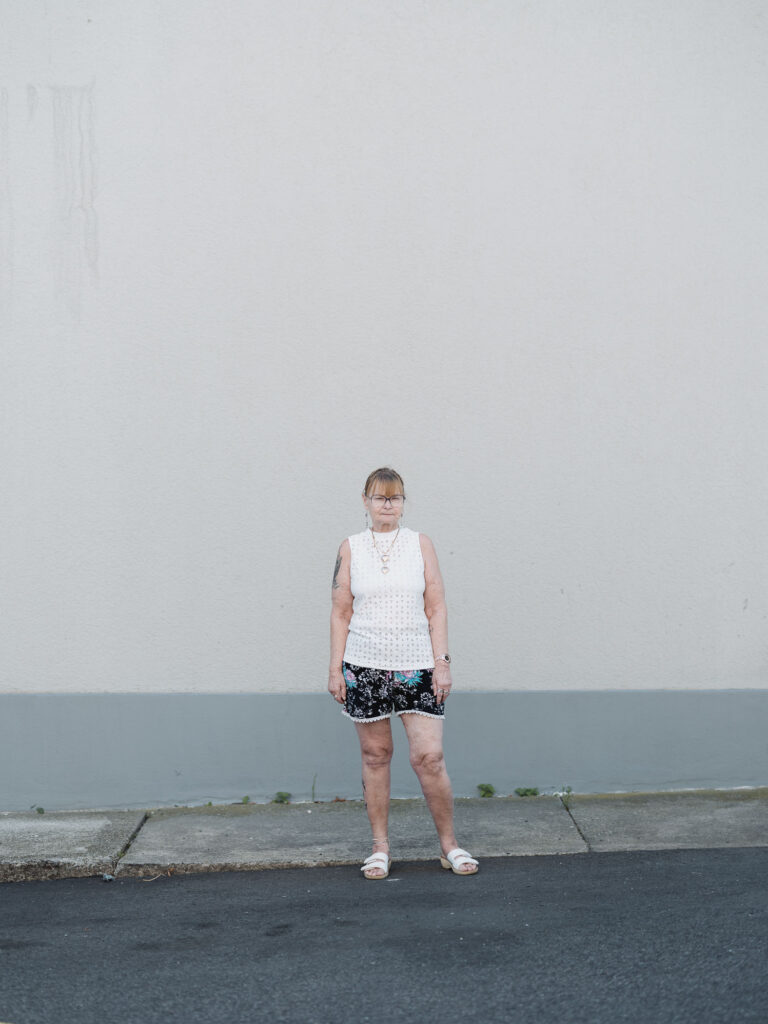
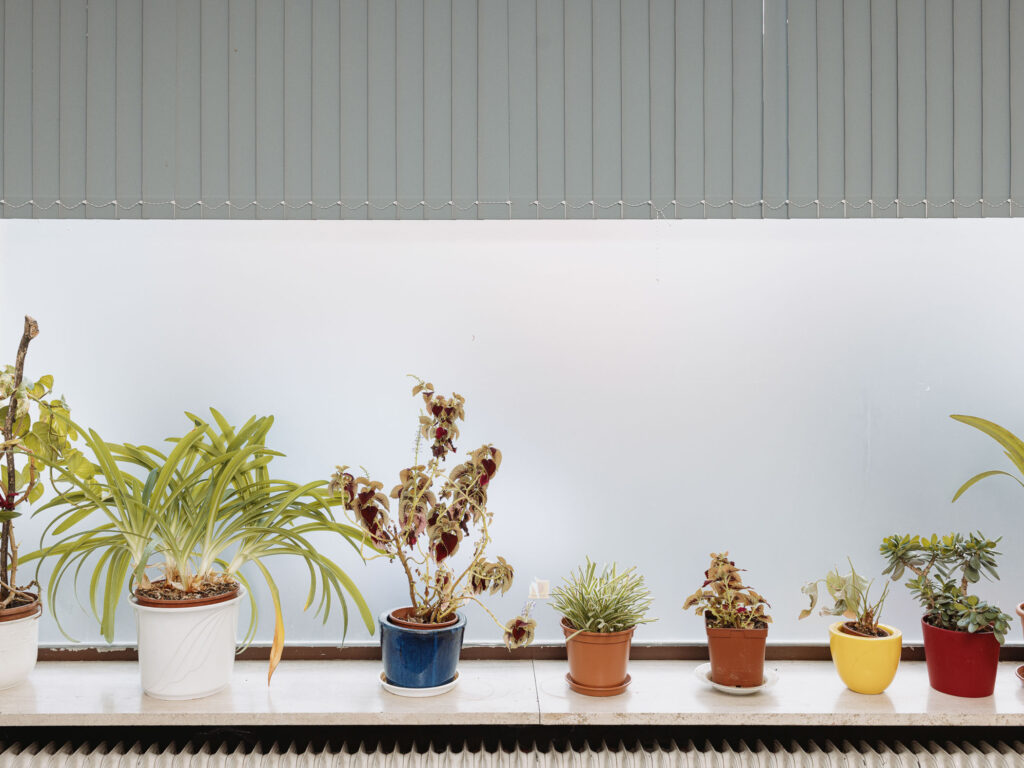
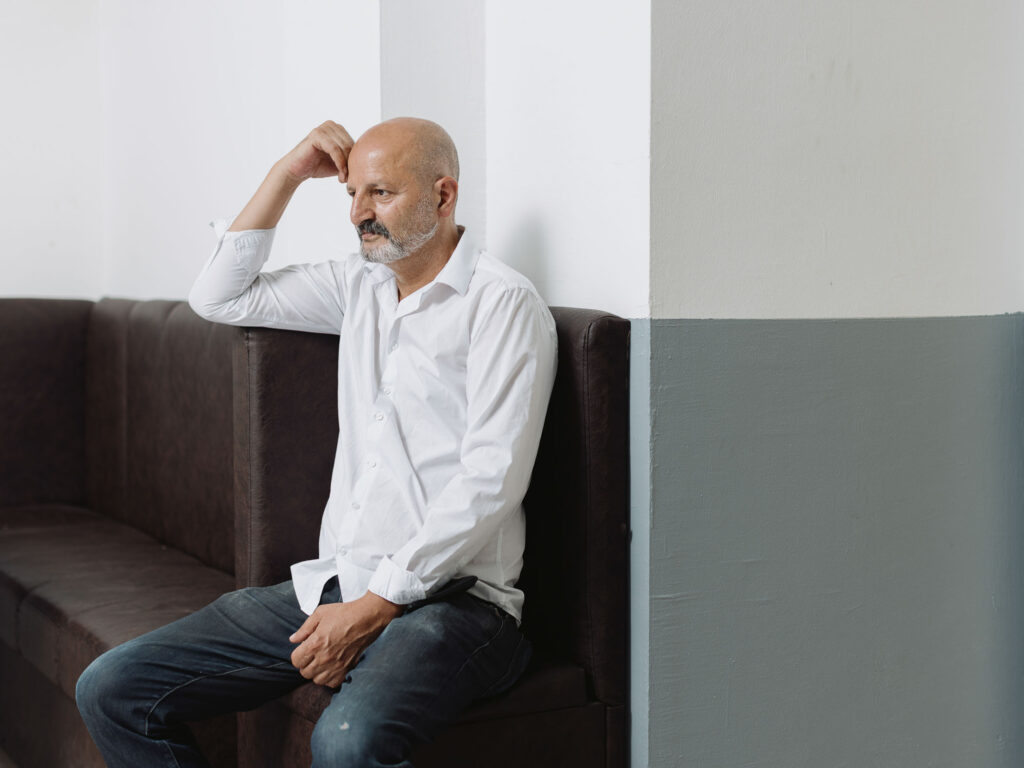
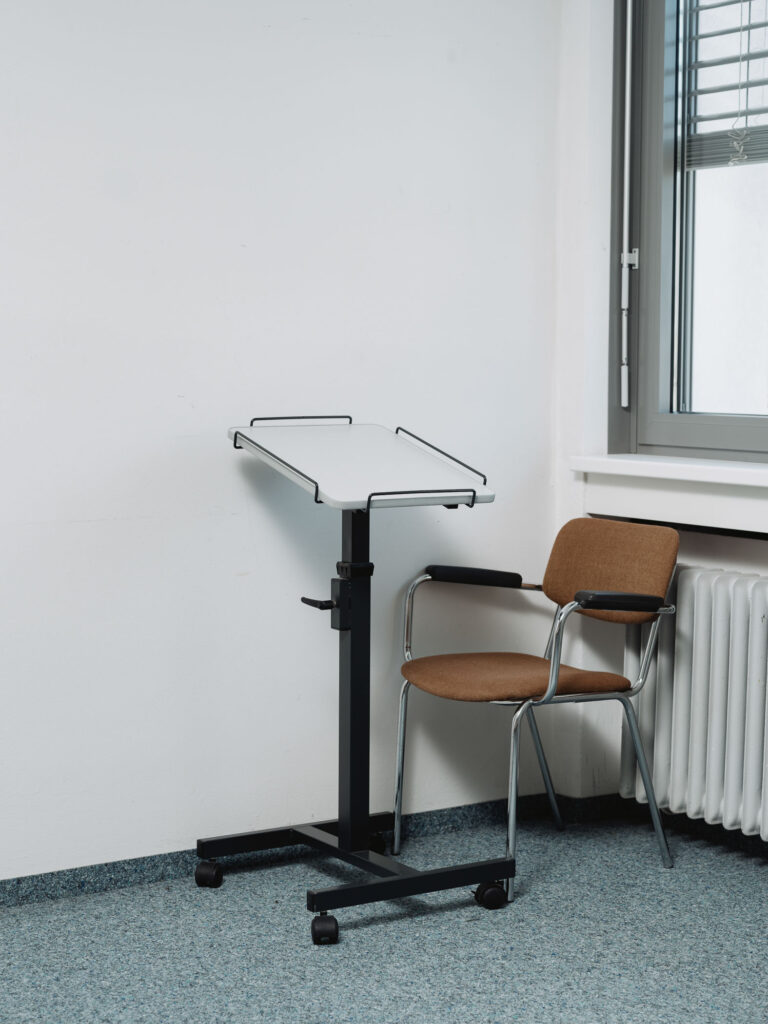
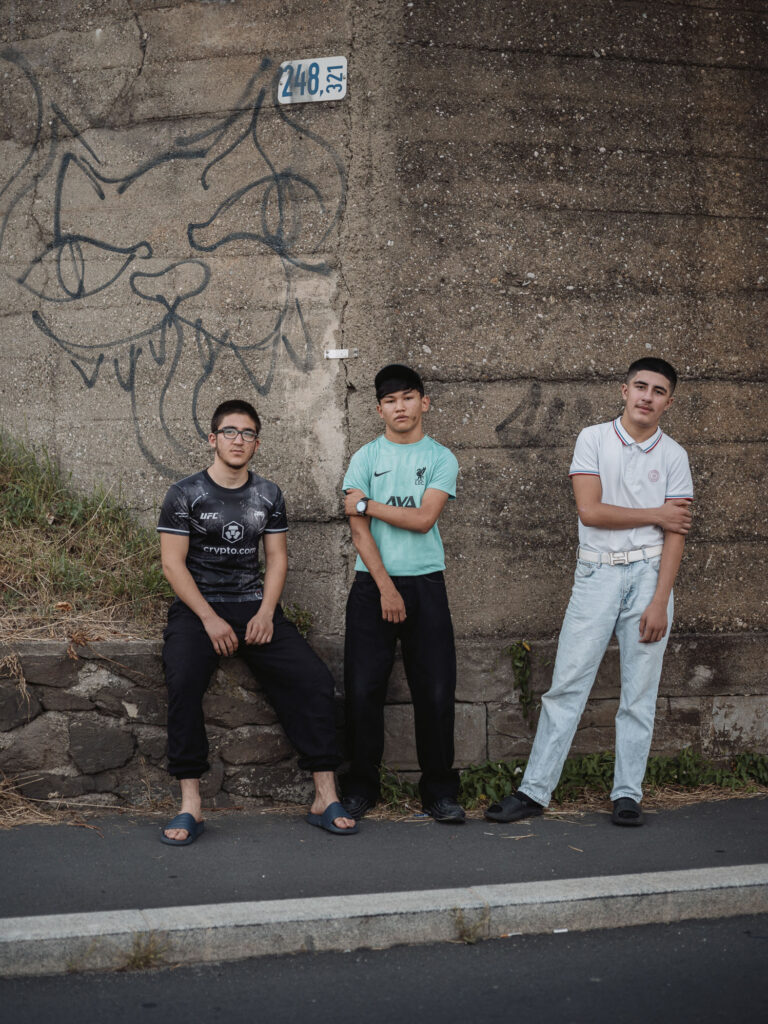
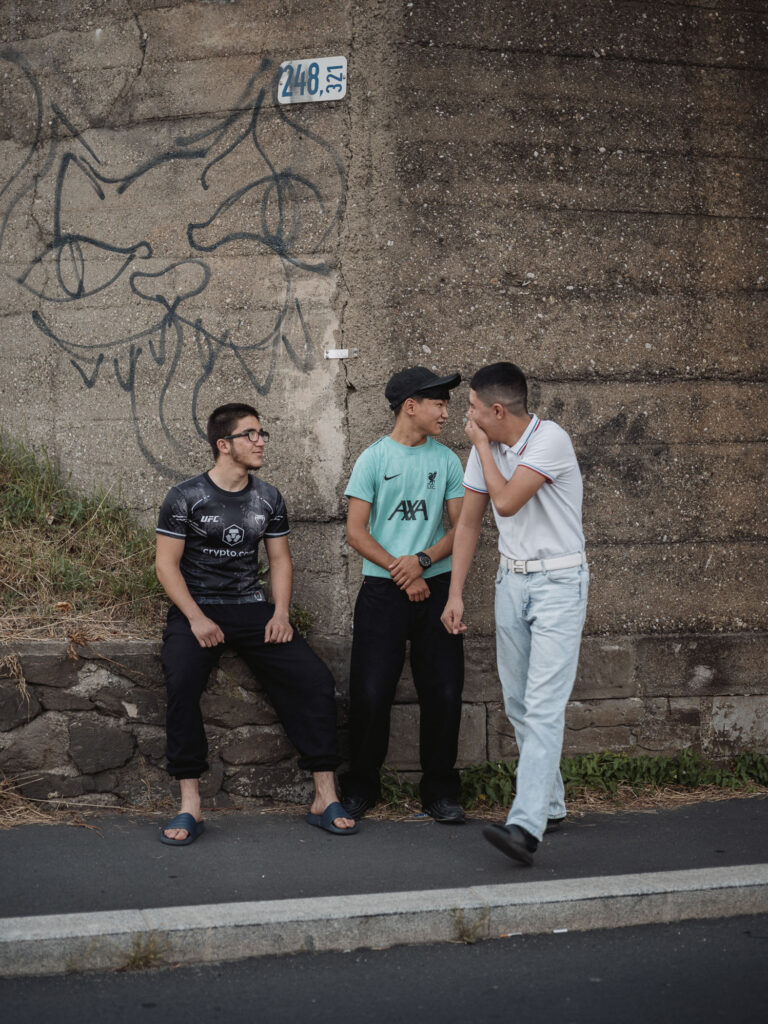
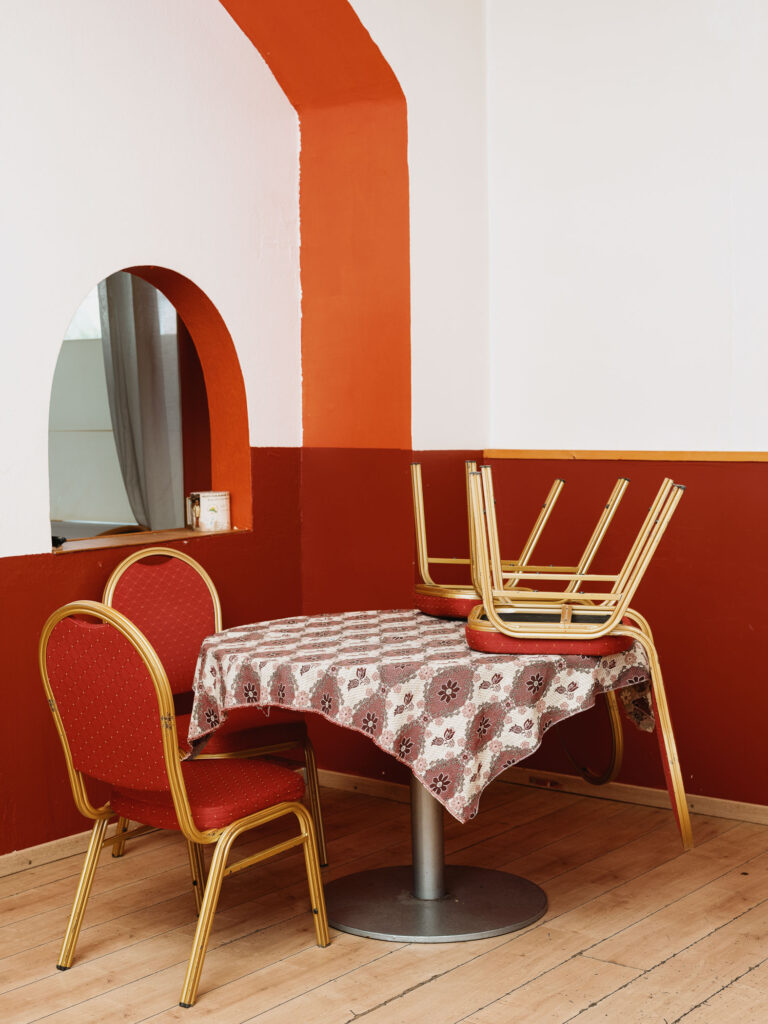
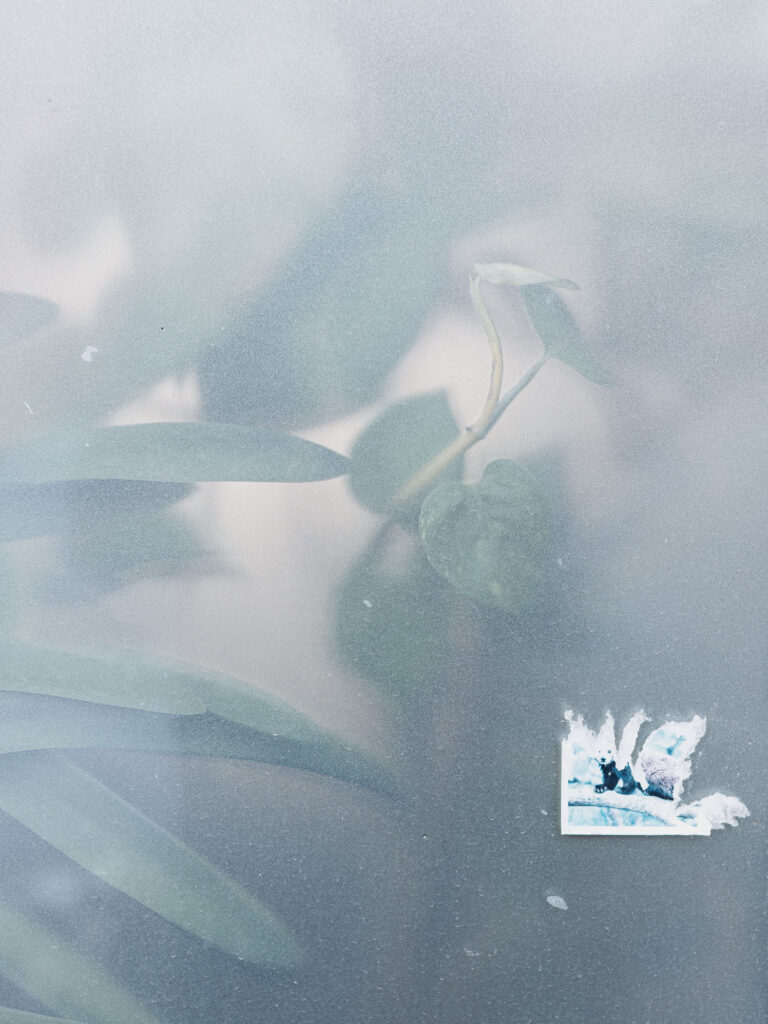
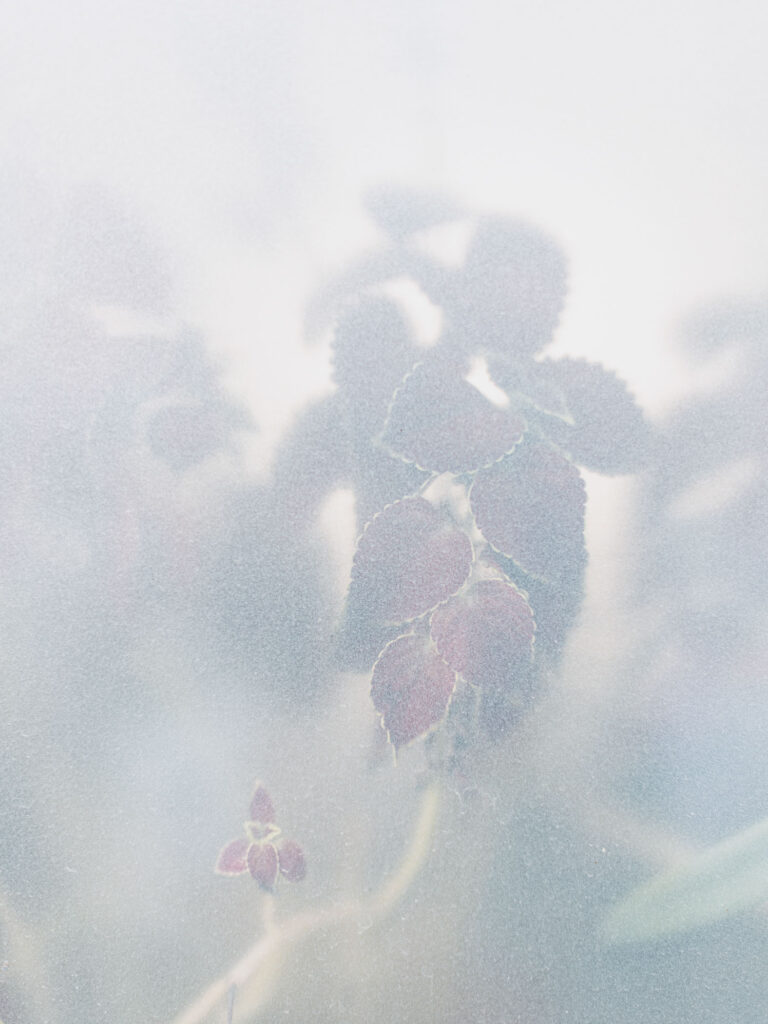
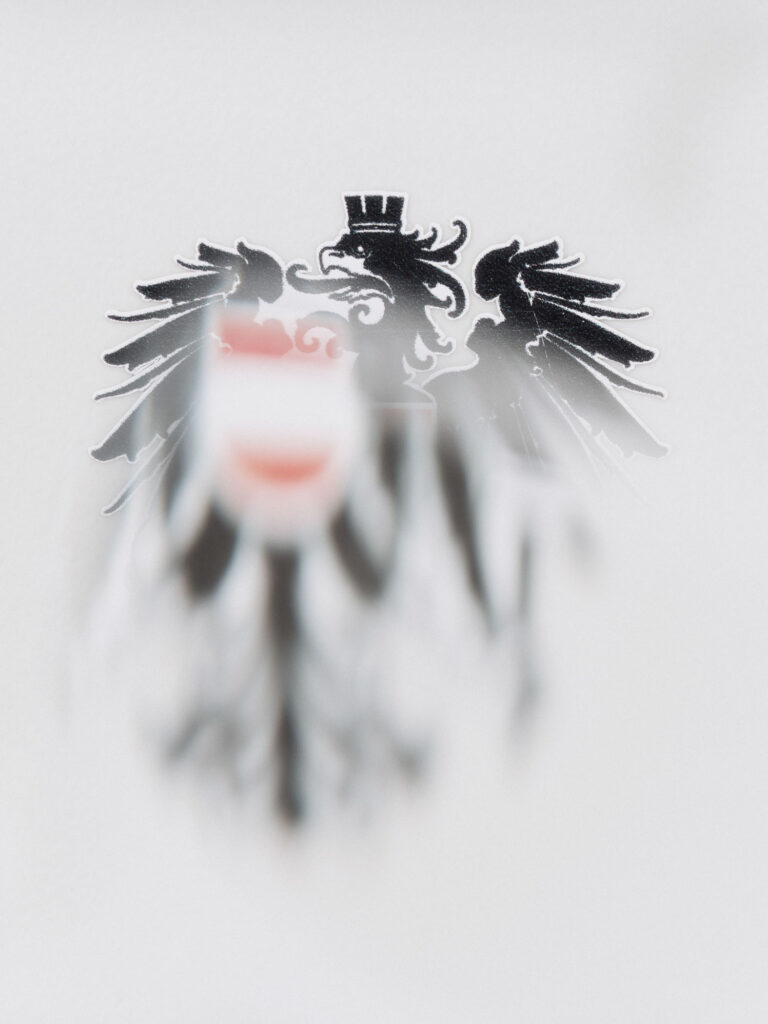
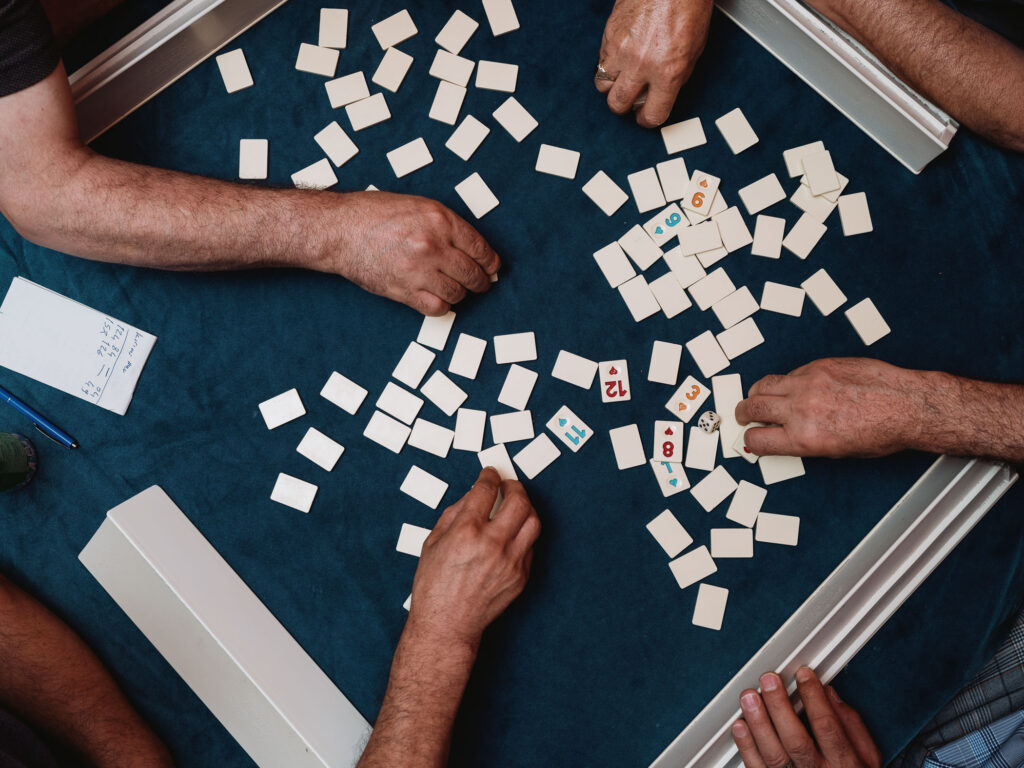
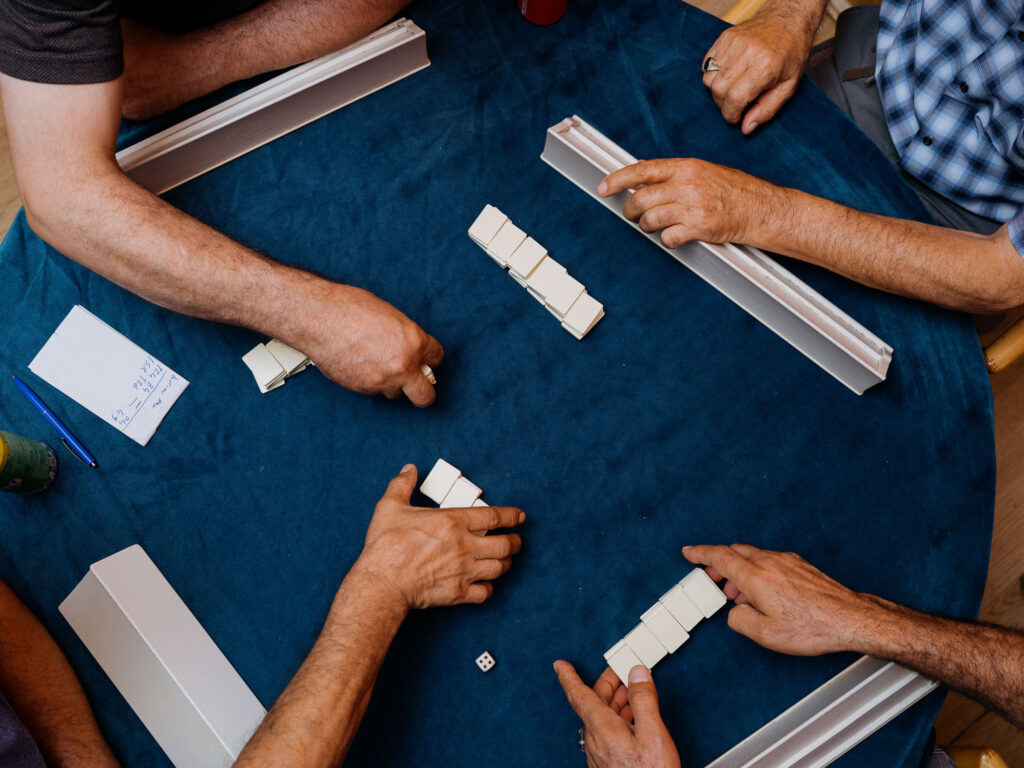
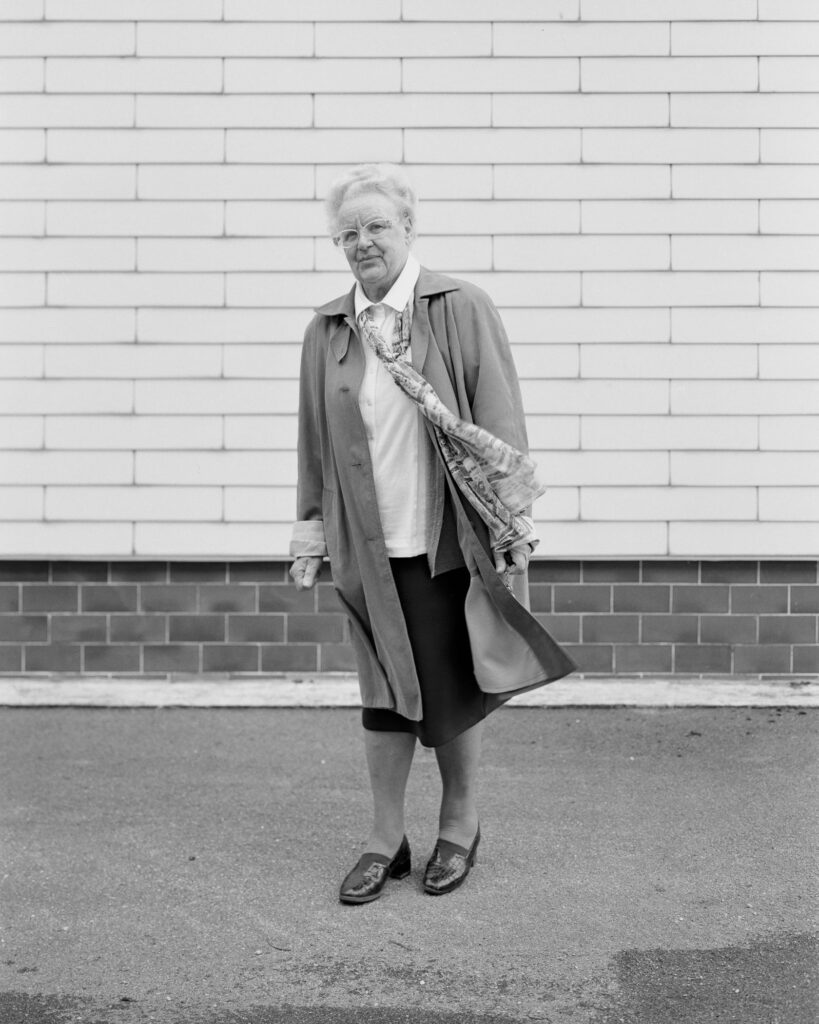
The work began in Gries, Graz’s fifth district, in the streets around the BAU, the exhibition venue of steirischer herbst ’25. The neighborhood is home to diaspora communities from regions affected by conflict. At the time of the project, more than half of the district’s residents did not have Austrian citizenship. In the 2024 Styrian state election, the far-right Freedom Party (FPÖ) had received the largest share of votes in Gries.

I wanted to understand what democracy looks like at this scale, and how everyday participation relates to political representation. Who helps sustain a neighborhood through work, care and organization? Who has the right to vote?
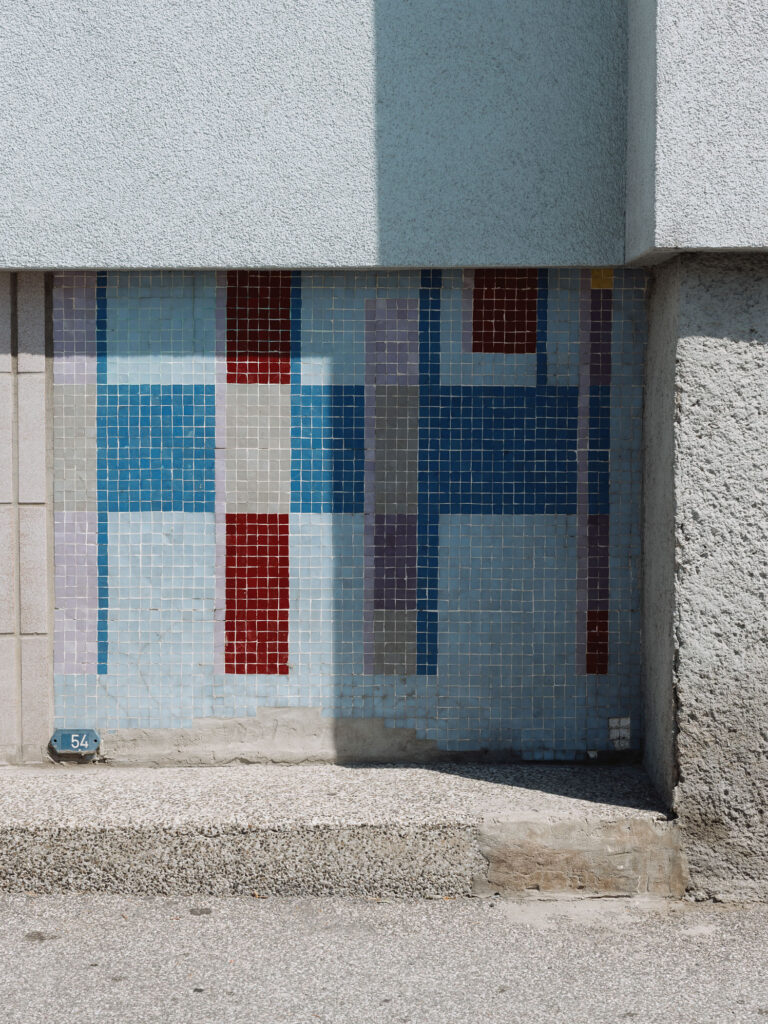
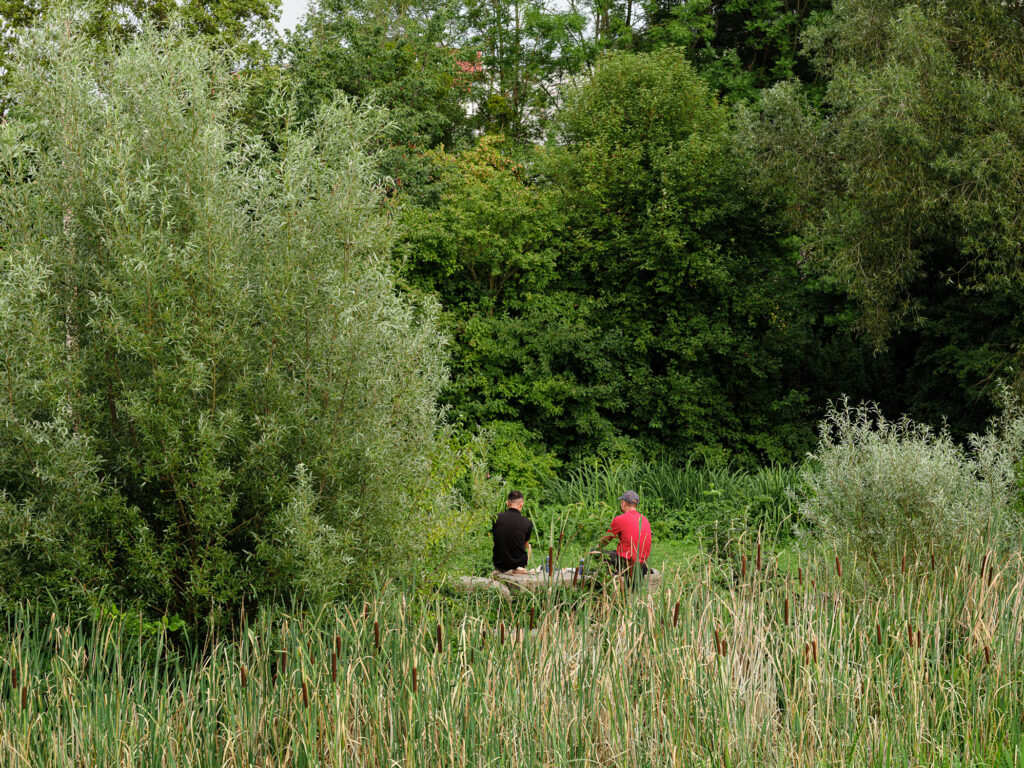
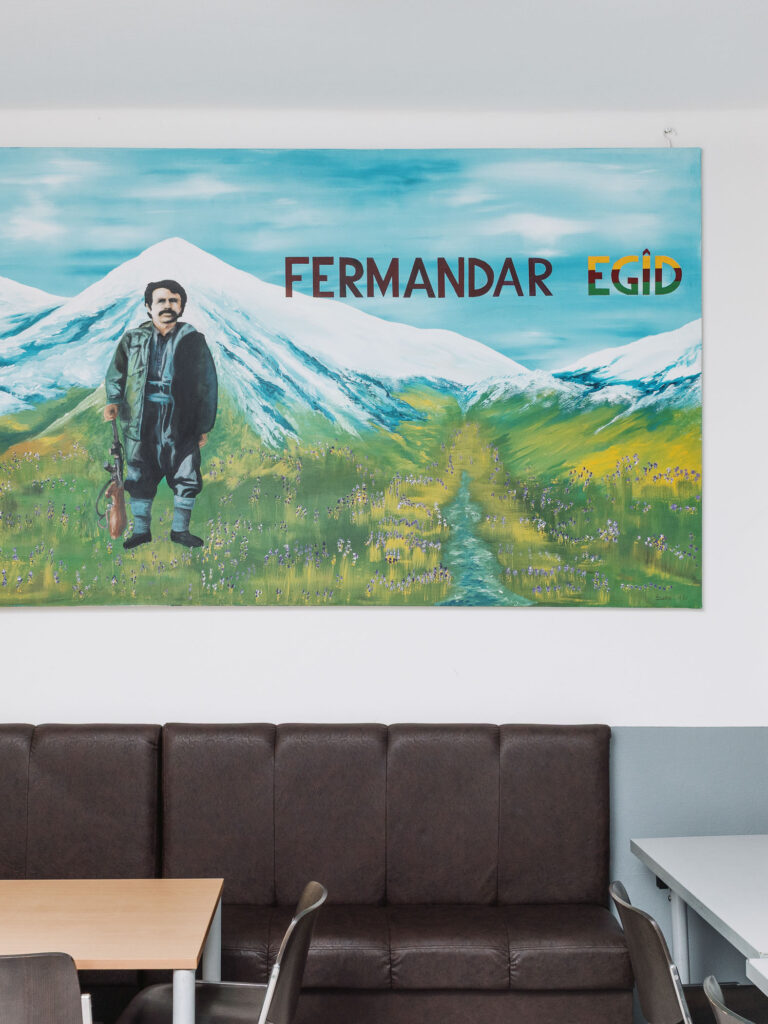
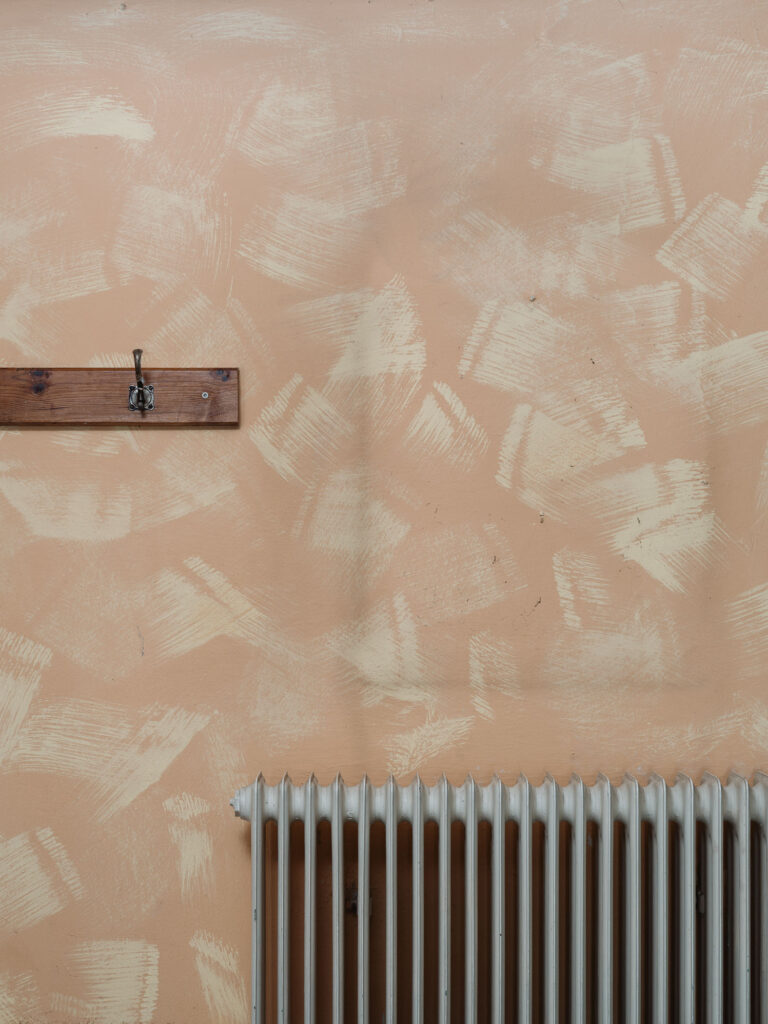
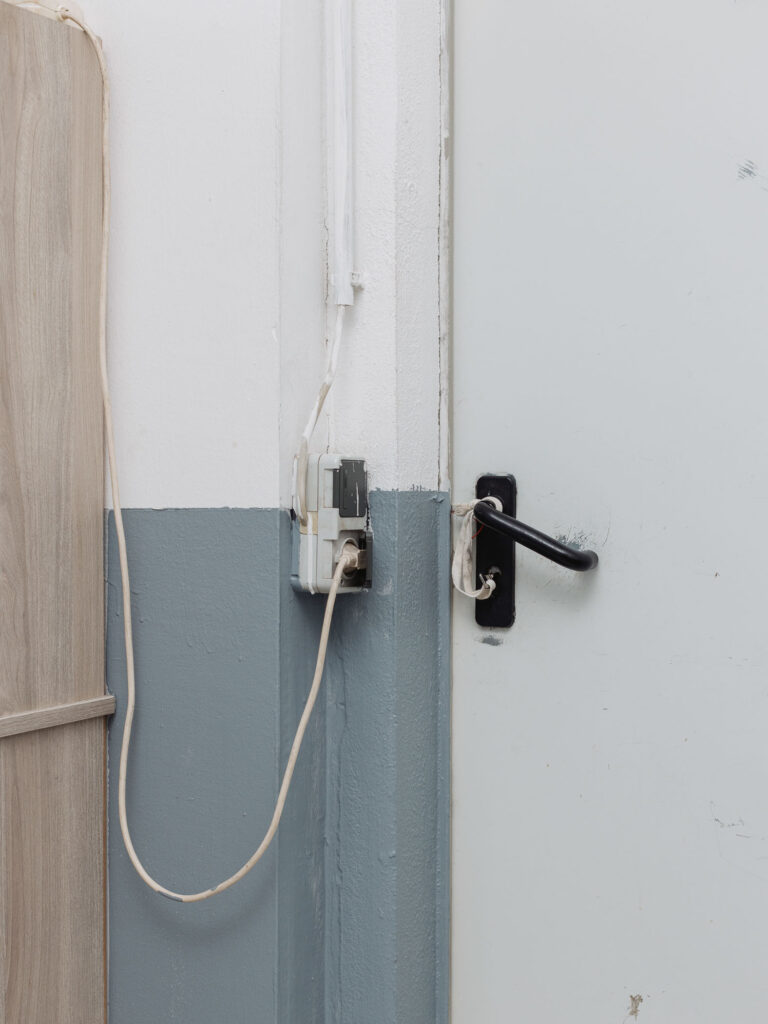
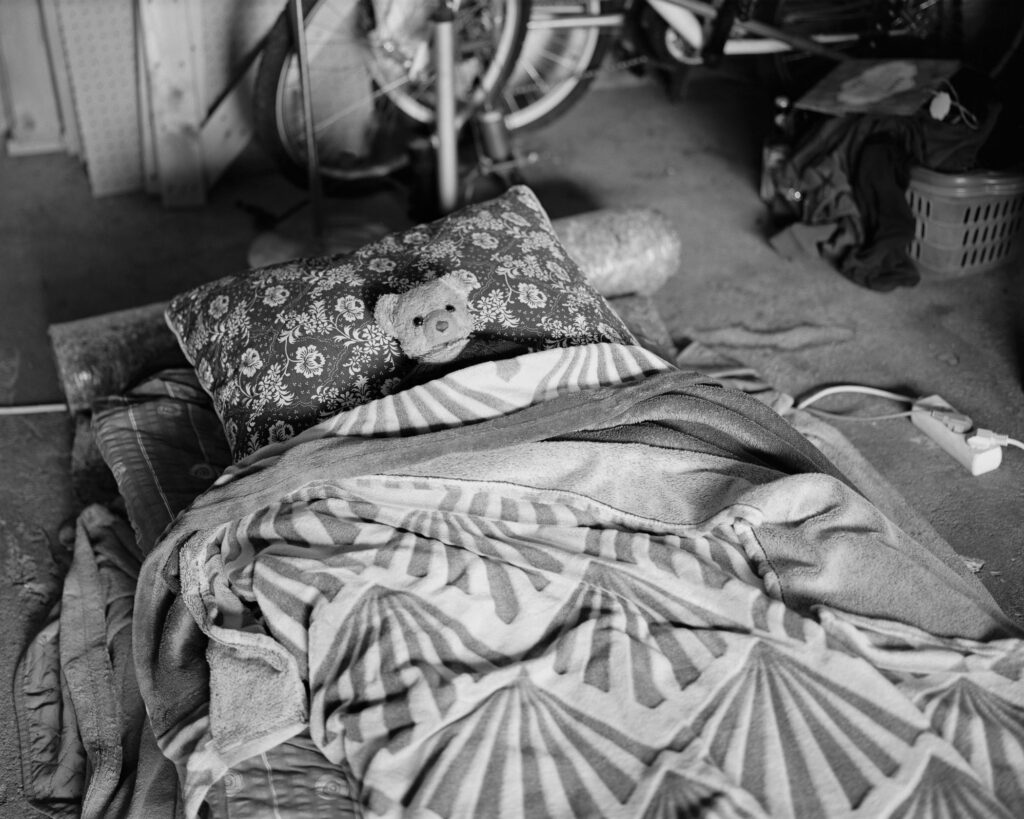
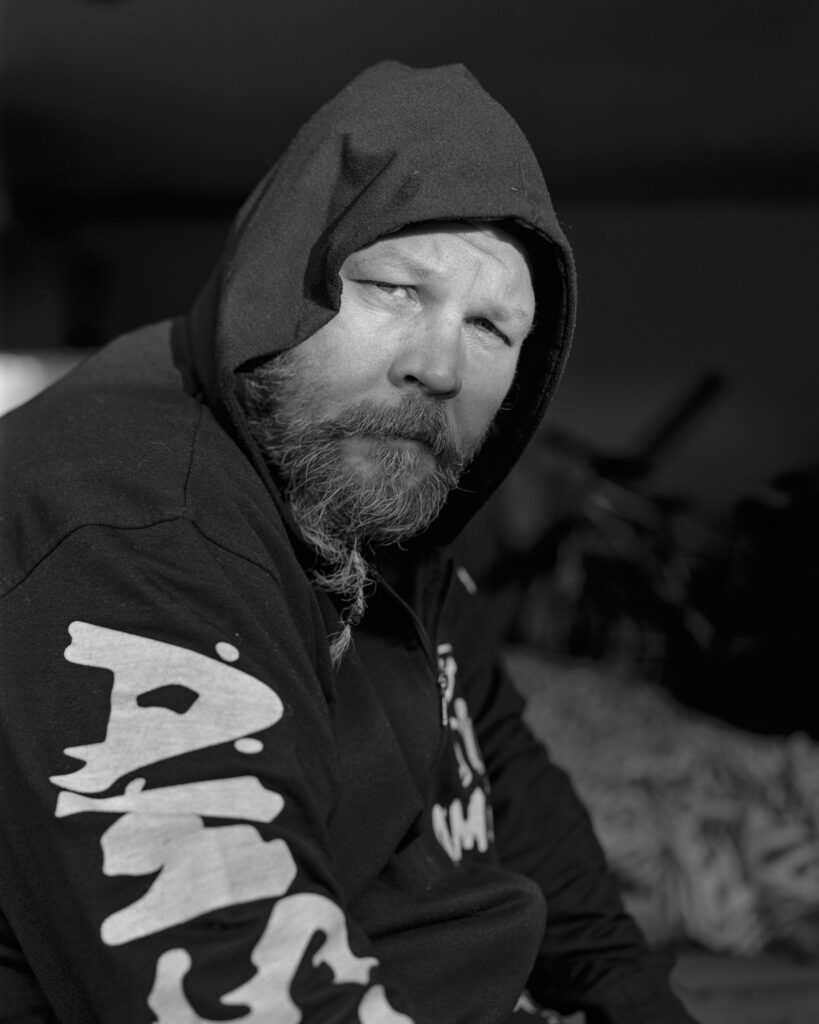
I visited migrant organizations and local pubs, spoke with residents from different backgrounds and photographed the people and places I encountered: streets, entrances, shops, courtyards, poll sites and meeting places. Through these conversations and encounters, I investigated different ways of belonging to the same district, the relationships between its inhabitants and the tensions between them.
What concerned me was the distance between being part of a city’s everyday life and being recognized as someone with a say in it.

The work was commissioned for steirischer herbst 25 / Never Again Peace, under the artistic direction of Ekaterina Degot, and developed in close collaboration with Pieternel Vermoortel and Beatrice Forchini.

installation view © steirischer herbst / kunst-dokumentation.com
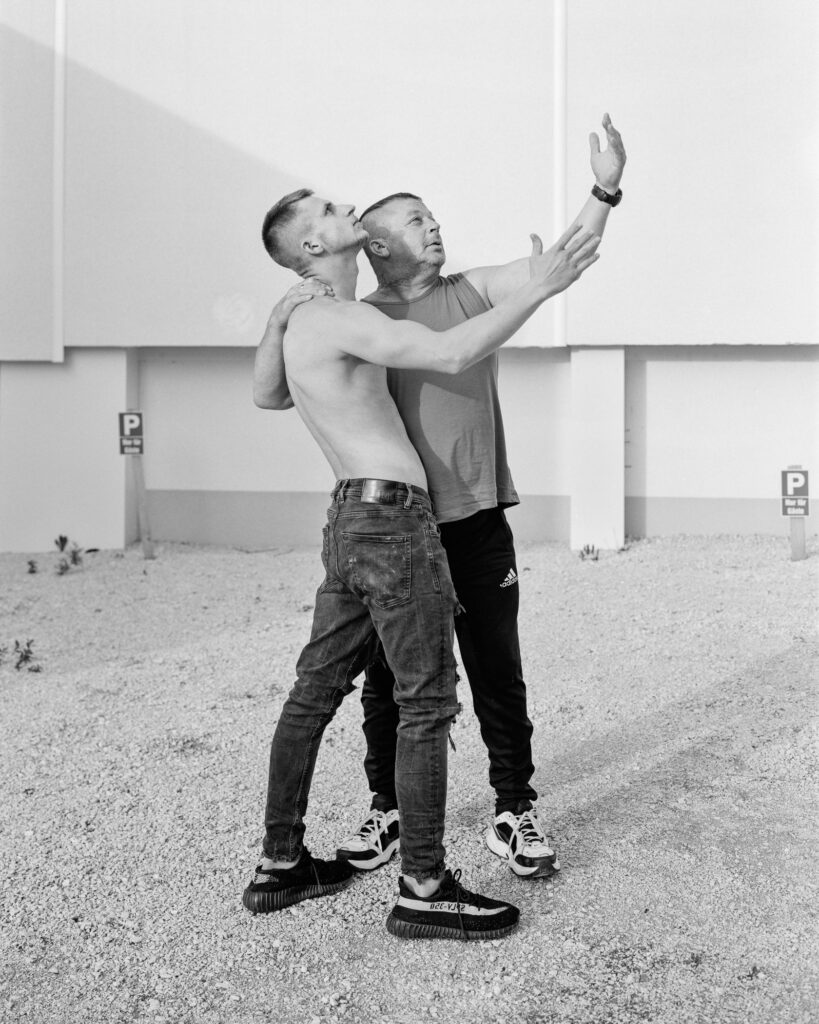
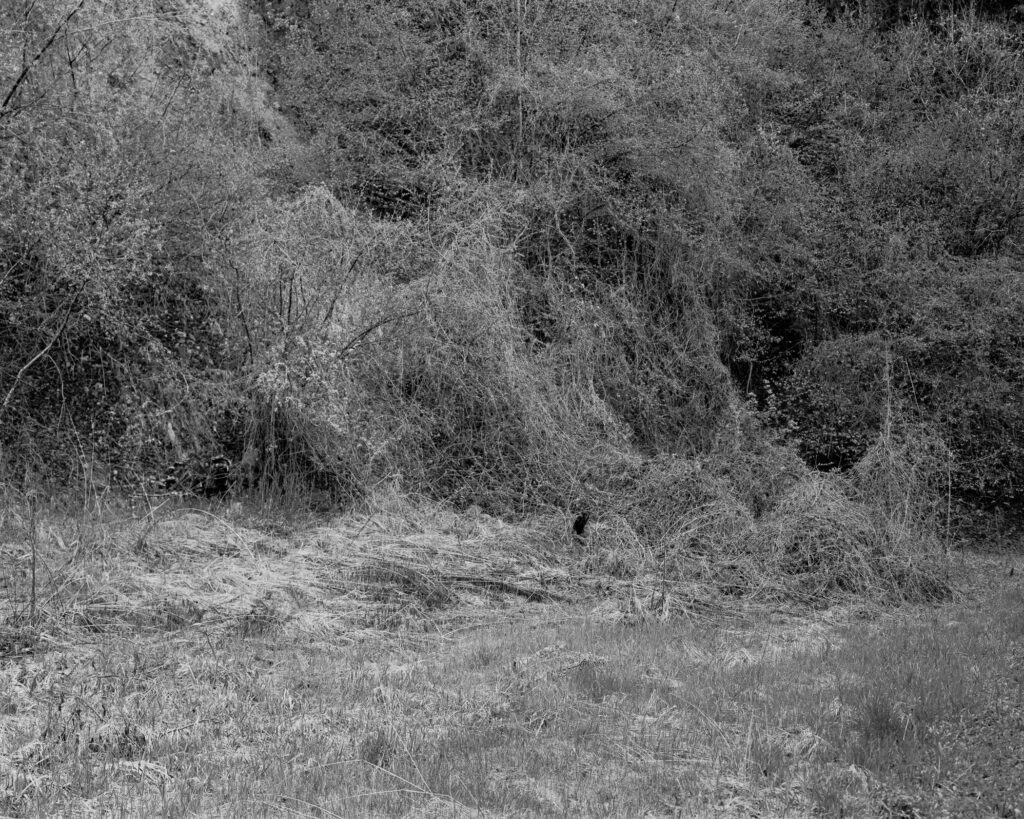
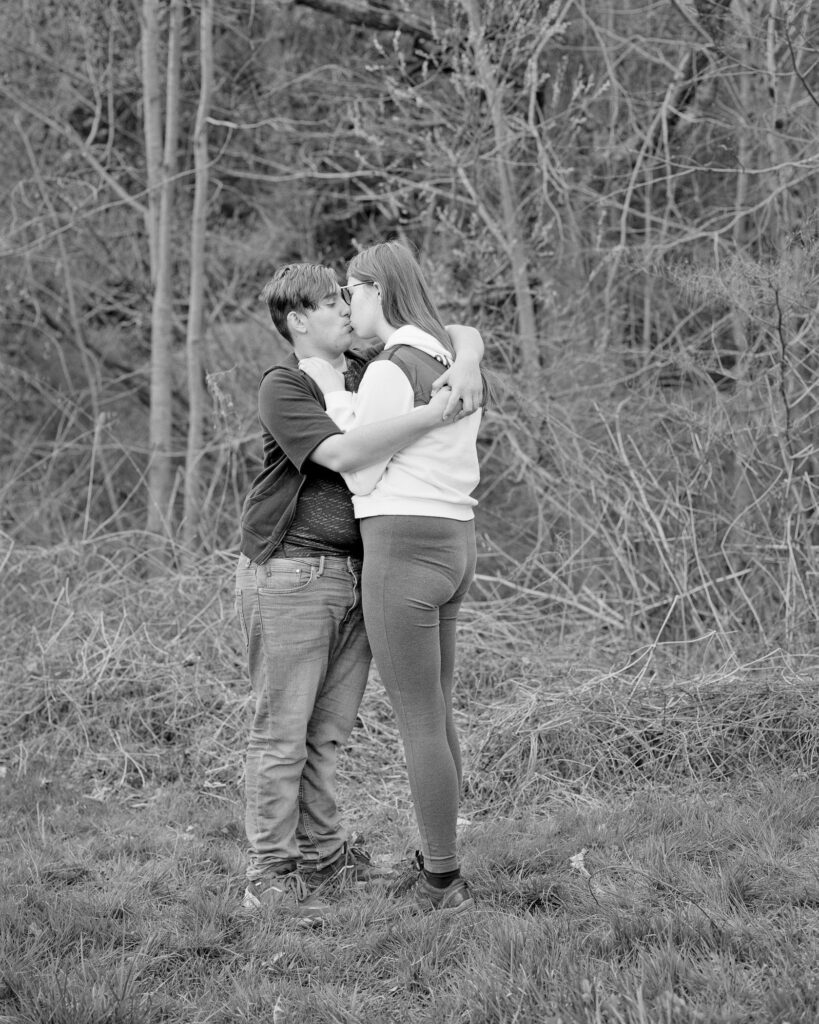
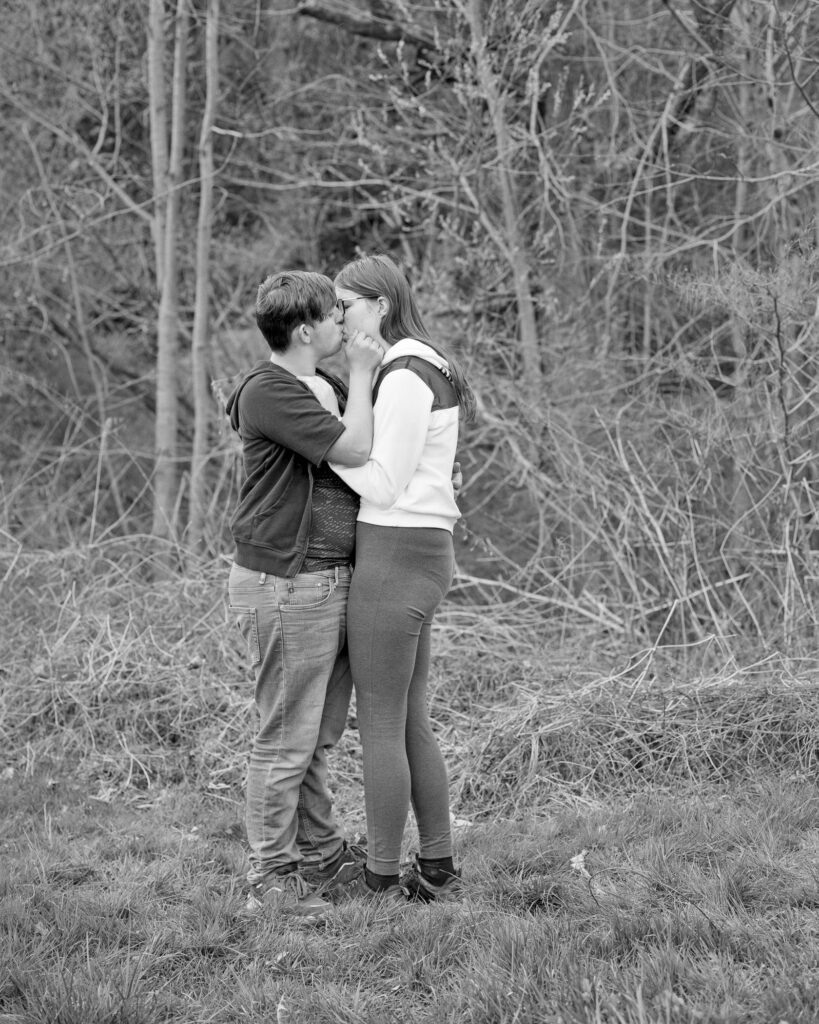
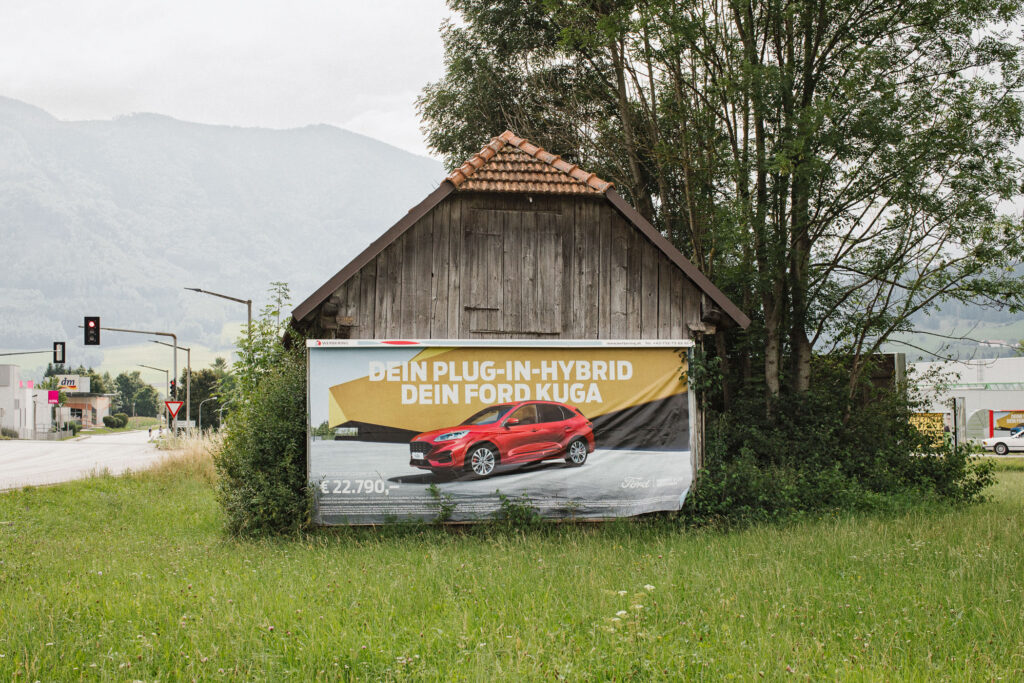
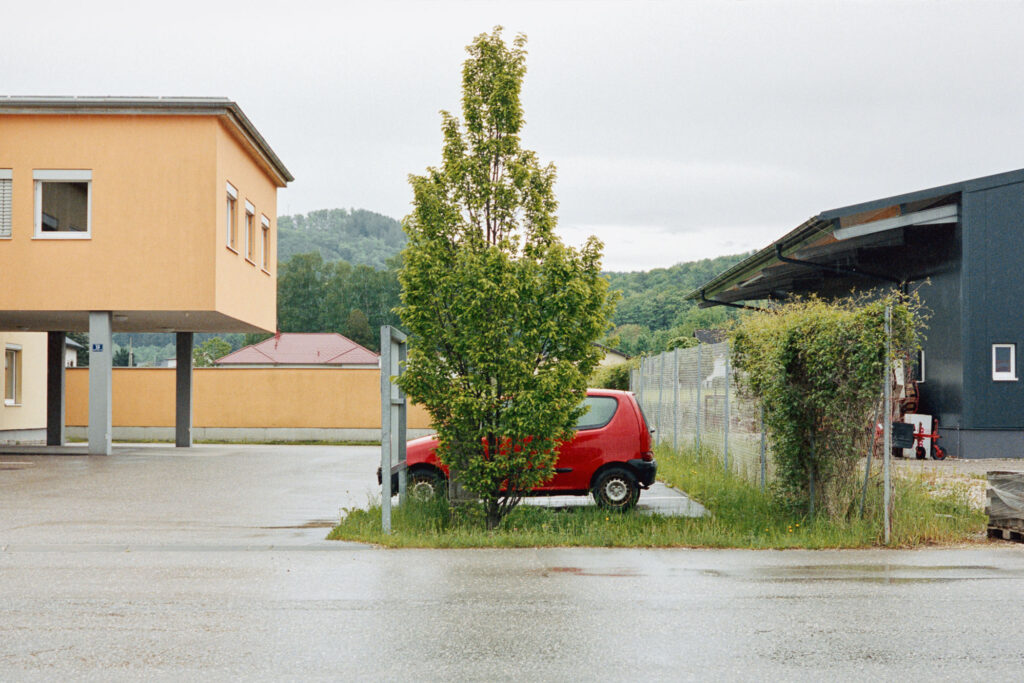
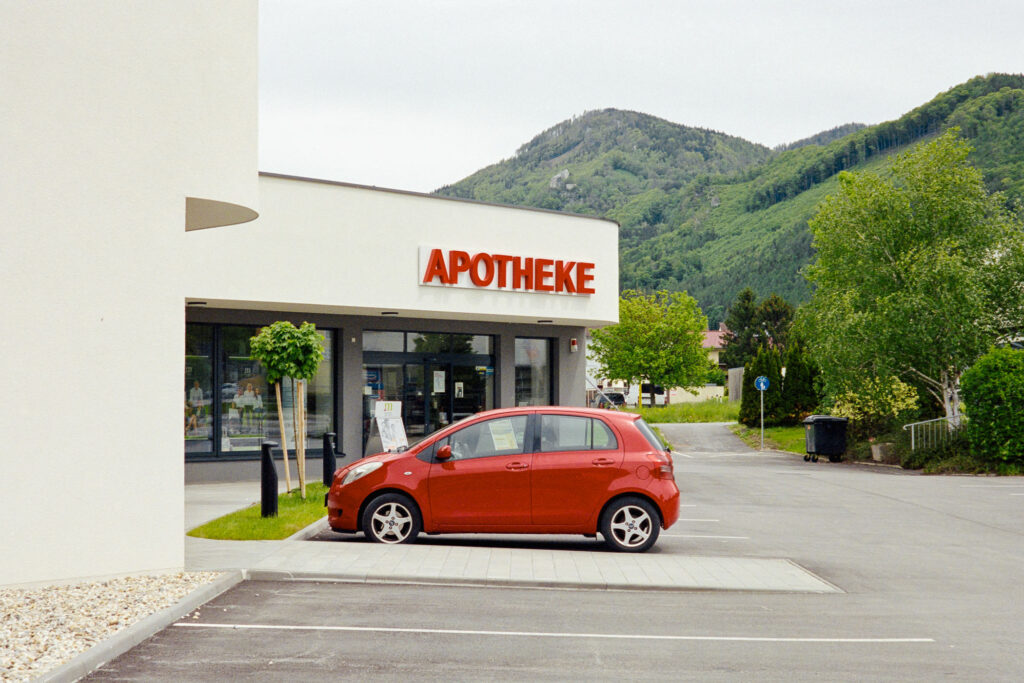
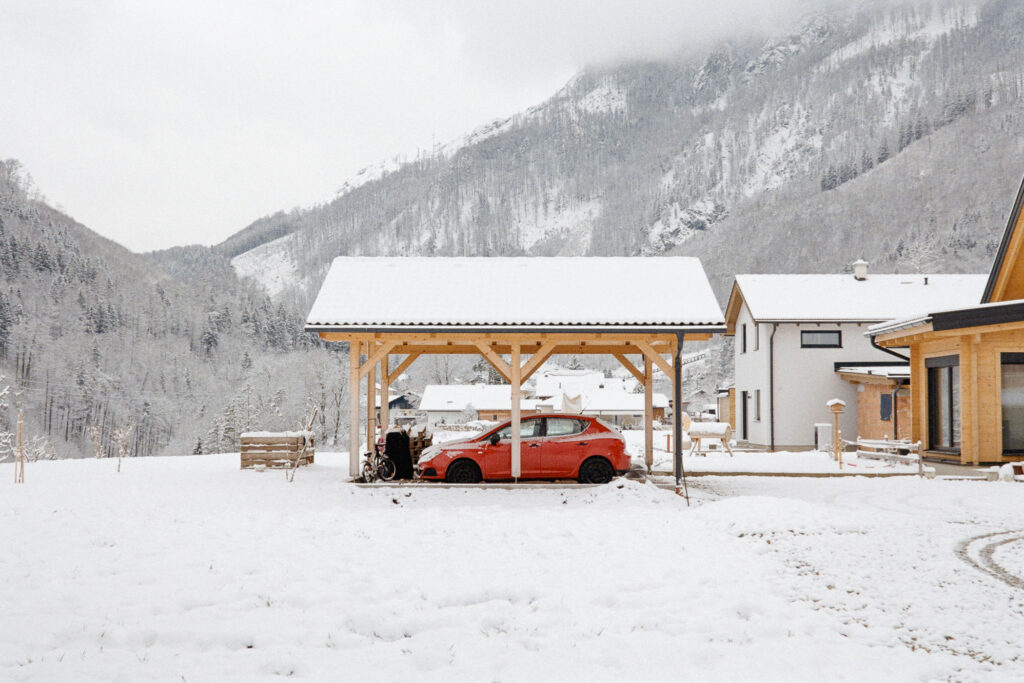
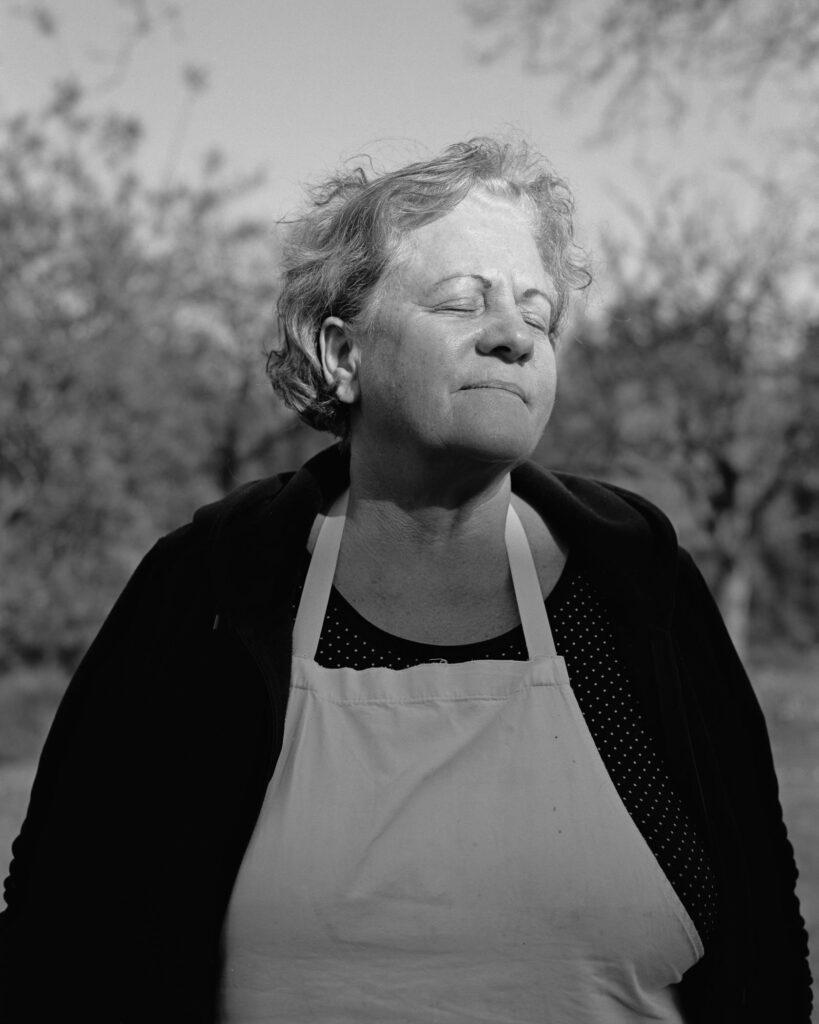
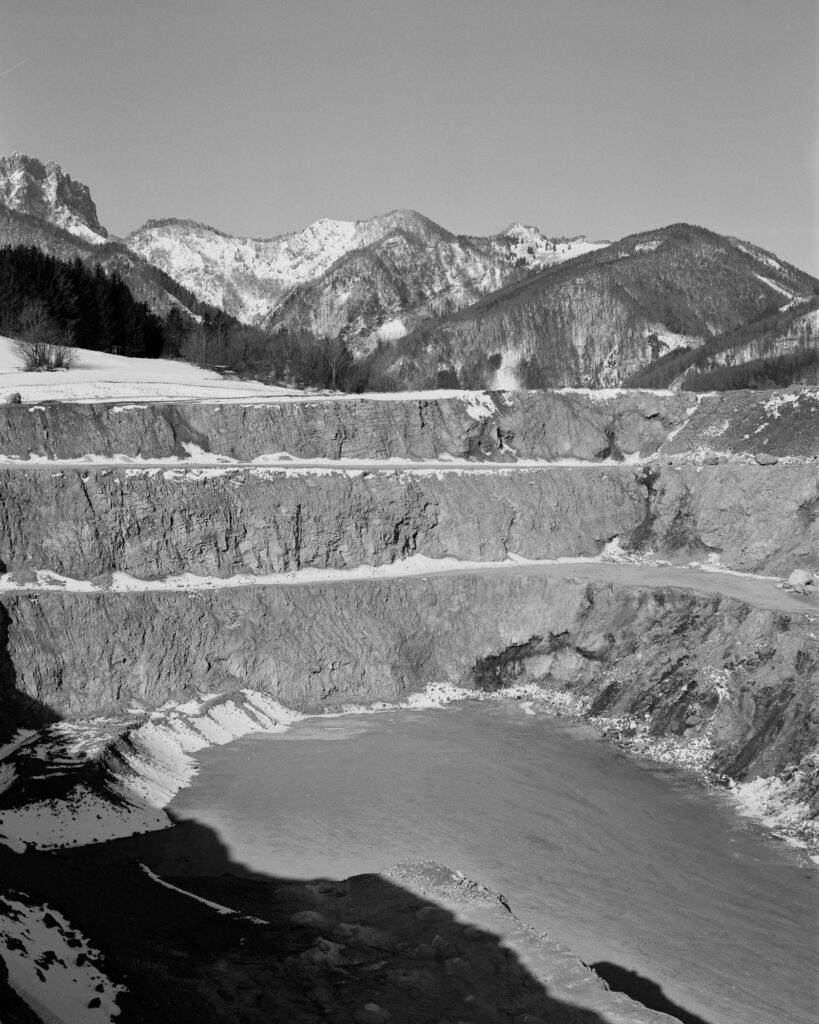
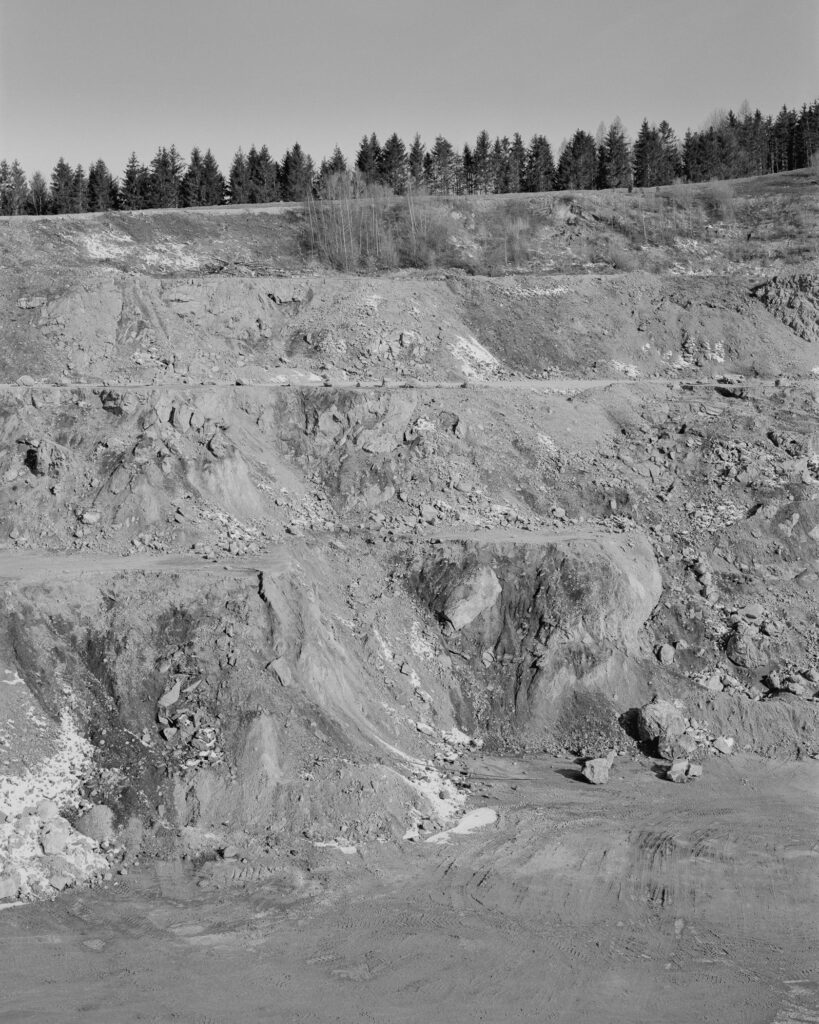
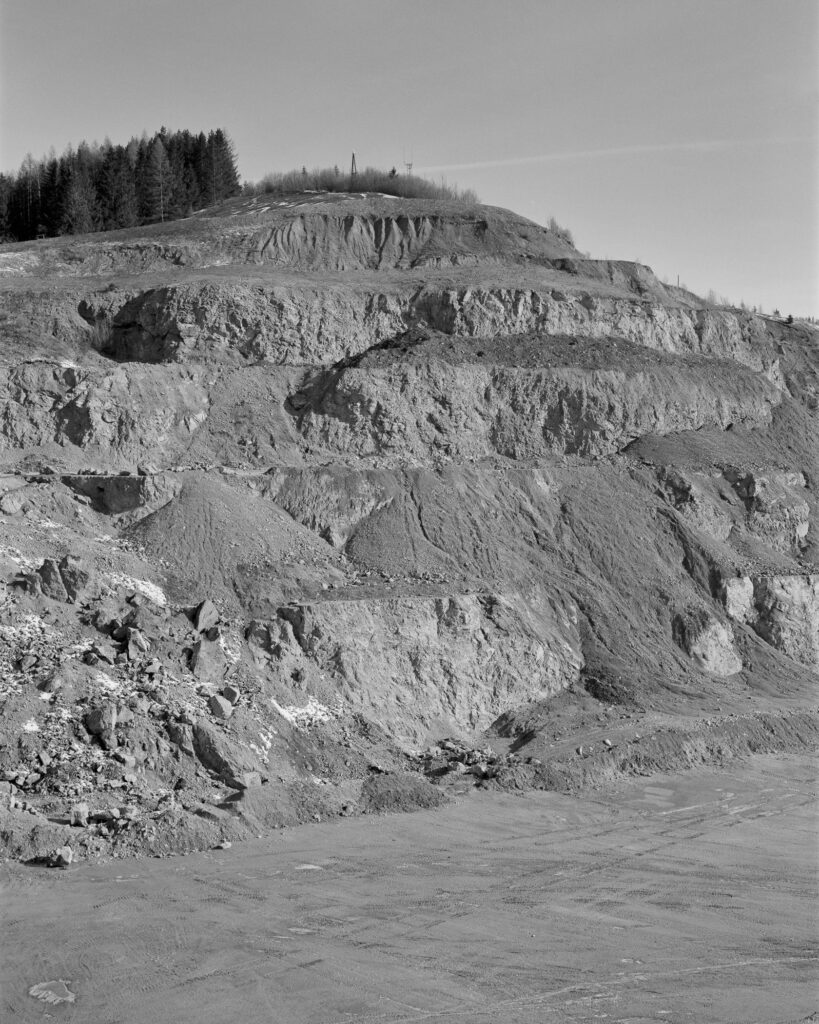
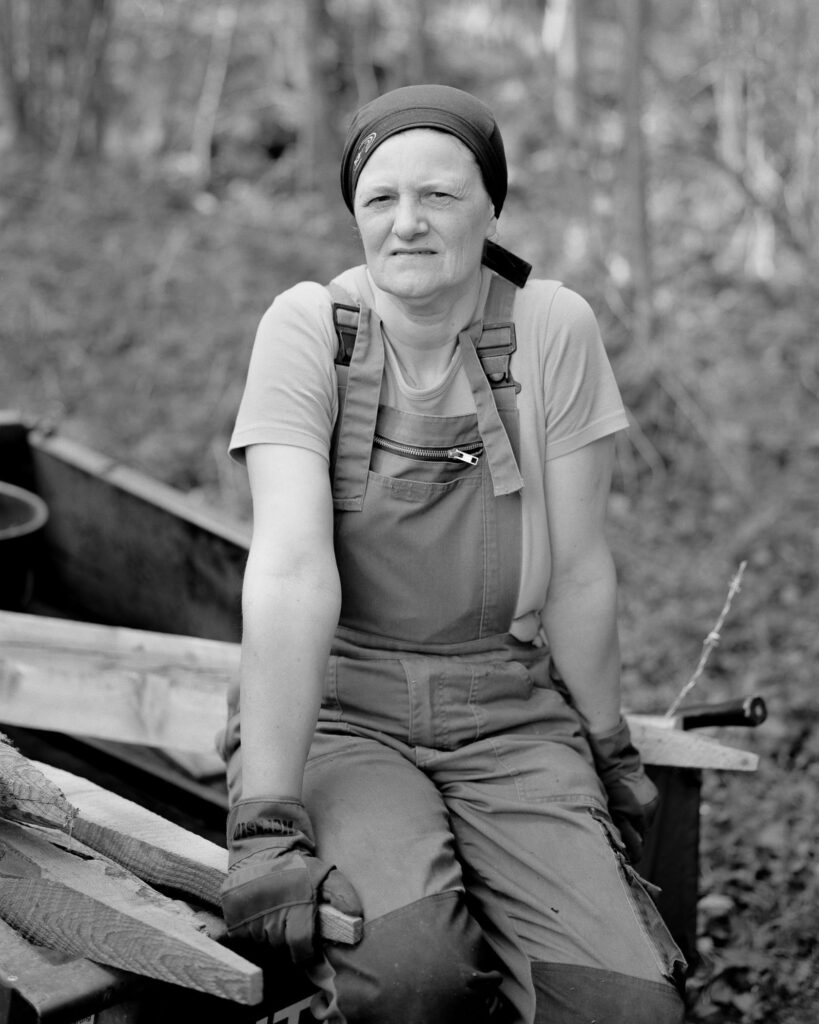
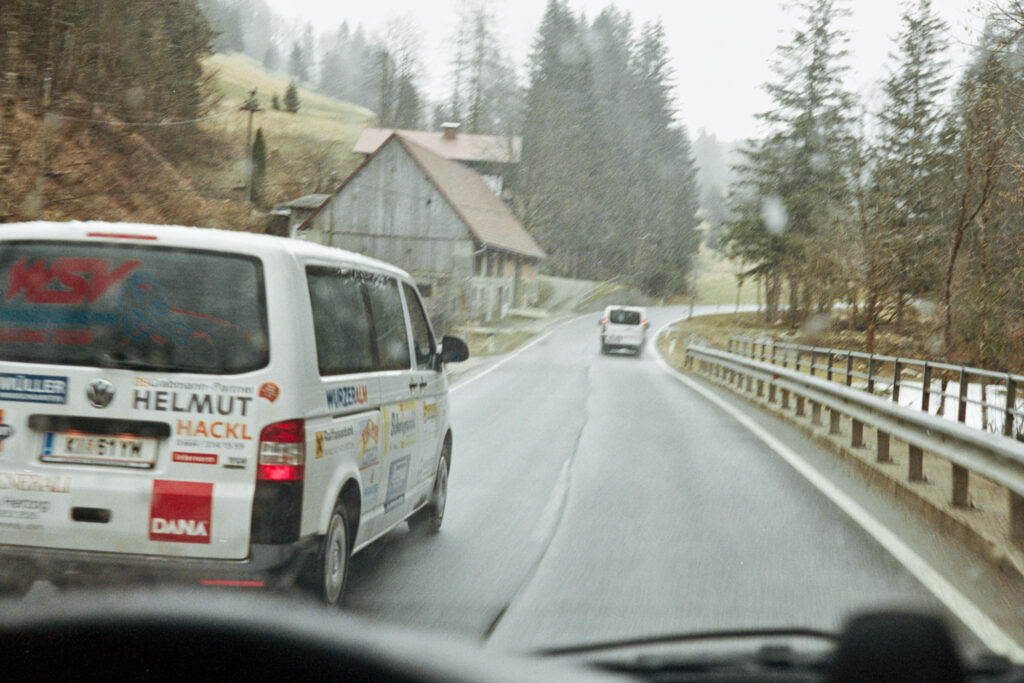
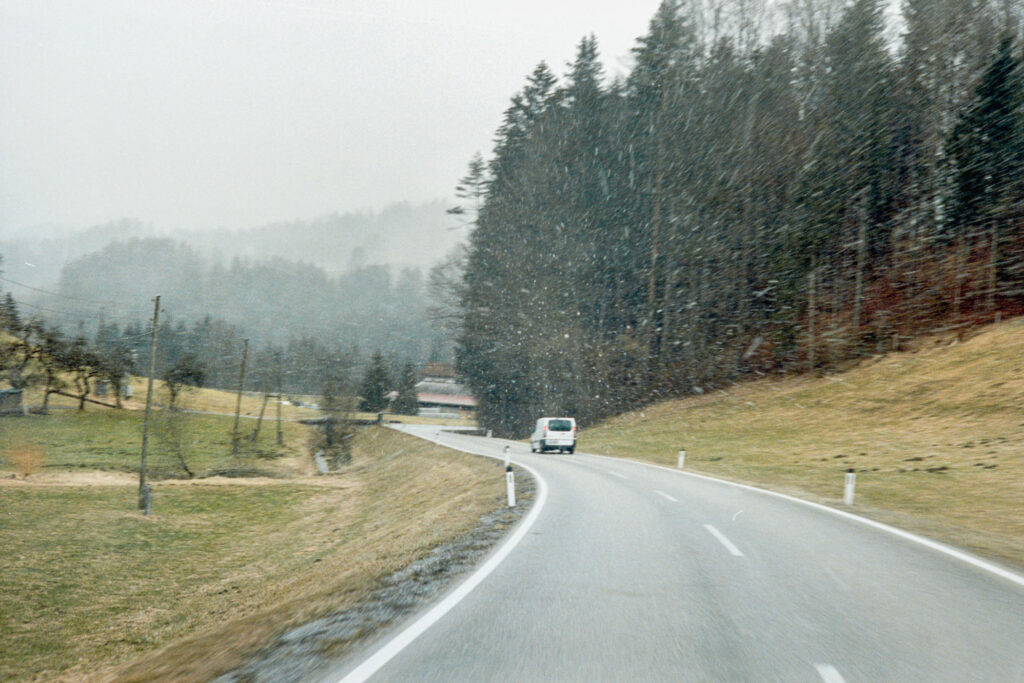
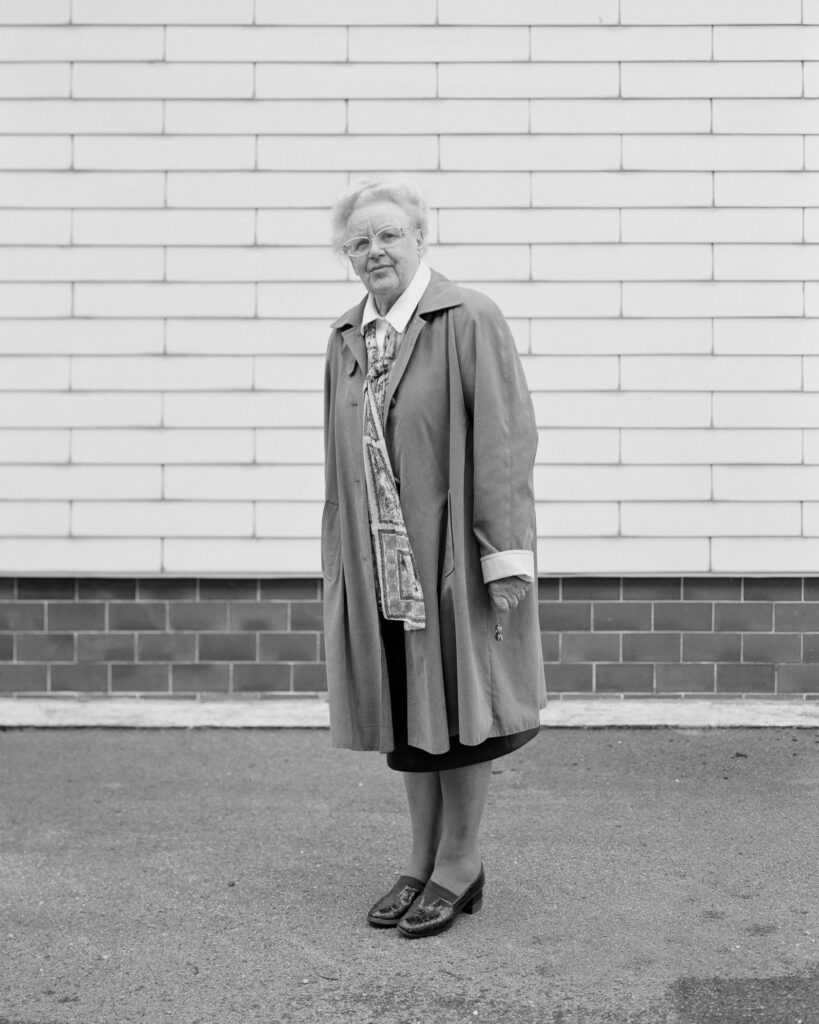
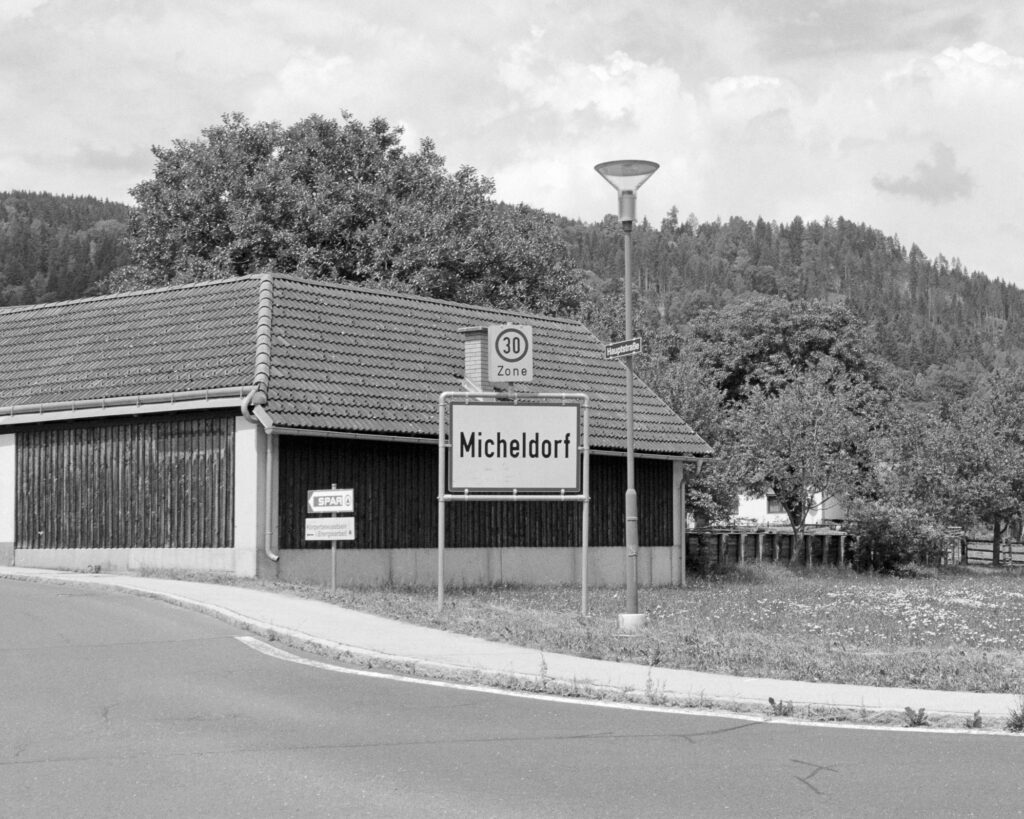
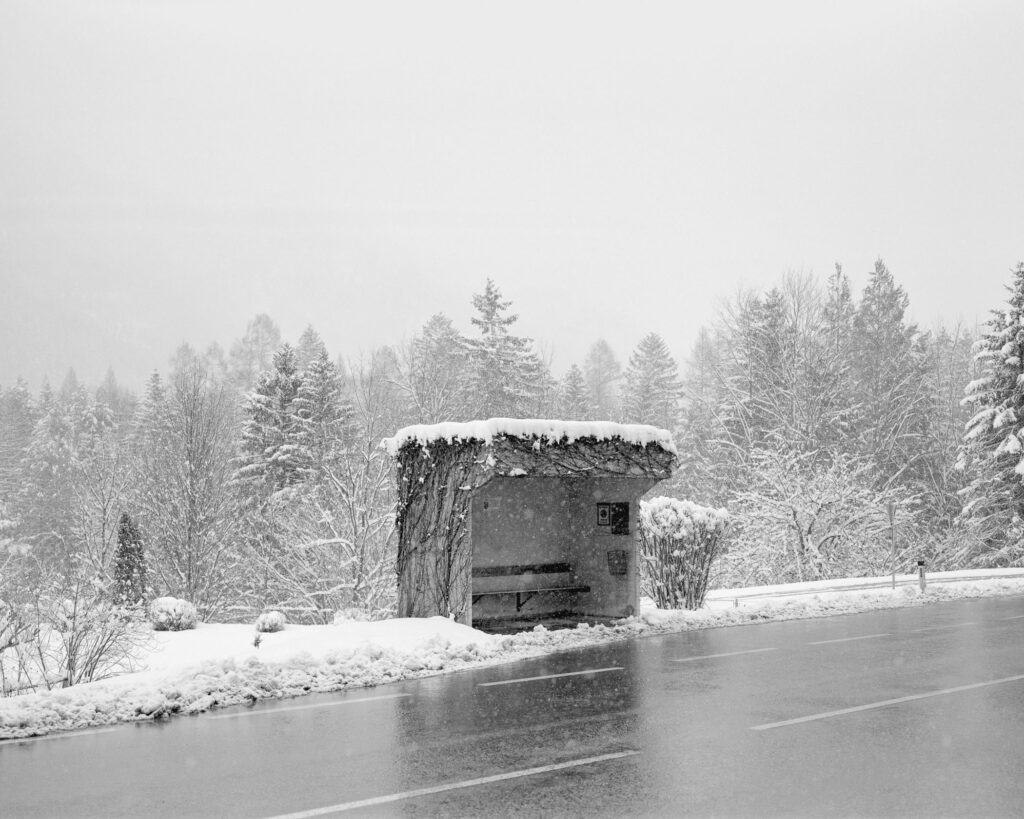
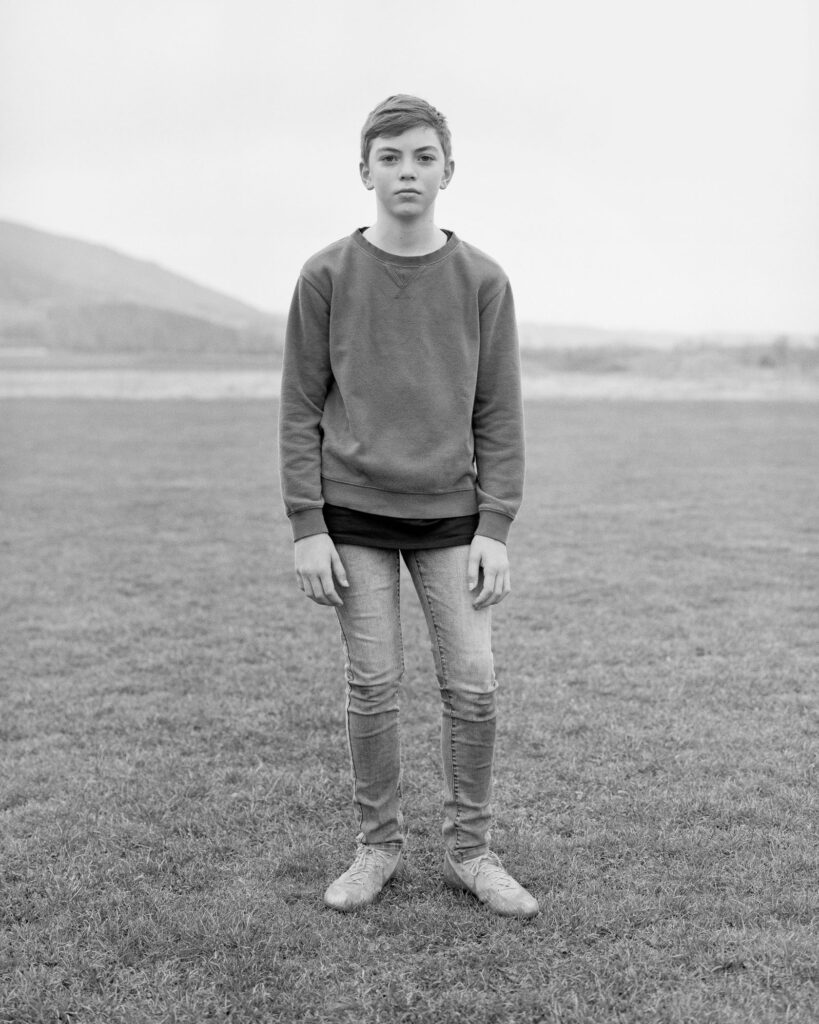
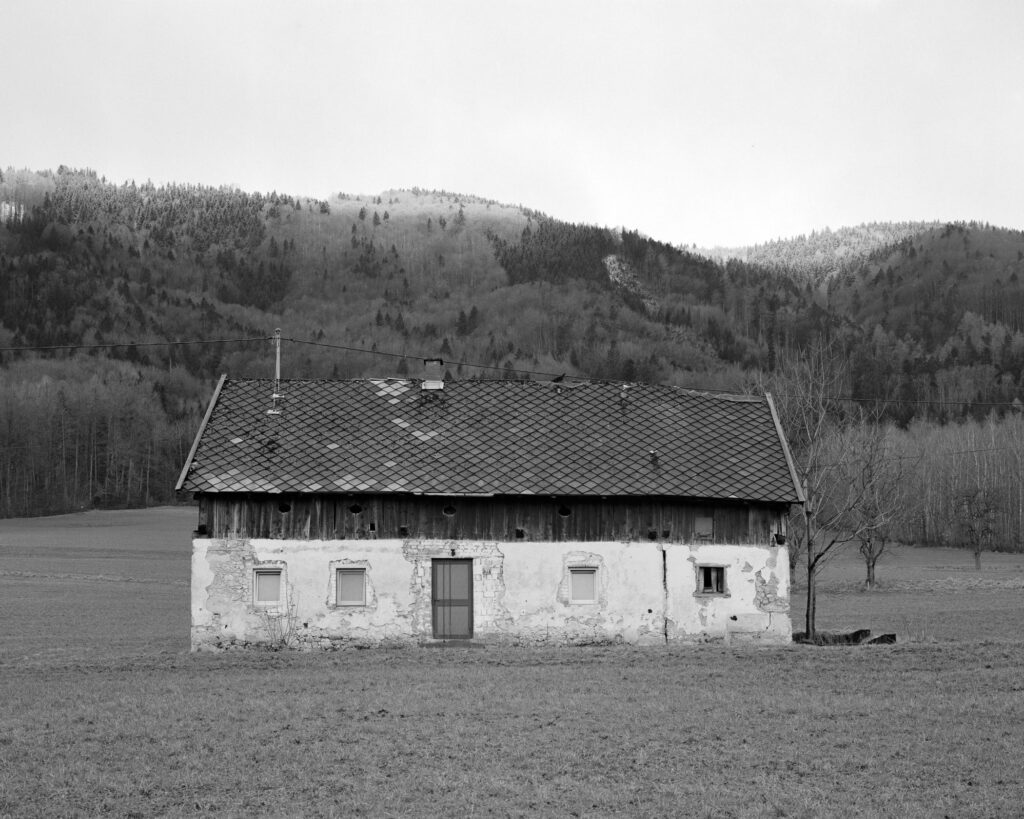
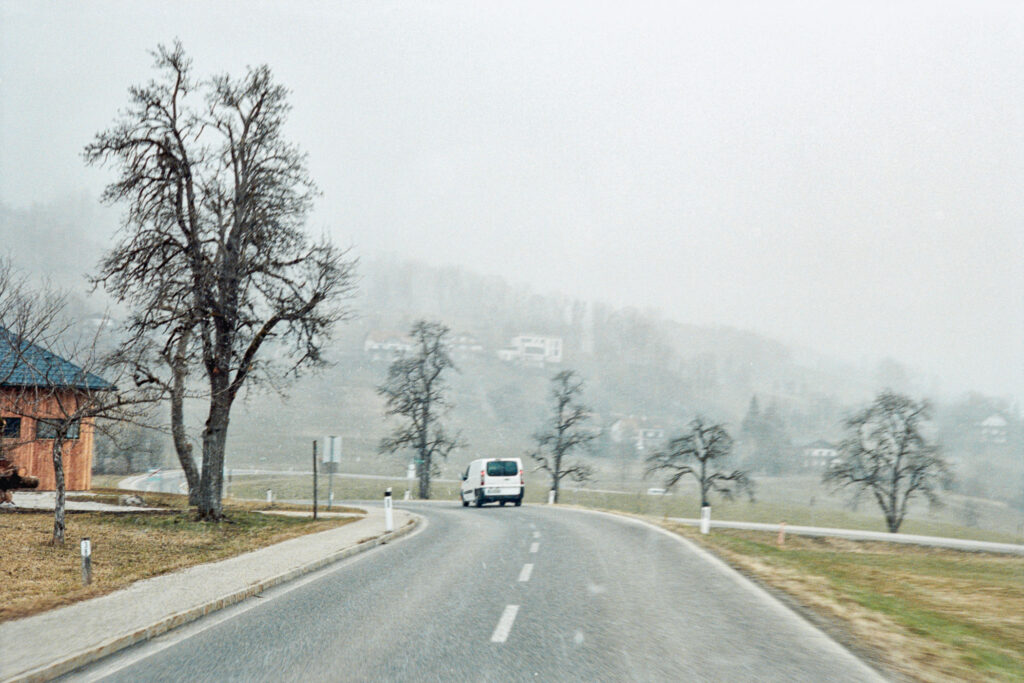
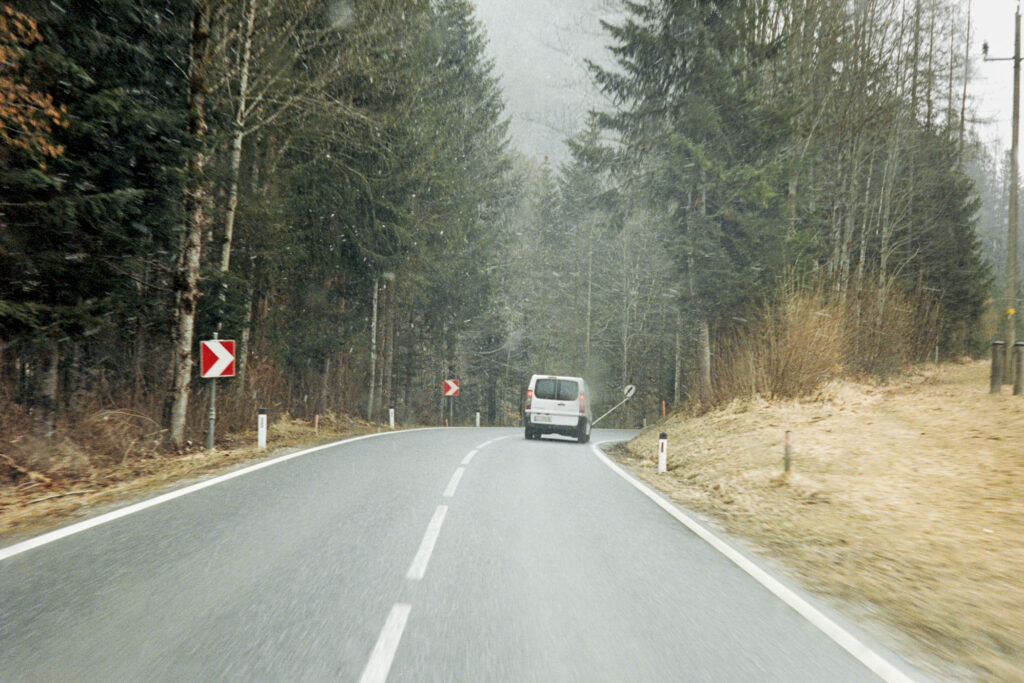
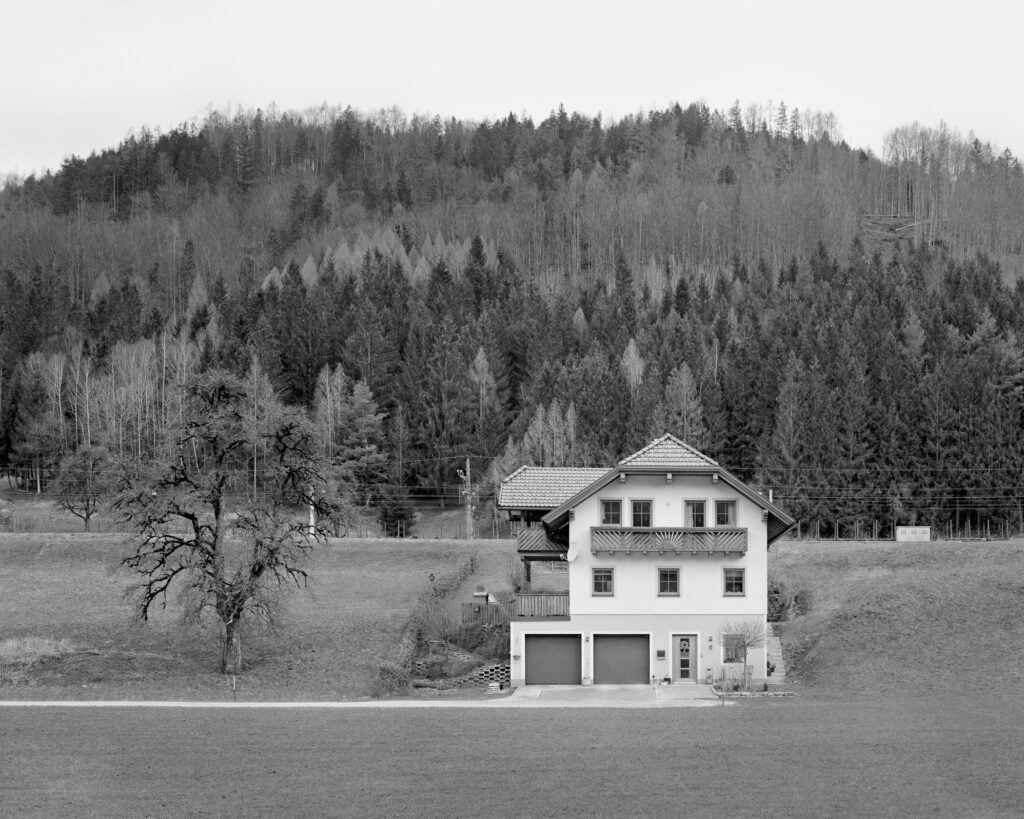
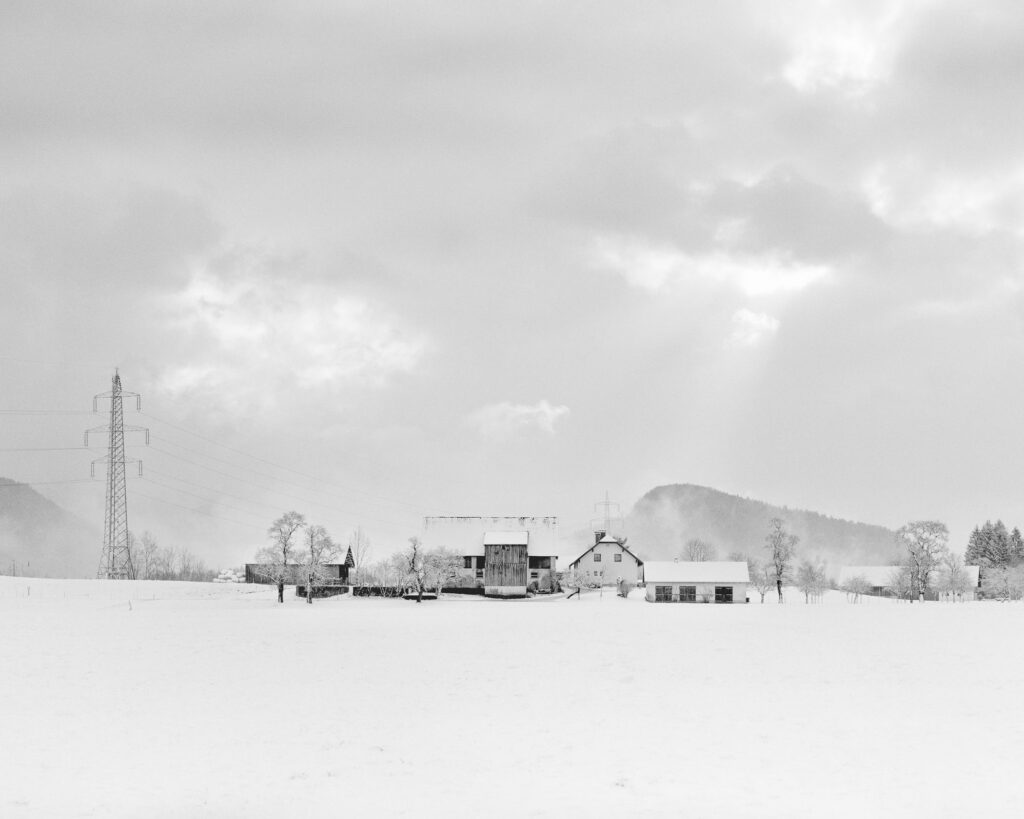
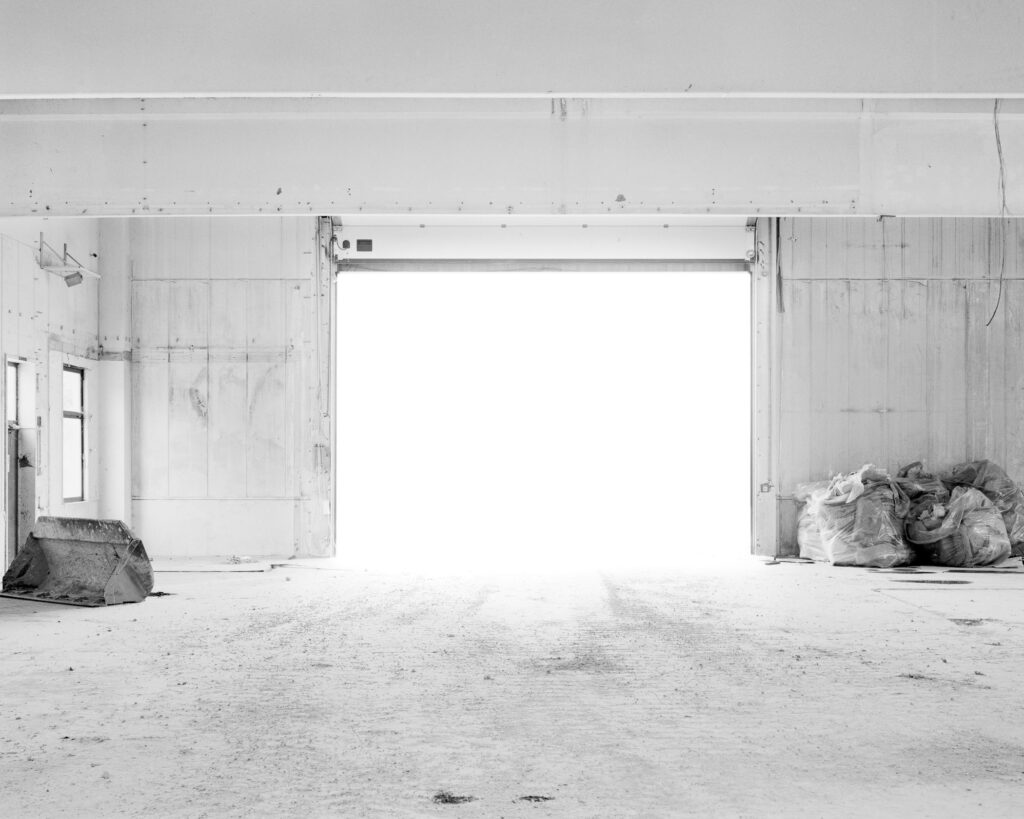
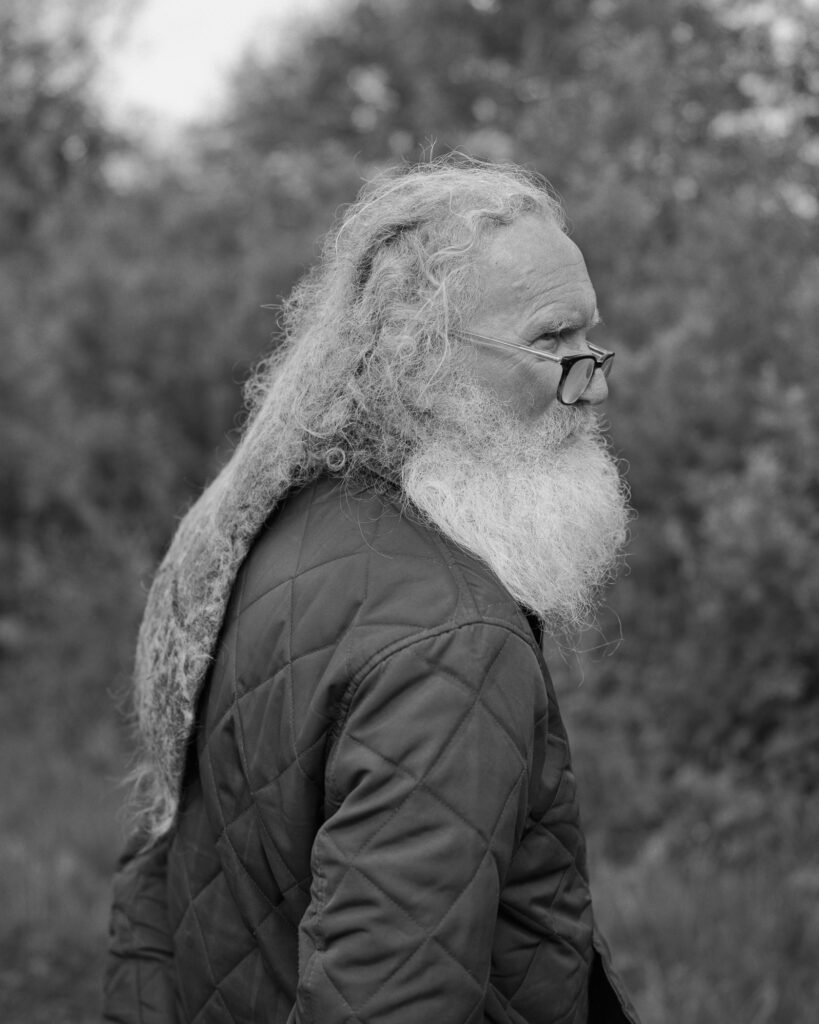
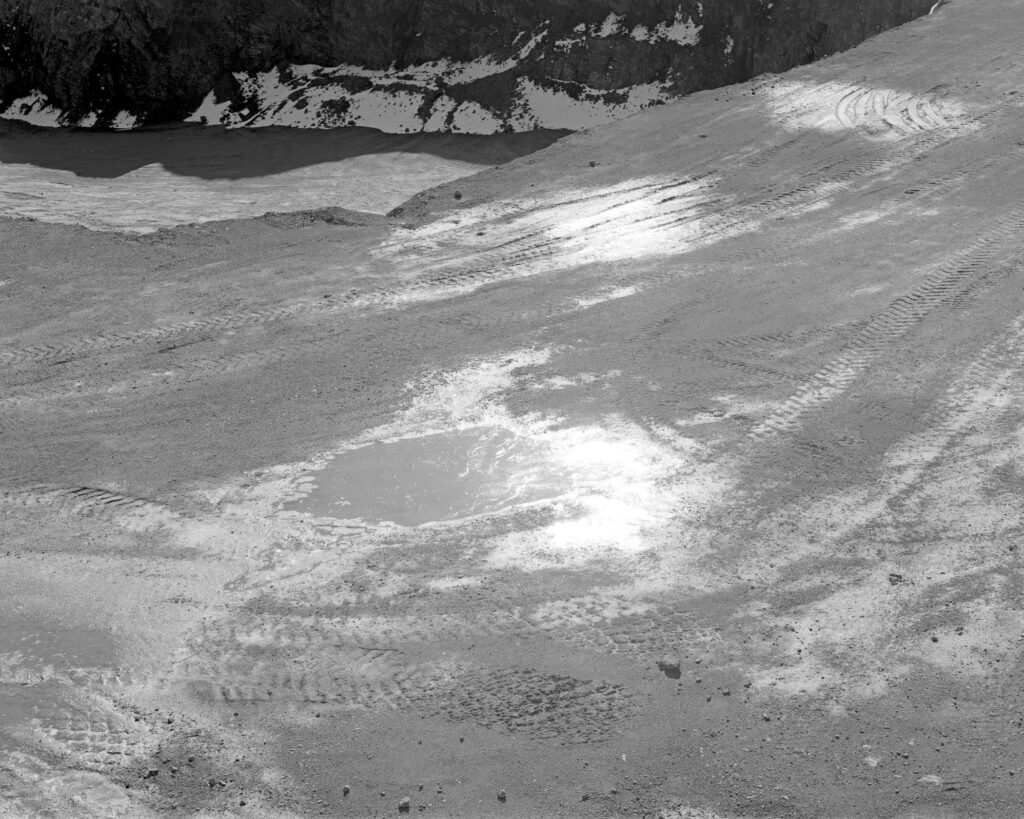
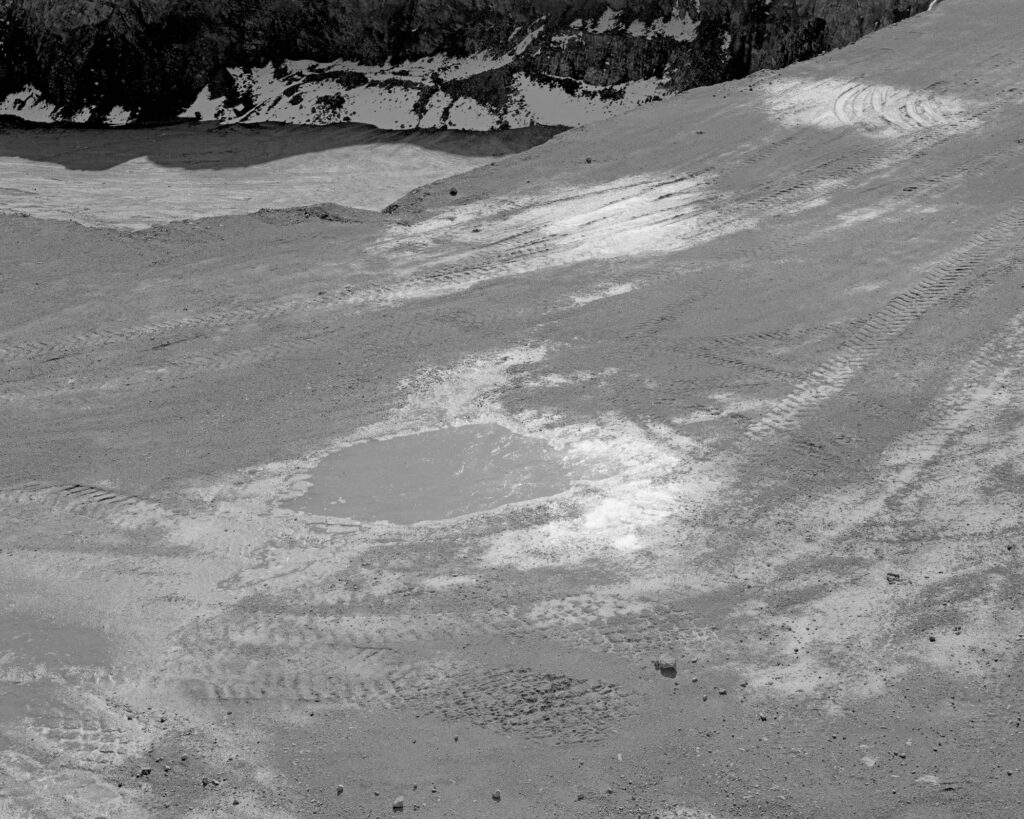
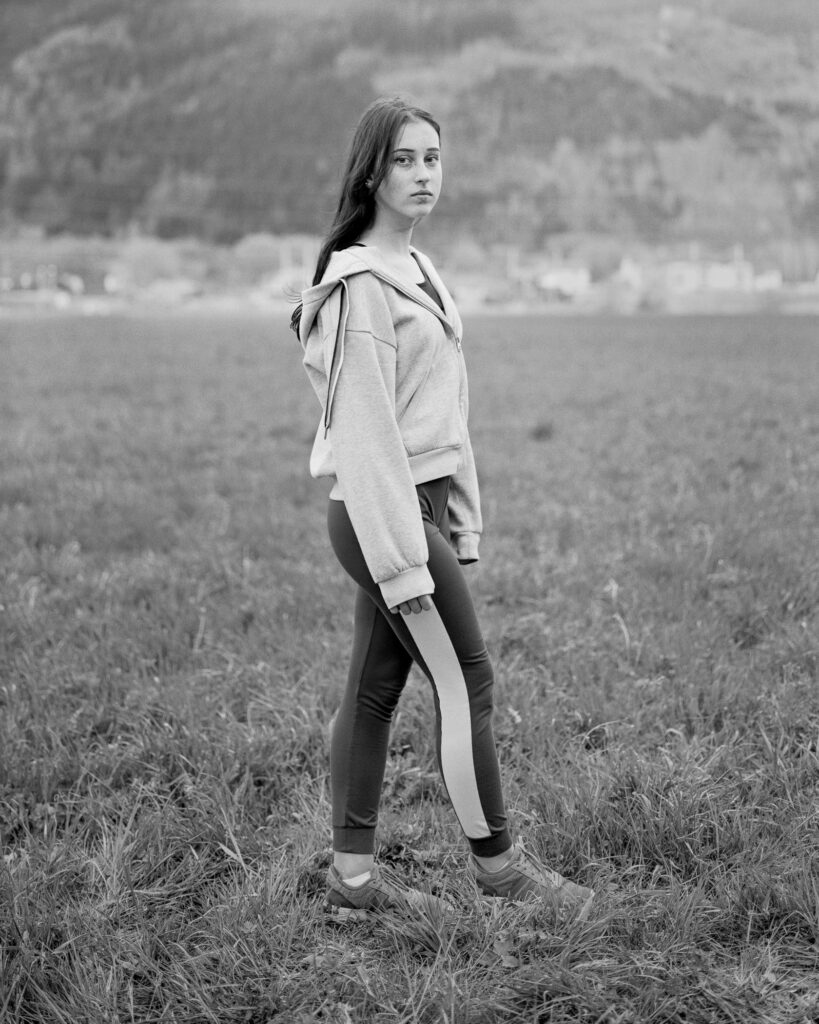
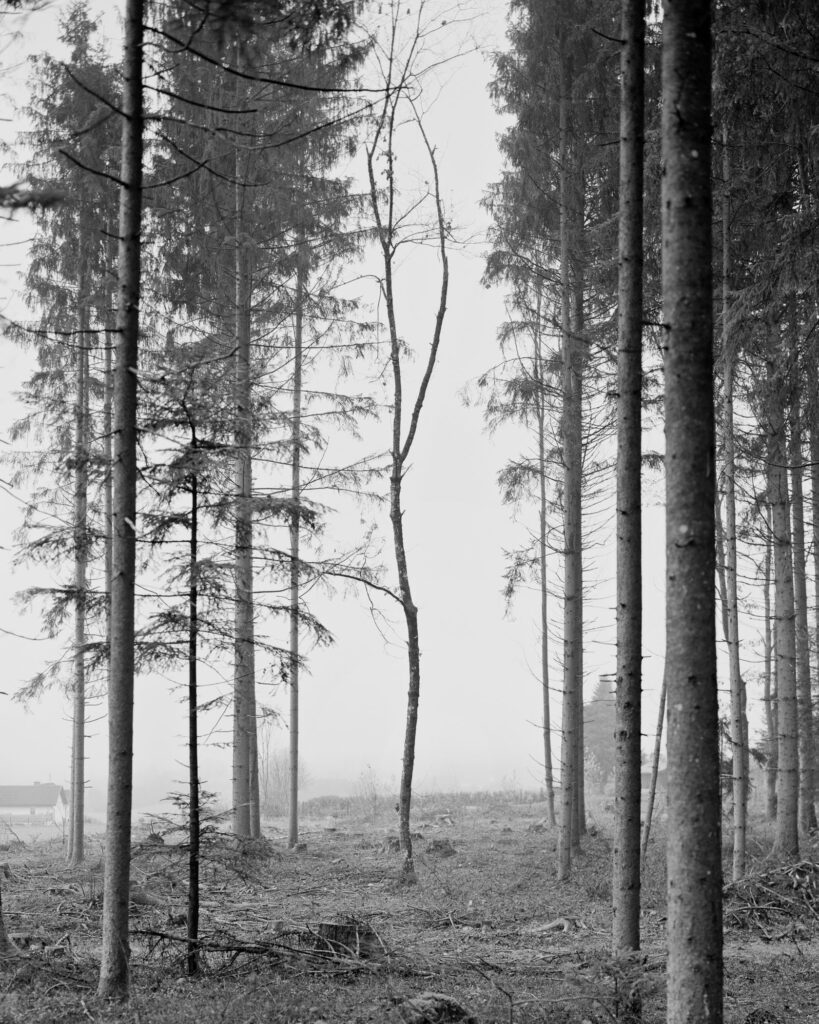
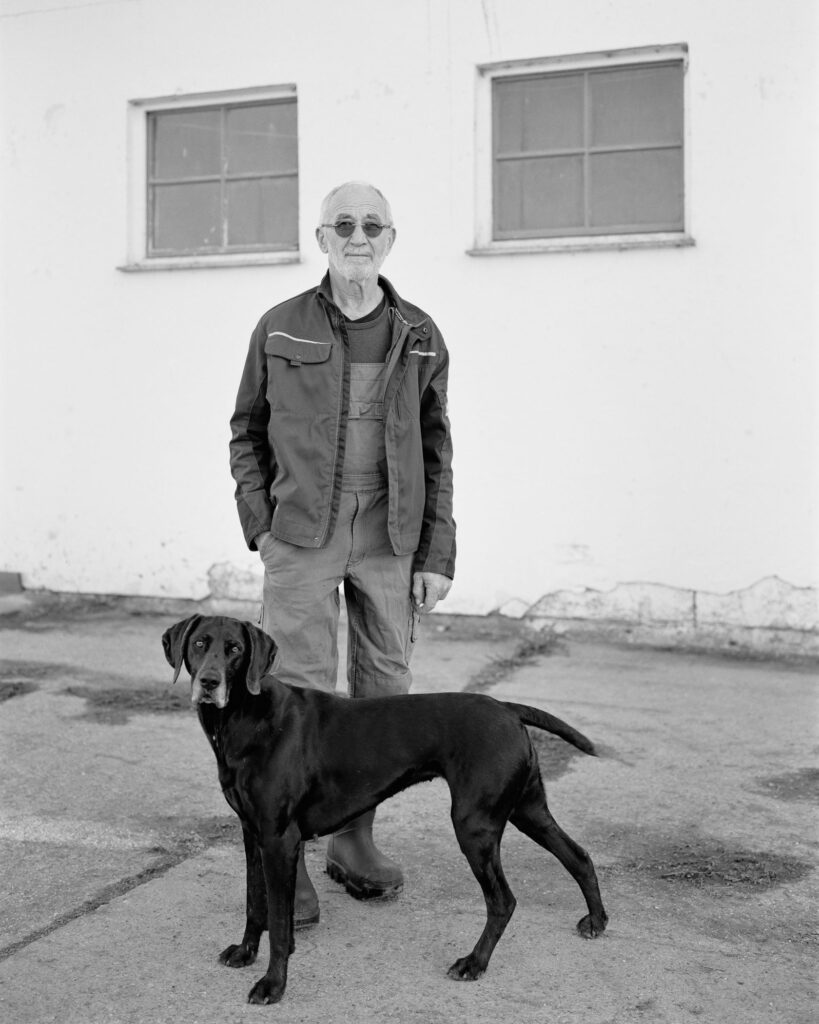
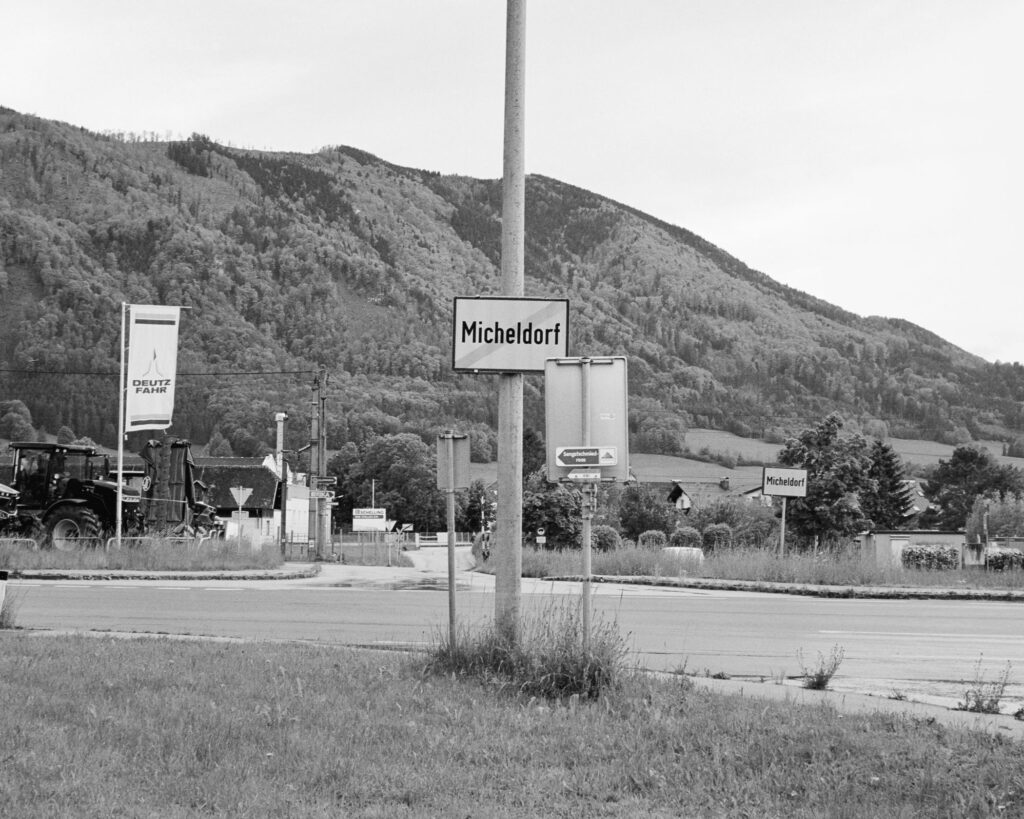
MICHELDORF MICHELDORF MICHELDORF MICHELDORF
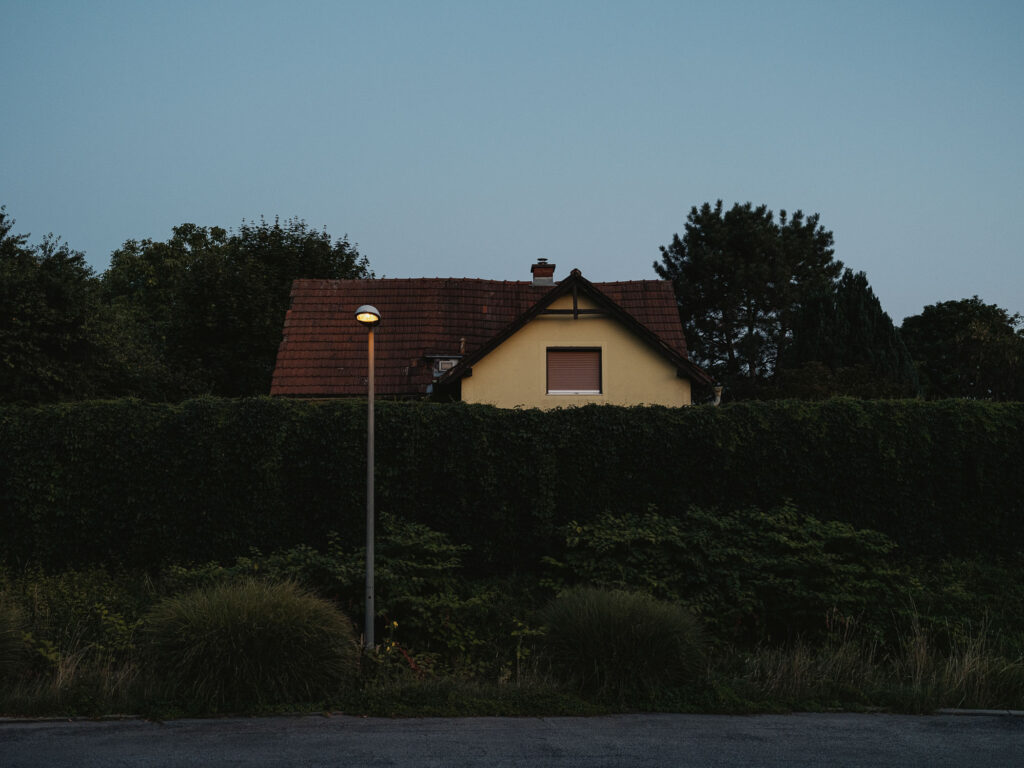
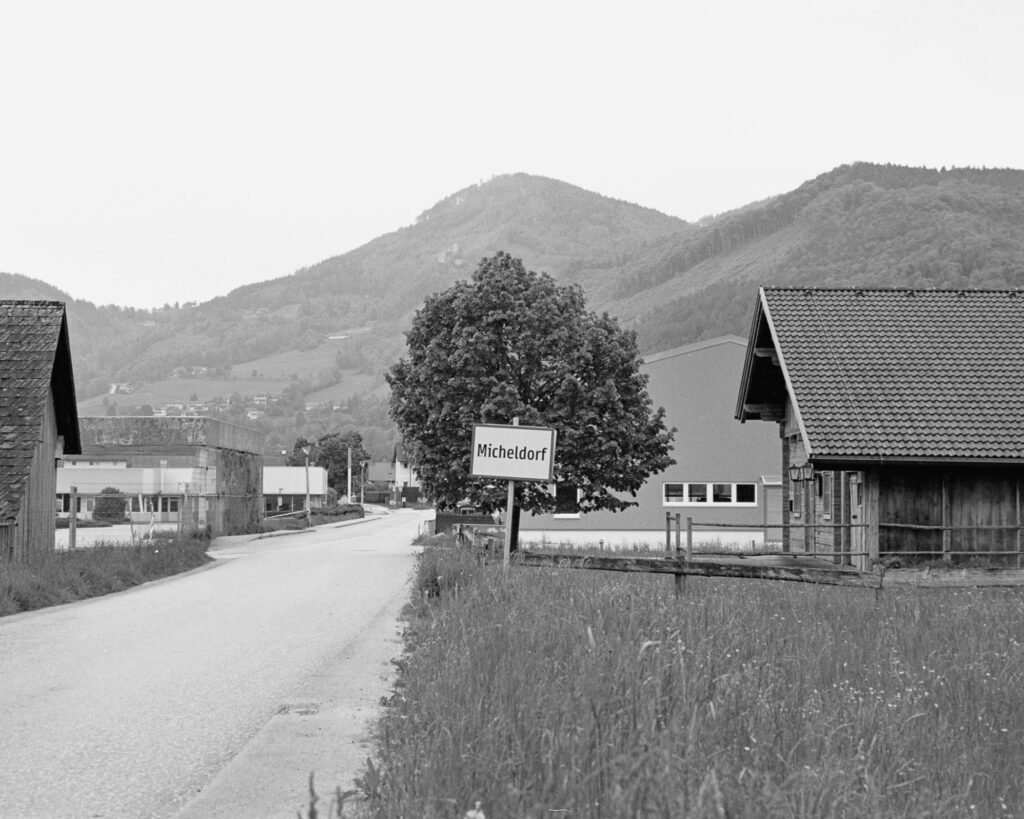
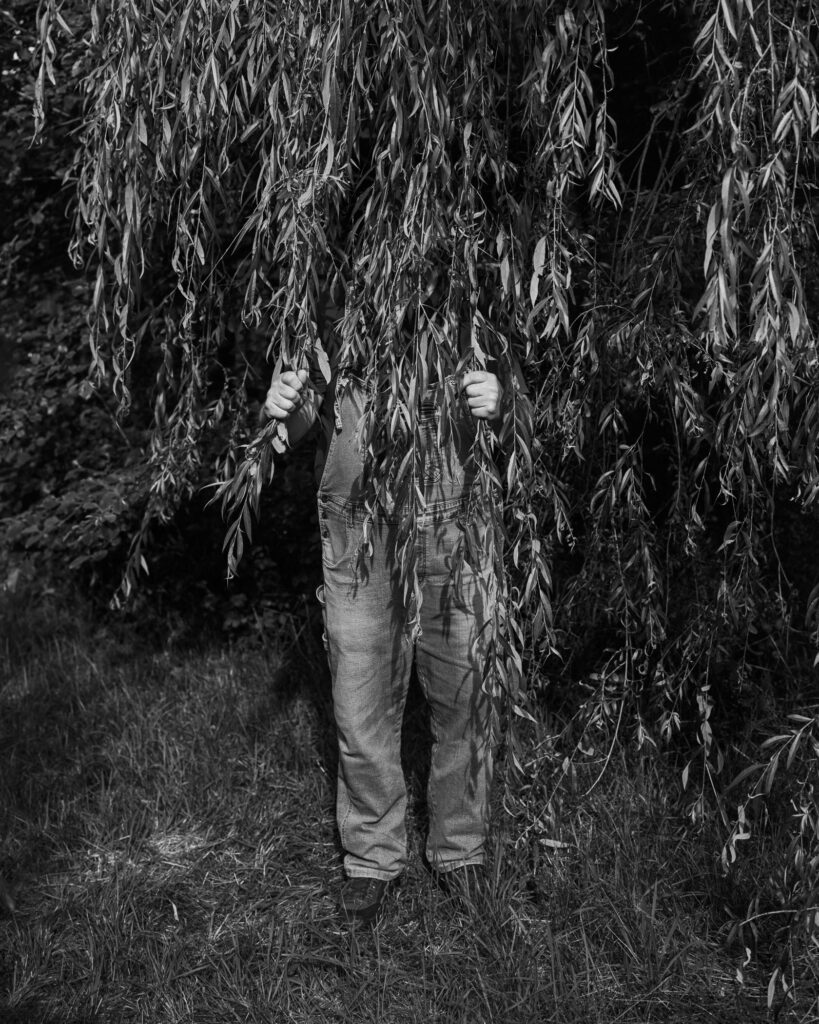
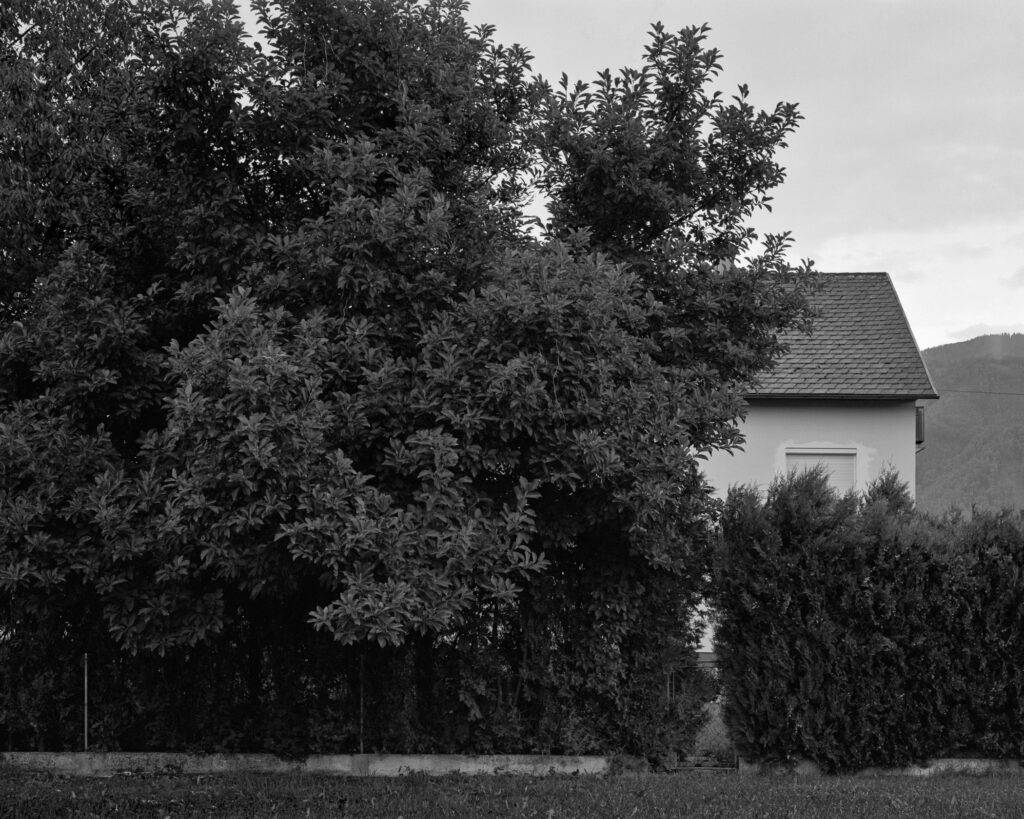
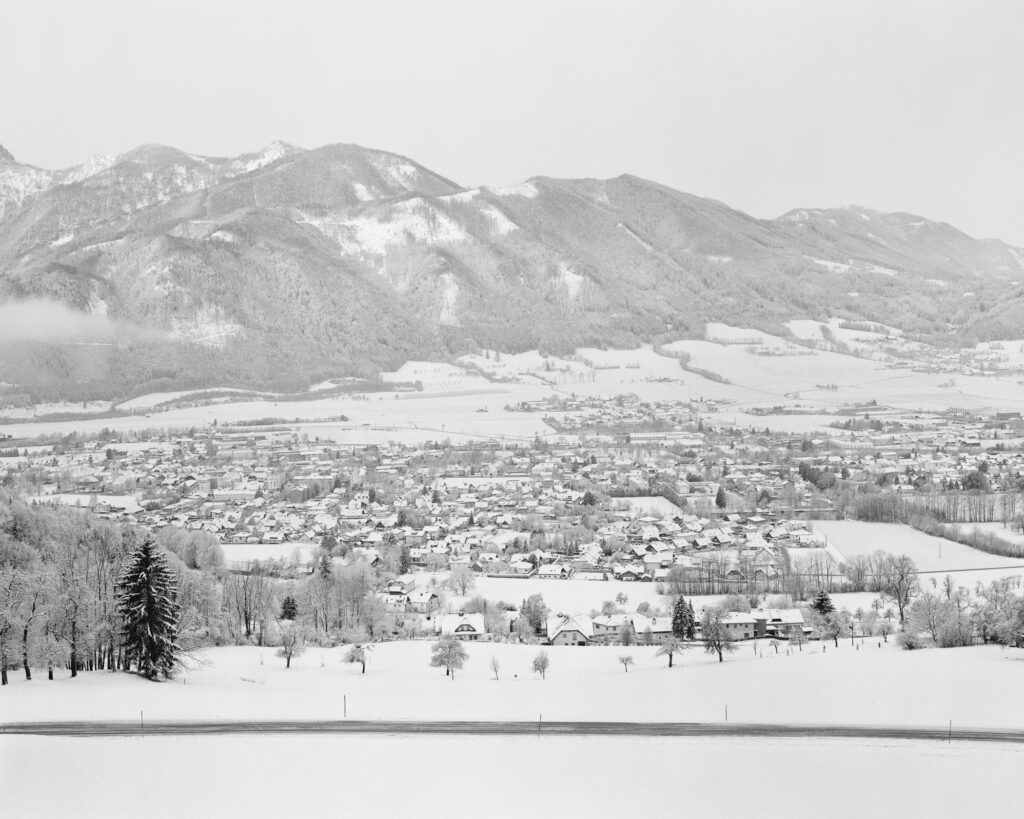
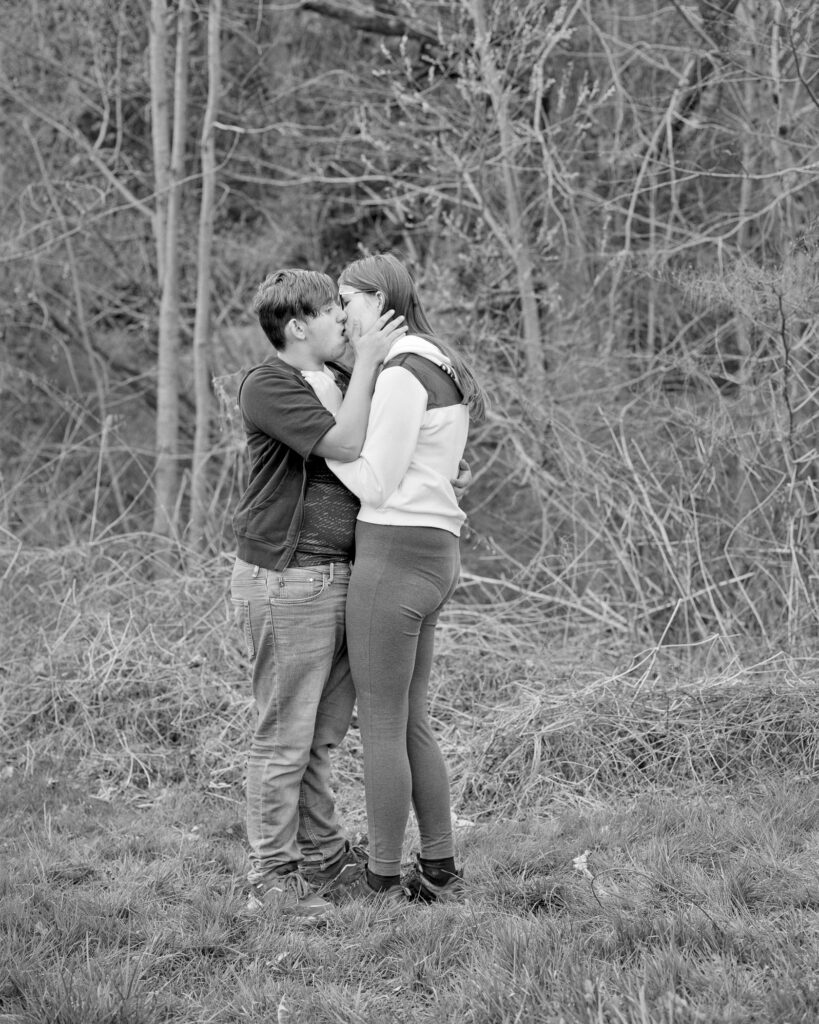
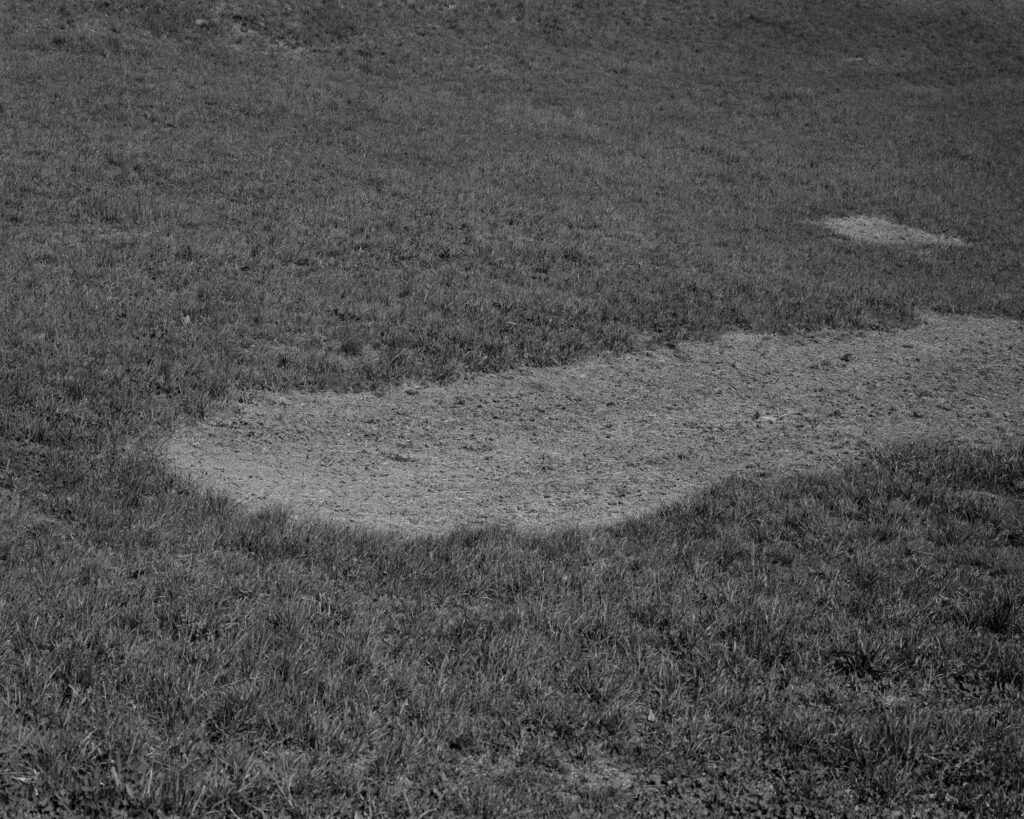
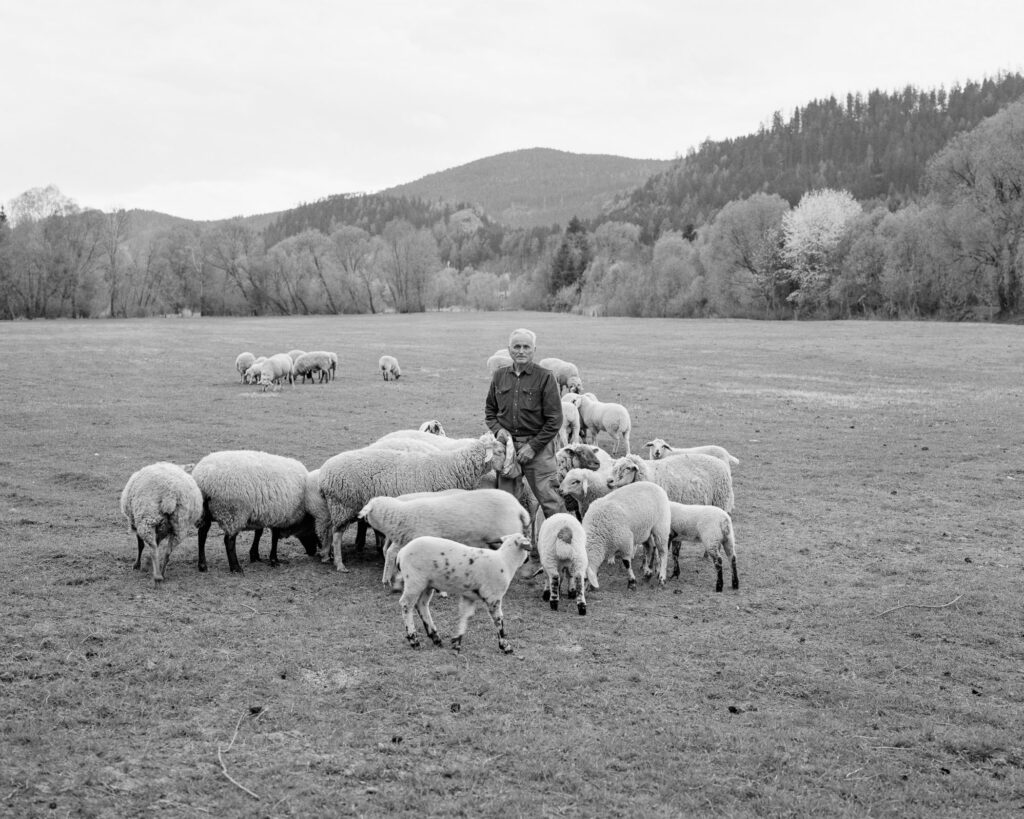
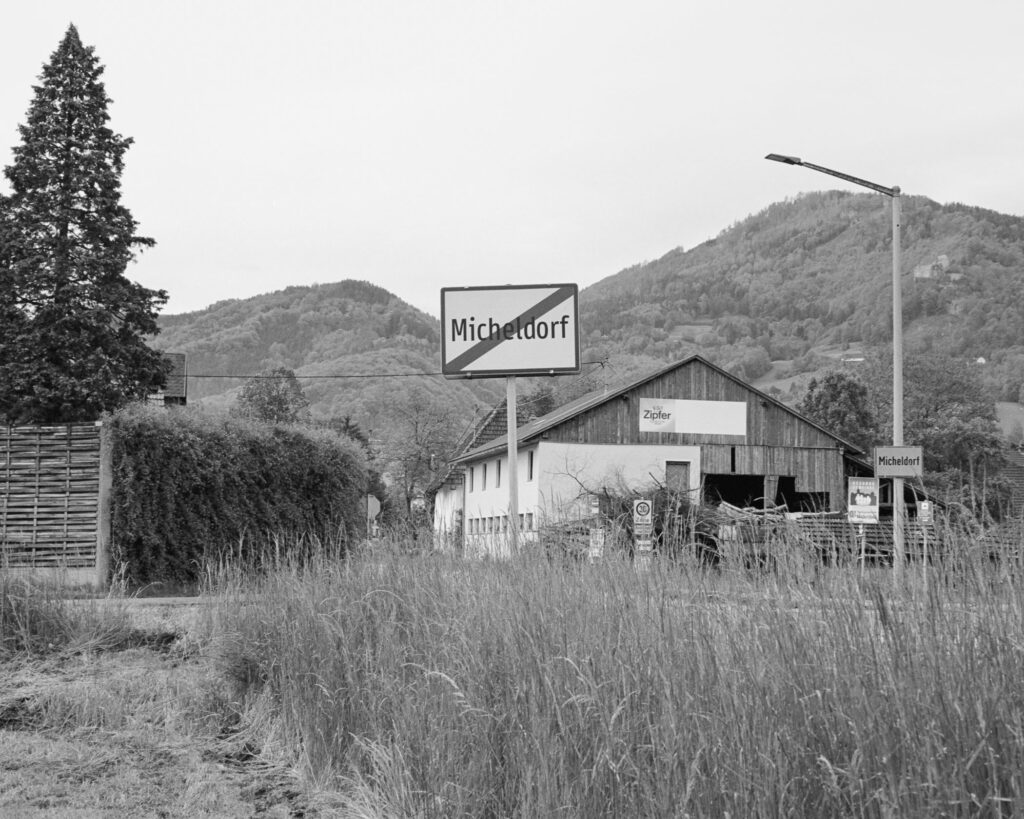
I wanted to explore the country I grew up in. A chance journey brought me to Micheldorf in Upper Austria, where I began photographing village life. I was drawn to the beauty of the everyday in a community of nearly 6,000 people, for whom Micheldorf is the centre of their lives.
As I became more familiar with the place, I became increasingly aware of the limits of trying to describe a social space through a single photographic narrative. There were different stories, perspectives and ways of approaching the same place. Even its name pointed to multiplicity: three other places in Austria are called Micheldorf. The project gradually expanded beyond one location.
For the book, I was interested in constructing a sense of place and identity through selection and sequencing of photographs and text fragments.
I developed three versions of the book. Each contains exactly the same material, arranged in an entirely different sequence. Working through these sequences was a way of exploring several possible narratives without adding or removing anything.
The versions are distributed at random and marked 1/4, 2/4 and 3/4. A fourth version was never made.
Book available at: The Eriskay Connection

EXHIBITIONS
2025 / Sensen Museum Micheldorf / solo / Micheldorf in OÖ, AUT
2024 / Les Rencontres de la Photographie / group / Arles, FR
2023 / Goethe Exil / group / Hannover, DE
2021 / Graduation Show, BA Photography, KASK / Ghent, BE

AWARDS
2025 / Nomination, PHotoESPAÑA Best Photography Book of the Year
2024 / Nomination, German Photobook Award
2023 / Nomination, C/O Berlin Talent Award


TEXT
2025 / tagebuch.at
2025 / faz.net


JOSEF
1935–2023
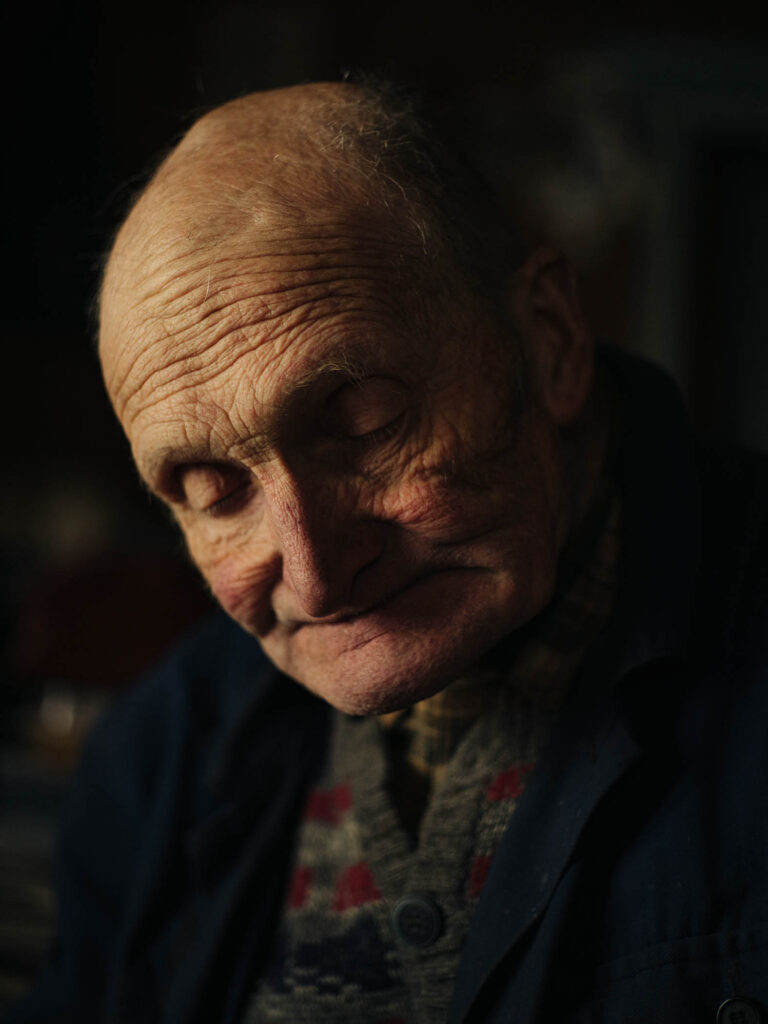
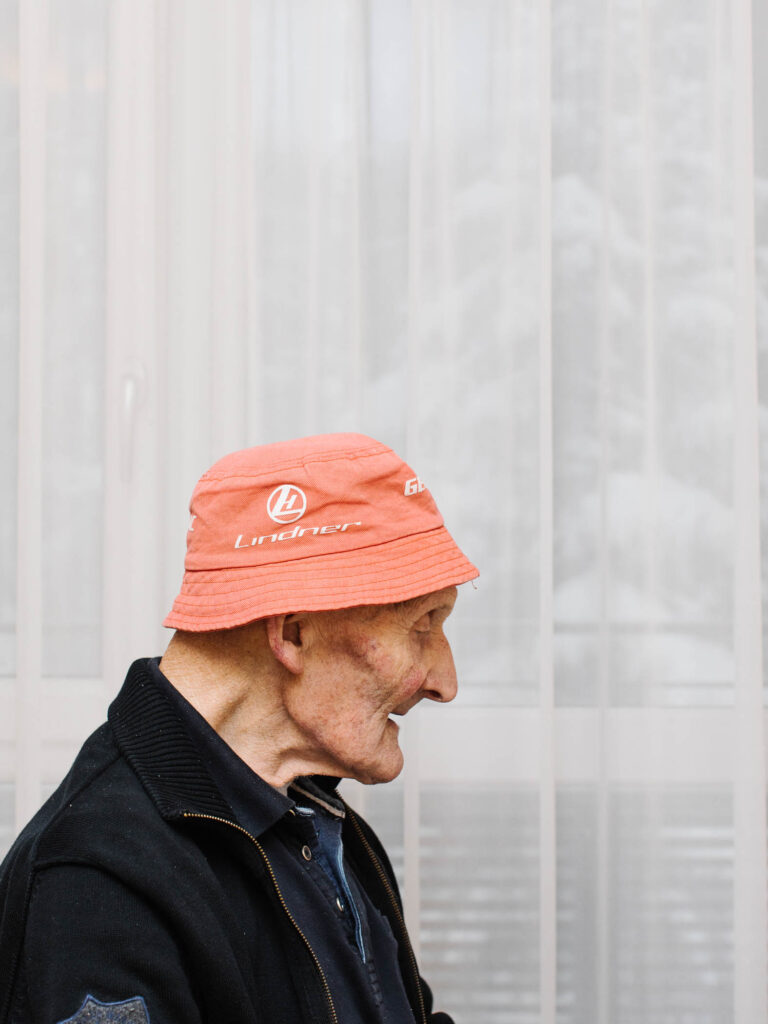
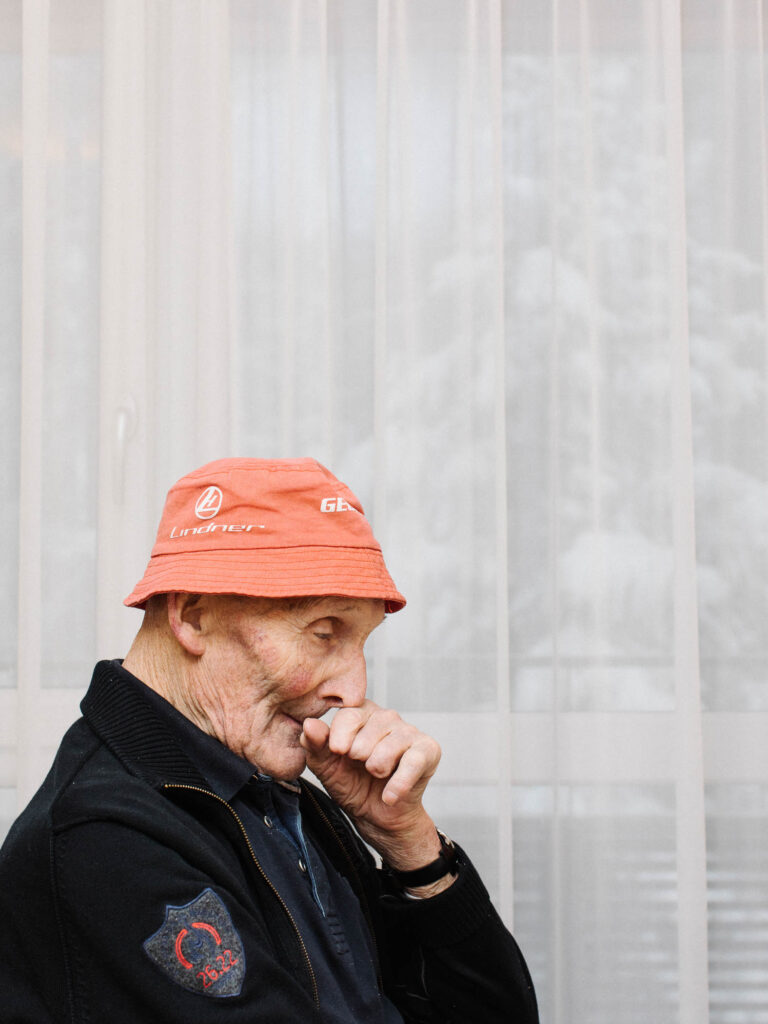
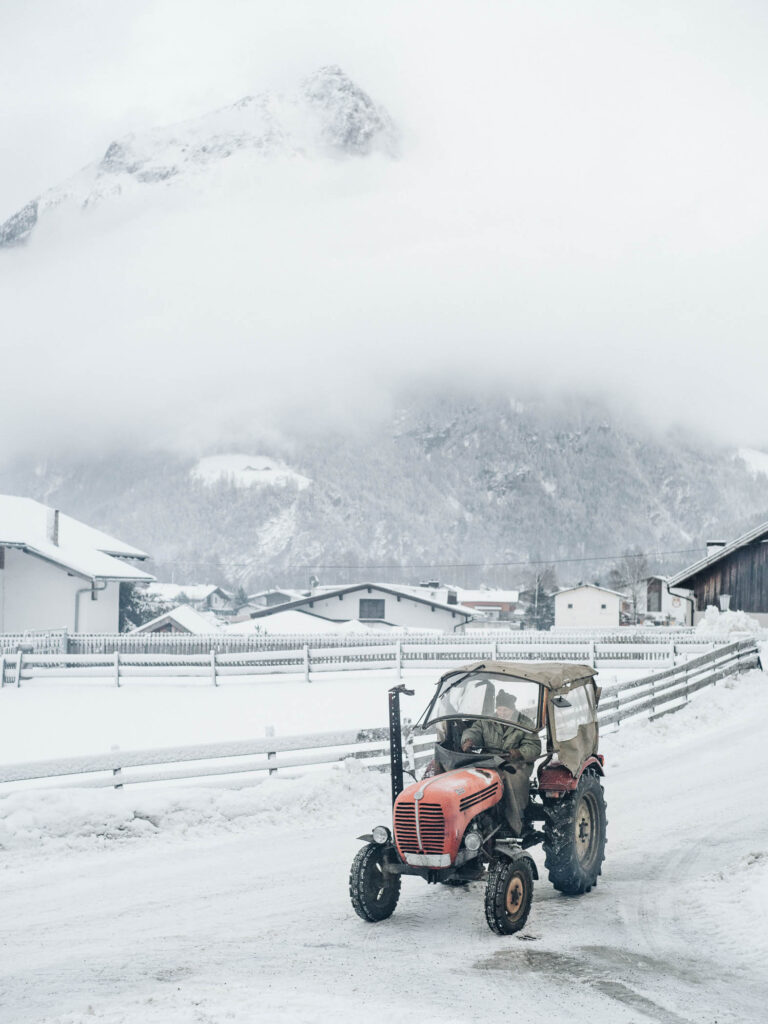
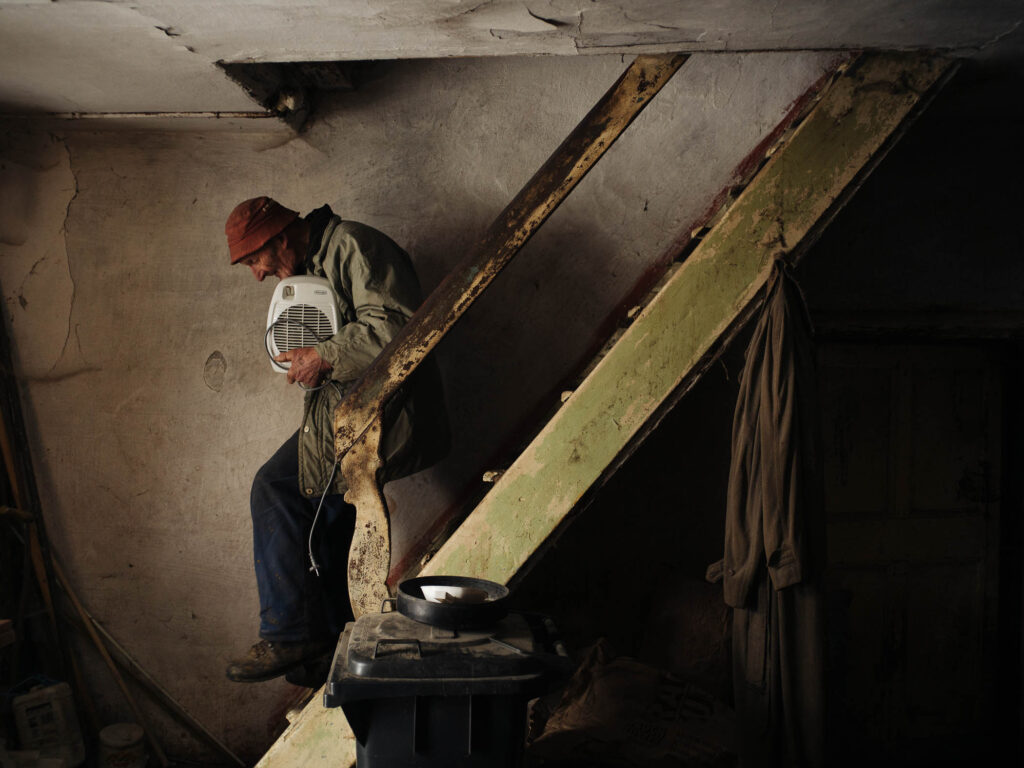
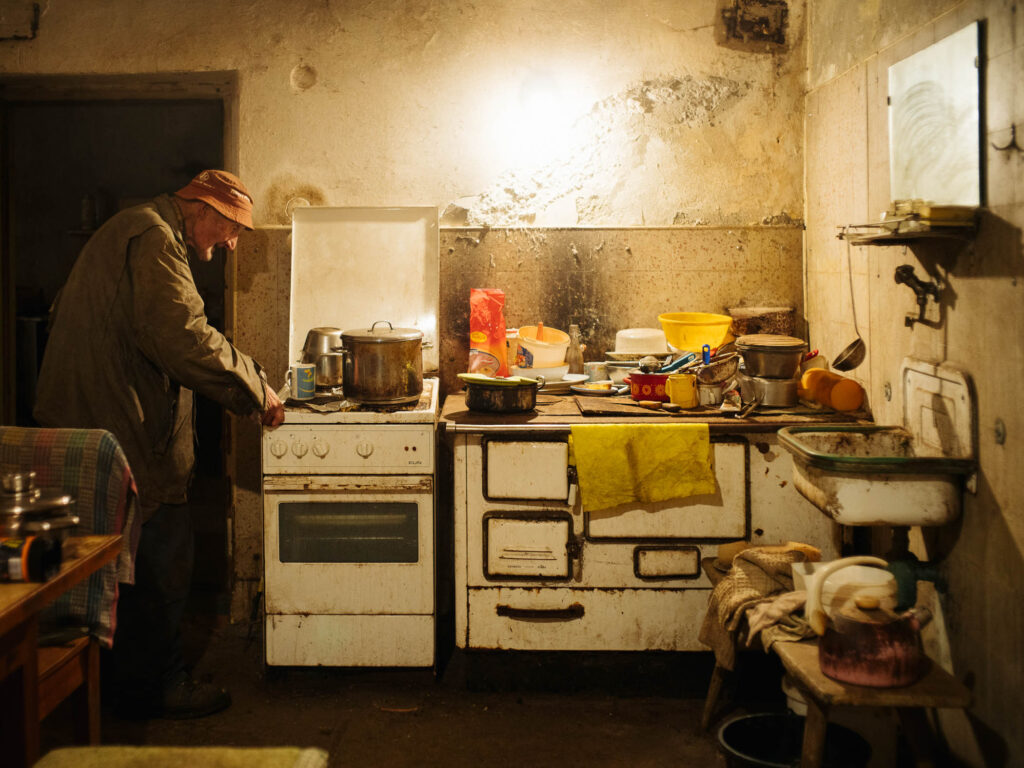
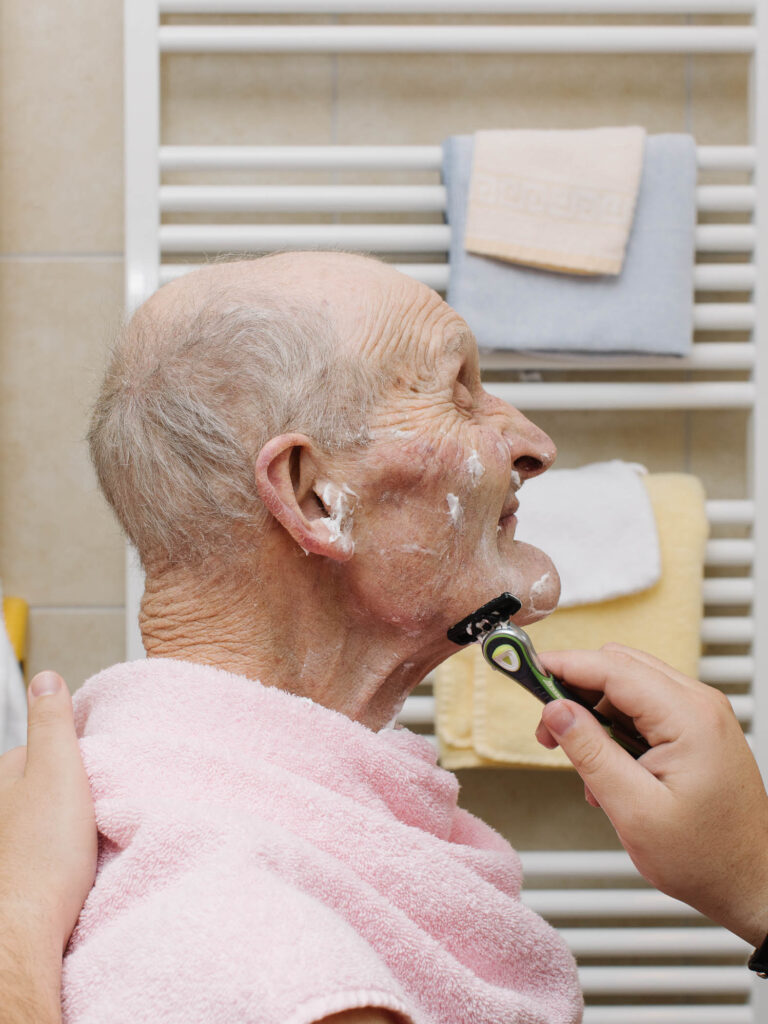
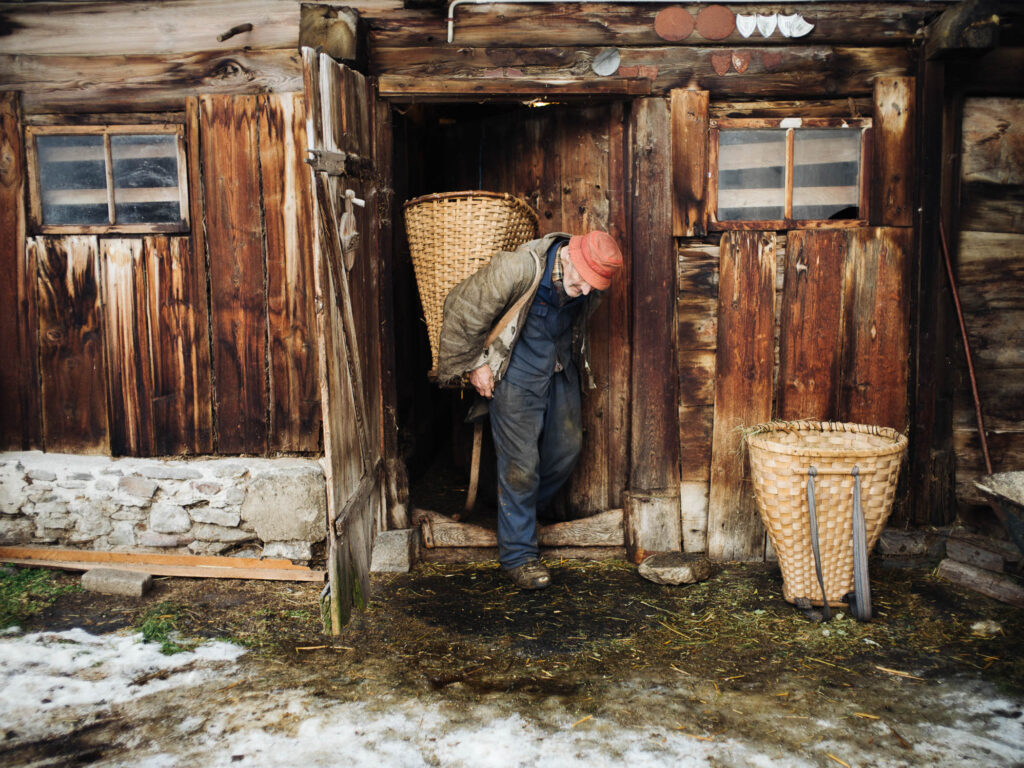
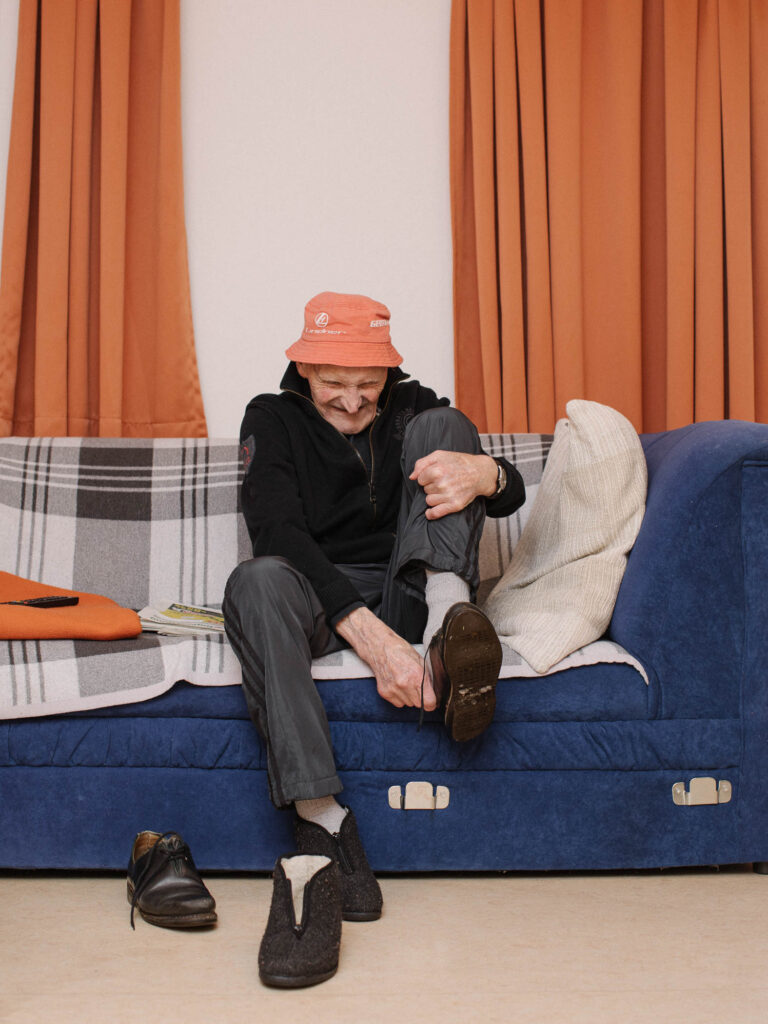
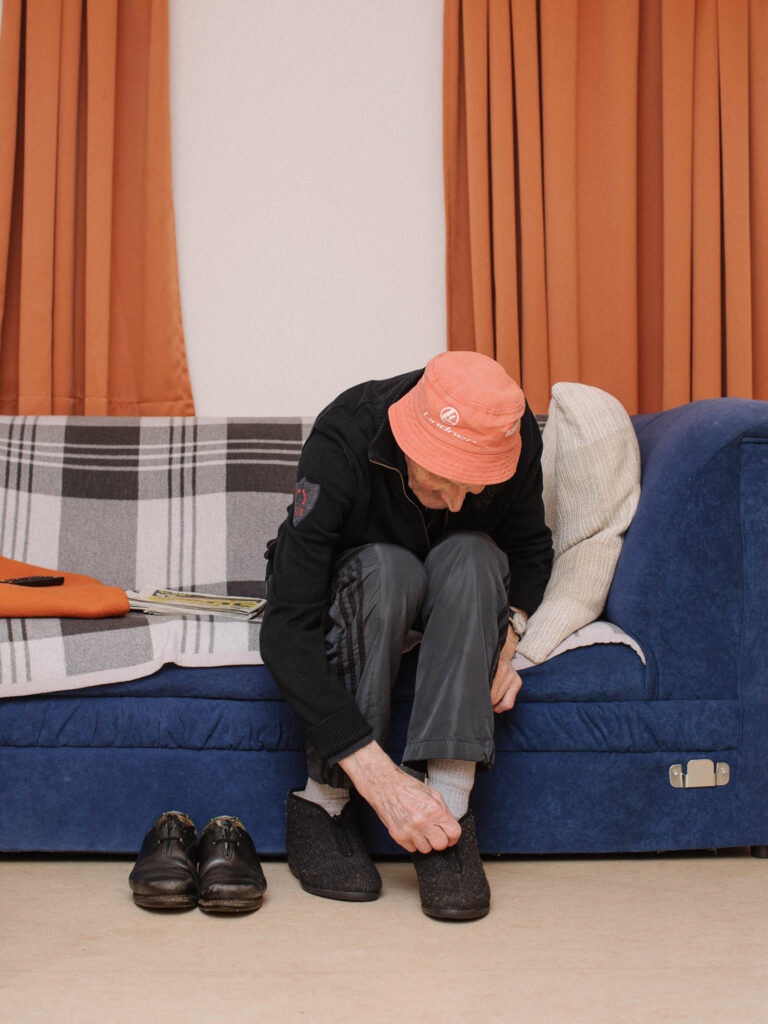
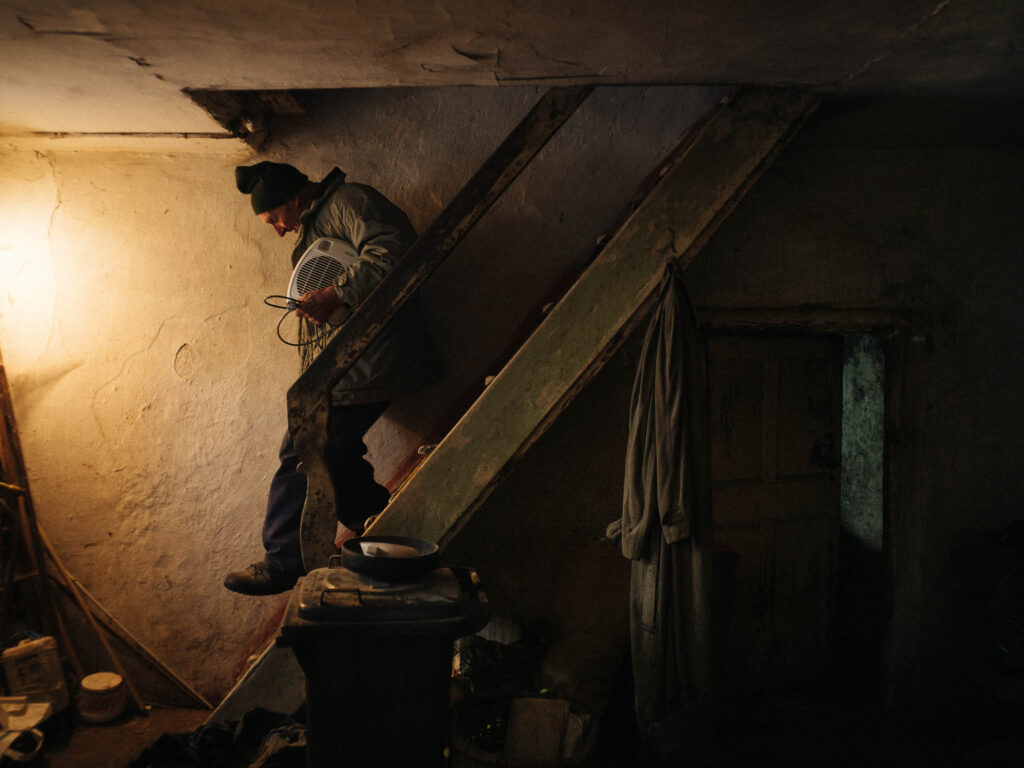
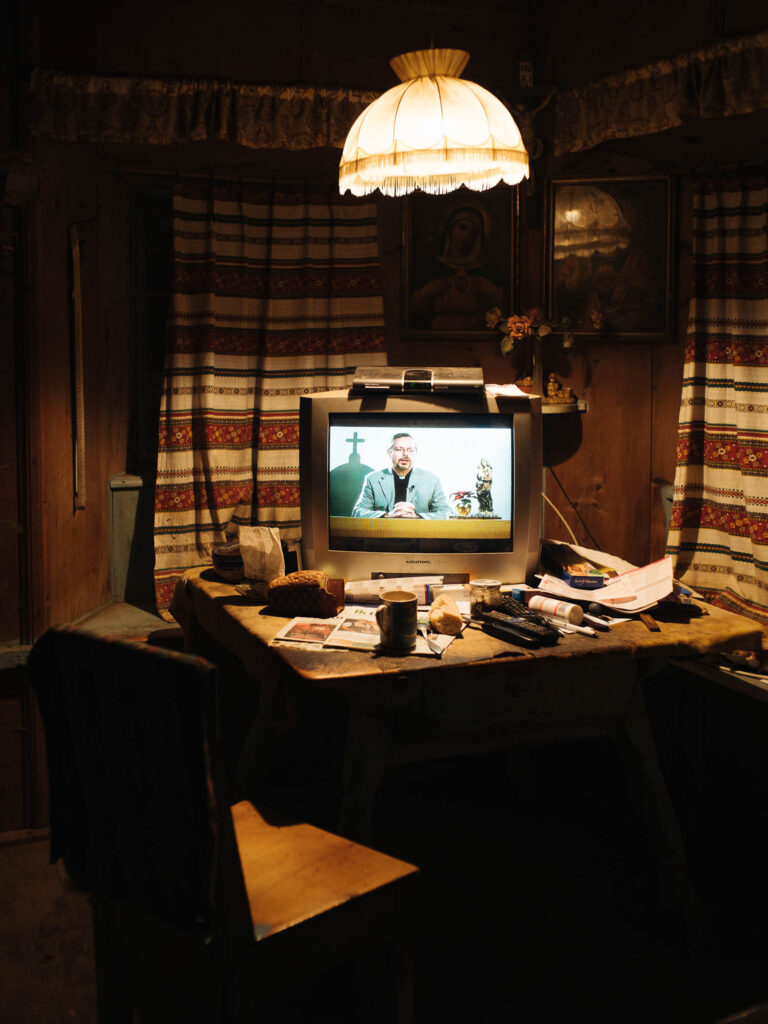
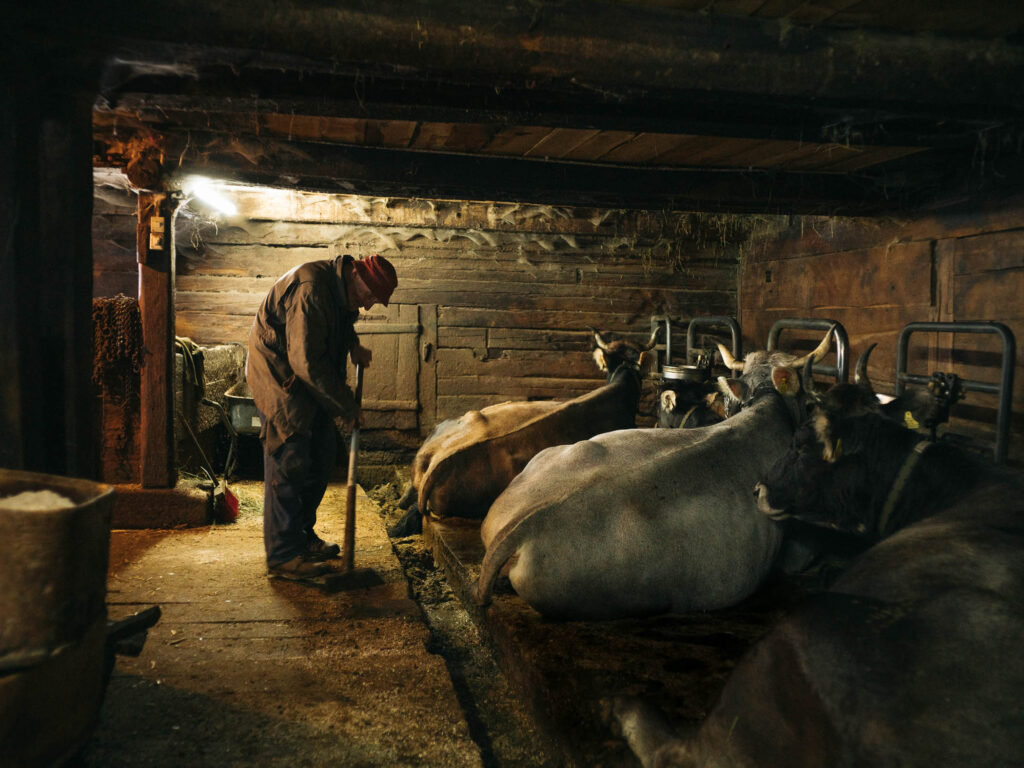
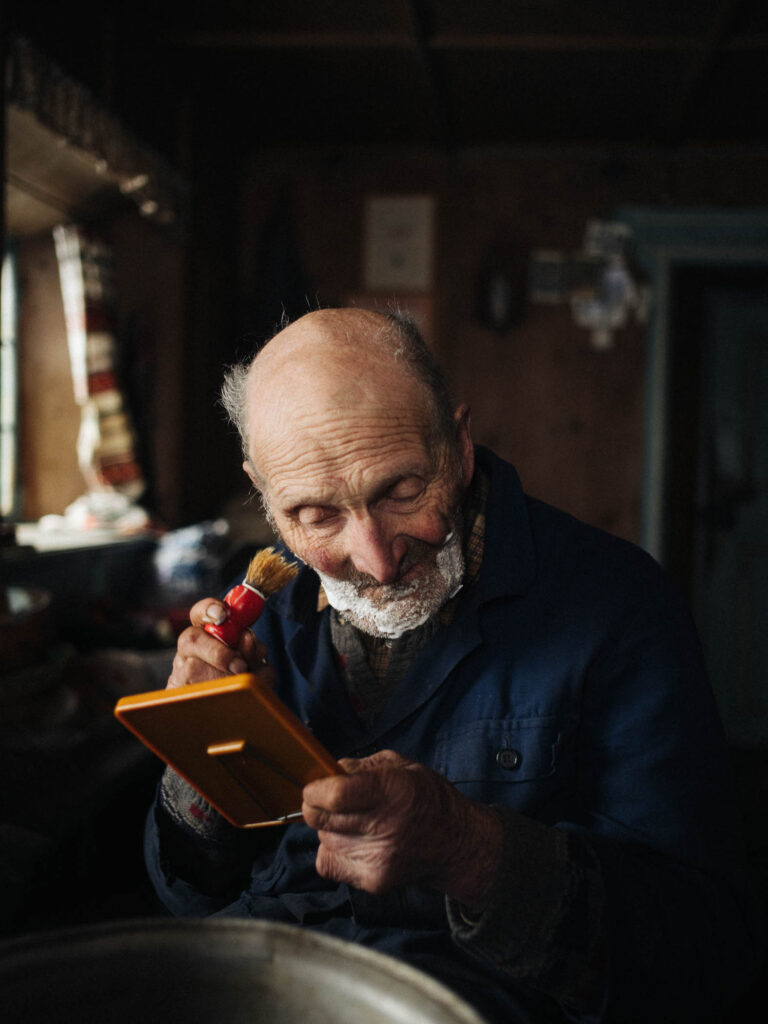
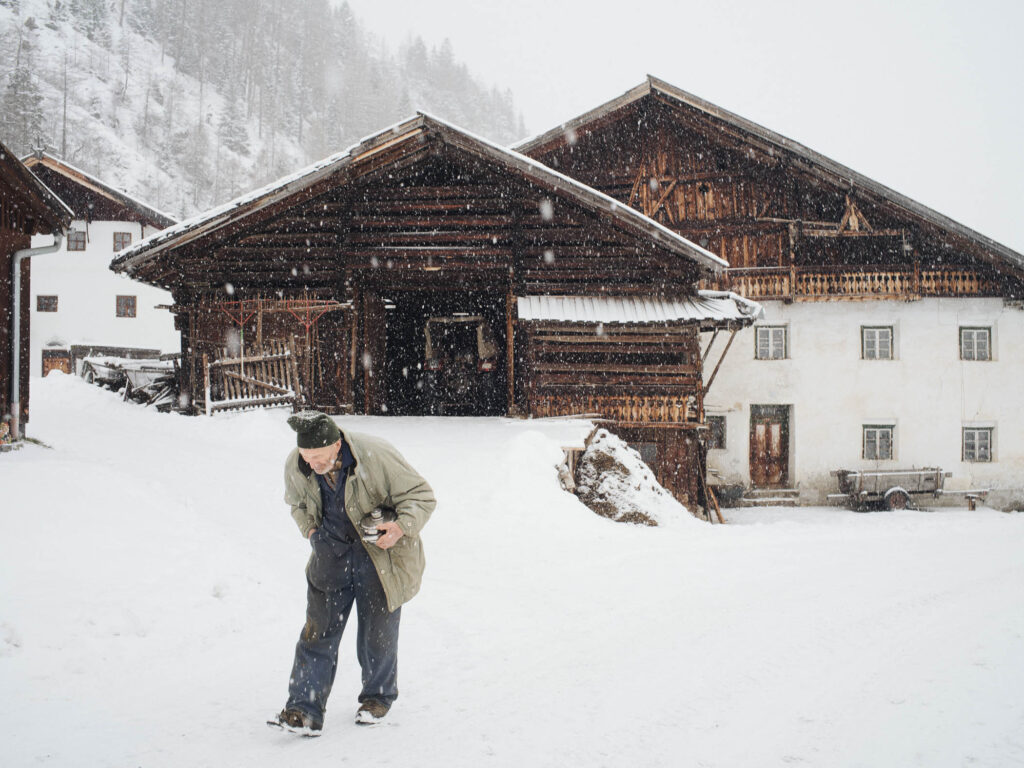
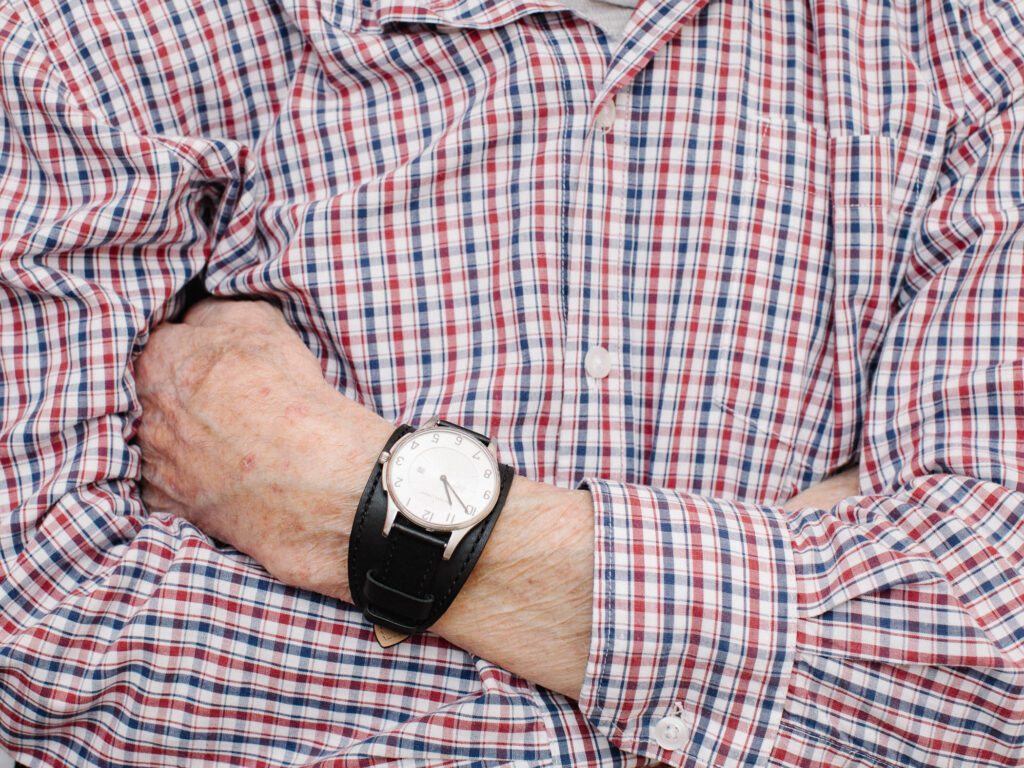
I had known Josef since my childhood. Like many people in the village, I knew who he was without really knowing him. In 2017, the camera gave me a reason to knock on his door – I began to photograph him, and we gradually became friends.
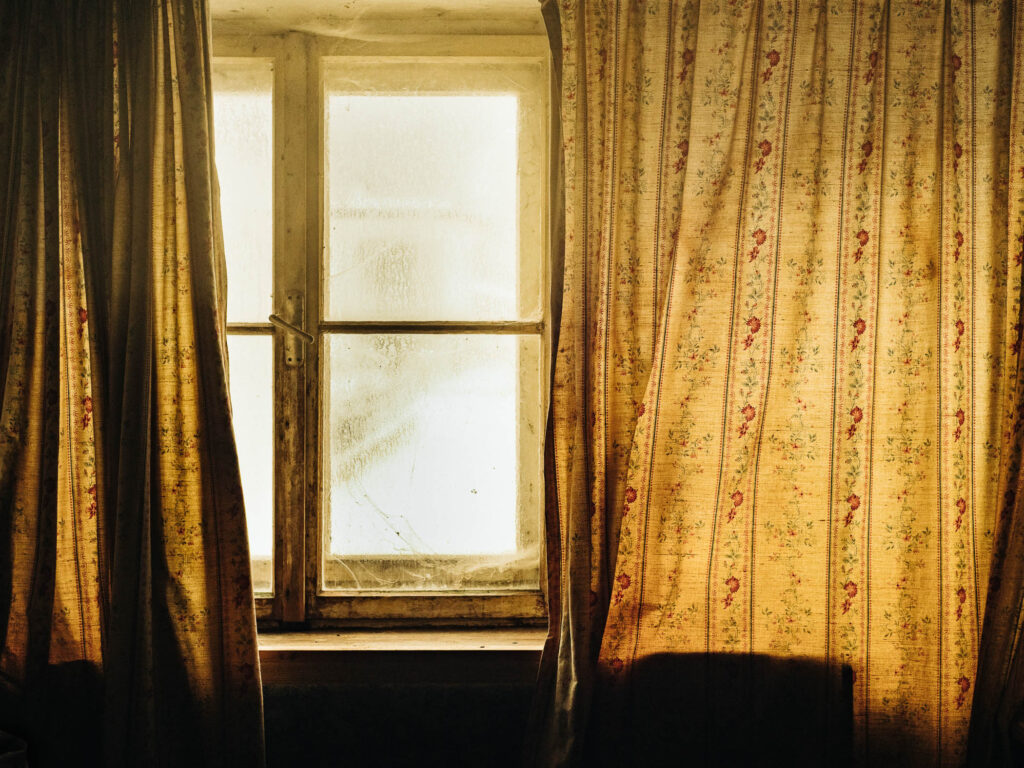
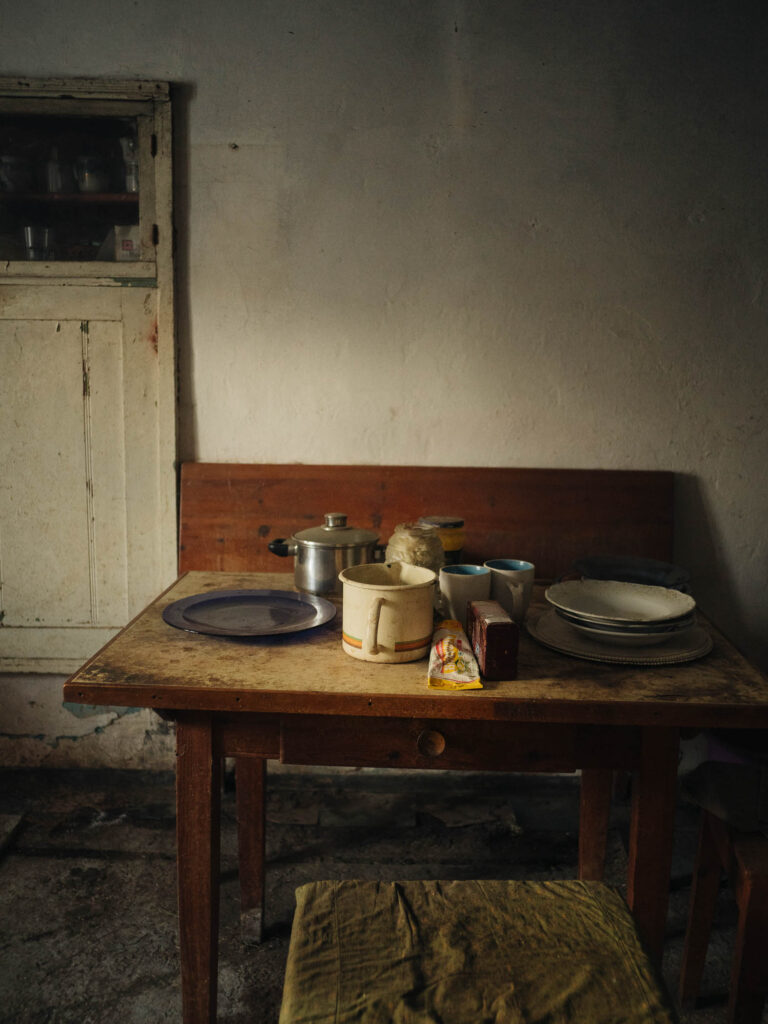
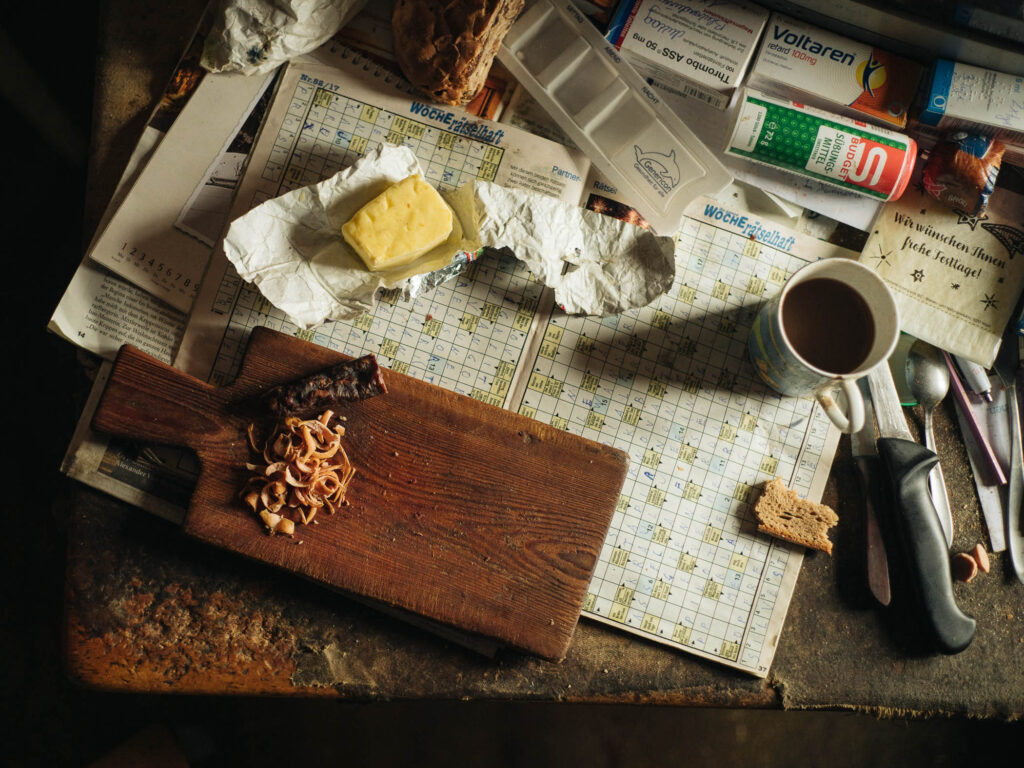
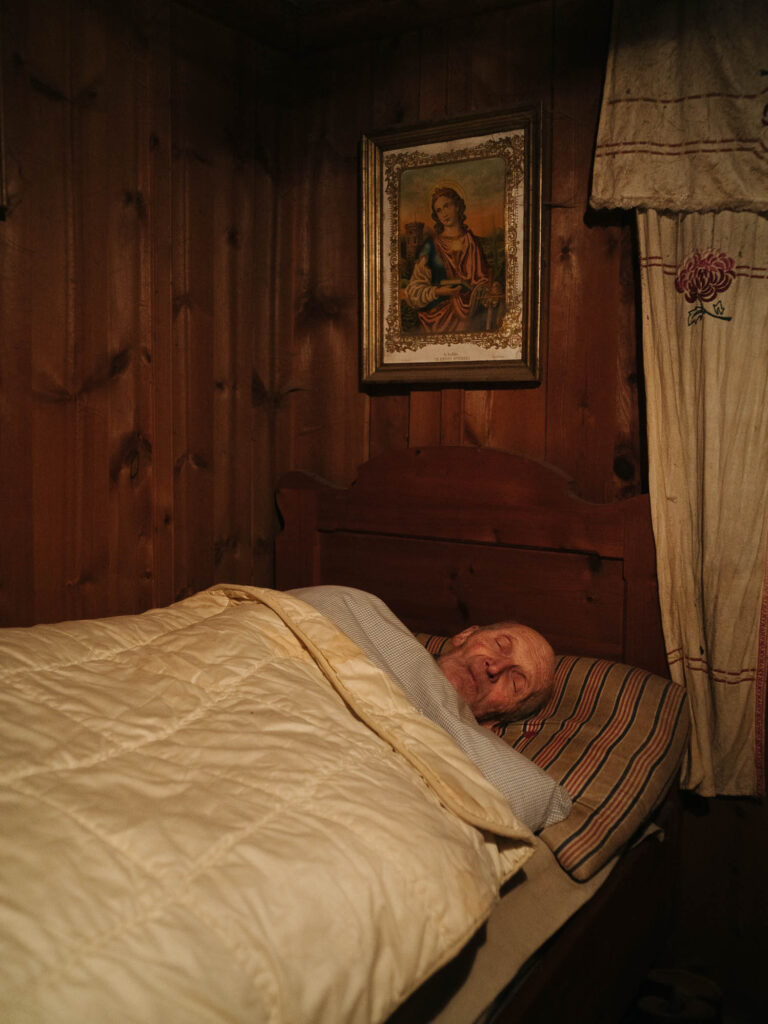
He lived in the middle of the village, in an old farmhouse without running water or a working heating system. Few relatives, few friends, few words. I was drawn to the dark rooms and old beams, and to the repeated gestures of his work with animals and hay. In the photographs, these details could take on a romantic warmth that sat uneasily with the cold and loneliness of his daily life.
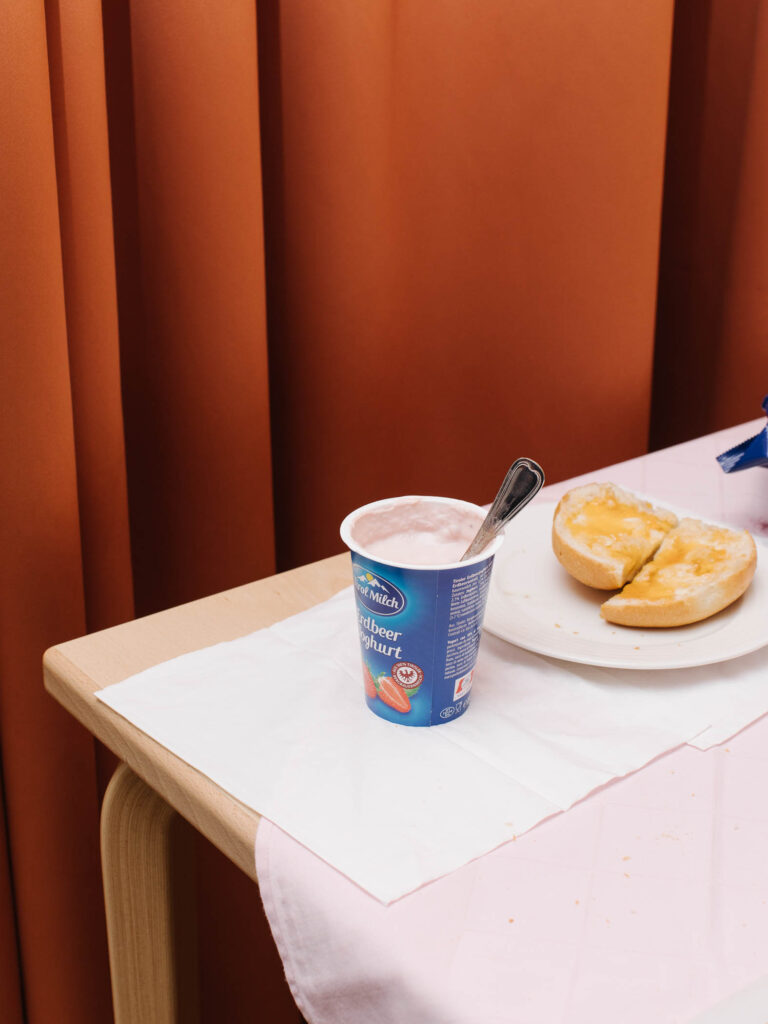
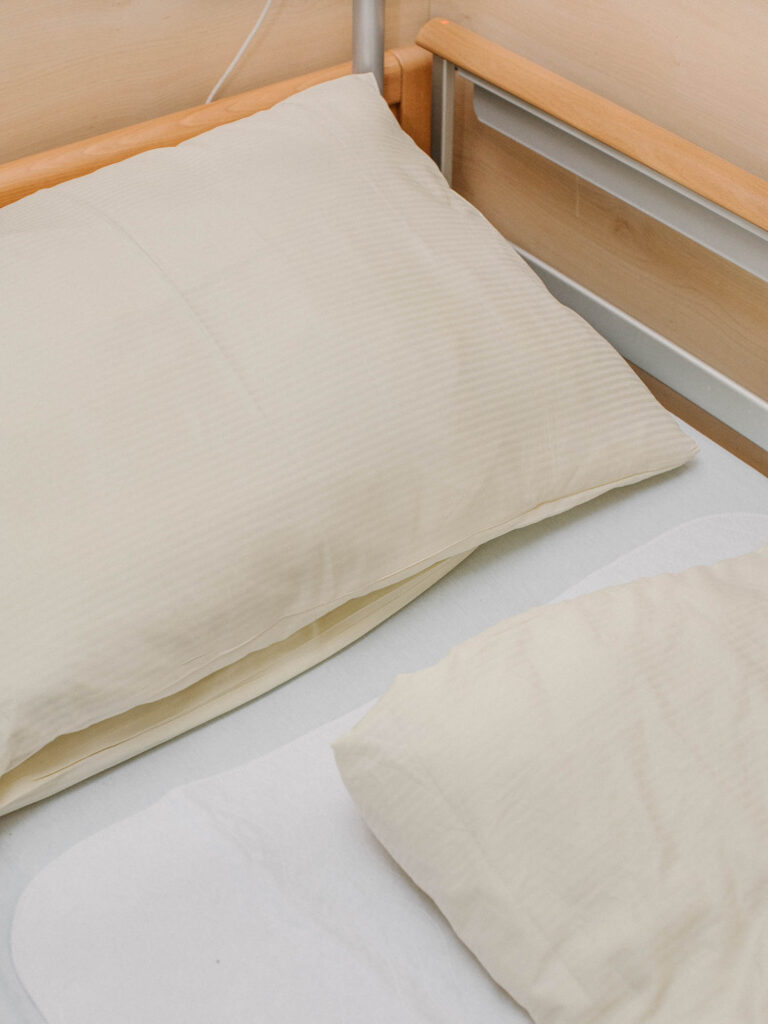
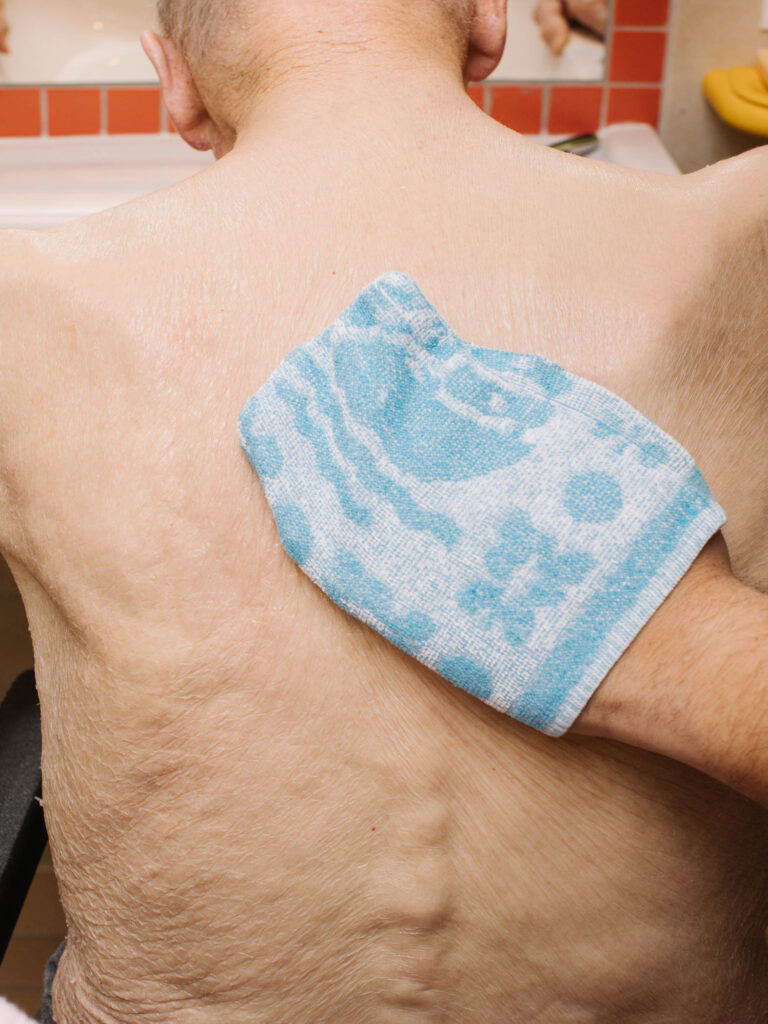
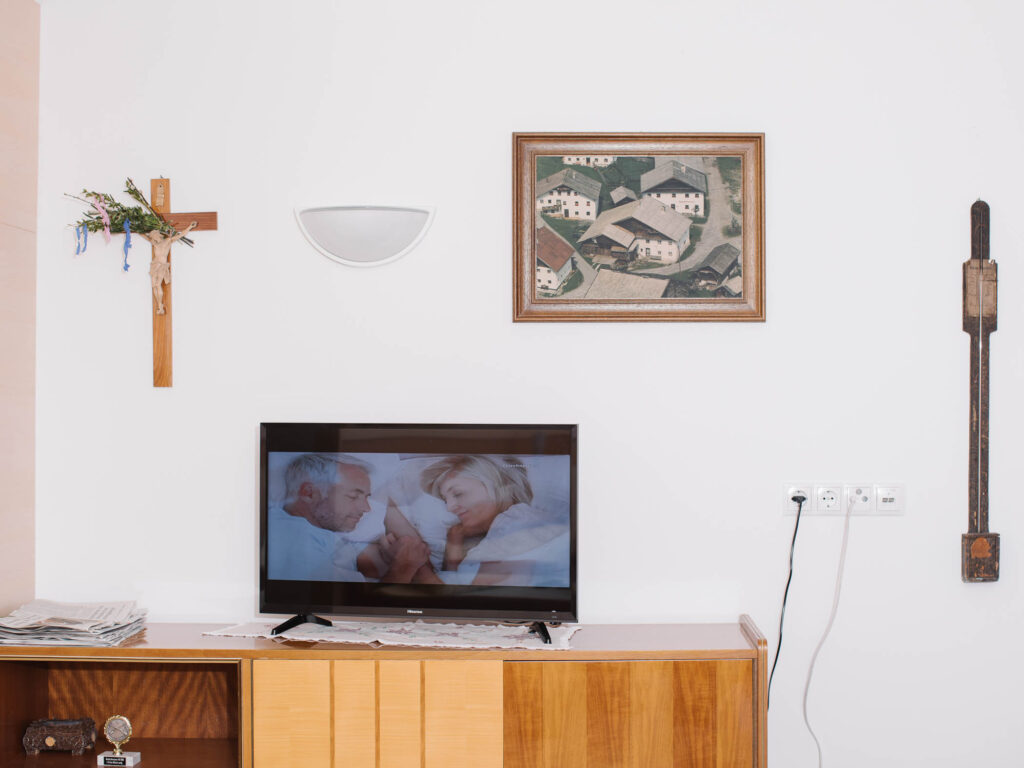
When Josef moved into a care home in 2018, I continued to photograph him there. His days now followed the routines of care, in brighter rooms with smooth surfaces, care beds and linoleum floors.
EXHIBITIONS
2022 / First Pages, Rautenstrauch-Joest-Museum / Cologne, DE
2018 / Lumix Festival / Hannover, DE
2018 / Visa pour l’Image / Perpignan, FR
AWARD
2018 / Audience Award, Hannoversche Allgemeine Zeitung (HAZ)
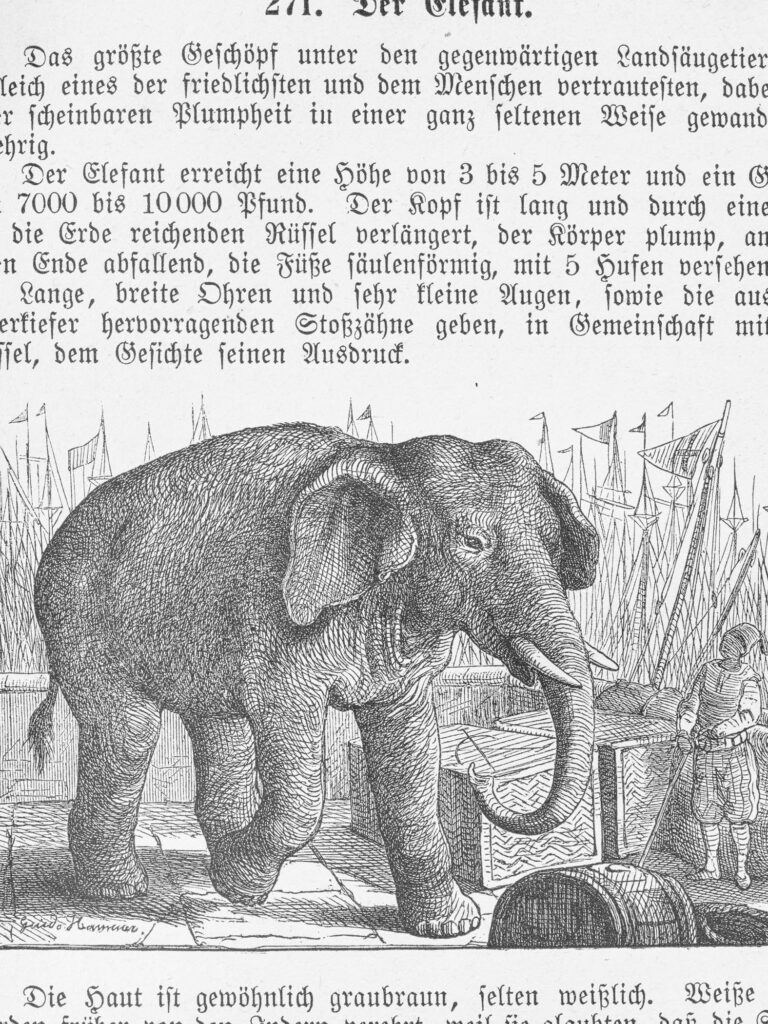
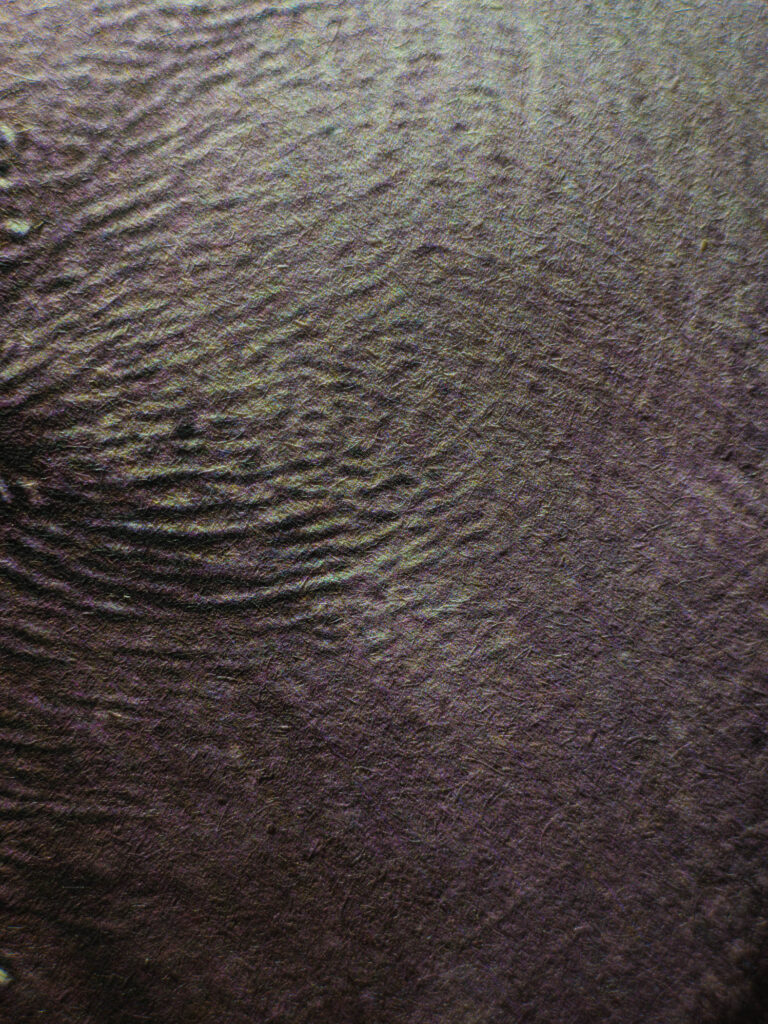
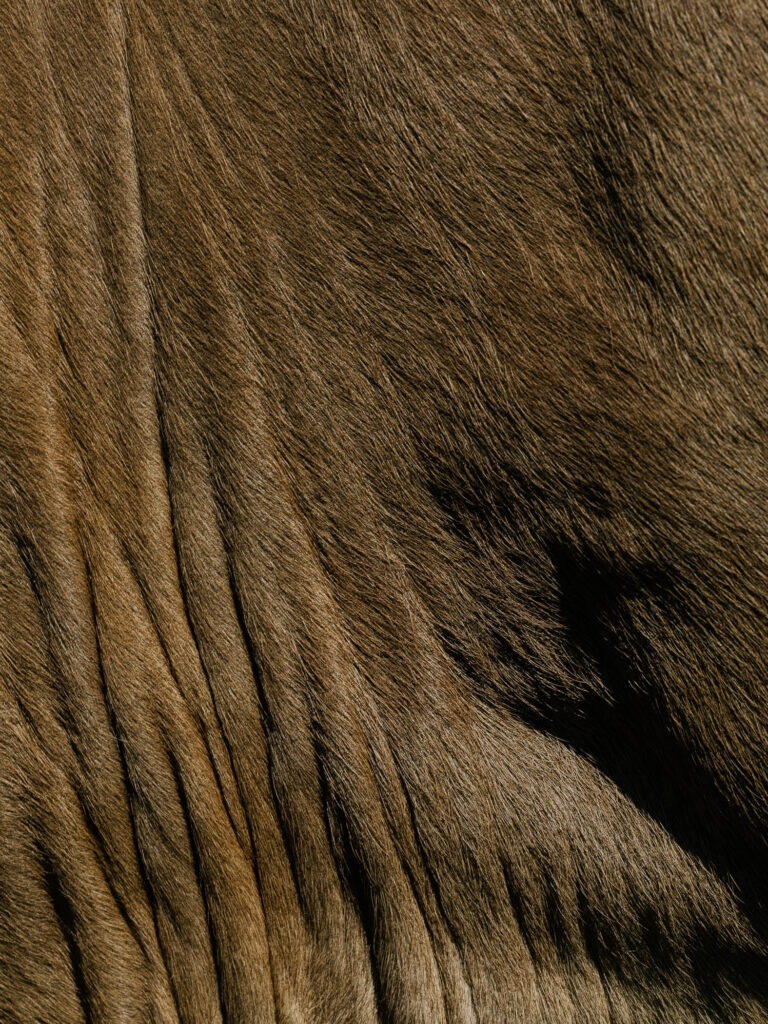
Die Tiere sind wie folgt unterteilt:
a) dem Kaiser gehörige,
b) einbalsamierte,
c) gezähmte,
d) Milchschweine,
e) Sirenen,
f) Fabeltiere,
q) streunende Hunde,
h) in diese Einteilung aufgenommene,
i) die sich wie toll gebärden,
j) unzählbare,
k) mit feinstem Kamelhaarpinsel gezeichnete,
l) und so weiter,
m) die den Wasserkrug zerbrochen haben,
n) die von weitem wie Fliegen aussehen.
Borges, Jorge Luis (2010): ‚Die analytische Sprache von John Wilkins‘, in Borges, Jorge Luis: Die unendliche Bibliothek. Frankfurt: S. Fischer Verlag, S. 315-321.
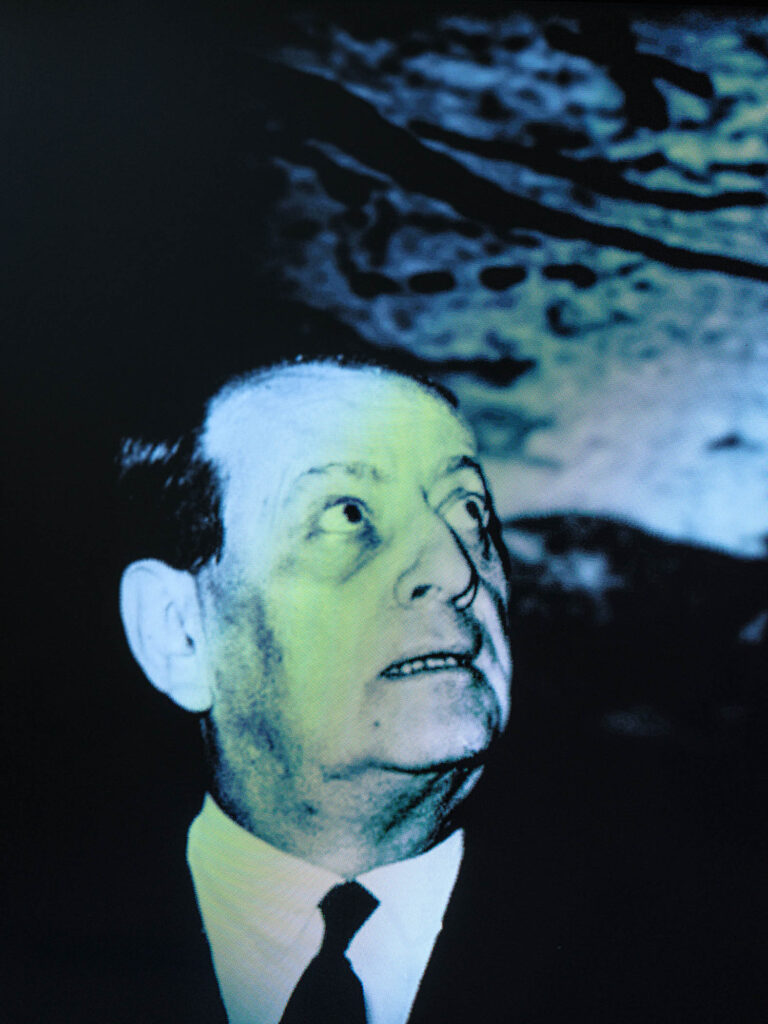
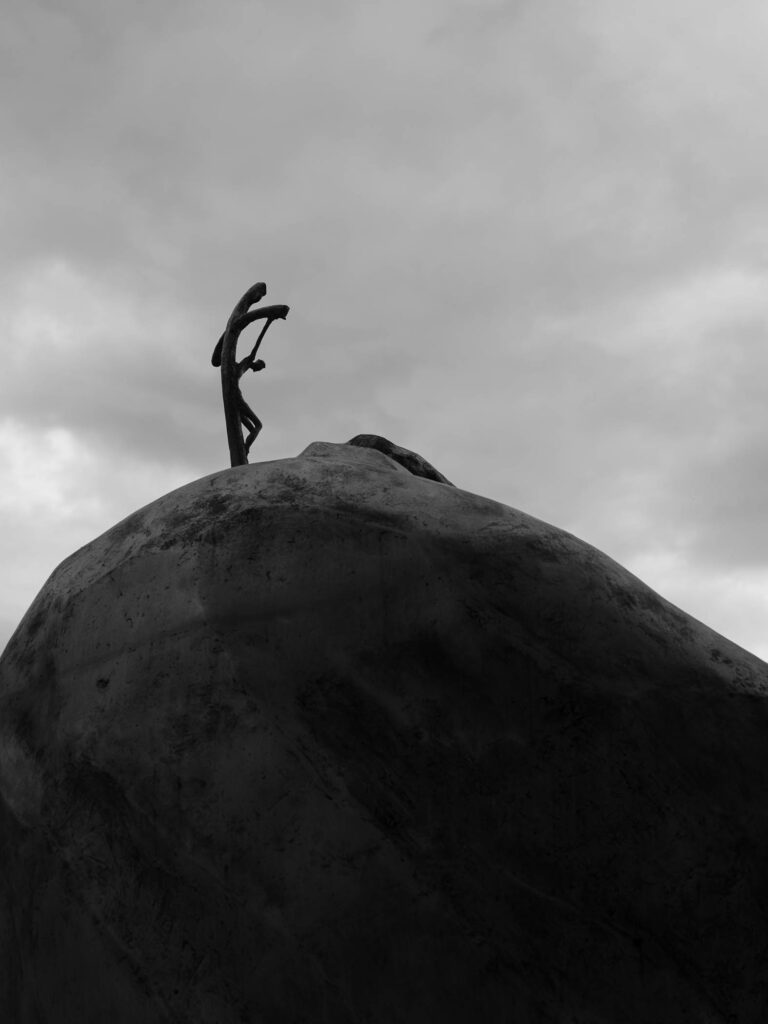
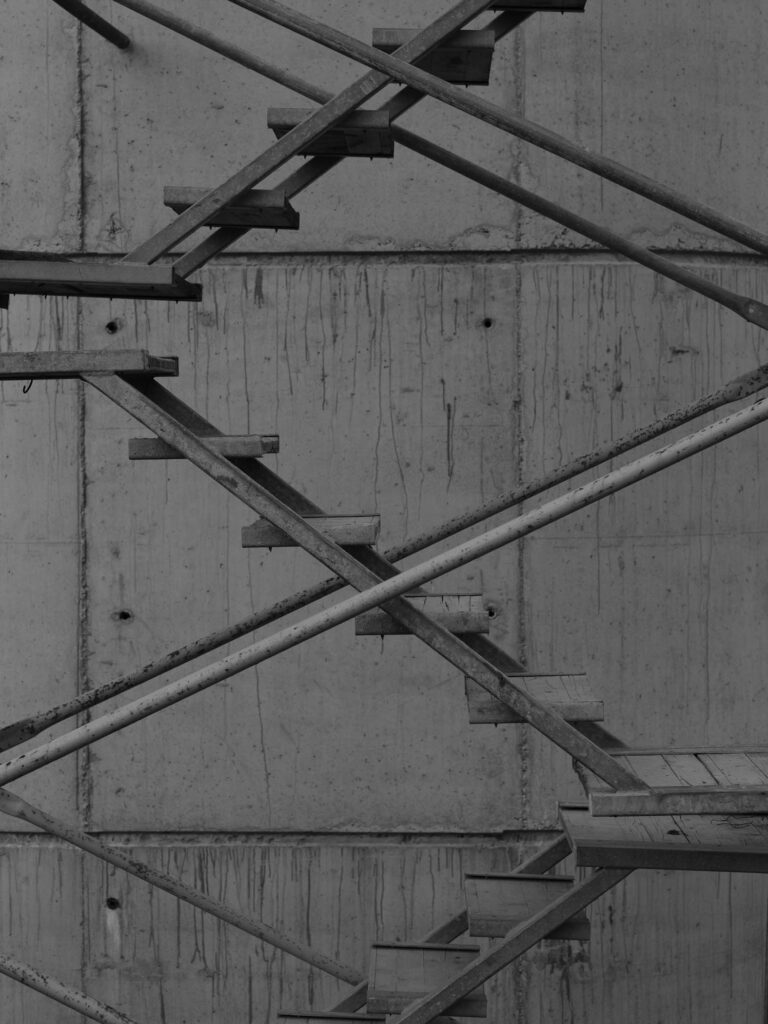
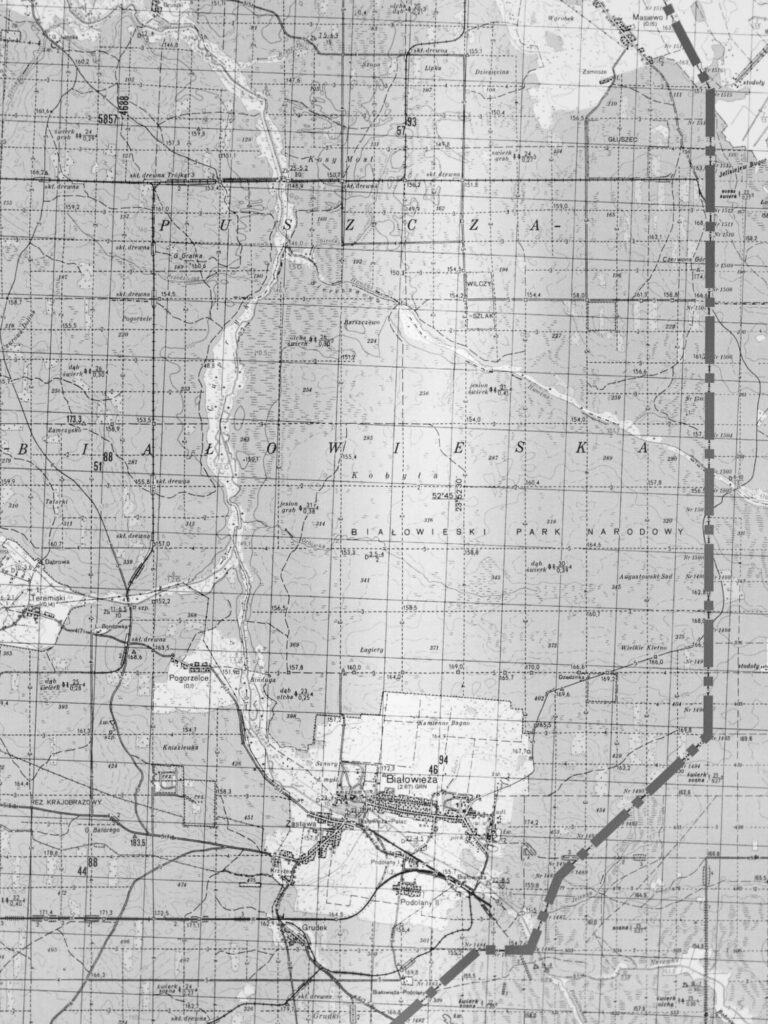
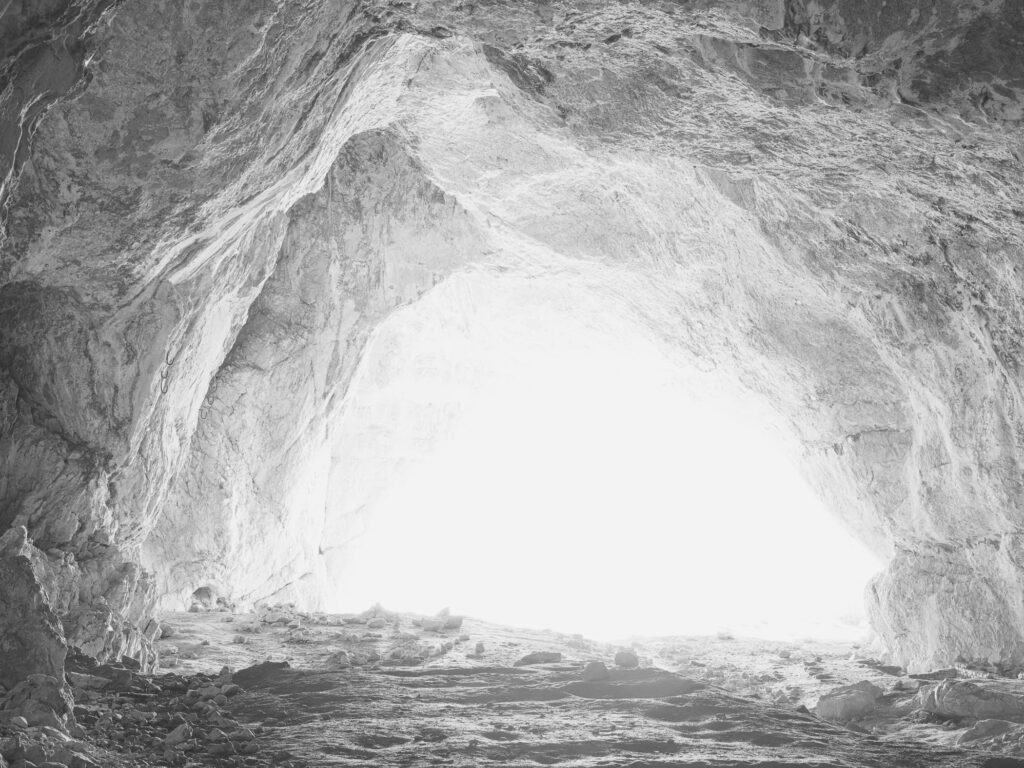
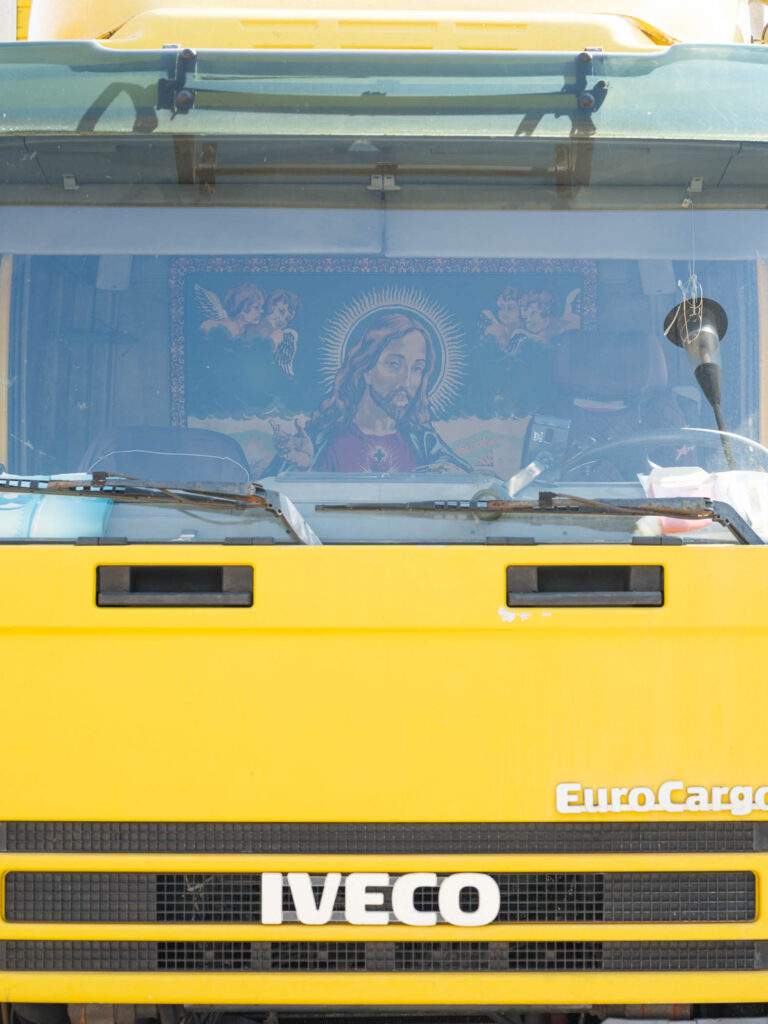
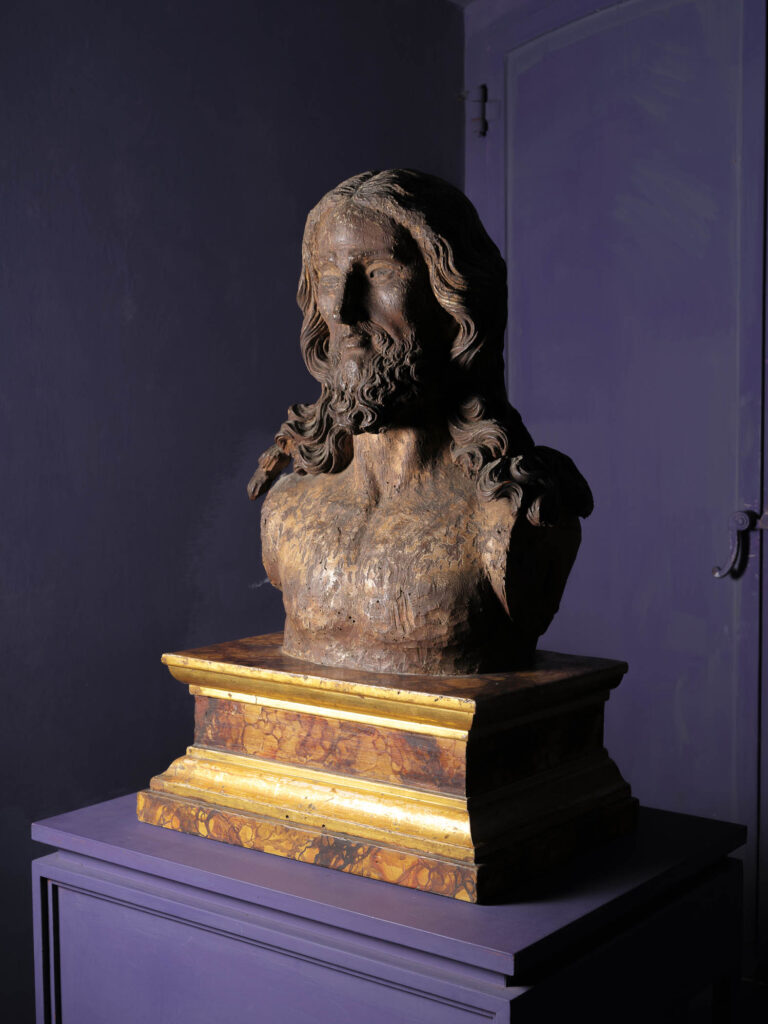
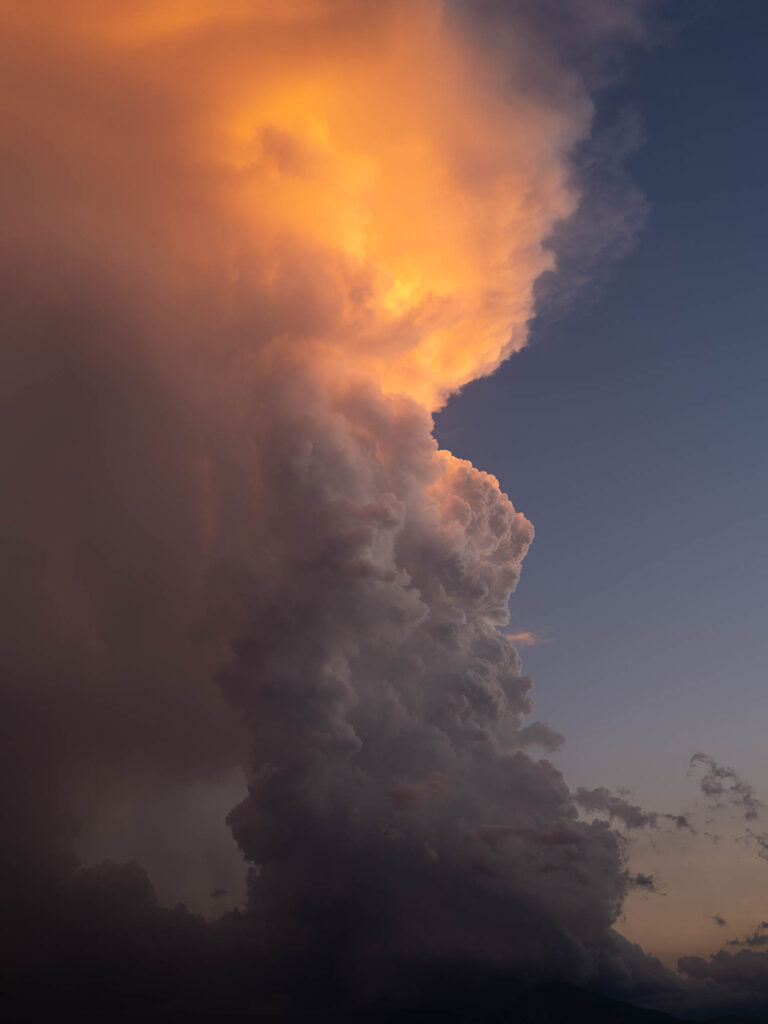
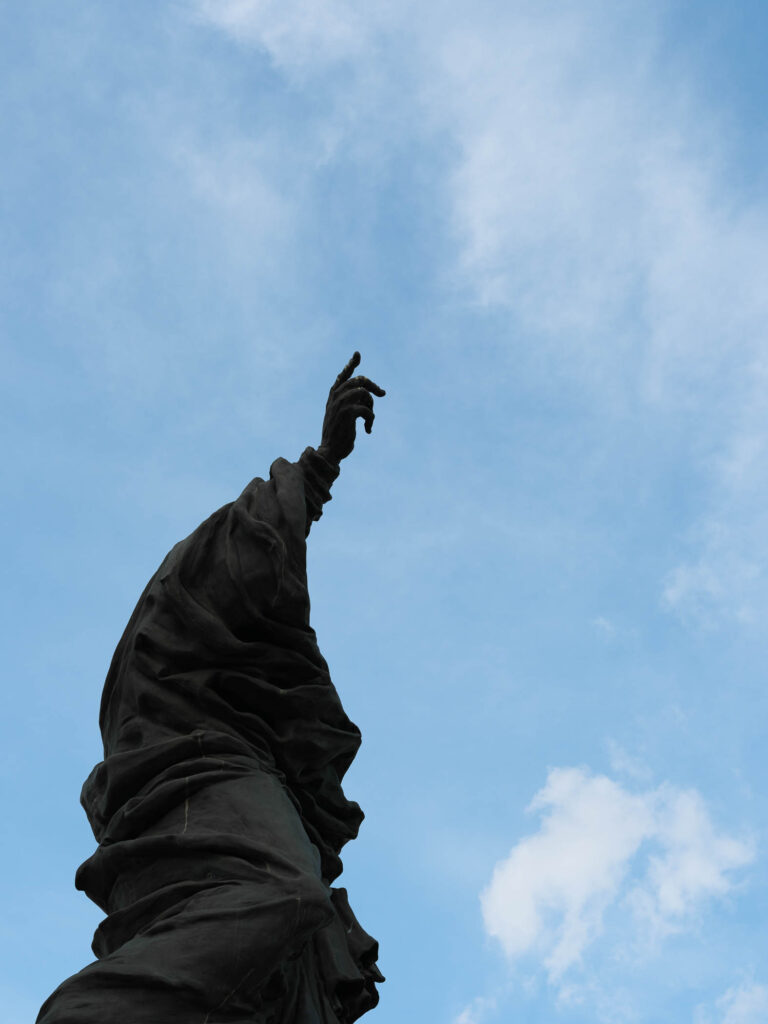
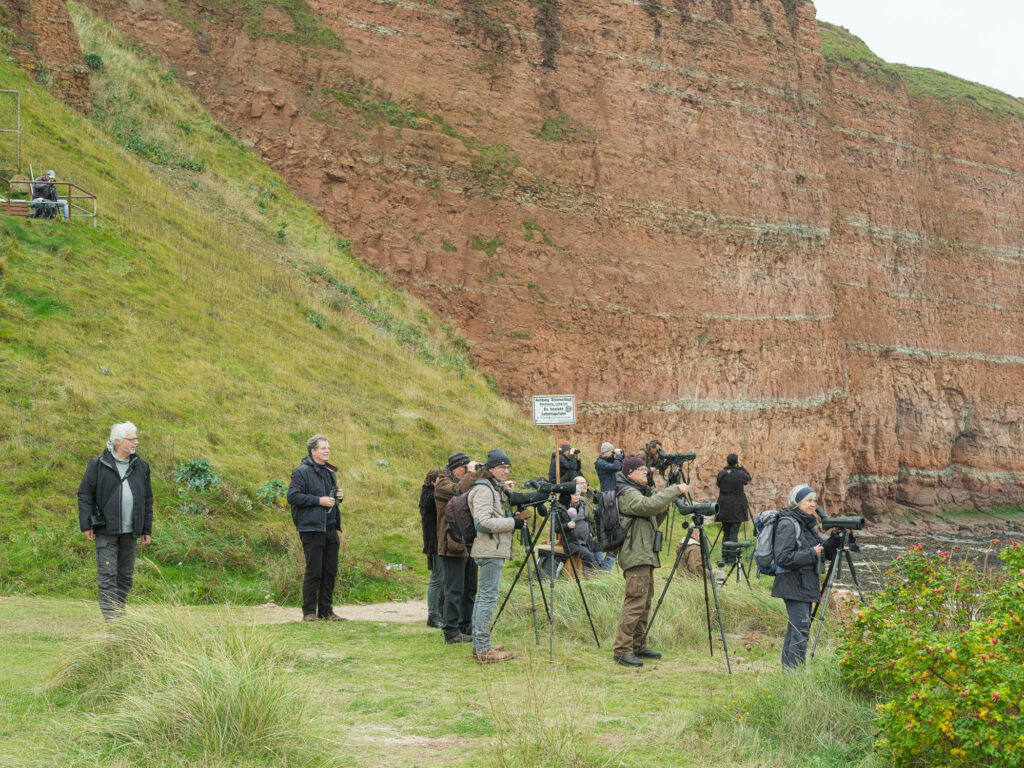
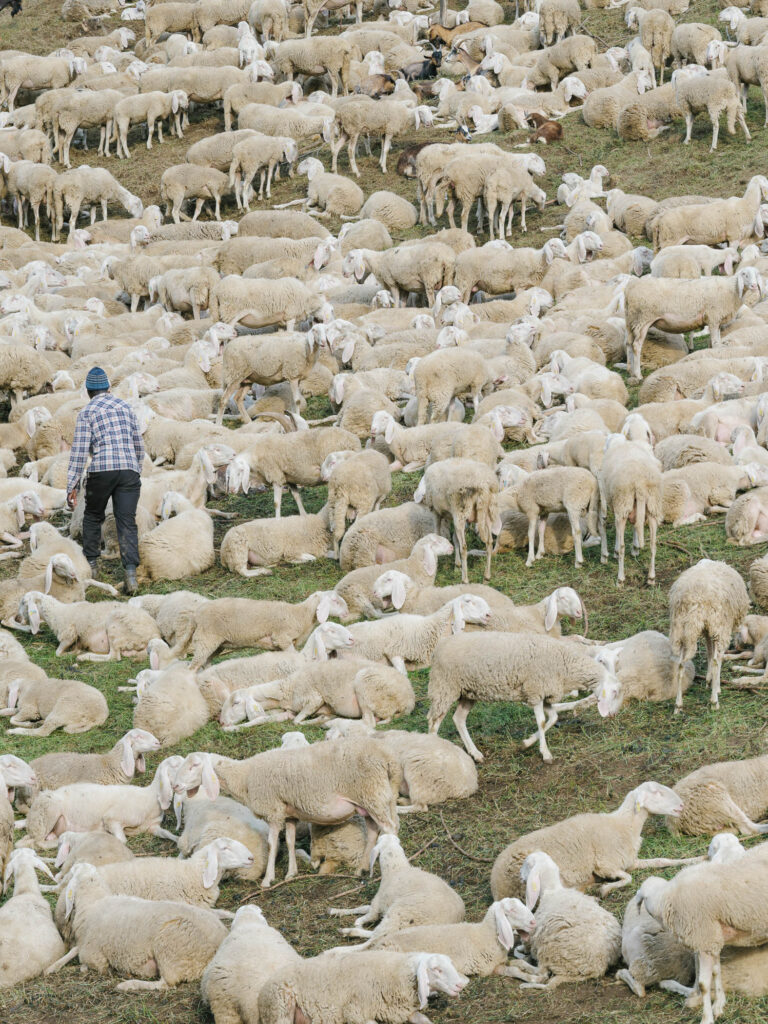
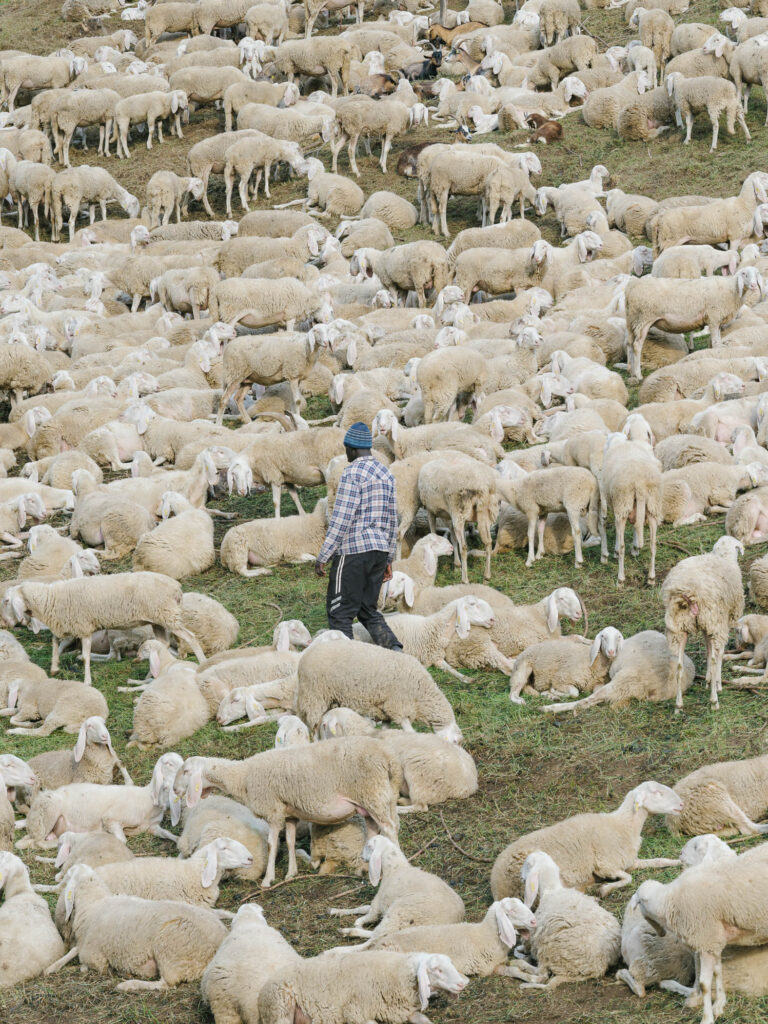
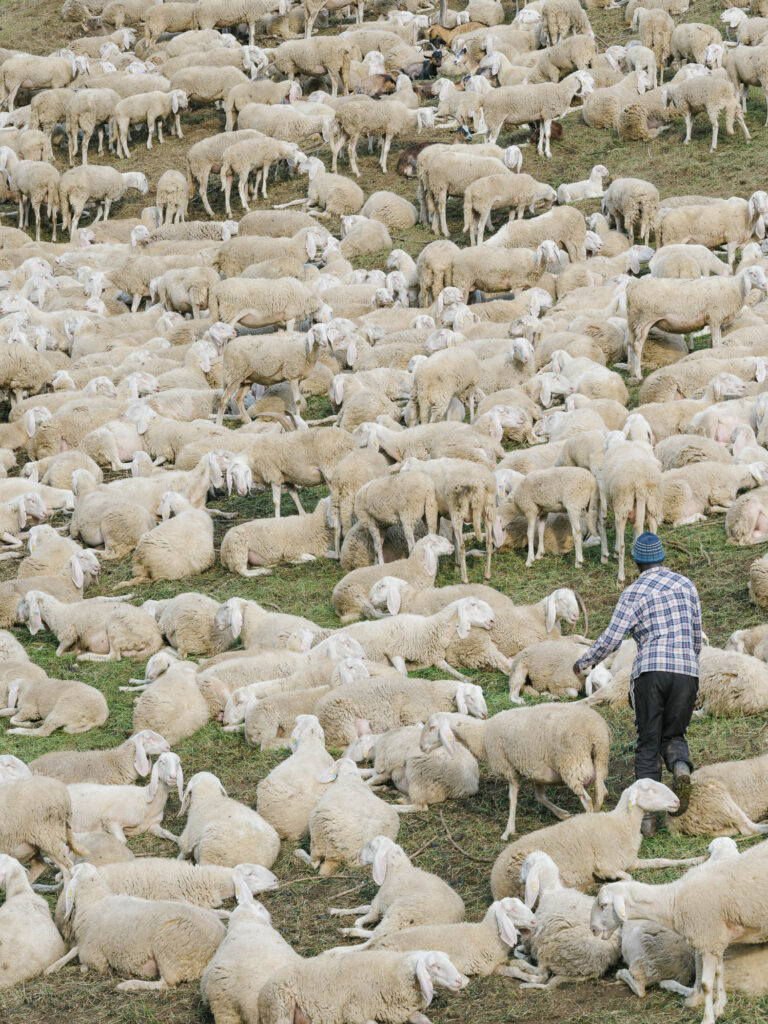
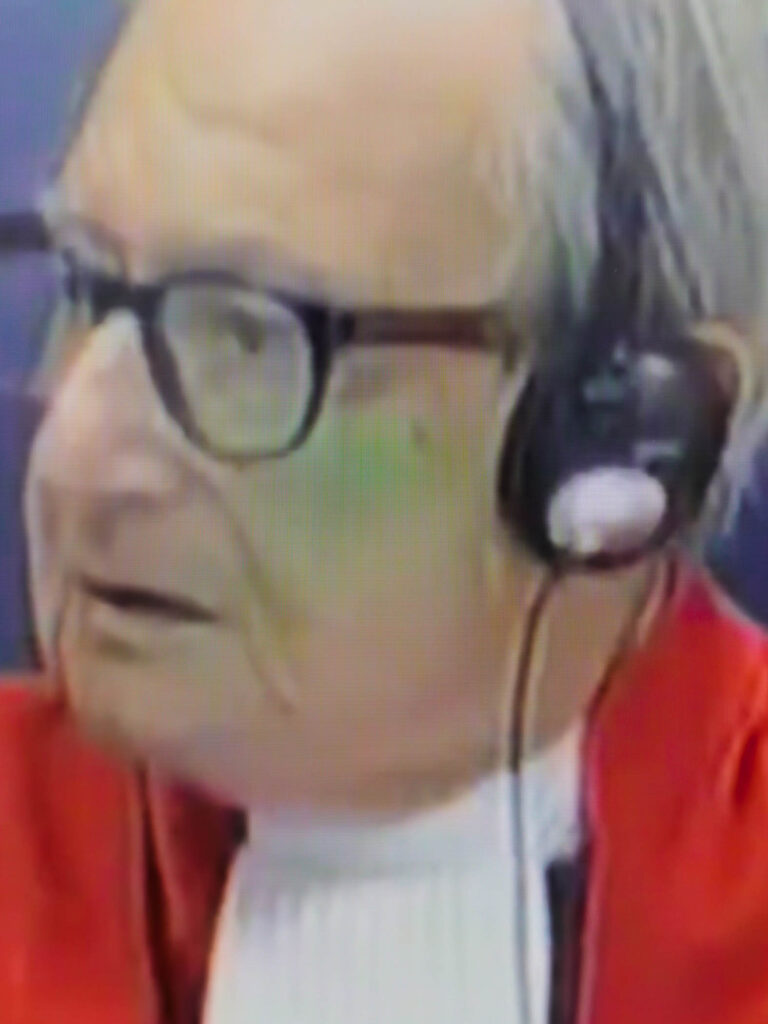
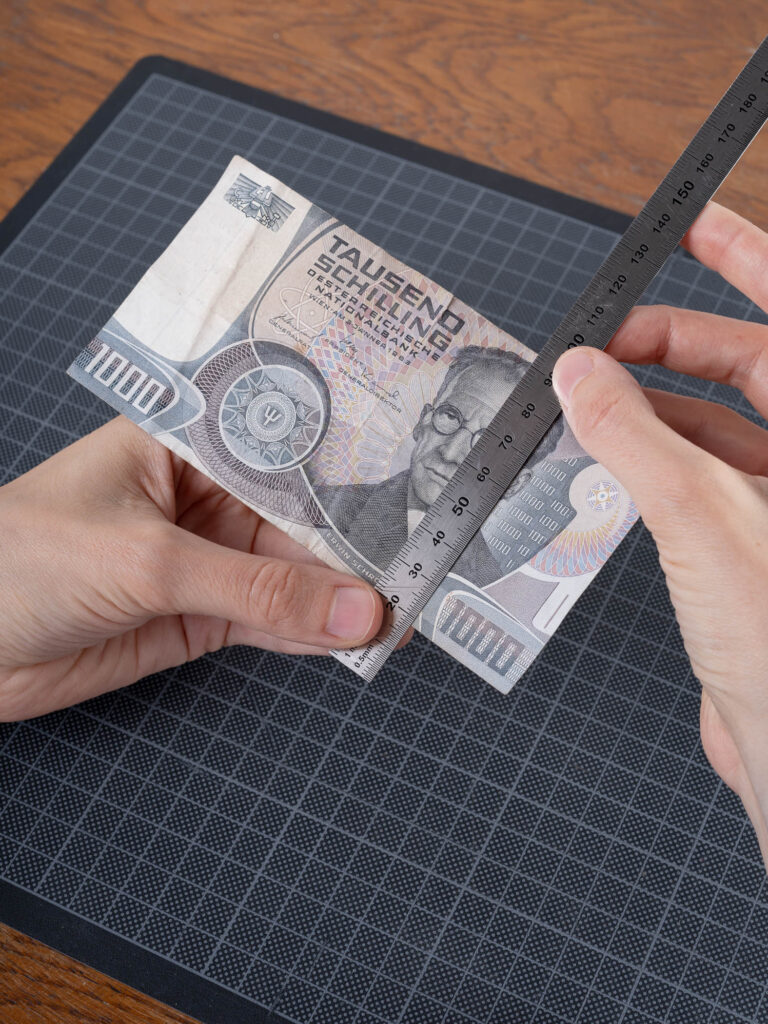
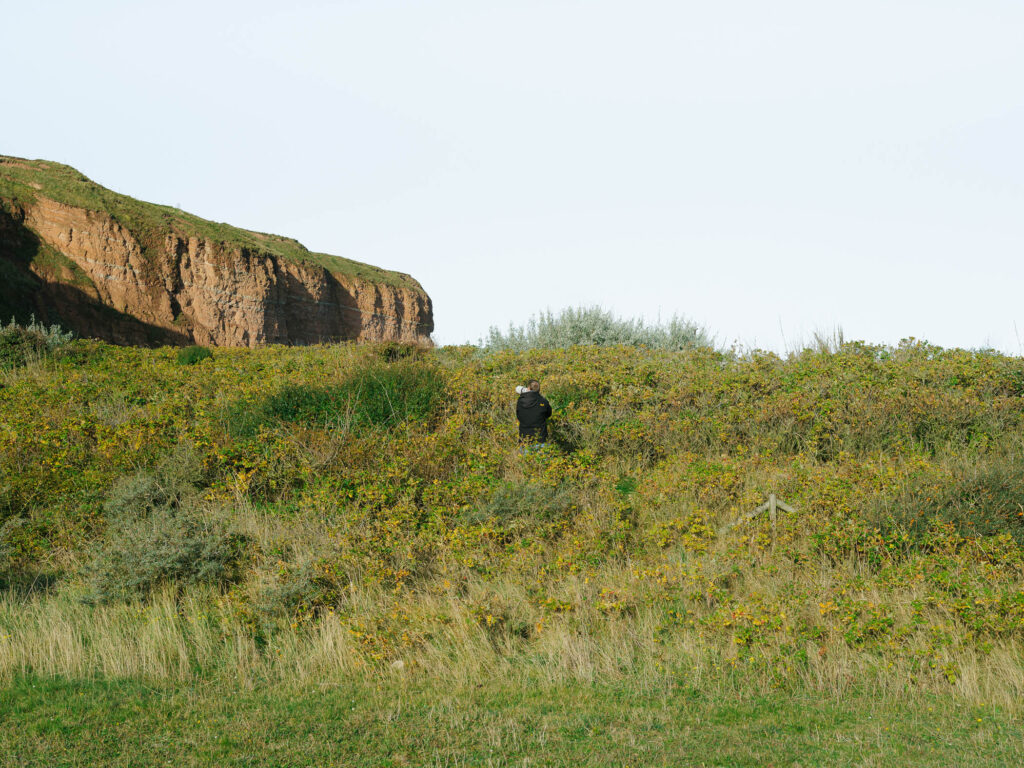

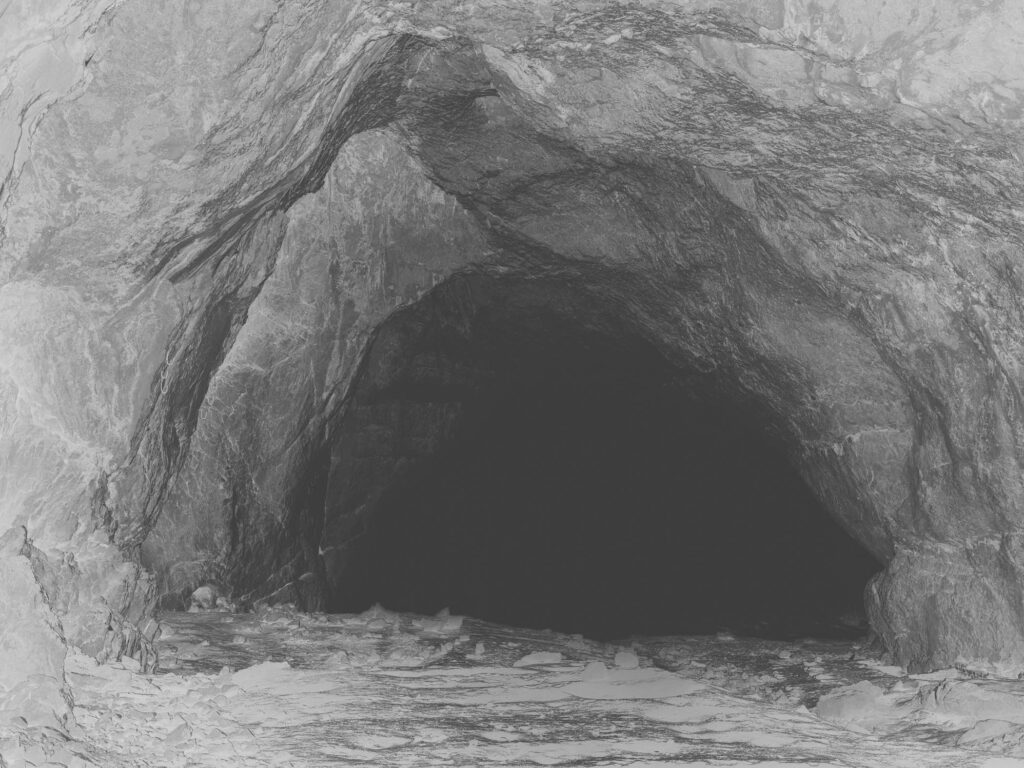
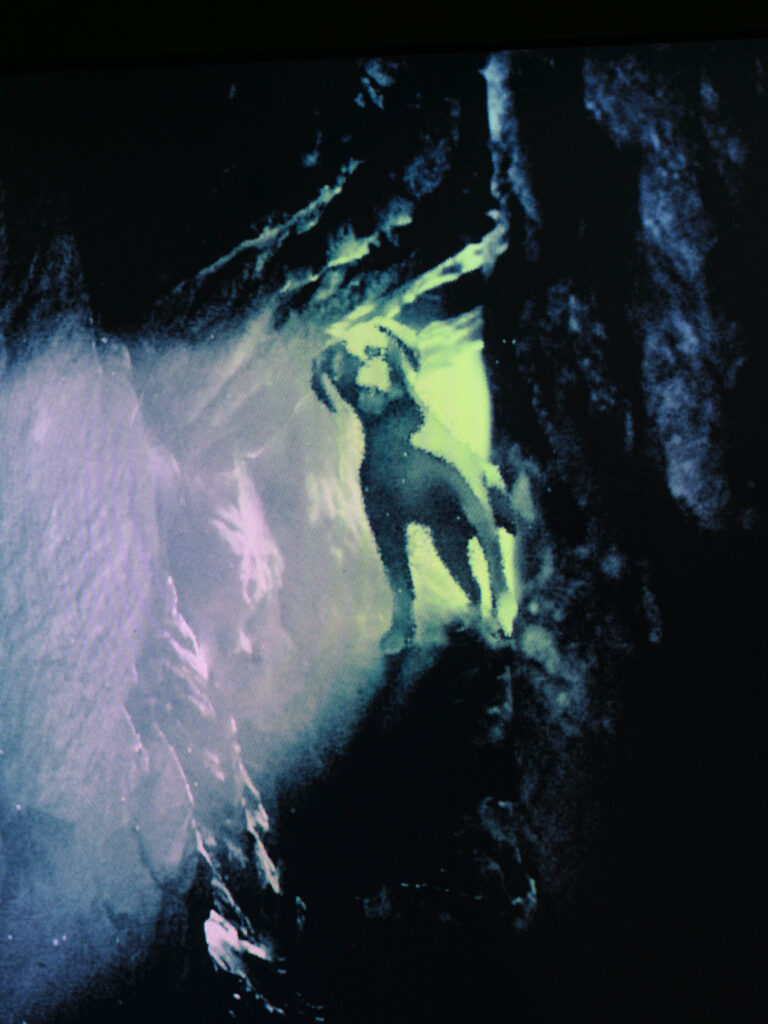
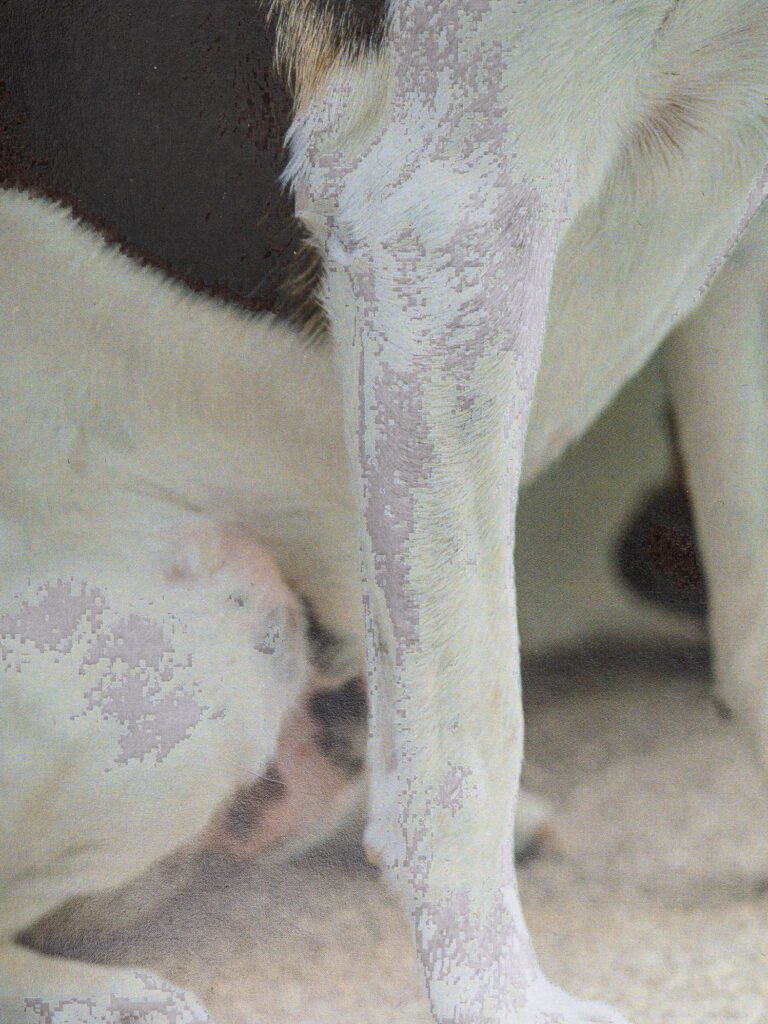
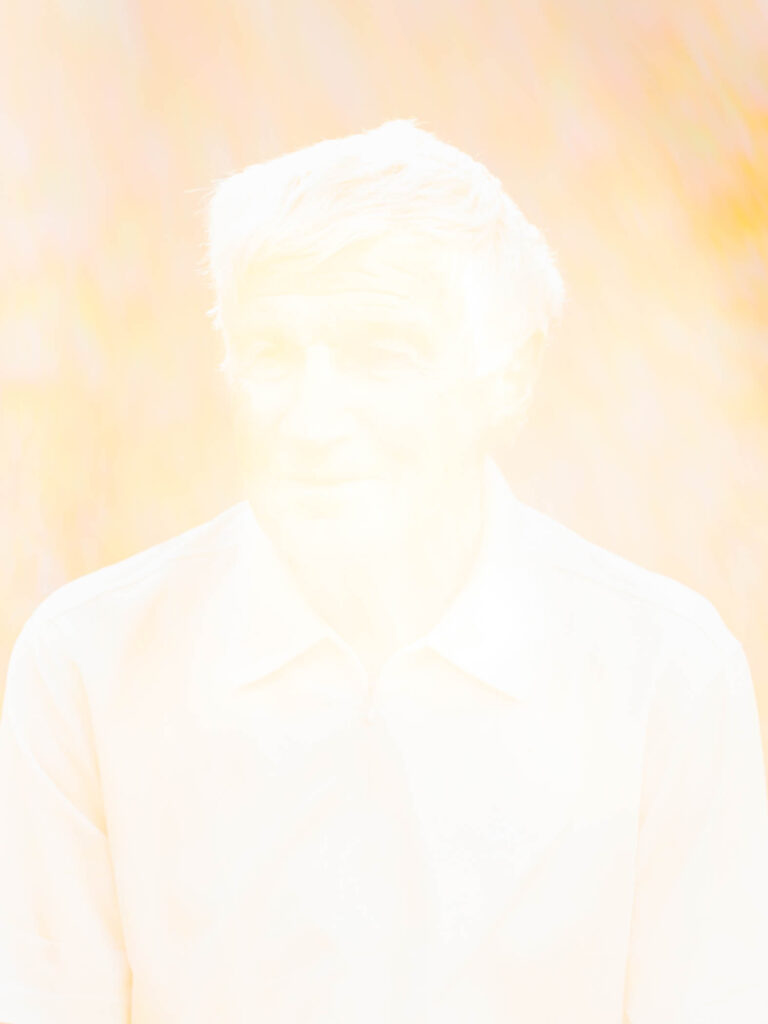
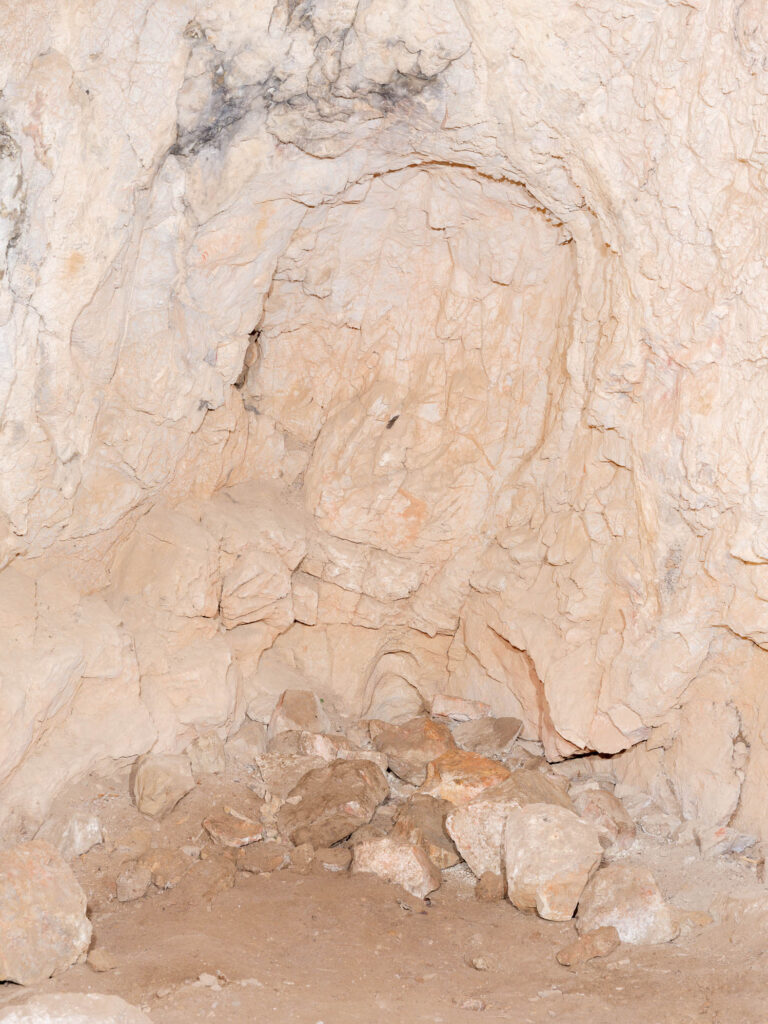
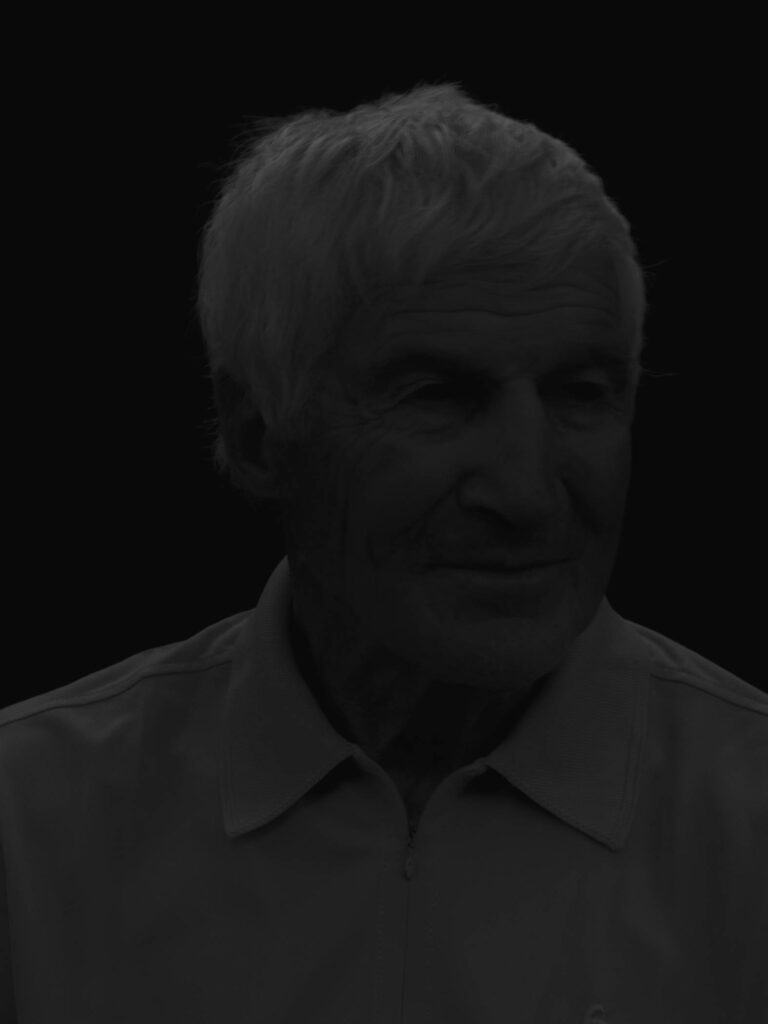
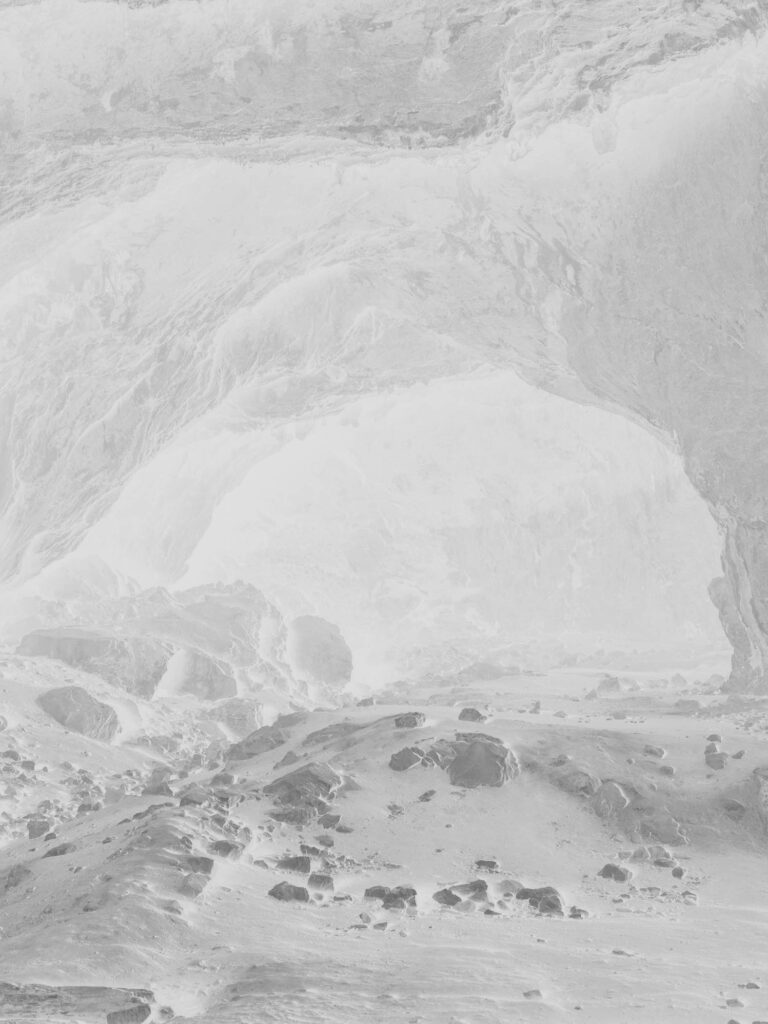


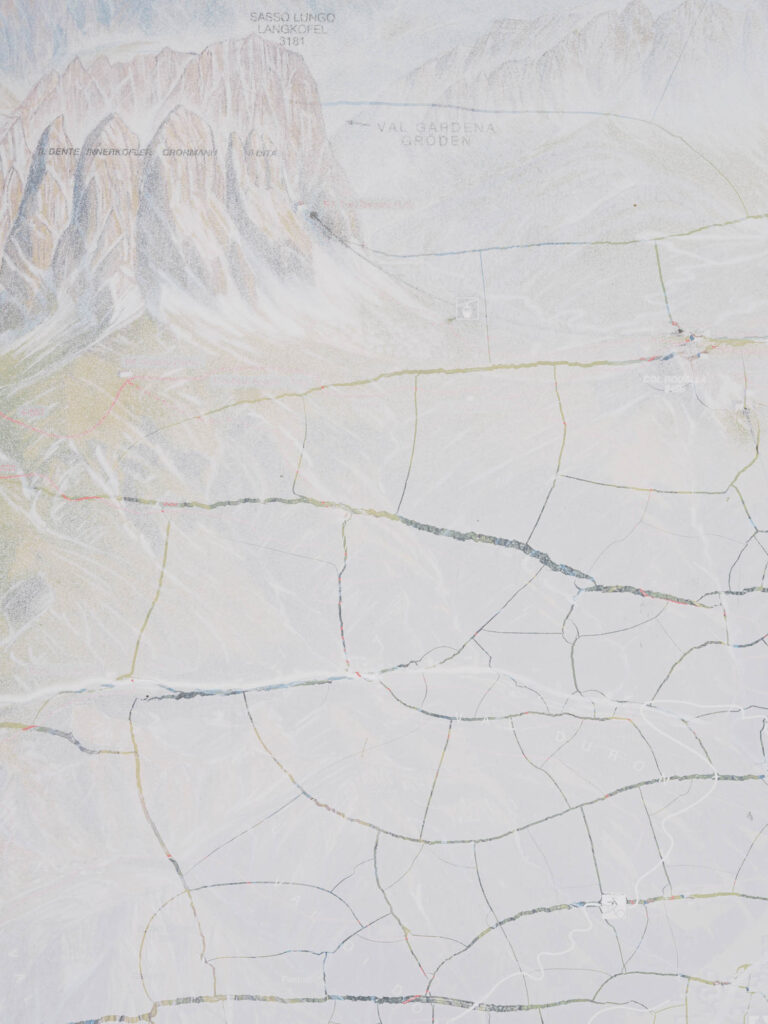

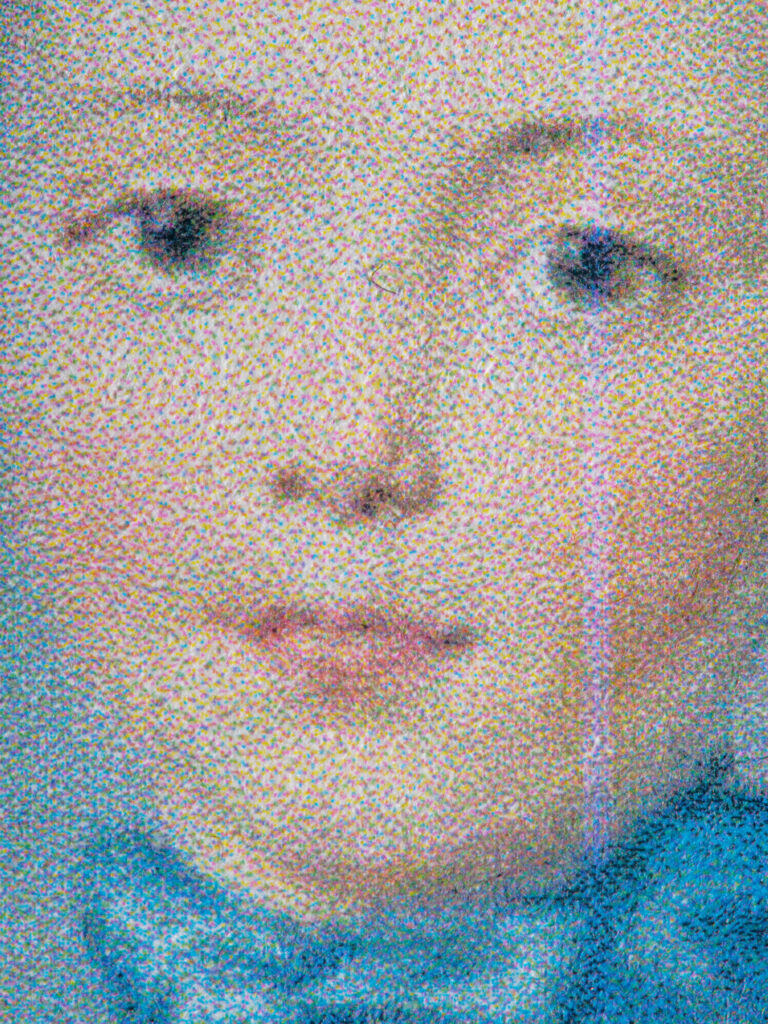
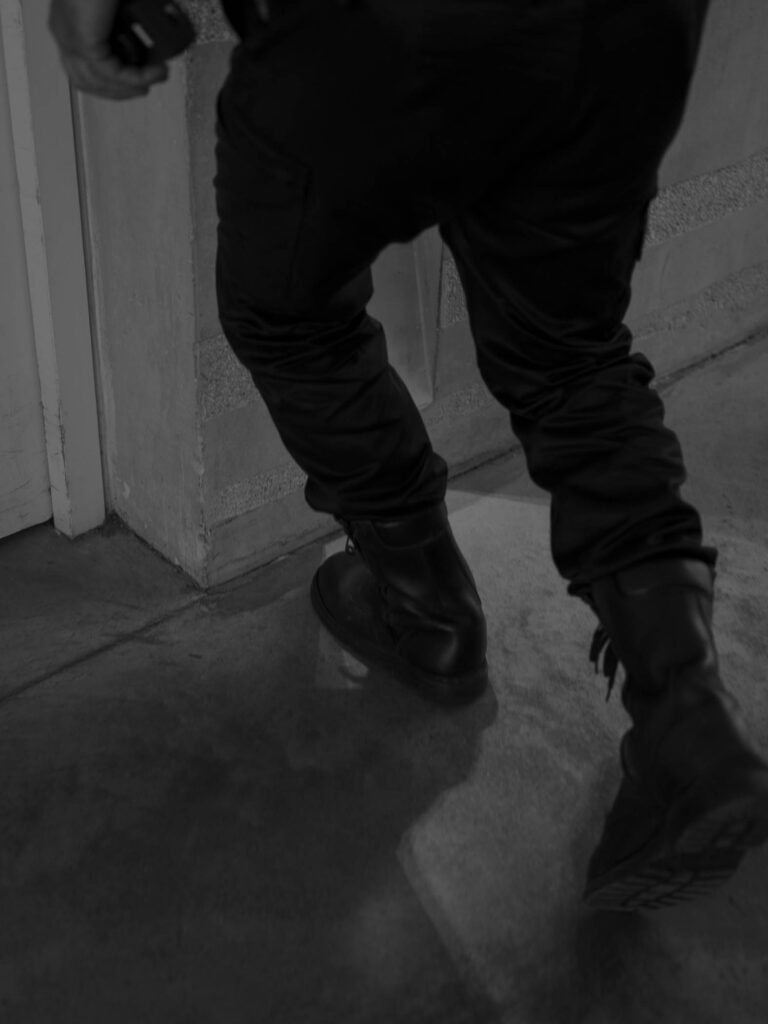
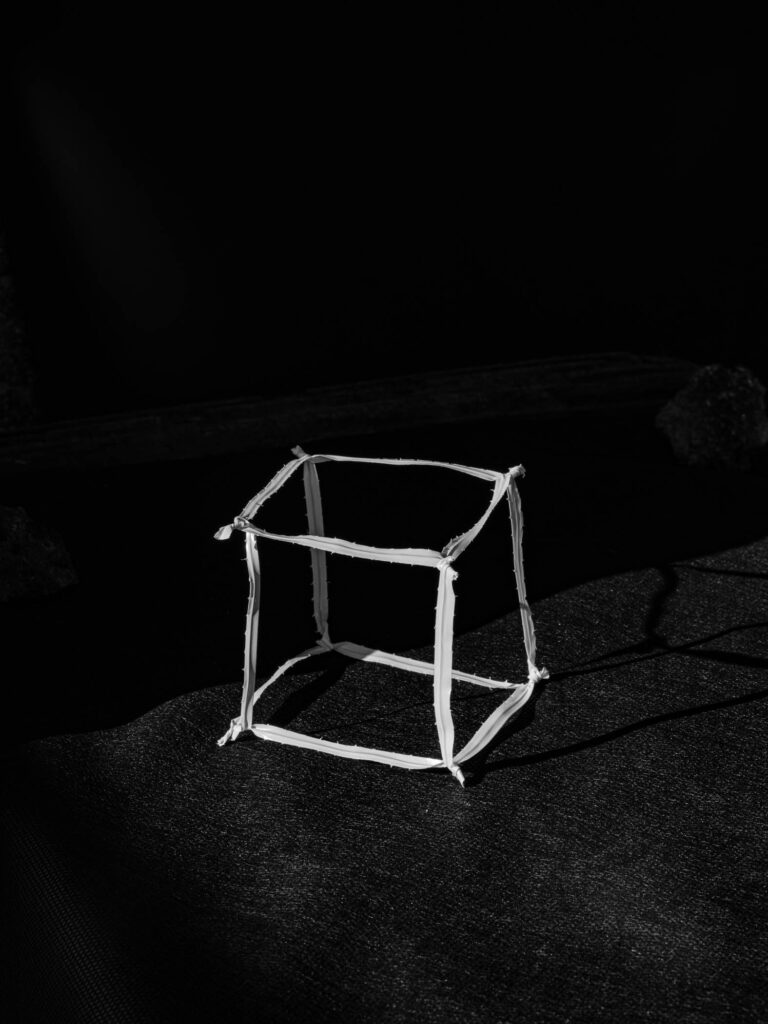



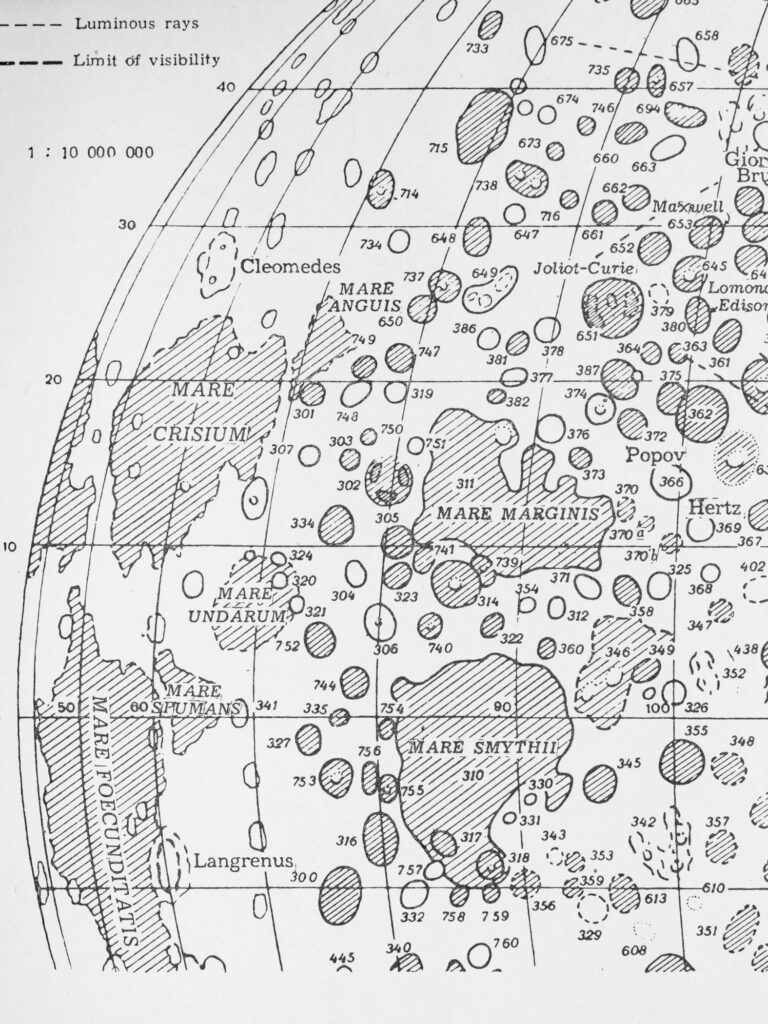
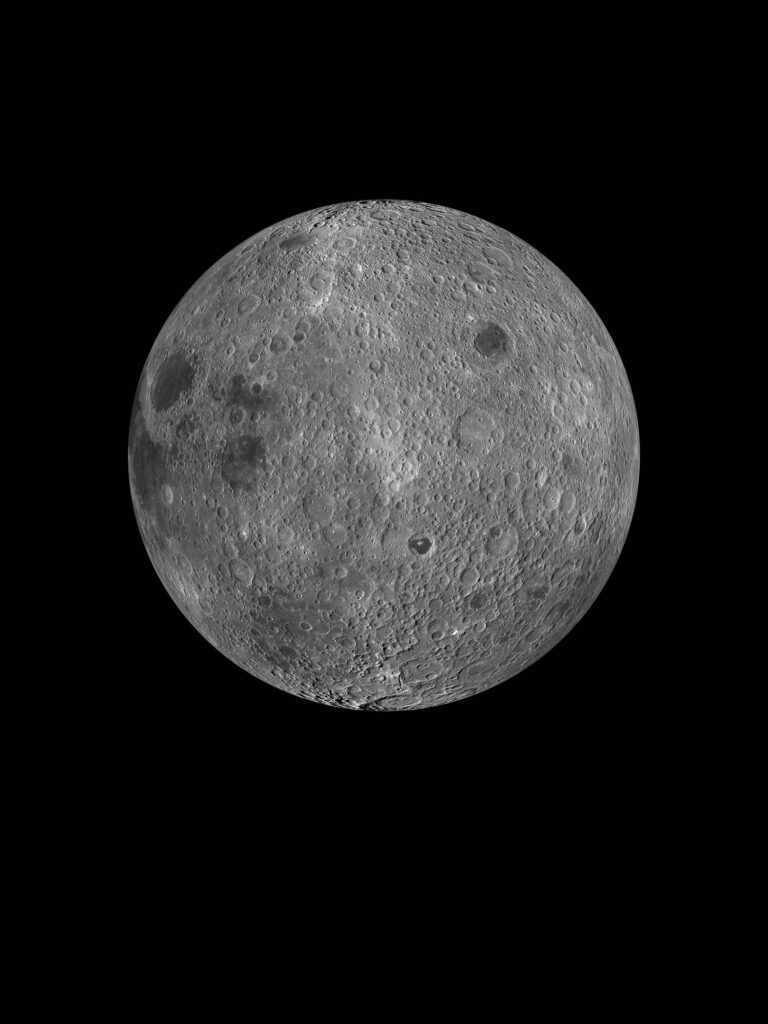

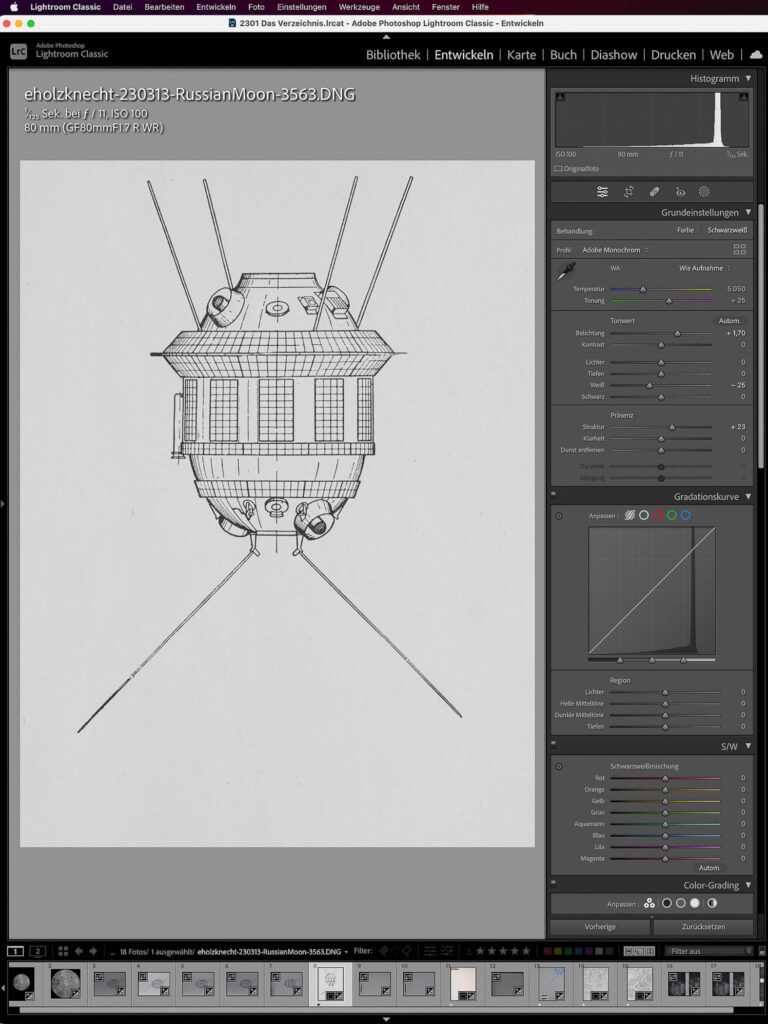

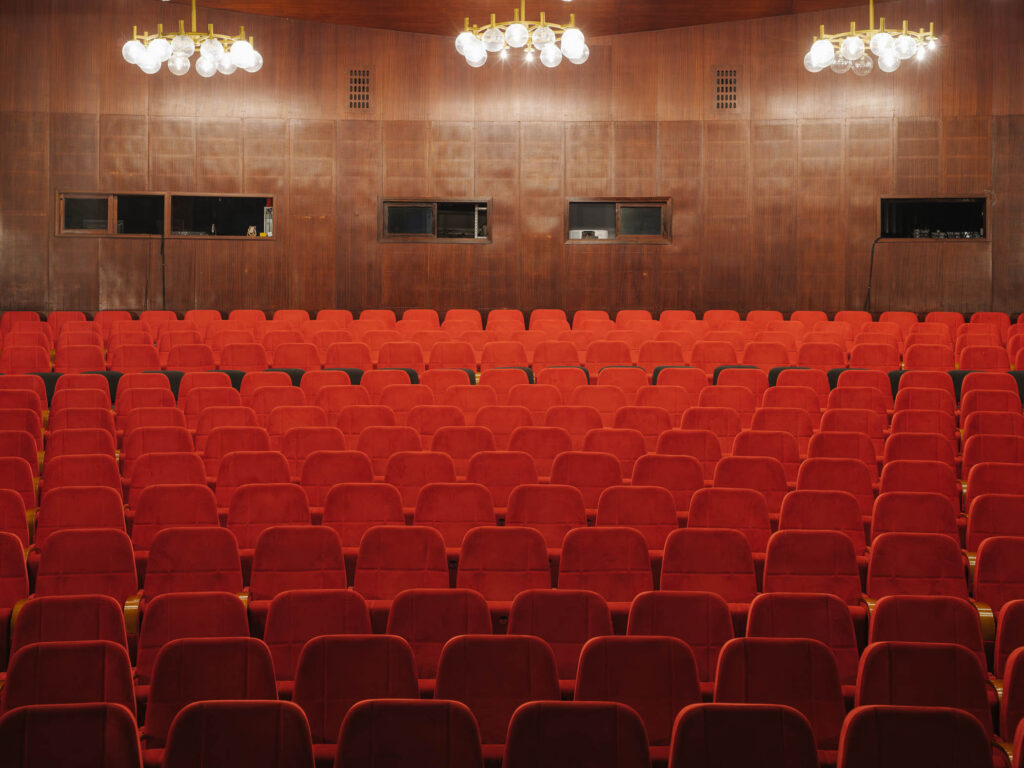
Im "Theatre of Youth" hat Susan Sontag während der Belagerung von Sarajevo das Theaterstück "Waiting for Godot" von Samuel Beckett aufgeführt.
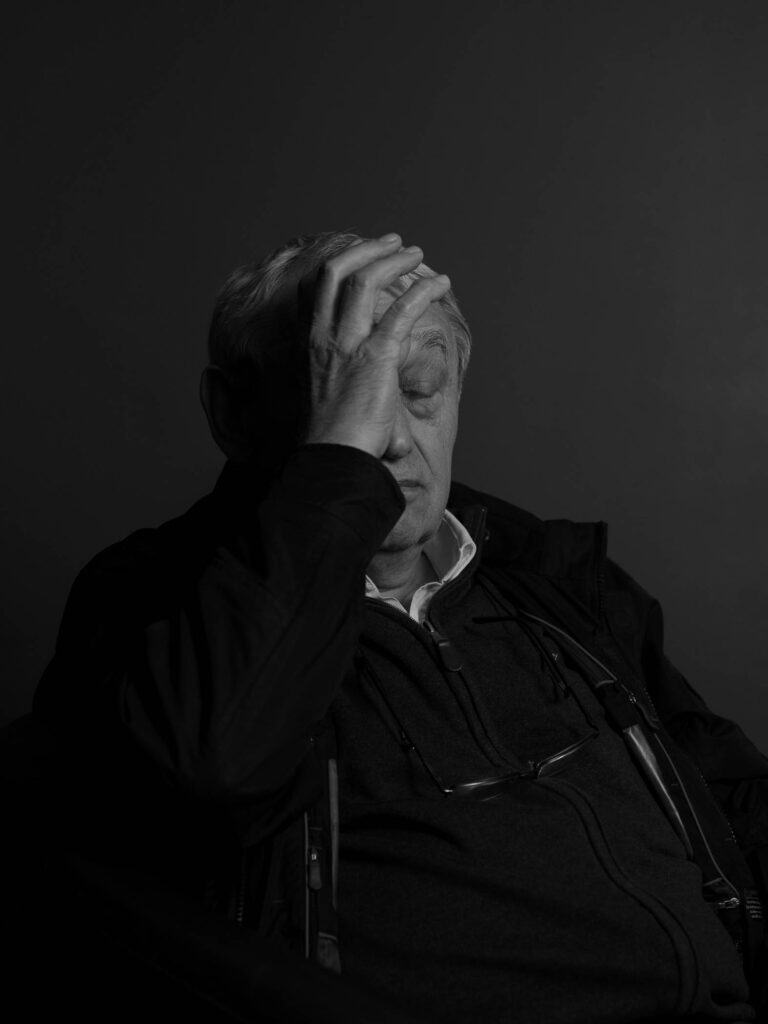
Gavrilo Princip sagte in dieser Region gebe es drei Warheiten.
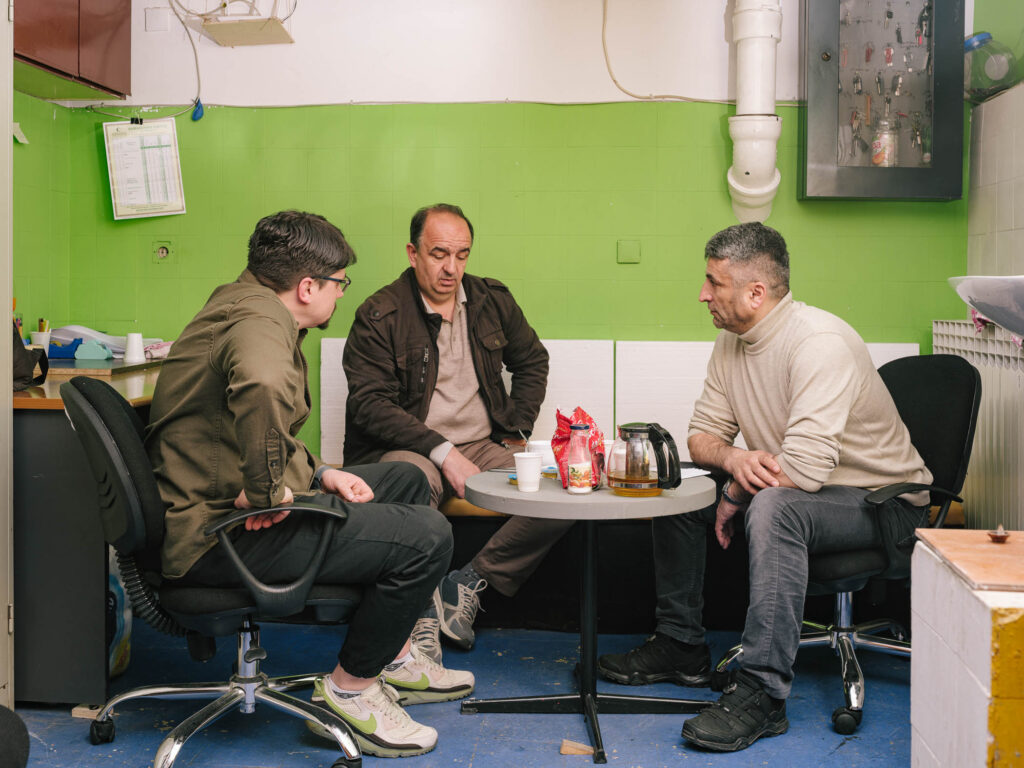
Hier diskutieren drei Mitarbeiter des "Theatre of Youth".
ENCYCLOPEDIA OF POTENTIAL TRUTH
On the Ordering of Images

I developed the Encyclopedia of Potential Truth as my graduation project at Hochschule Hannover. I was concerned with photography as a way of representing knowledge, and with the possibilities of sequencing images and narratives.
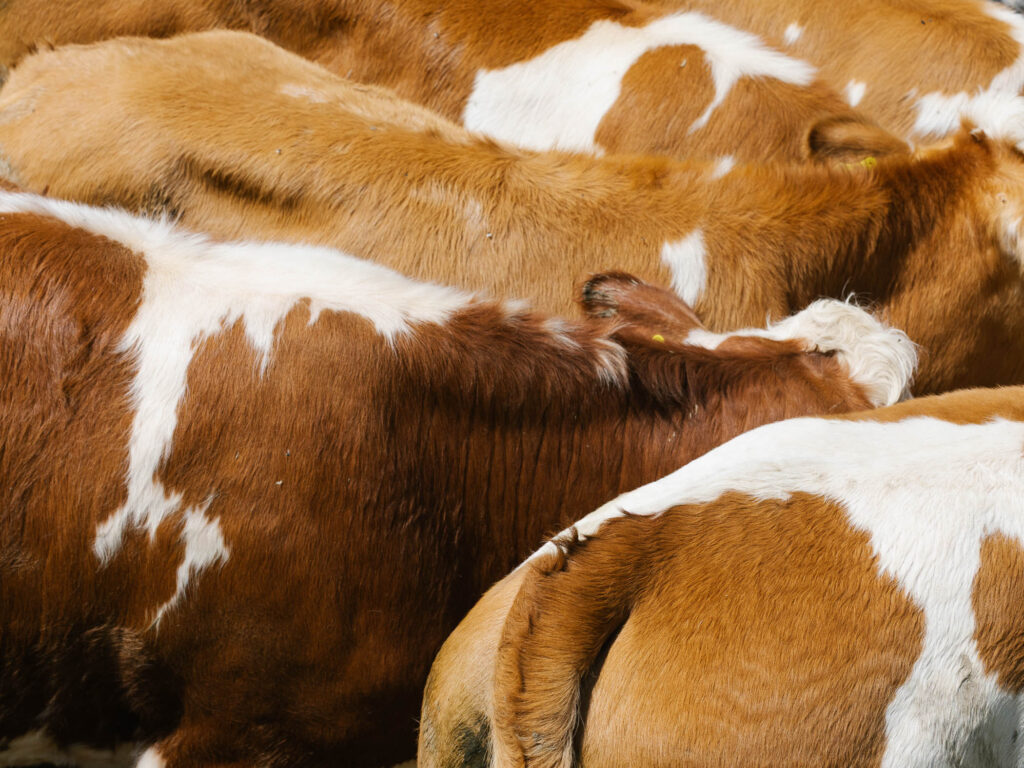
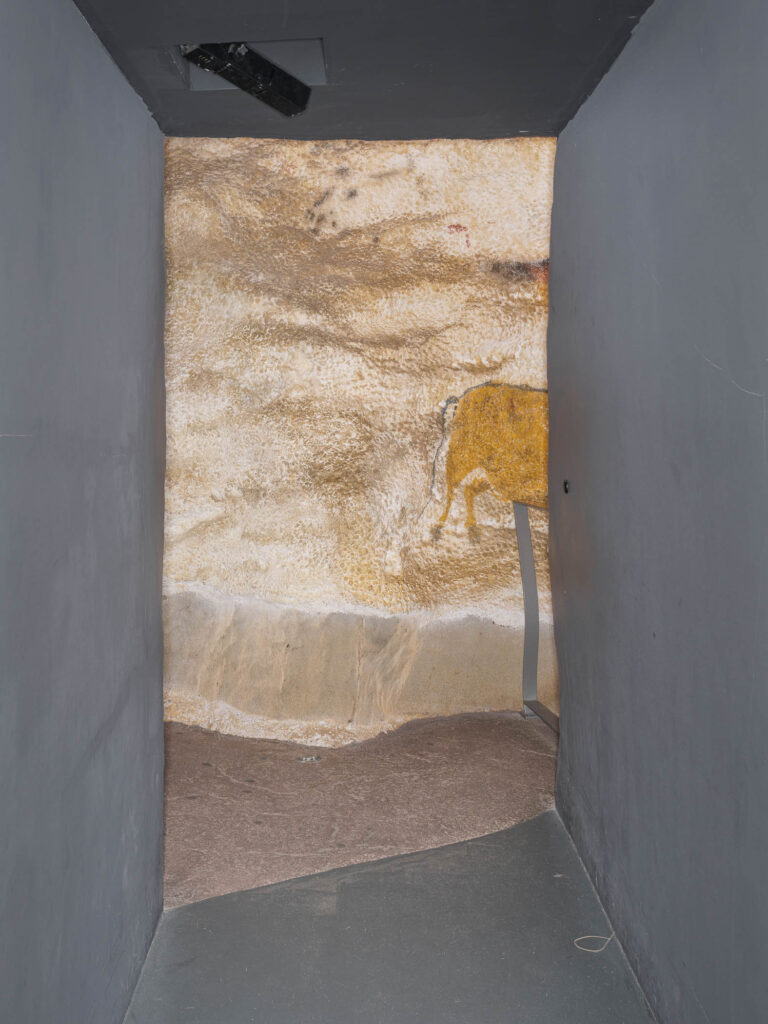
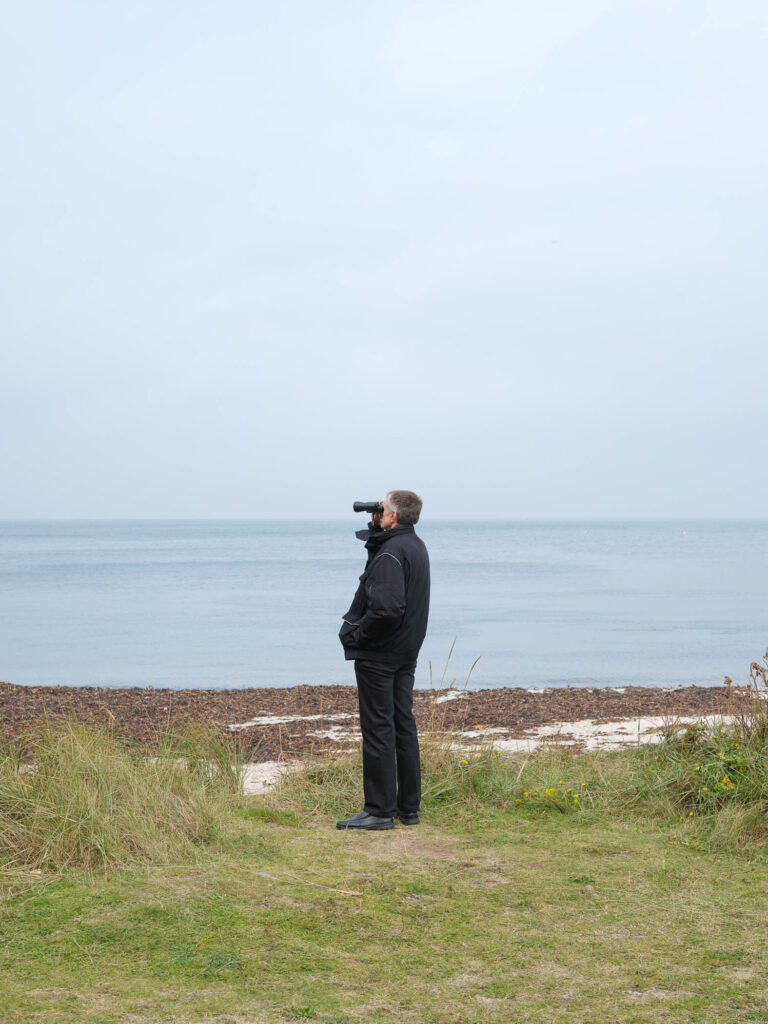
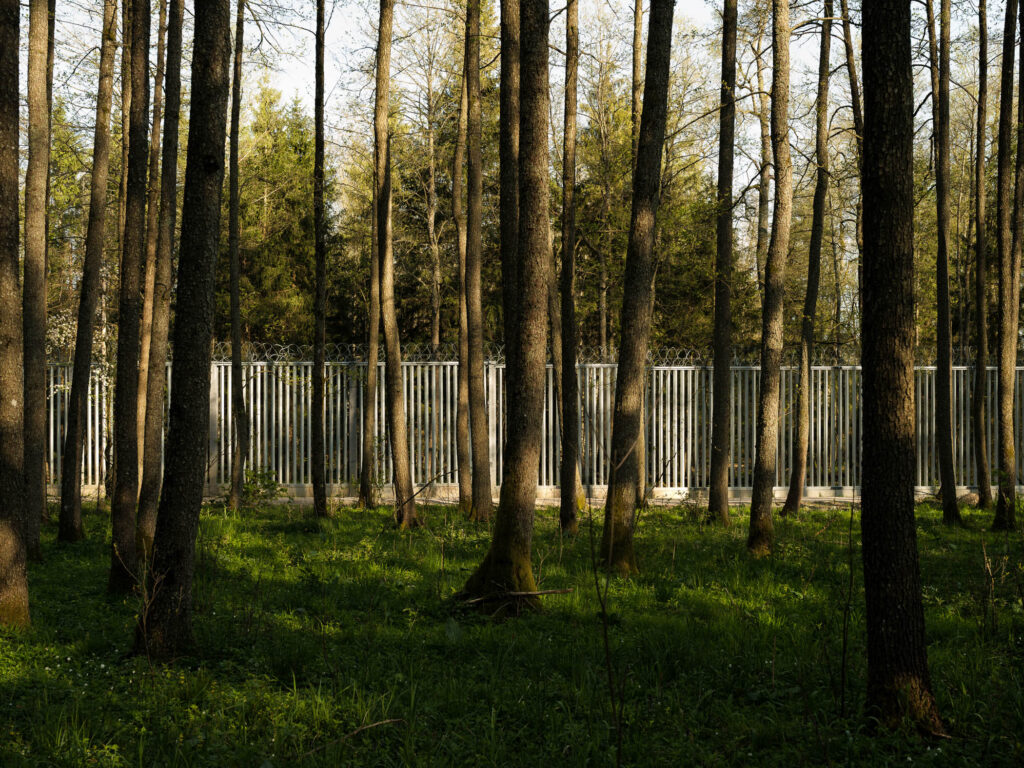
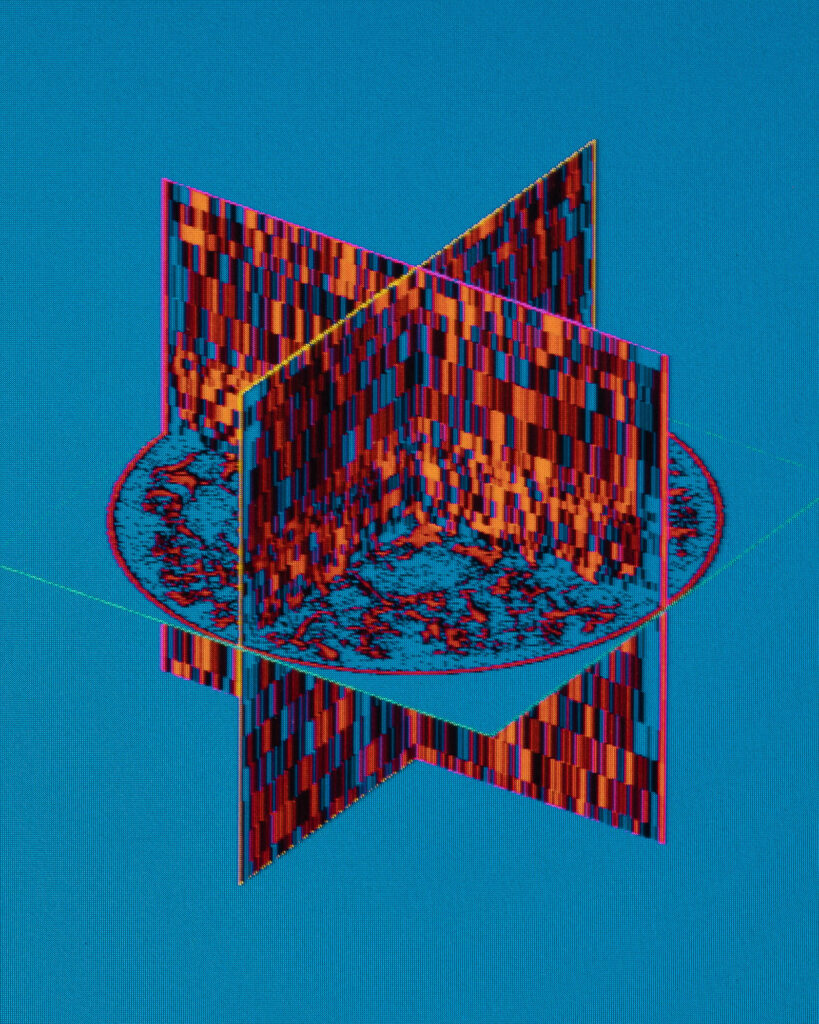
My research moved between the cave paintings of Lascaux, the first images of the far side of the moon, quantum physics on Helgoland, the assassination of Archduke Franz Ferdinand and the biological experiments of the Heck brothers, to name a few. I followed serendipity throughout the process, from research and image-making to sequencing. An unexpected find could become a reason to pursue another subject or reconsider a connection.
The idea of an encyclopedia gave me a framework for gathering this material. I worked across science, history and art, following associations through the subjects themselves and through the visible details of the images. I was interested in the point at which an association might become a hypothesis, a narrative or an explanation.
Peirce’s abduction and Wittgenstein’s language games helped me reflect on these decisions and develop a practice around them. I wanted to think with images, about images and, especially, between images.

I brought the material together in a 634-page book containing 403 photographs, 43 text fragments, 4 timelines and 439 footnotes.
eholzknecht-1912-versuch 026
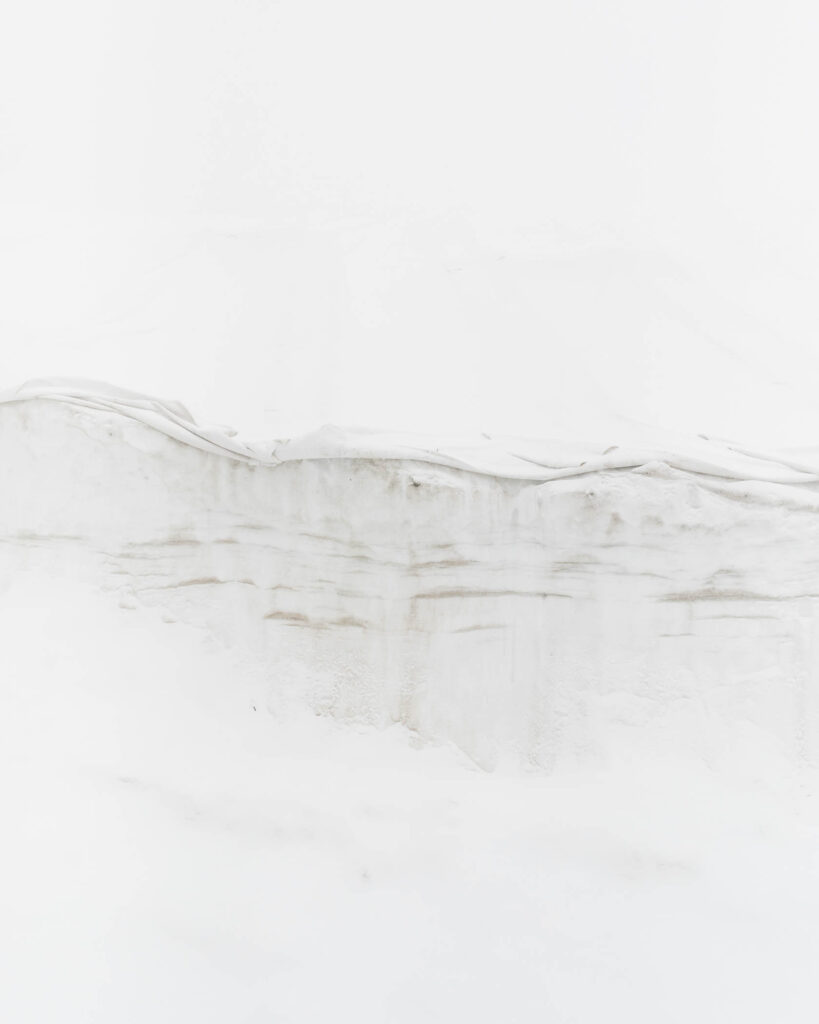
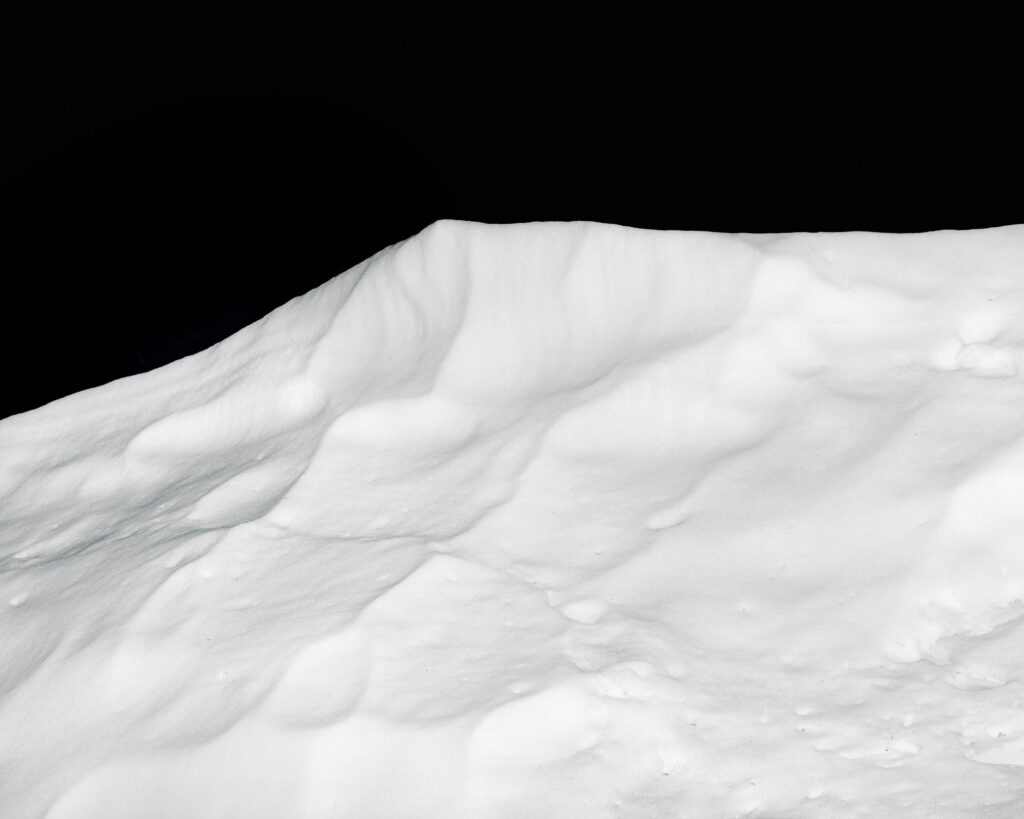
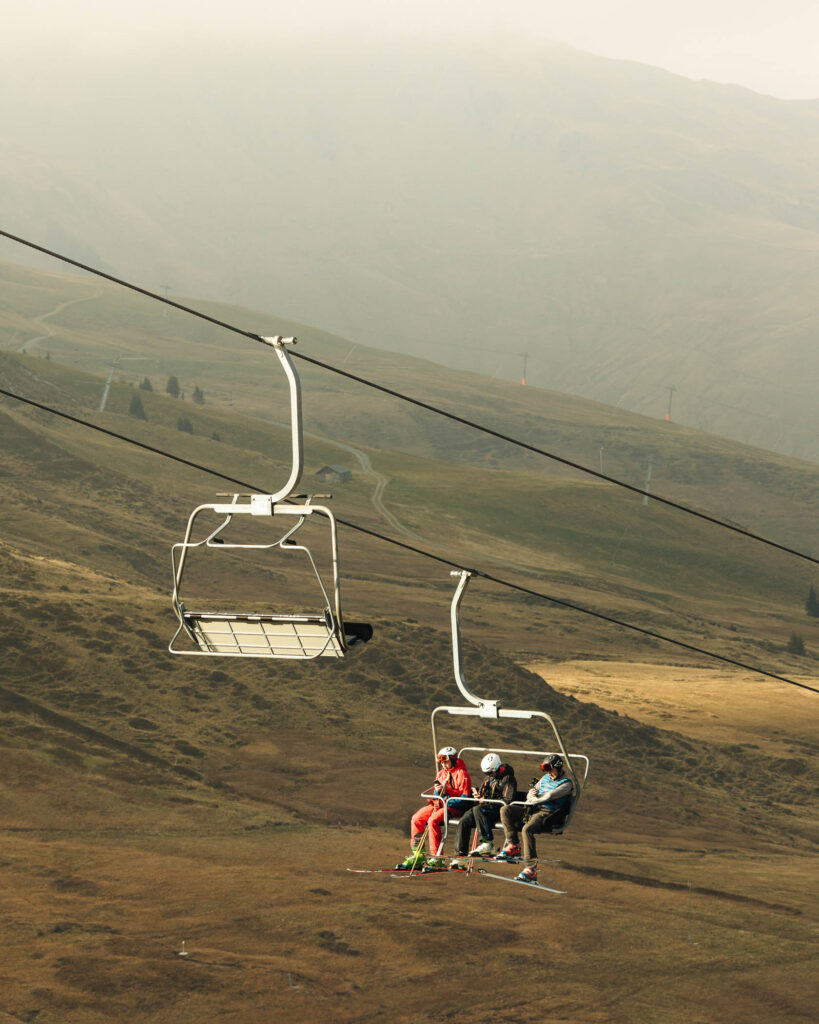
Der im vergangenen Winter eingelagerten Schnee wird auf den Hängen verbreitet.
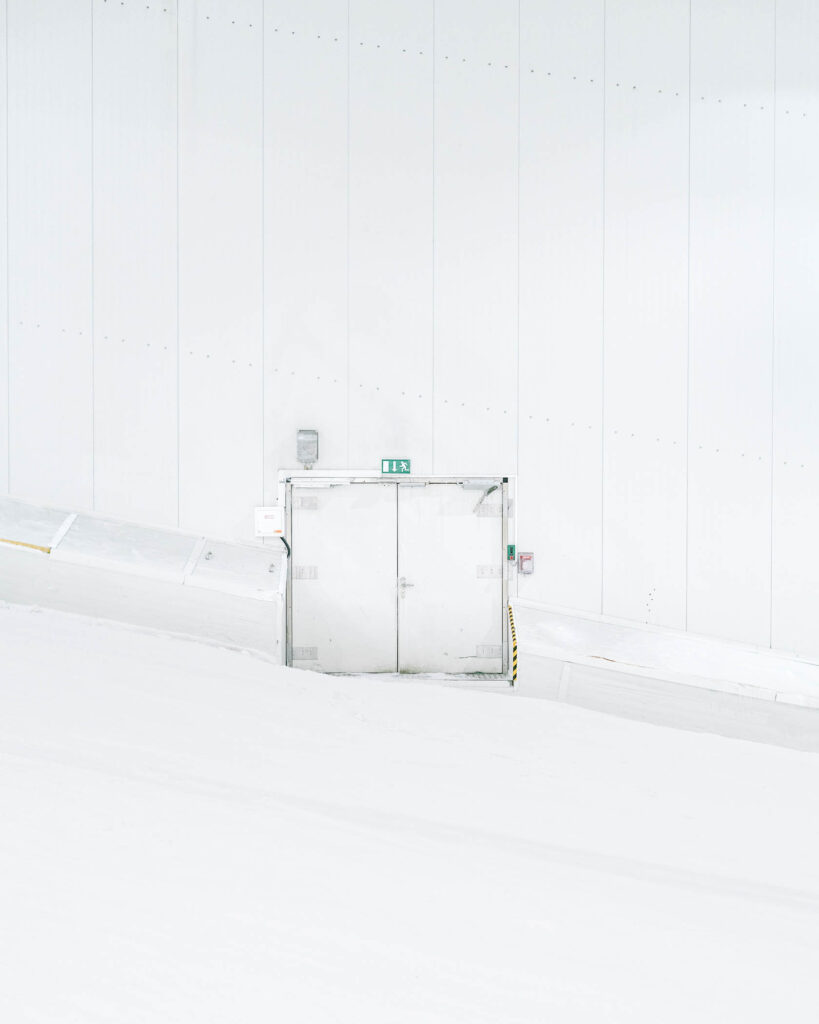
Deutschland, Nidersachsen, Bispingen, 03.12.2017 - Bildsprache - Streben nach Glück
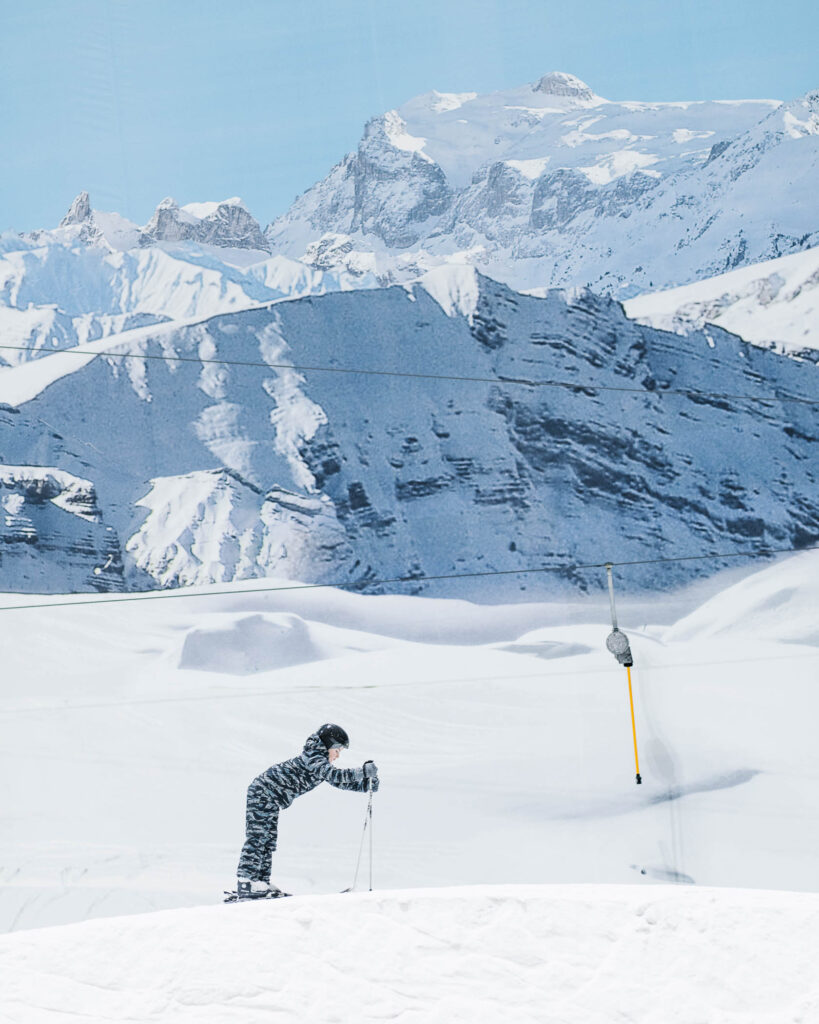
Die Skihalle in Bispingen ist eine der bekanntesten und größten Skihallen Deutschlands.
Ein Ort der ultimativen Künstlichkeit, der totalen Imitation.
FOTO: Elias Holzknecht / HS Hannover
ES WERDE SCHNEE
A Search for Traces of Snowmaking in Alpine Landscapes
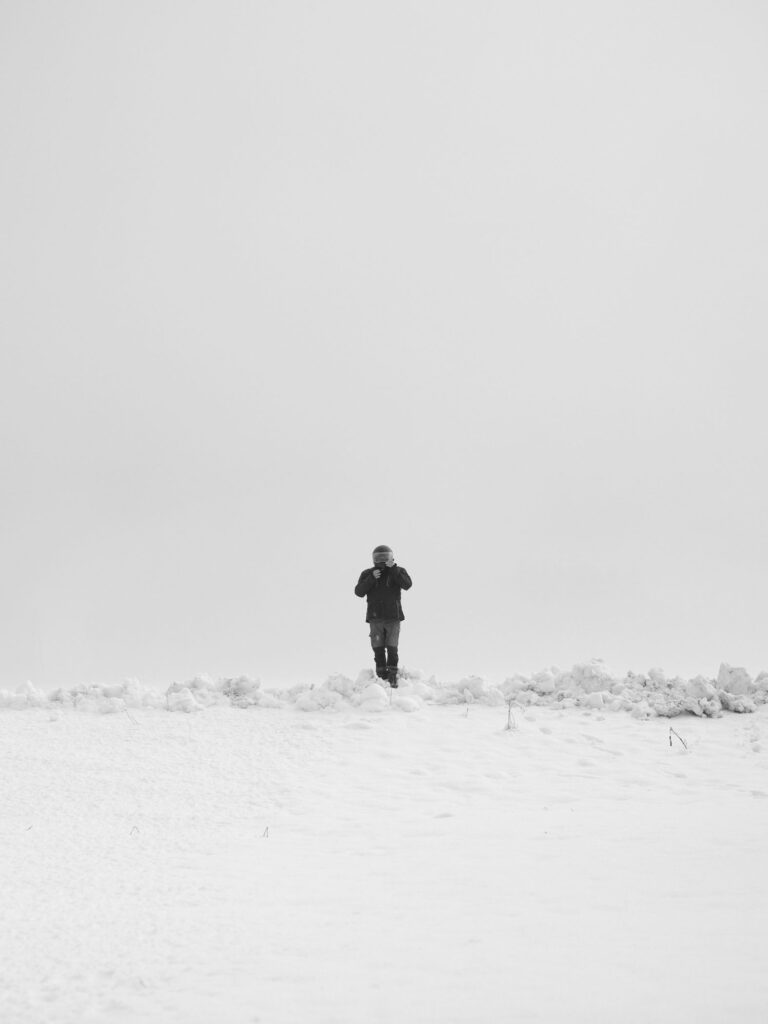
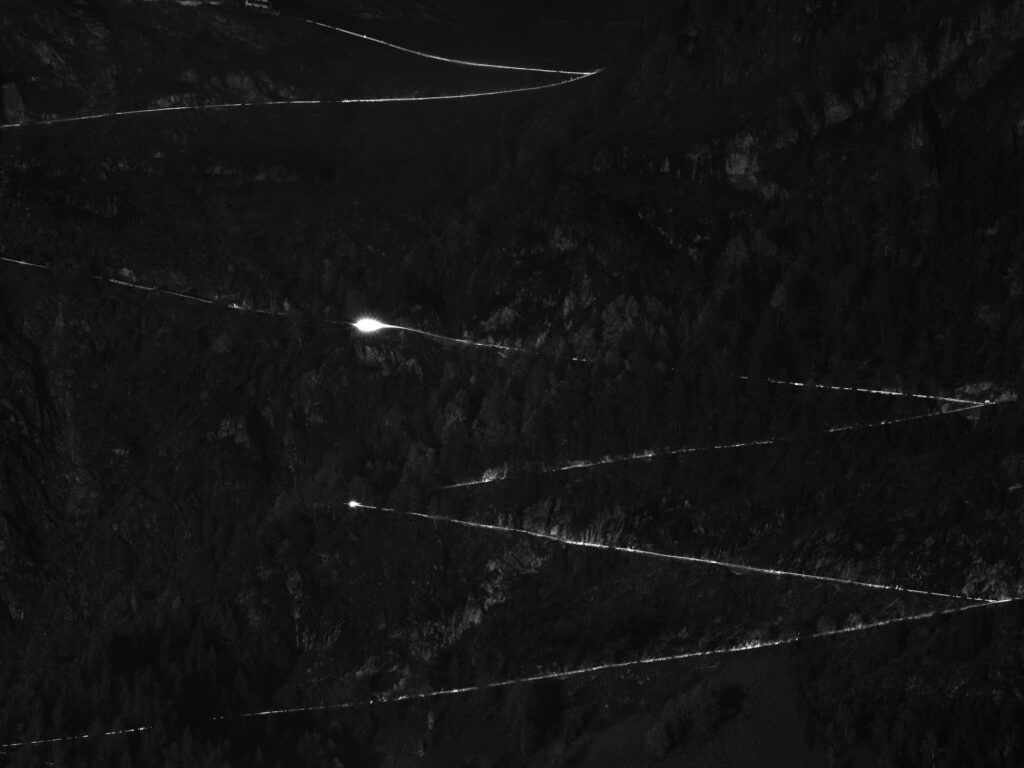
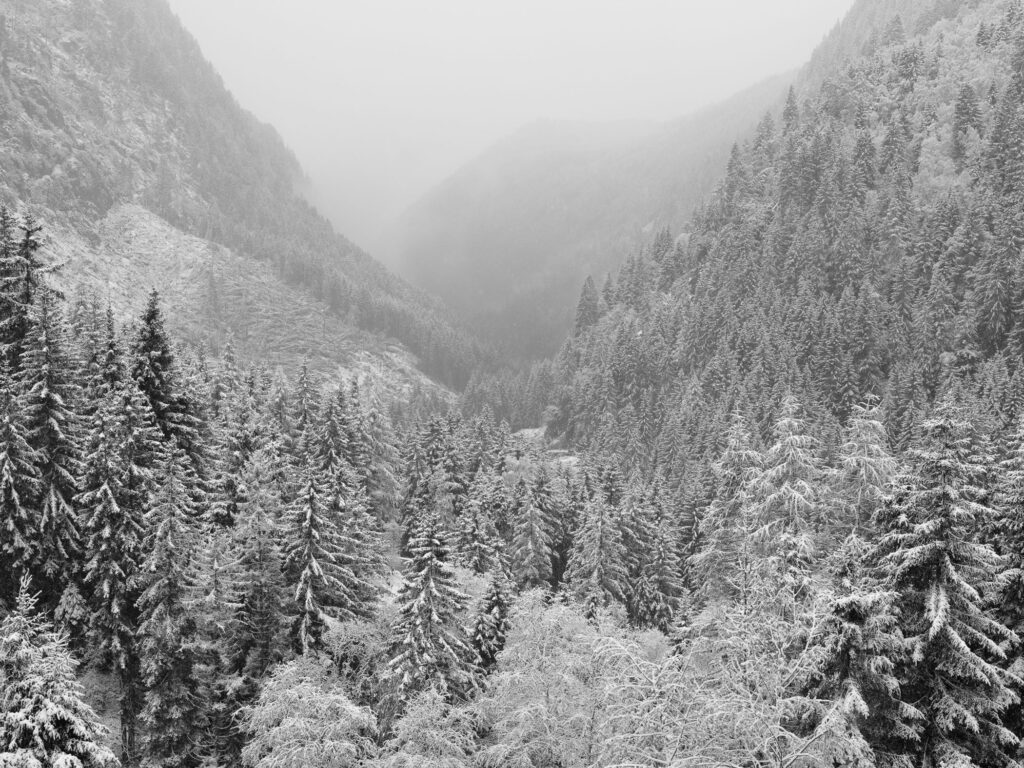
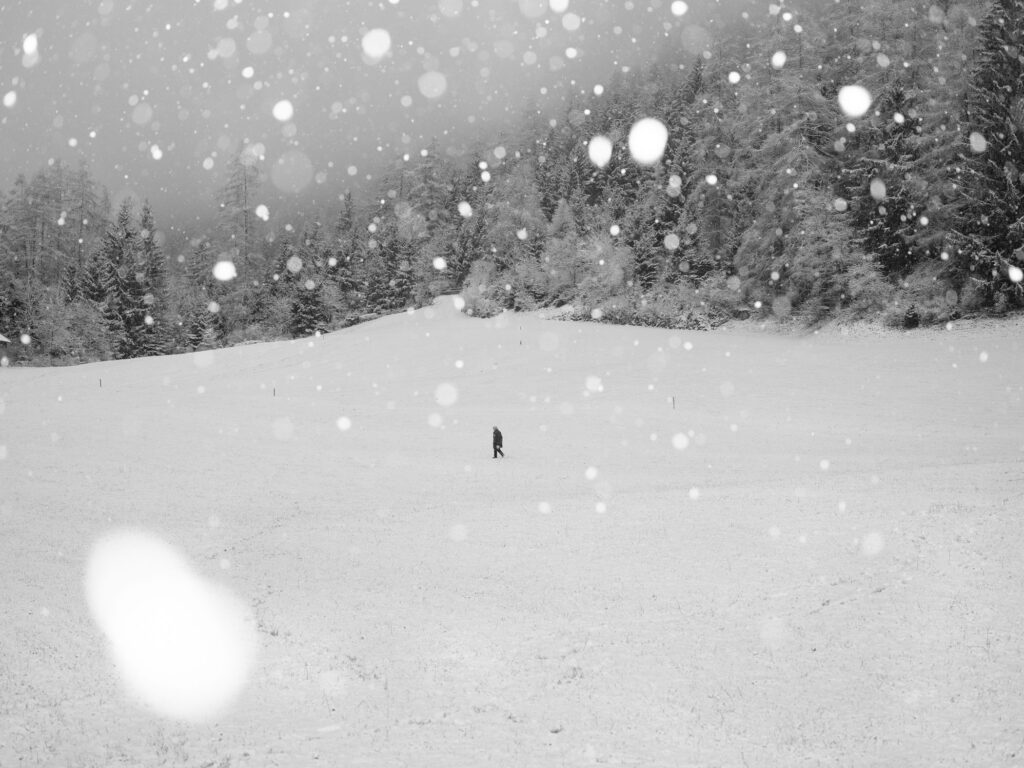
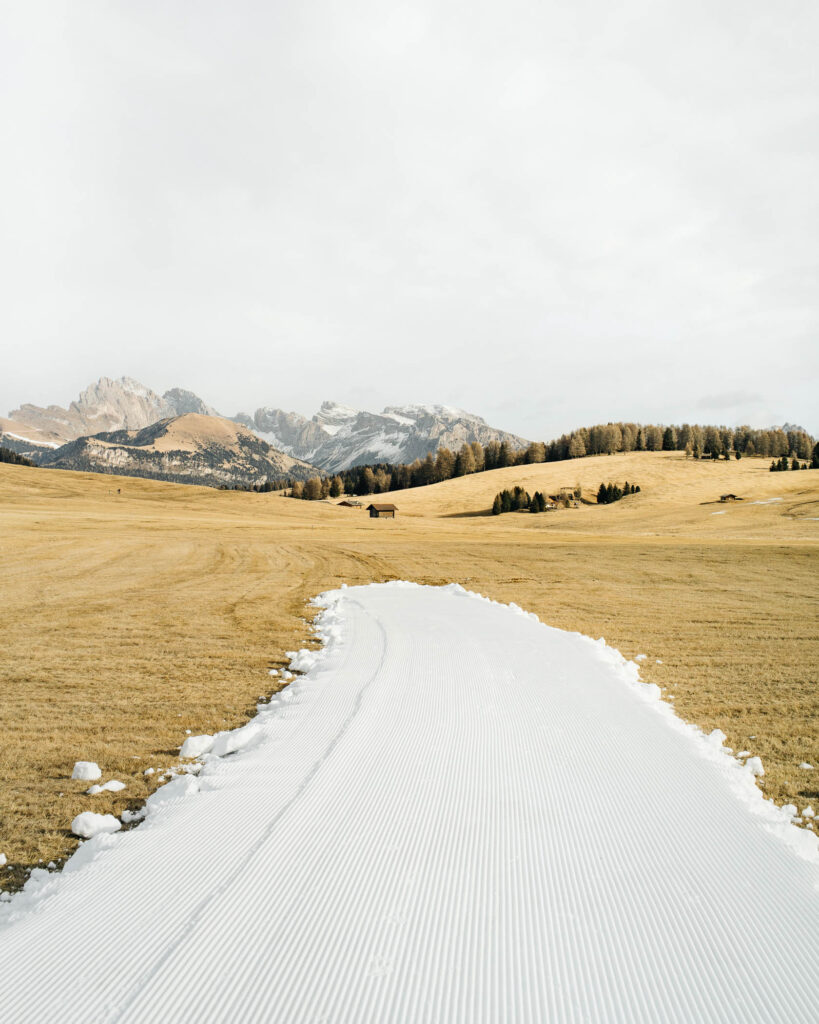
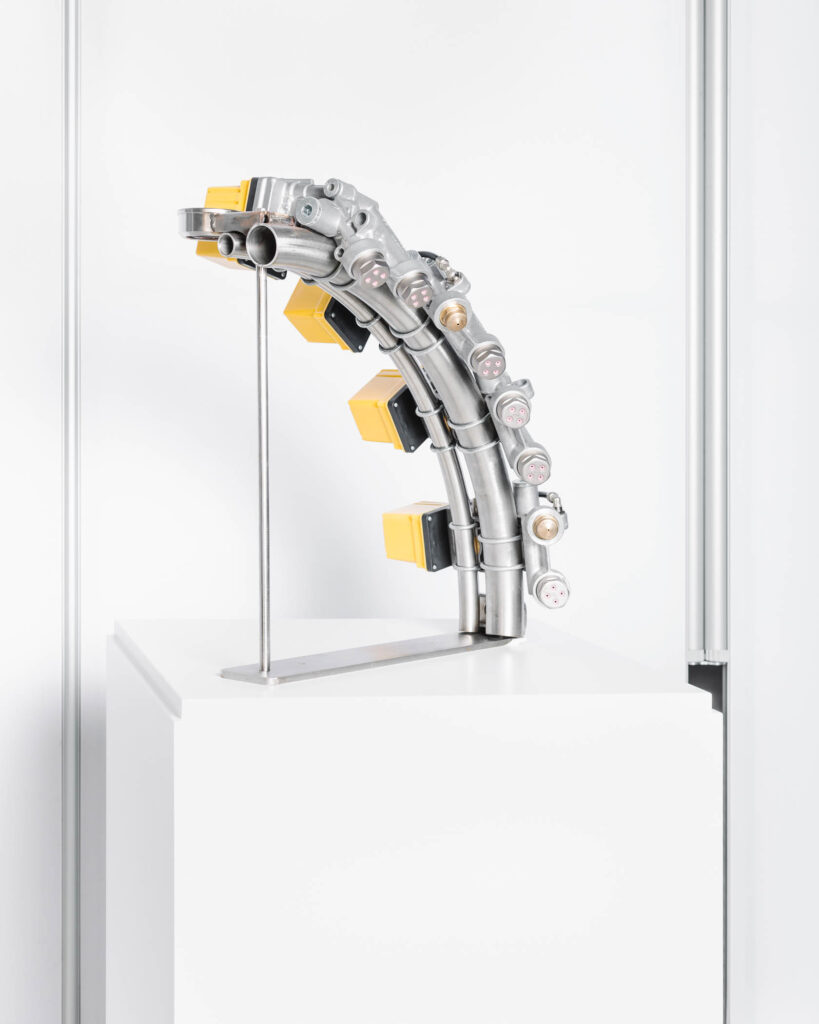
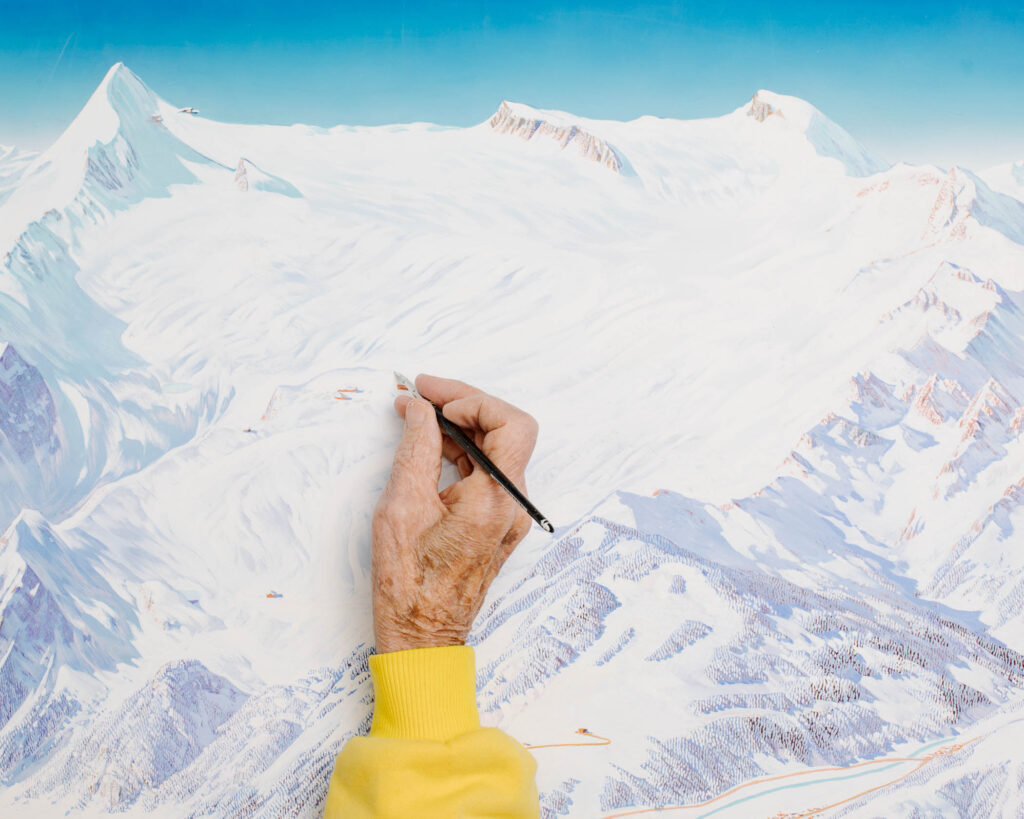
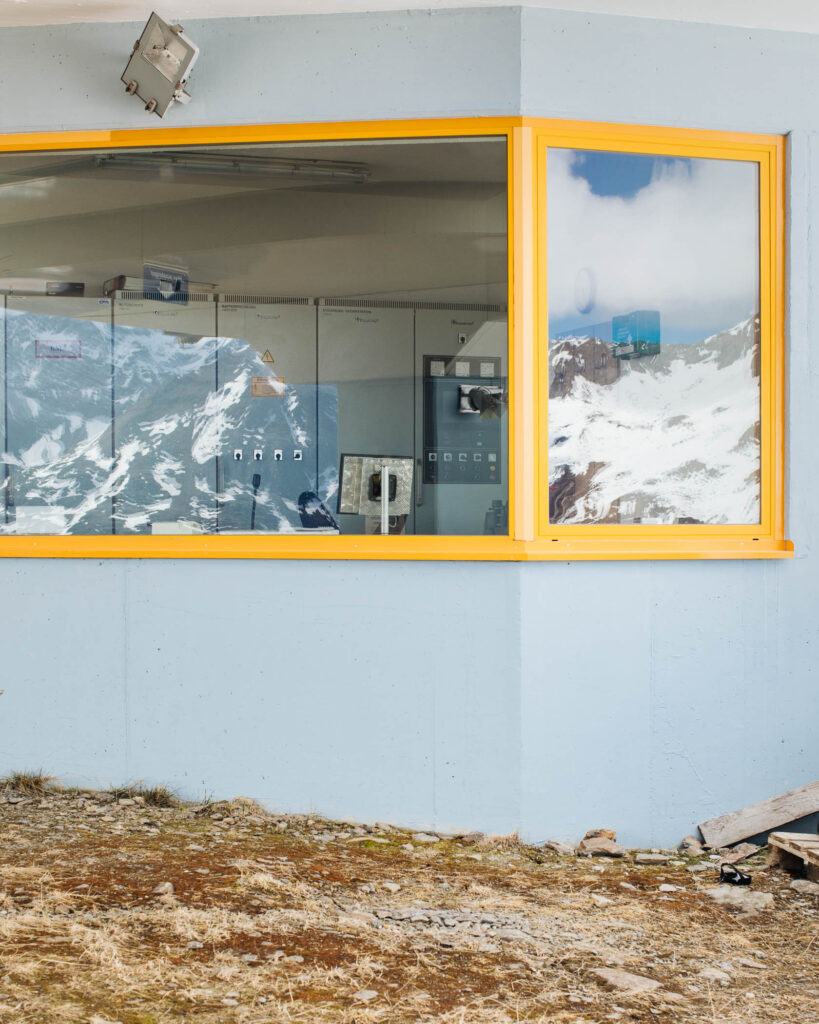
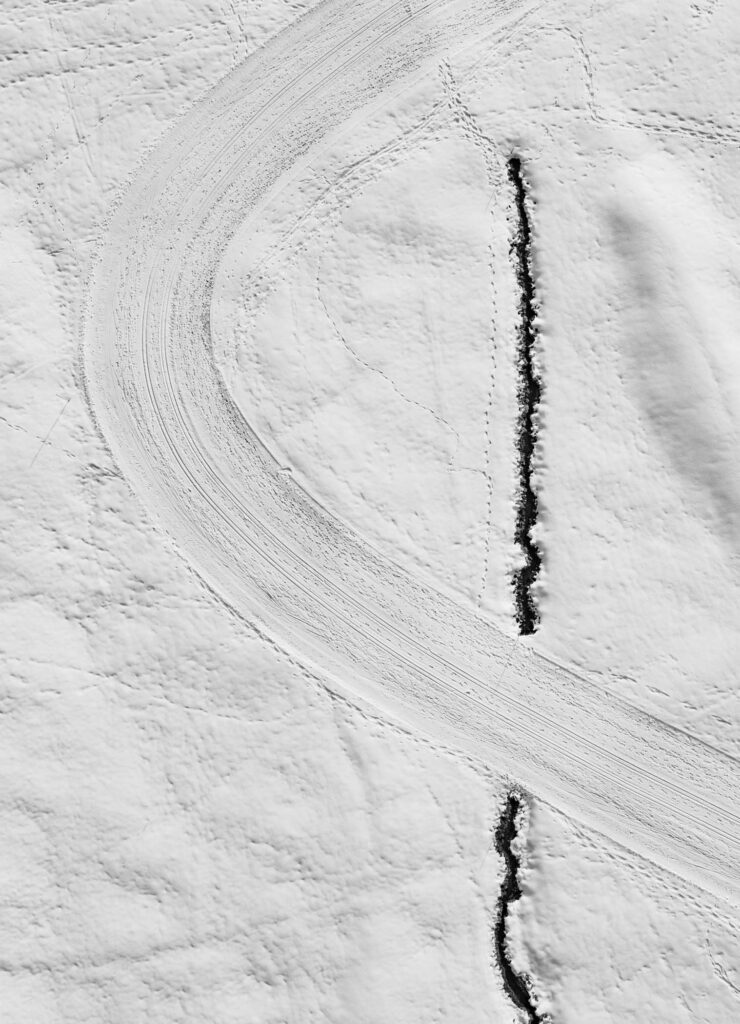
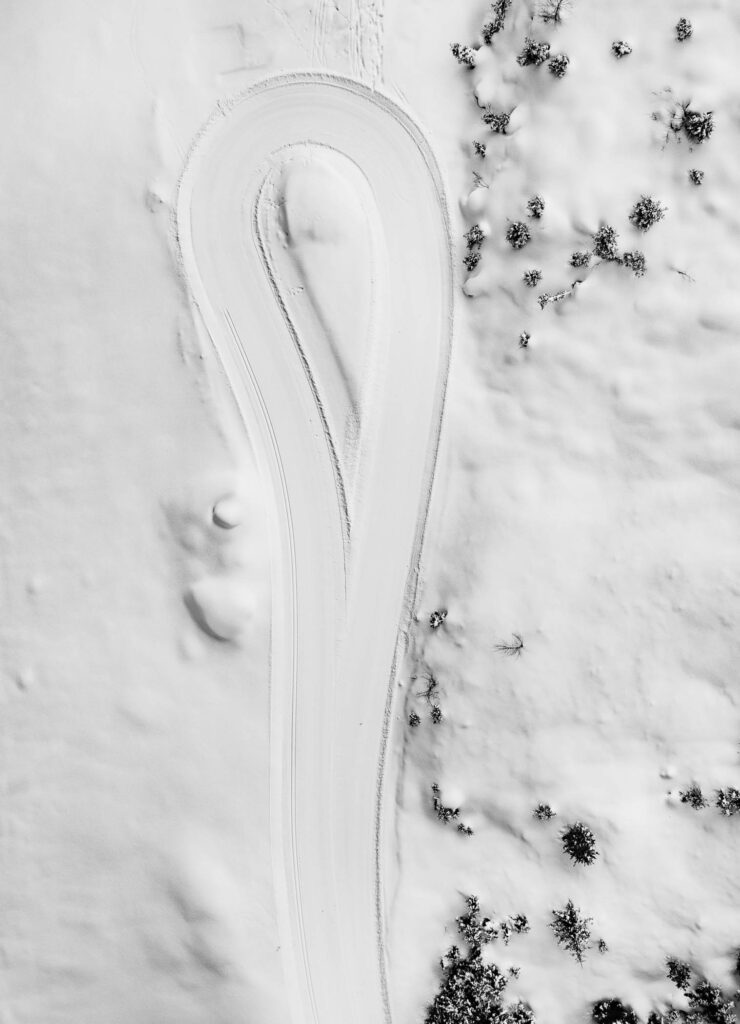
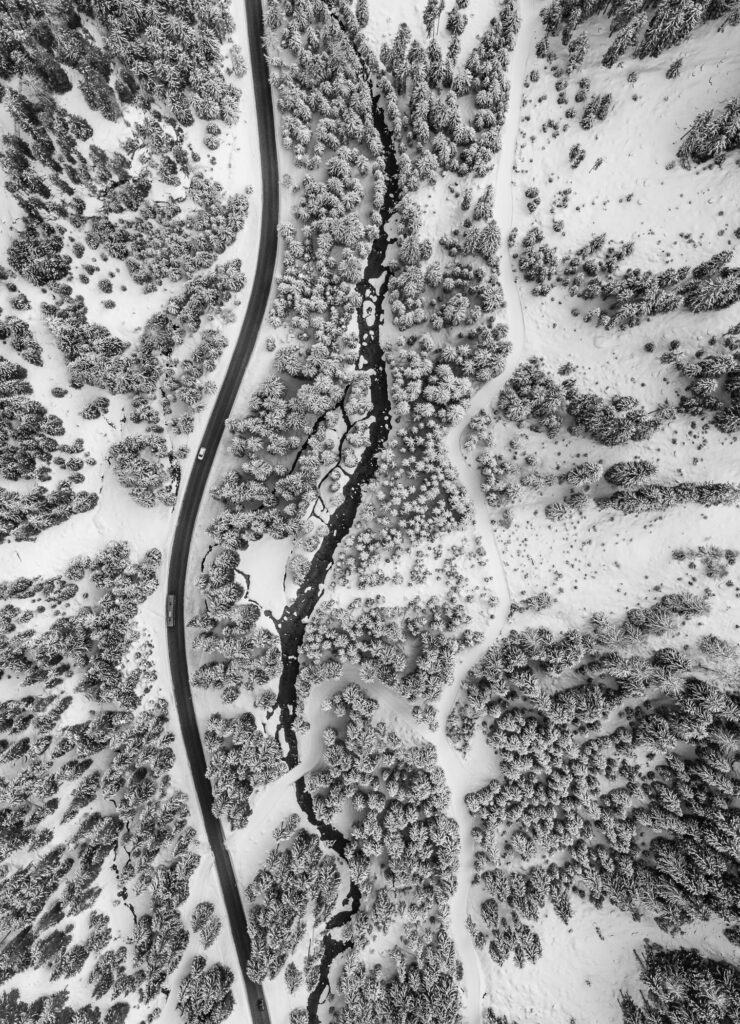
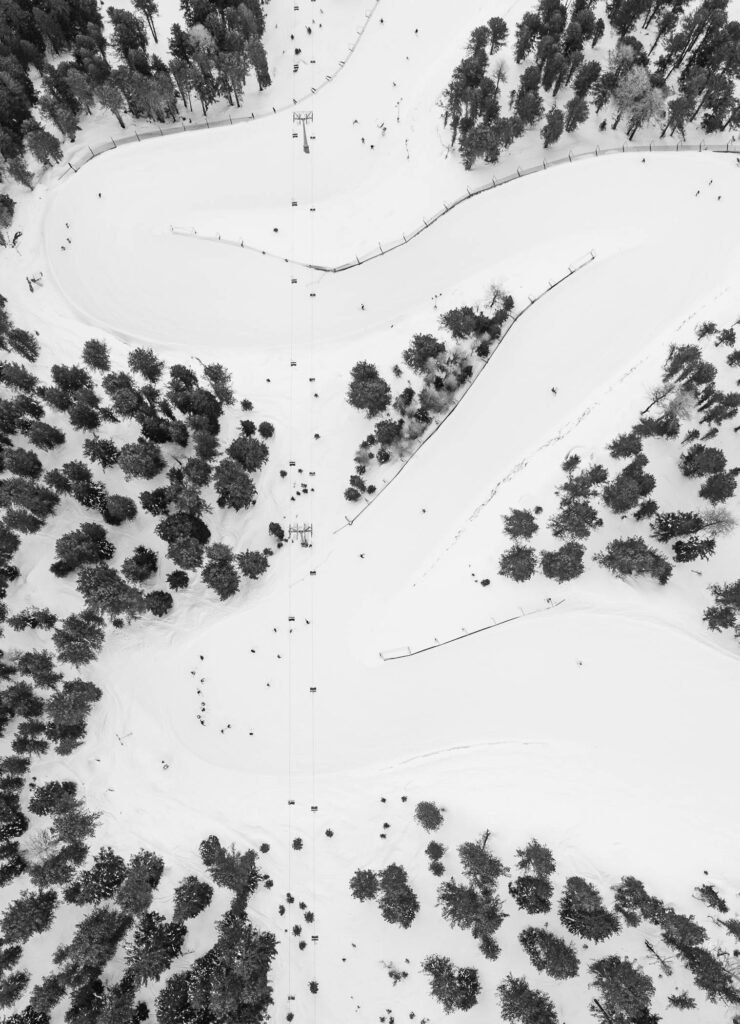
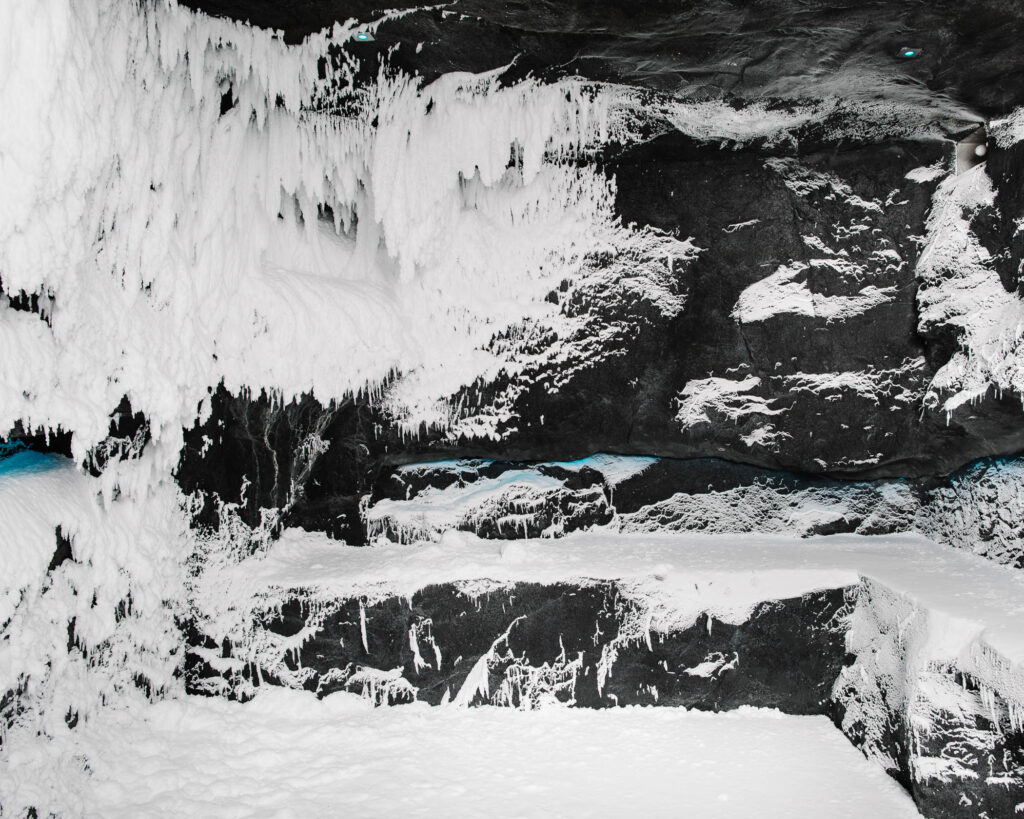
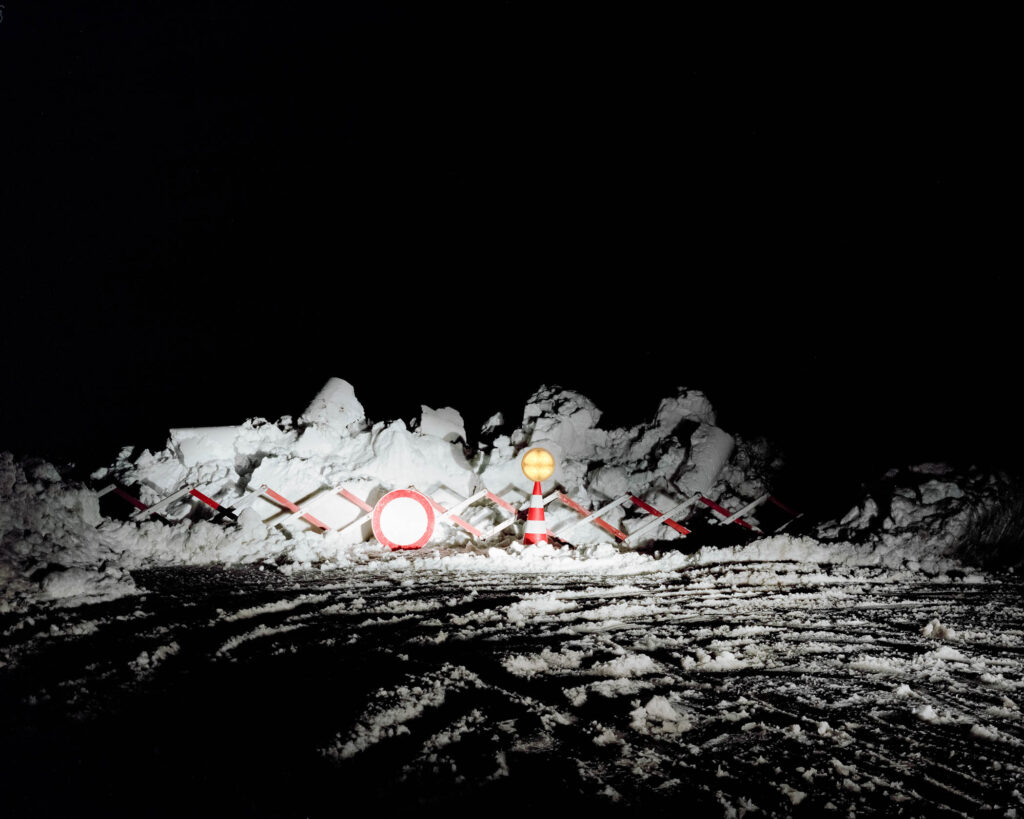
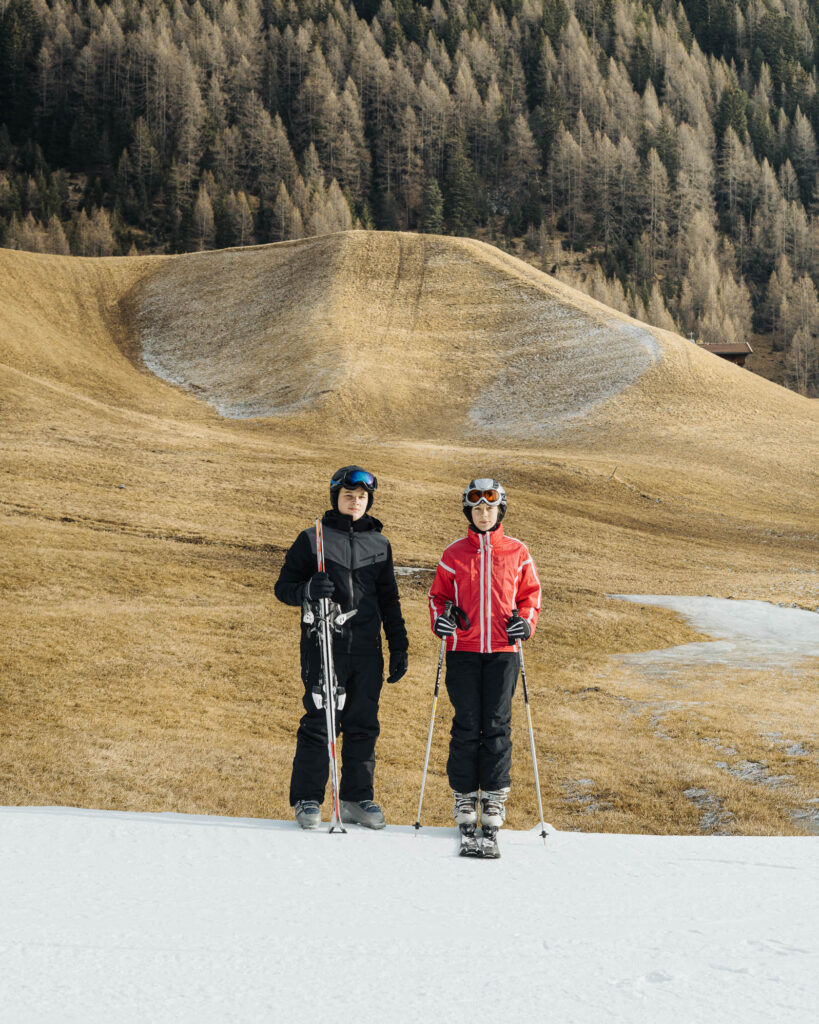
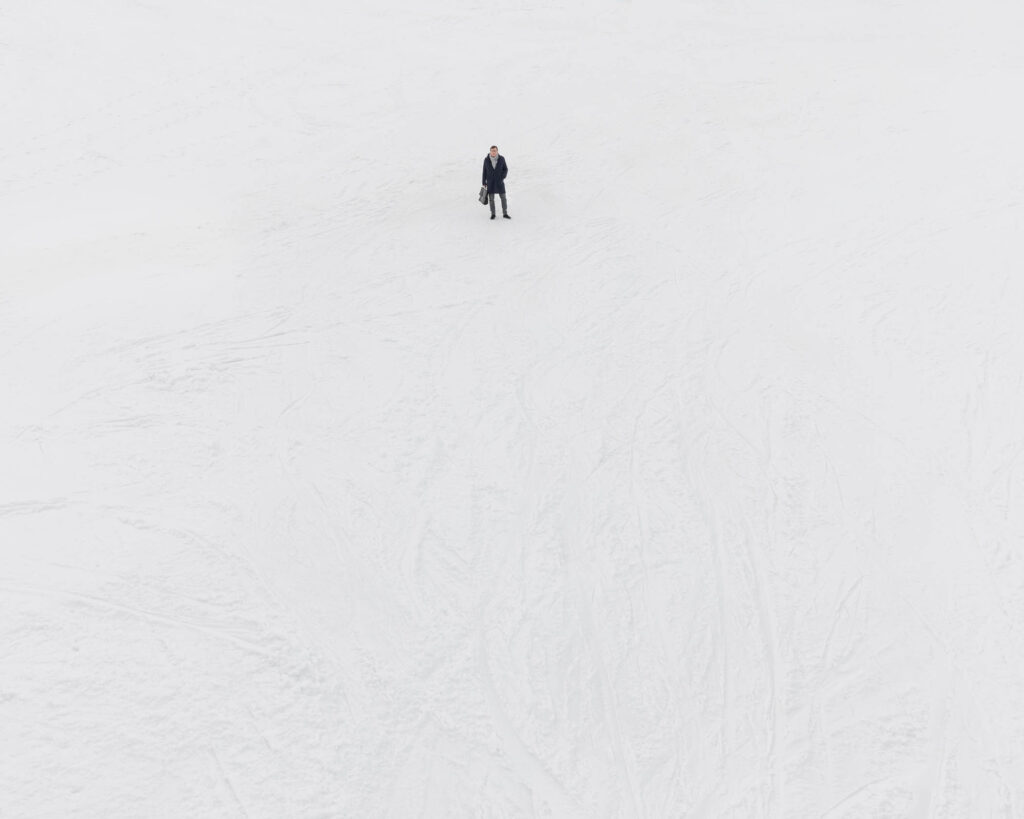
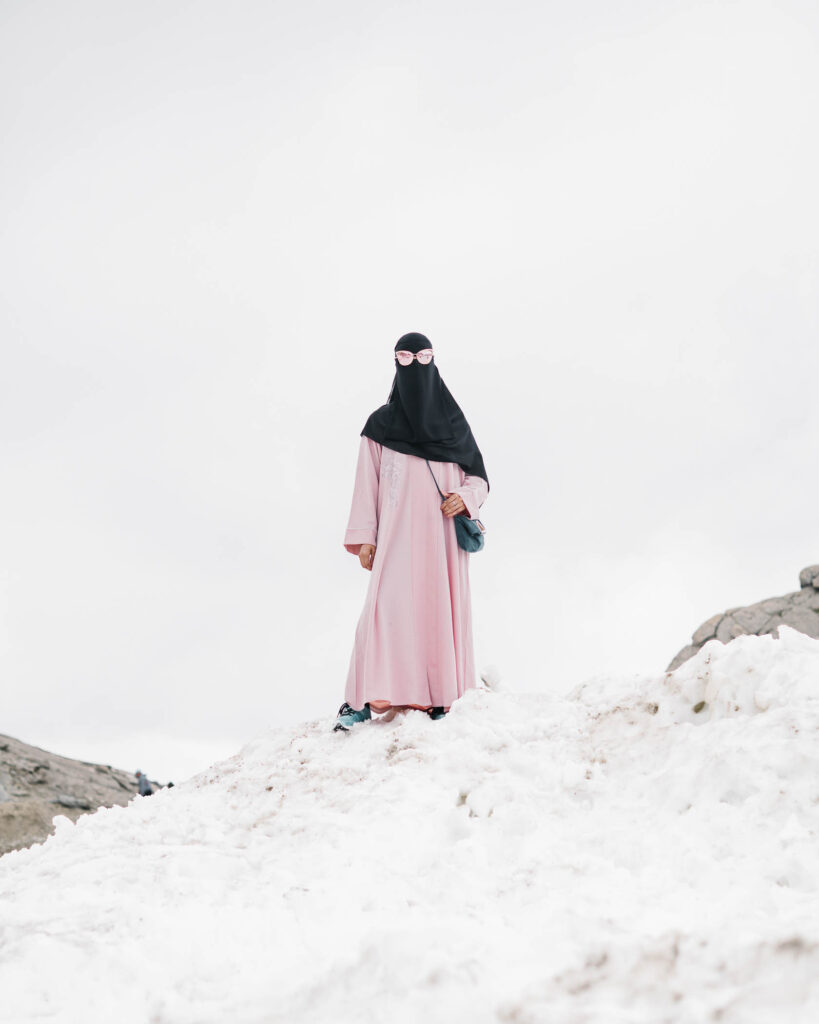
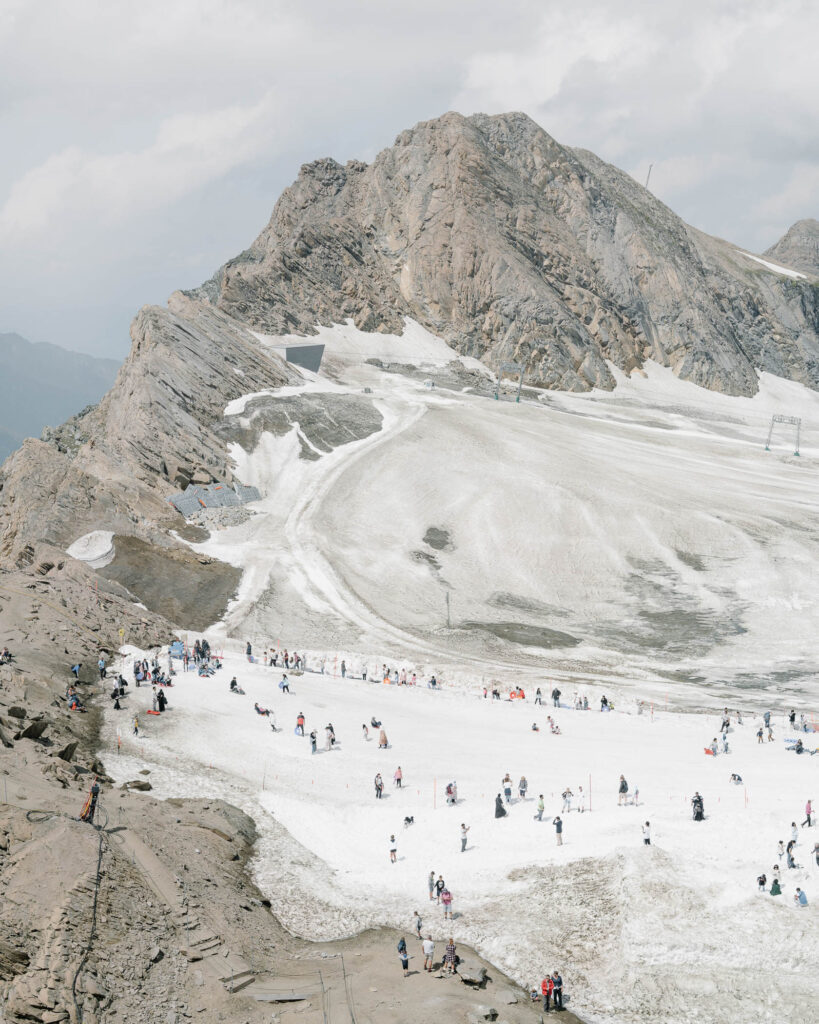
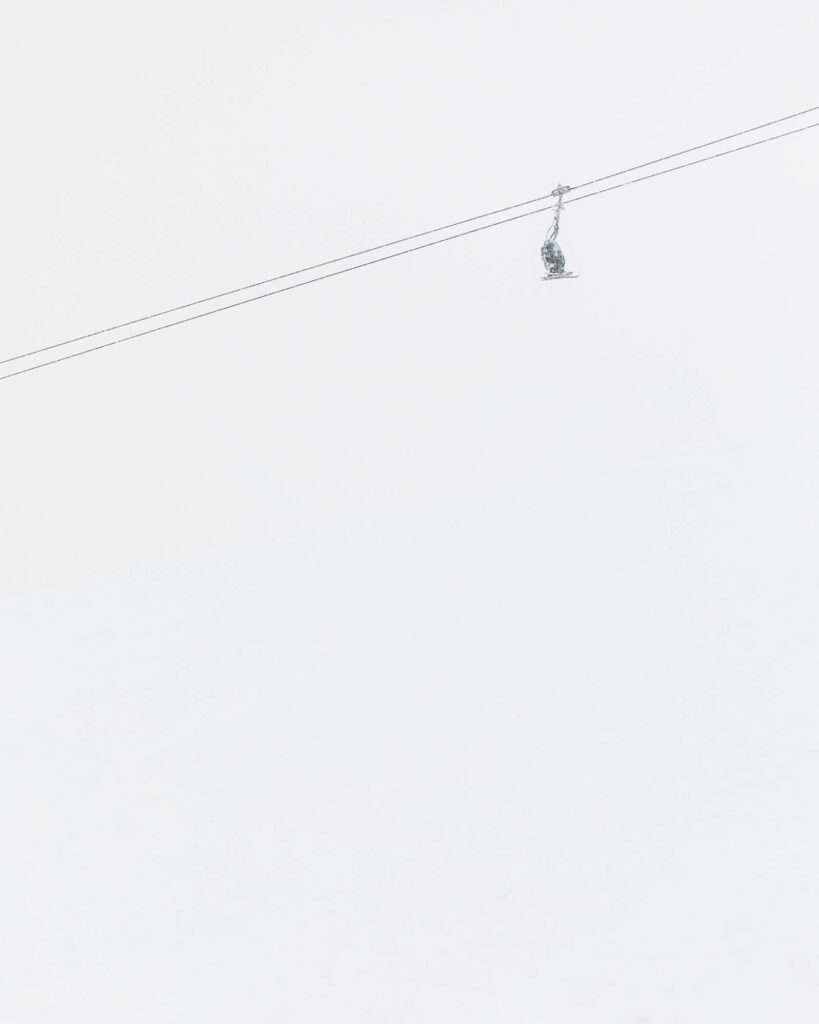
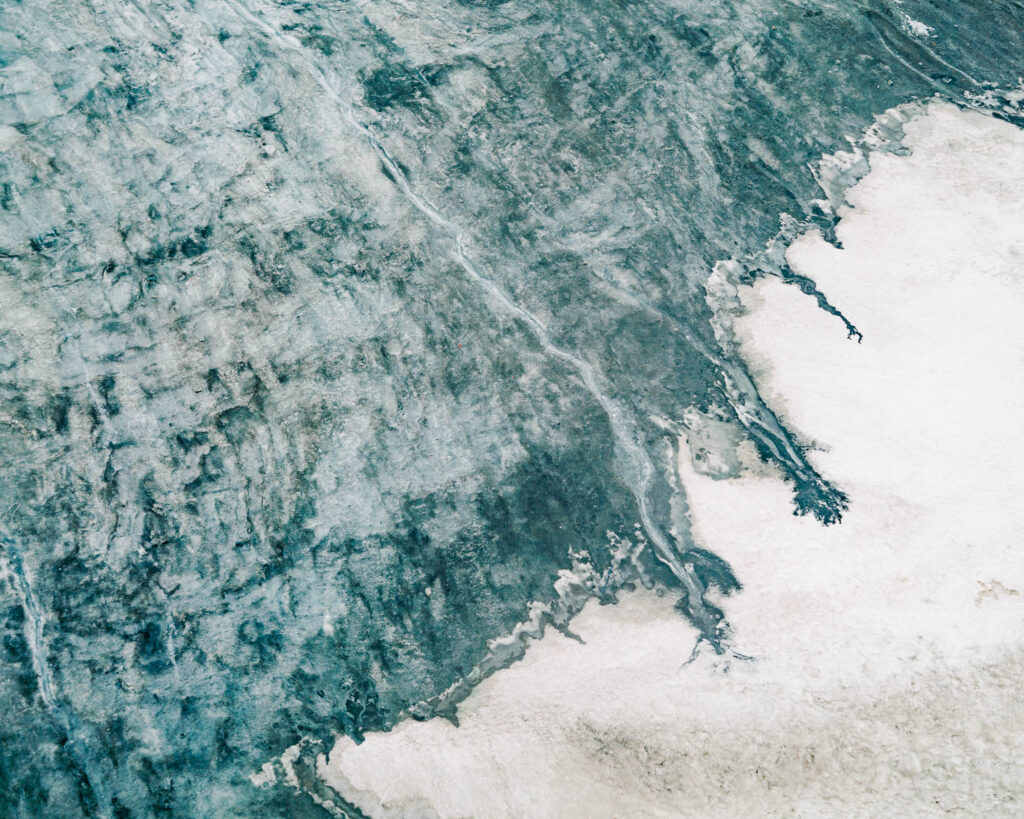
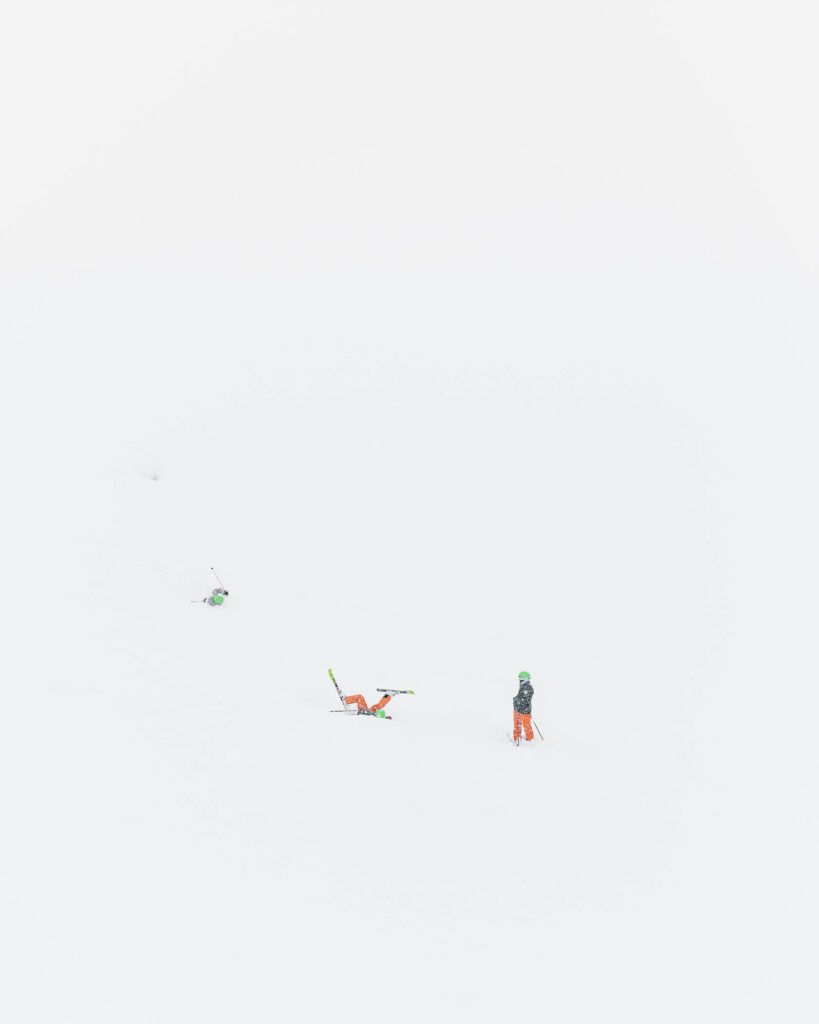
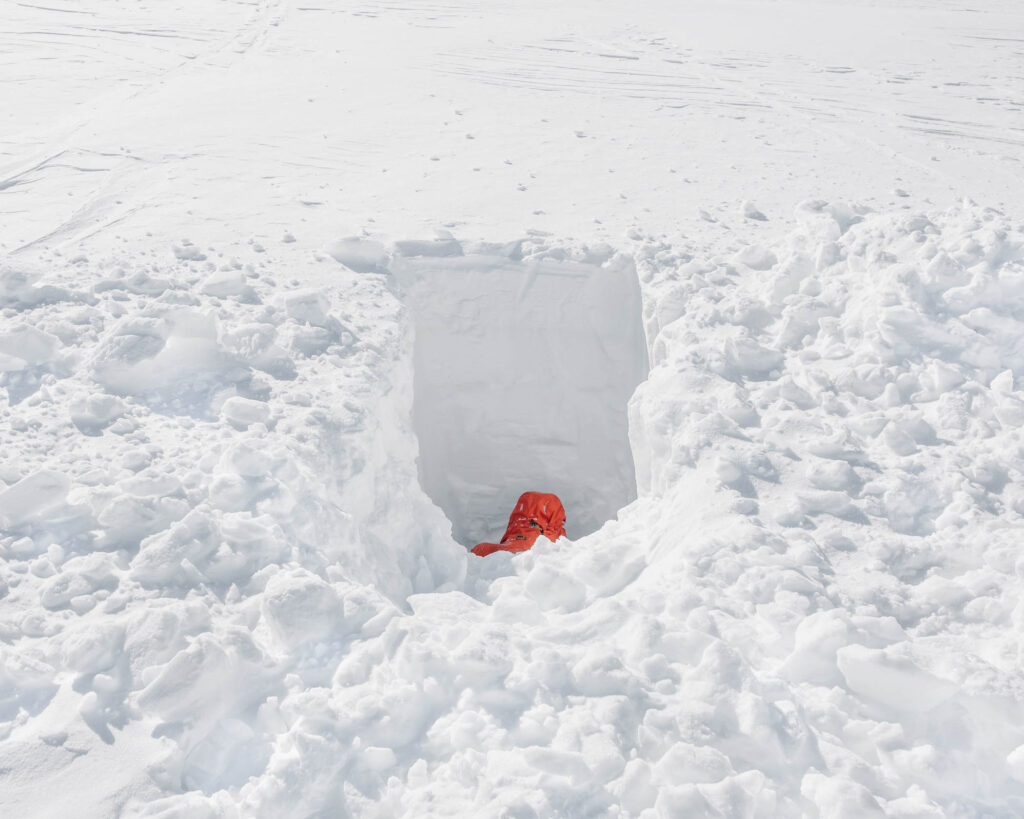
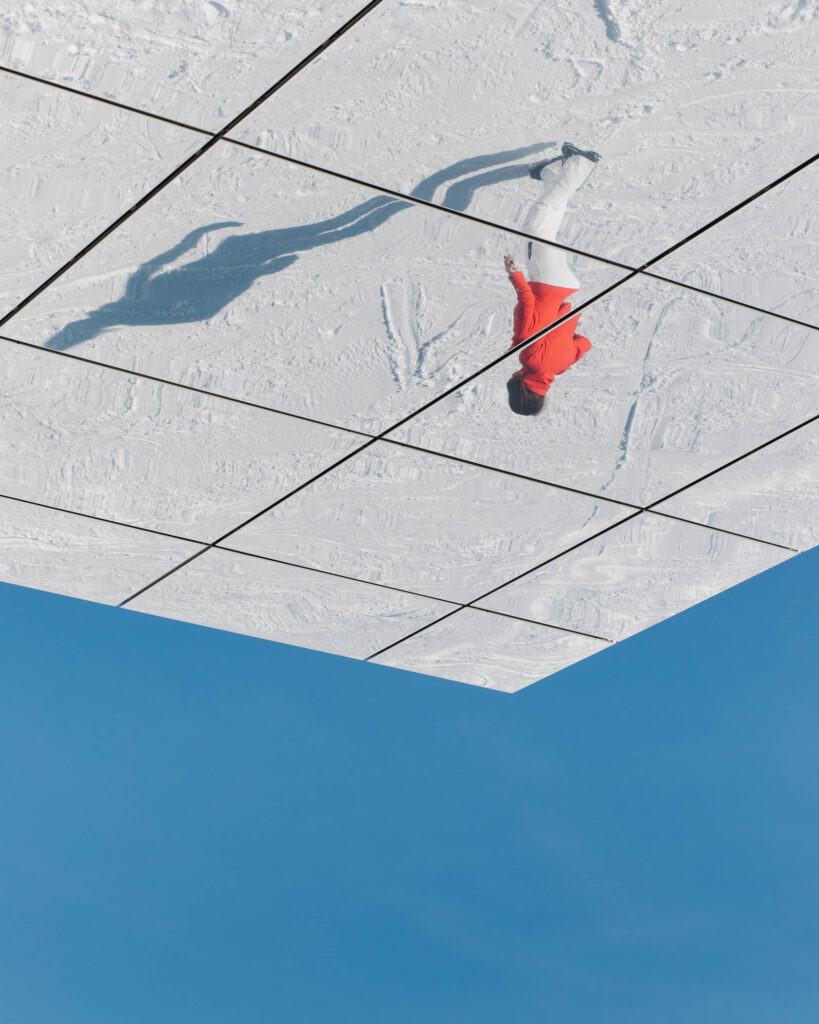
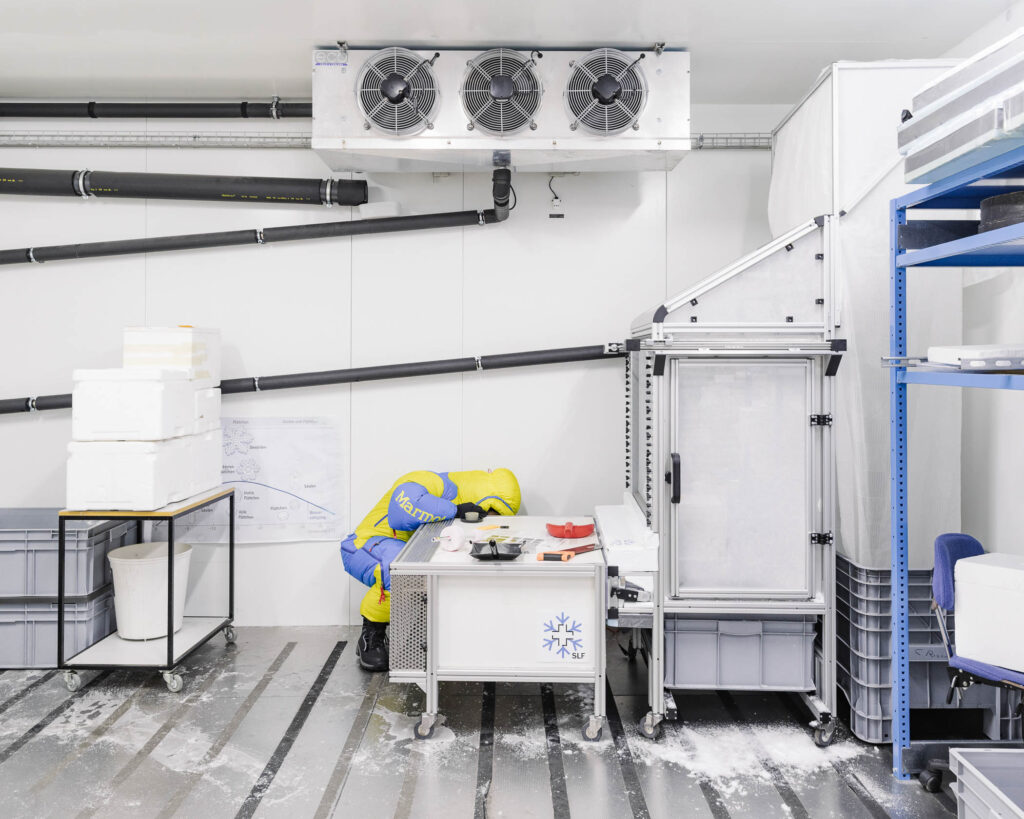
A white slope carries an image of winter. In Es werde Schnee, I followed what it takes to maintain that image: snow cannons, reservoirs, pipelines and pumping systems, and the water and energy needed to keep them running.
I worked in Alpine regions in Austria, Italy, Switzerland and Germany. In a warming climate, snowmaking helps sustain skiing when natural snowfall alone is no longer enough. Its infrastructure also changes the landscape. A place is altered so that it can continue to offer an experience of nature.
Once on the slope, machine-made snow can look much like natural snow. The difference lies in how it comes to be there, and in the systems that make its presence possible. I was interested in how our expectations of winter guide what is built, altered and maintained in the mountains. Producing snow also means keeping a particular idea of the Alps in place.
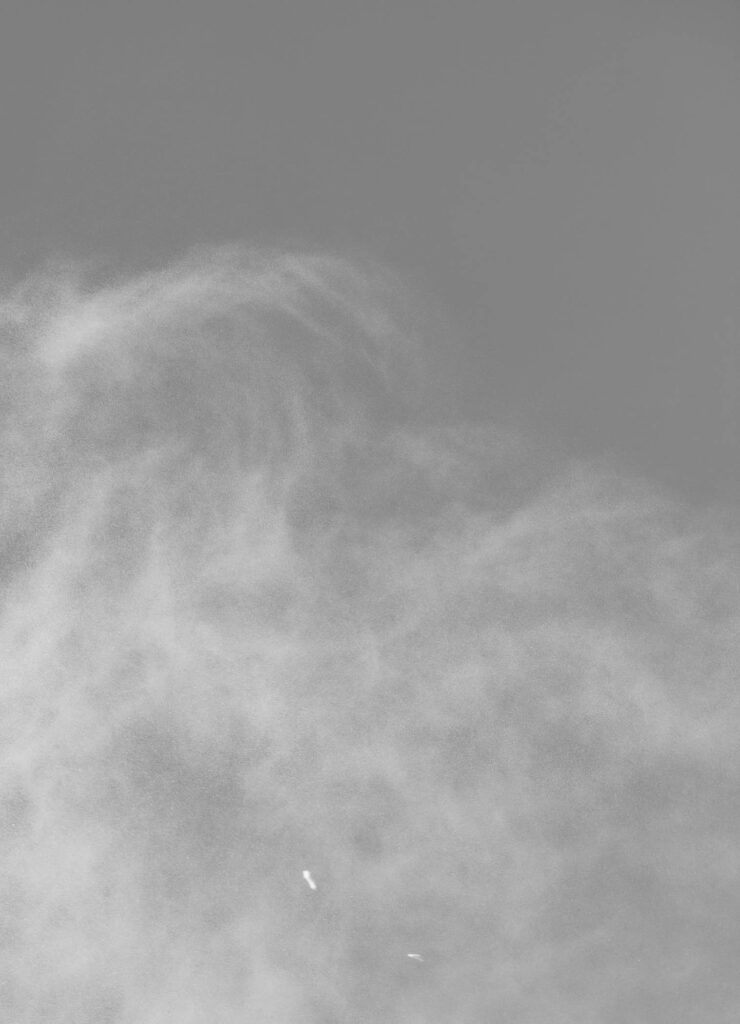
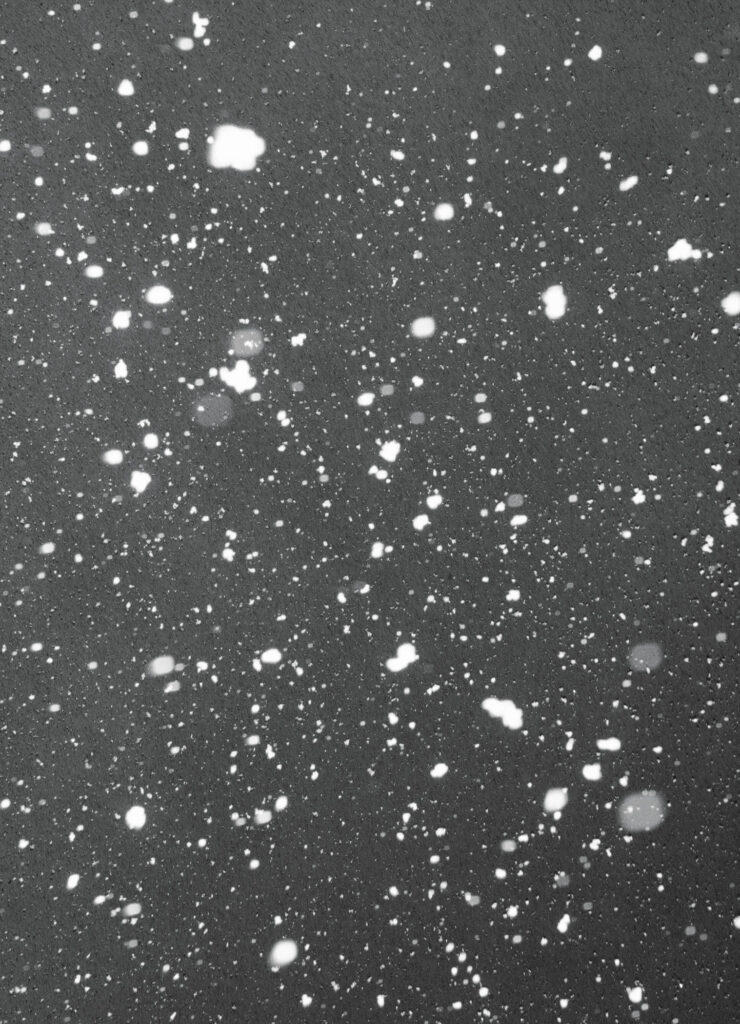
Throughout the project, I was concerned with snow, its disappearance and the effort to prolong its presence, and with what we call natural in a landscape increasingly organised around the production of winter.

EXHIBITIONS
2026 / Die Berge Tirols / group / Museum Europäischer Kulturen / Berlin / GER
2022 / 12. Wiesbadener Fototage / group / Wiesbaden / GER
2021 / VGH Fotopreis / Galerie für Fotografie / group / Hannover / GER
2021 / Sparkassenstiftung Lüneburg / solo / Lüneburg / GER
2019 / Chobi Mela Festival / screening / Dhaka / BD
AWARDS
2022 / True Picture Award / nomination
2021 / PUNKT Journalist Award / winner
2020 / VGH Fotopreis / winner
Images from the project have been published in Die Zeit, Zeit Campus, Falter, Datum, and Frankfurter Allgemeine Zeitung (FAZ)

Ausstellungsansicht: ©Juergen Straser
Text
Auf bekannten Wegen
National Socialism in Ötztal
Commissioned by the Ötztaler Museen, this work follows traces of National Socialism in Ötztal, the valley I grew up in. I encountered fragments of this dark past in archives and cellars, in stories, in names of places and family histories, in museum storage rooms and in the landscape familiar to me.
I wanted to understand how this past becomes visible in a place I know. What remains? What continues to be told? What disappears in the gaps of our memory?
The work brings archival material together with photographs and reenactments. Bodies appear in places where images are missing. These reconstructions remain deliberately fragile, carrying the gaps and uncertainties of the material they draw on. The present enters the image, and the attempt to approach the past stays visible.
I often thought of Walter Benjamin’s image of excavation. For me, remembering meant working through layers, turning fragments over, leaving soil attached. It also meant considering where I stood in the terrain. I was looking for this history in the place I come from.
EXHIBITION
2025 / Auf den Zweiten Blick – NS Zeit im Ötztal / solo
Ötztaler Museen, Längenfeld, AT
Abdul Hamid, Vater von Fahid
Huseyin Temizkan
Binta
BEZIRK 05
The work began in Gries, Graz’s fifth district, in the streets around the BAU, the exhibition venue of steirischer herbst ’25. The neighborhood is home to diaspora communities from regions affected by conflict. At the time of the project, more than half of the district’s residents did not have Austrian citizenship. In the 2024 Styrian state election, the far-right Freedom Party (FPÖ) had received the largest share of votes in Gries.
I wanted to understand what democracy looks like at this scale, and how everyday participation relates to political representation. Who helps sustain a neighborhood through work, care and organization? Who has the right to vote?
I visited migrant organizations and local pubs, spoke with residents from different backgrounds and photographed the people and places I encountered: streets, entrances, shops, courtyards, poll sites and meeting places. Through these conversations and encounters, I investigated different ways of belonging to the same district, the relationships between its inhabitants and the tensions between them.
What concerned me was the distance between being part of a city’s everyday life and being recognized as someone with a say in it.
The work was commissioned for steirischer herbst 25 / Never Again Peace, under the artistic direction of Ekaterina Degot, and developed in close collaboration with Pieternel Vermoortel and Beatrice Forchini.
Micheldorf Micheldorf Micheldorf Micheldorf
I wanted to explore the country I grew up in. A chance journey brought me to Micheldorf in Upper Austria, where I began photographing village life. I was drawn to the beauty of the everyday in a community of nearly 6,000 people, for whom Micheldorf was the centre of their lives.
As I became more familiar with the place, I became increasingly aware of the limits of trying to describe a social space through a single photographic narrative. There were different stories, perspectives and ways of approaching the same place. Even its name pointed to multiplicity: three other places in Austria are called Micheldorf. The project gradually expanded beyond one location.
For the book, I was interested in how I was constructing a sense of place and identity through the selection and sequencing of photographs and text fragments.
I developed three versions of the book. Each contains exactly the same material, arranged in an entirely different sequence. Working through these sequences was a way of exploring several possible narratives without adding or removing anything.
The versions are distributed at random and marked 1/4, 2/4 and 3/4. A fourth version was never made.
EXHIBITIONS
2025 – Sensen Museum Micheldorf, solo, Micheldorf in OÖ, AUT
2024 – Les Rencontres de la Photographie, group show, Arles, FR
2023 – Goethe Exil, group show, Hannover, DE
2021 – Graduation Show, BA Photography, KASK, Ghent, BE
AWARDS
2025 – Nomination, PHotoESPAÑA Best Photography Book of the Year
2024 – Nomination, German Photobook Award
2023 – Nomination, C/O Berlin Talent Award
Text
2025 – tagebuch.at
2025 – faz.net
JOSEF
1935–2023
I had known Josef since my childhood. Like many people in the village, I knew who he was without really knowing him. In 2017, the camera gave me a reason to knock on his door – I began to photograph him, and we gradually became friends.
He lived in the middle of the village, in an old farmhouse without running water or a working heating system. Few relatives, few friends, few words. I was drawn to the dark rooms and old beams, and to the repeated gestures of his work with animals and hay. In the photographs, these details could take on a romantic warmth that sat uneasily with the cold and loneliness of his daily life.
When Josef moved into a care home in 2018, I continued to photograph him there. His days now followed the routines of care, in brighter rooms with smooth surfaces, care beds and linoleum floors.

EXHIBITIONS
2022 / First Pages, Rautenstrauch-Joest-Museum / Cologne, DE
2018 / Lumix Festival / Hannover, DE
2018 / Visa pour l’Image / Perpignan, FR
AWARD
2018 / Audience Award, Hannoversche Allgemeine Zeitung (HAZ)

