Encyclopedia Of Potential Truth

Elias Holzknecht
Info Close

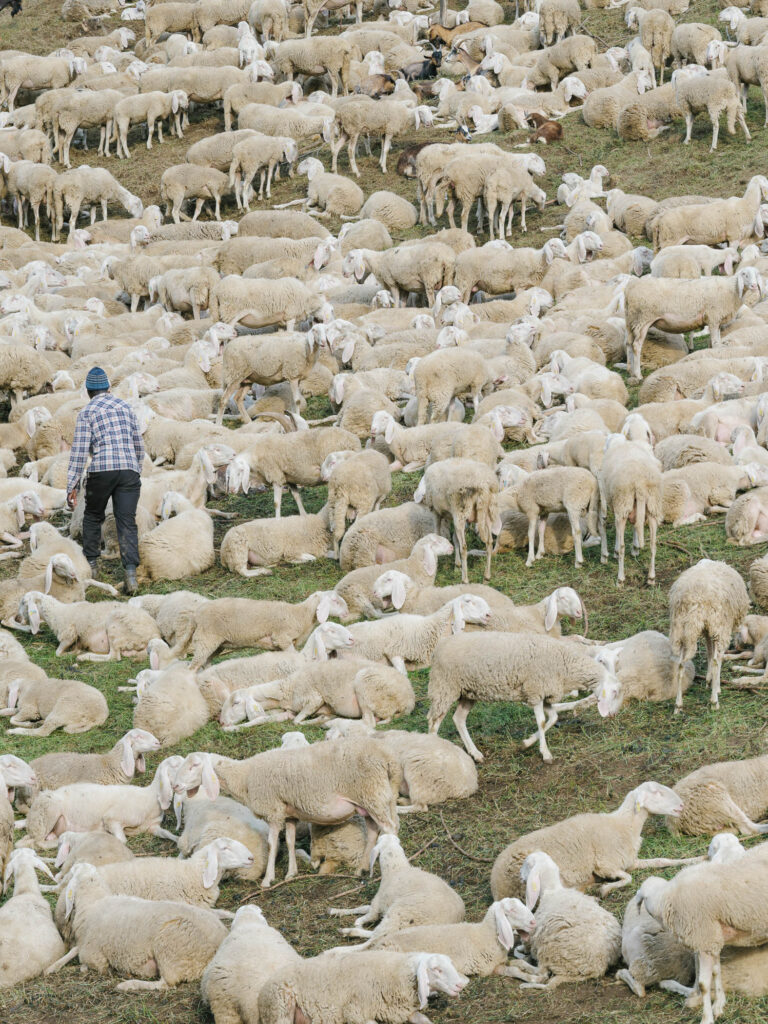
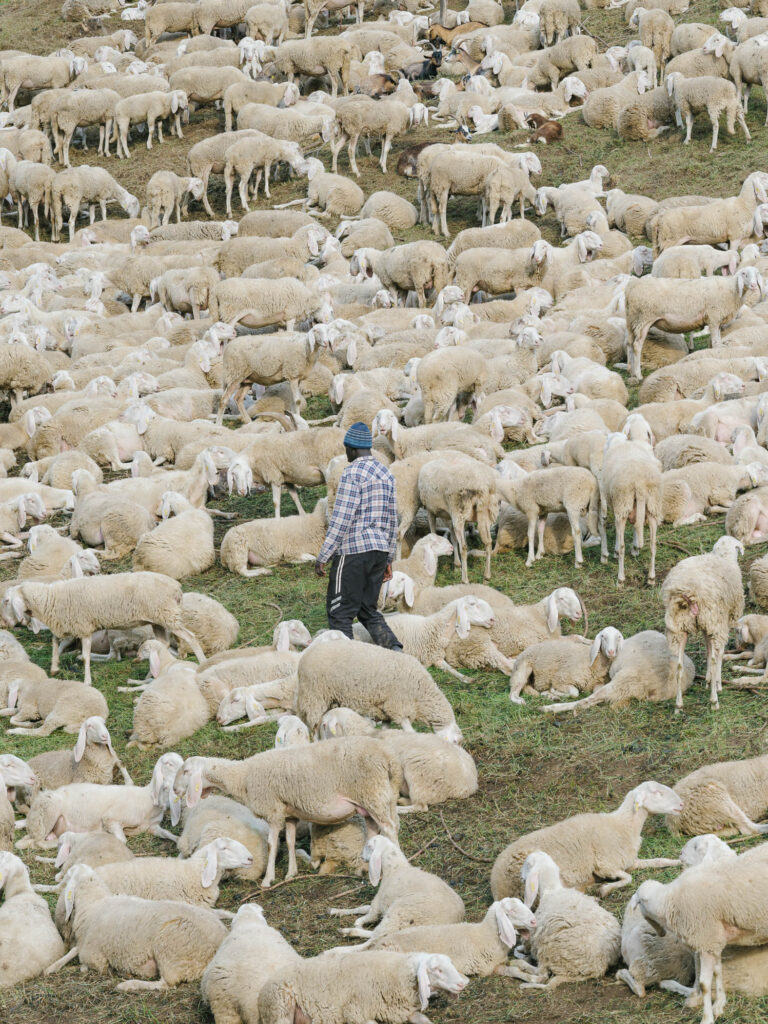
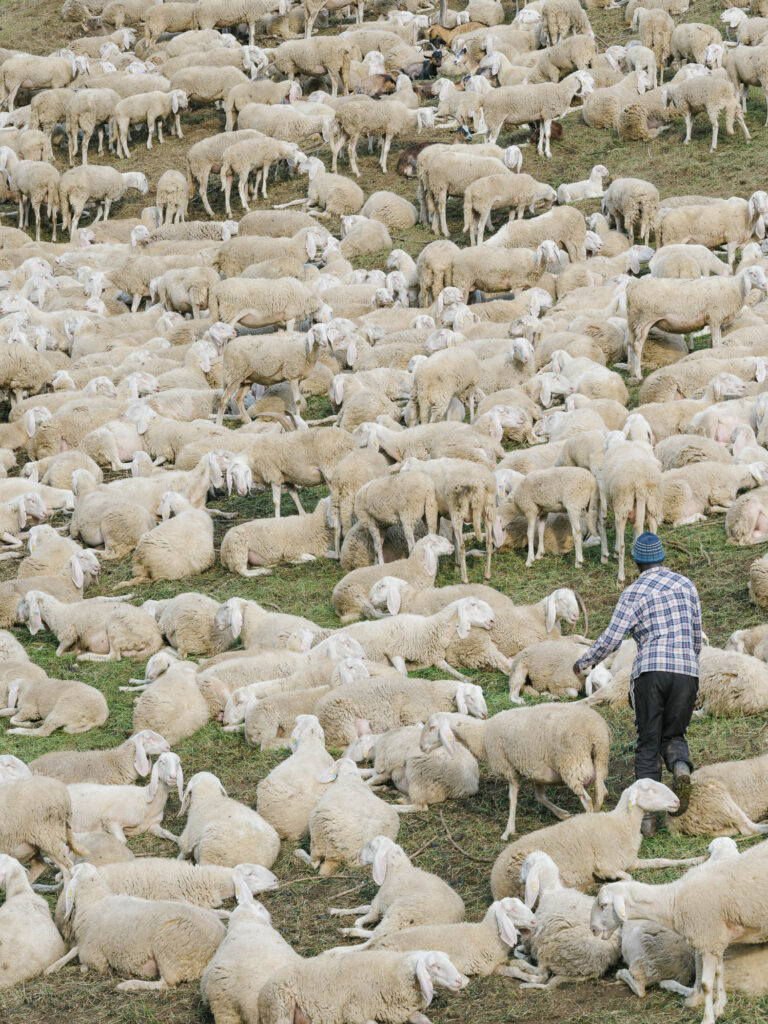
Die Tiere sind wie folgt unterteilt:

a) dem Kaiser gehörige,

b) einbalsamierte,

c) gezähmte,

d) Milchschweine,

e) Sirenen,

f) Fabeltiere,

q) streunende Hunde,

h) in diese Einteilung aufgenommene,

i) die sich wie toll gebärden,

j) unzählbare,

k) mit feinstem Kamelhaarpinsel gezeichnete,

l) und so weiter,

m) die den Wasserkrug zerbrochen haben,

n) die von weitem wie Fliegen aussehen.


Borges, Jorge Luis (2010): ‚Die analytische Sprache von John Wilkins‘, in Borges, Jorge Luis: Die unendliche Bibliothek. Frankfurt: S. Fischer Verlag, S. 315-321.
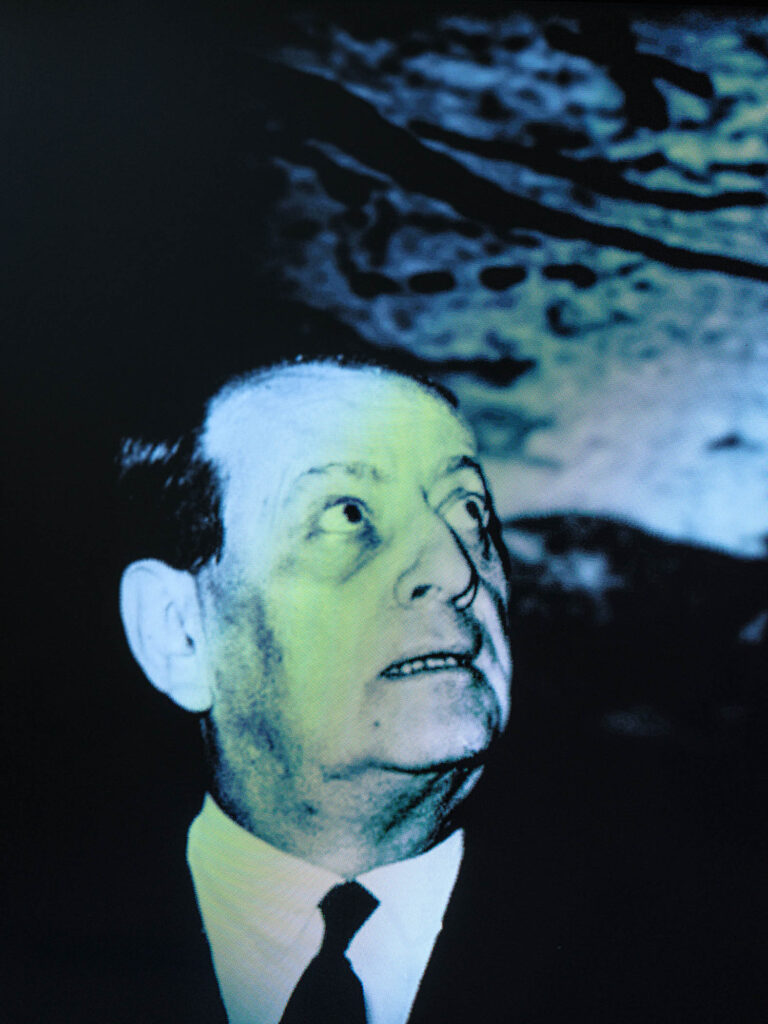
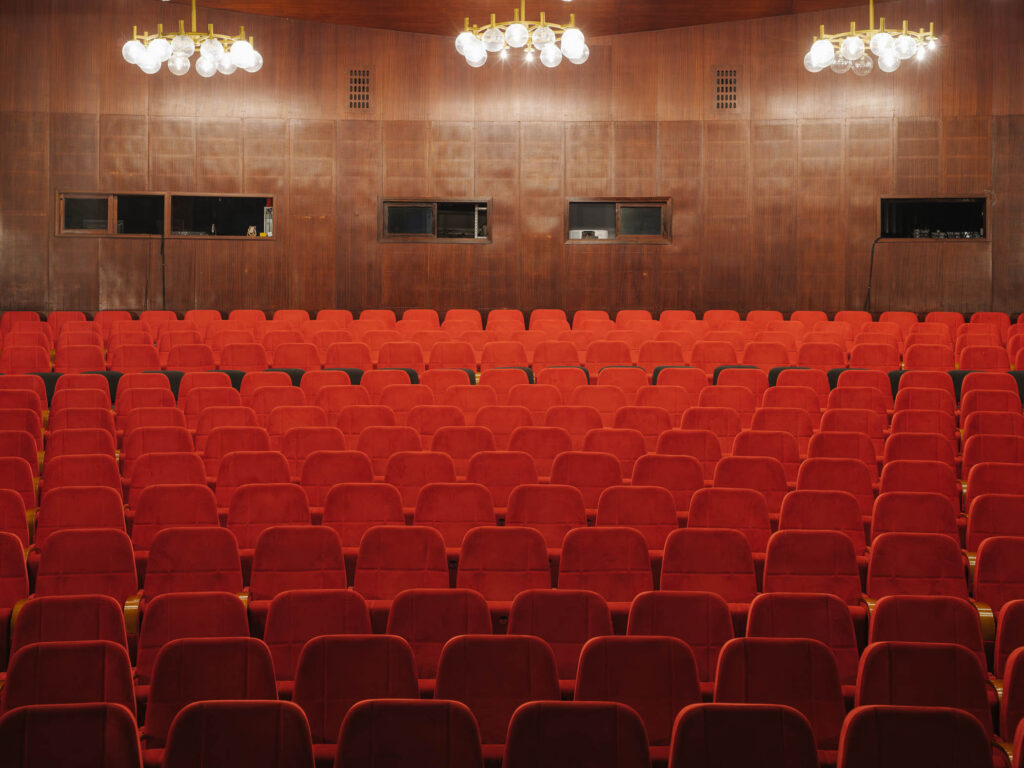
Im "Theatre of Youth" hat Susan Sontag während der Belagerung von Sarajevo das Theaterstück "Waiting for Godot" von Samuel Beckett aufgeführt.
Gavrilo Princip sagte in dieser Region gebe es drei Warheiten.

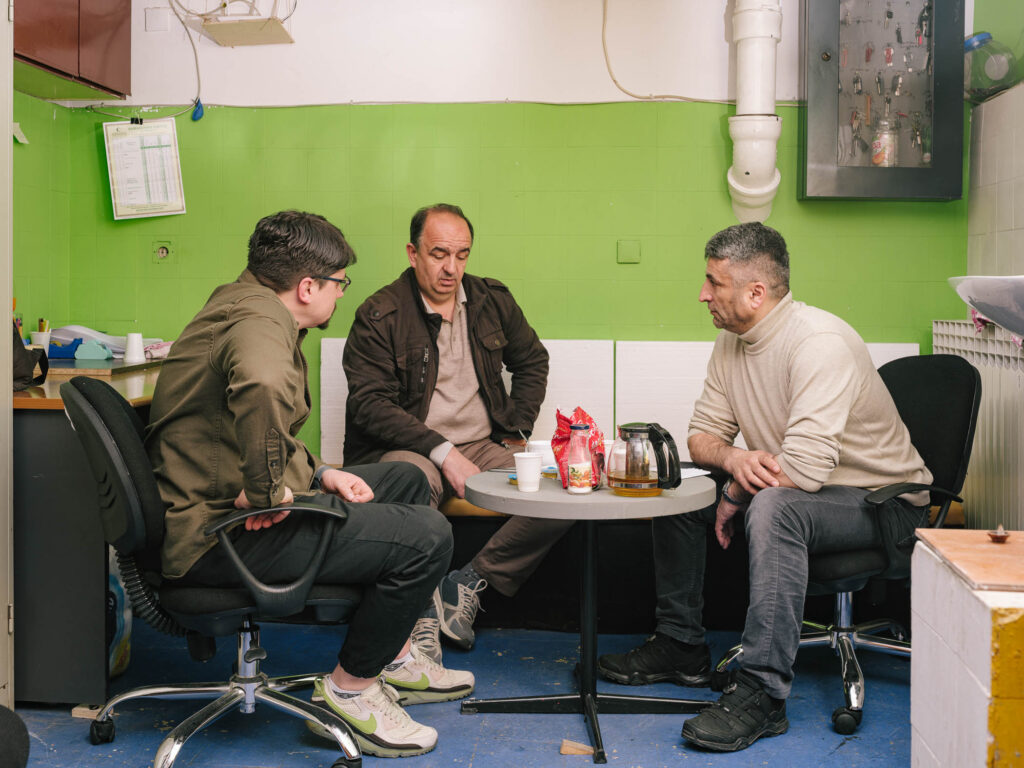
Hier diskutieren drei Mitarbeiter des "Theatre of Youth".
Info X

ENCYCLOPEDIA OF POTENTIAL TRUTH
On the Ordering of Images


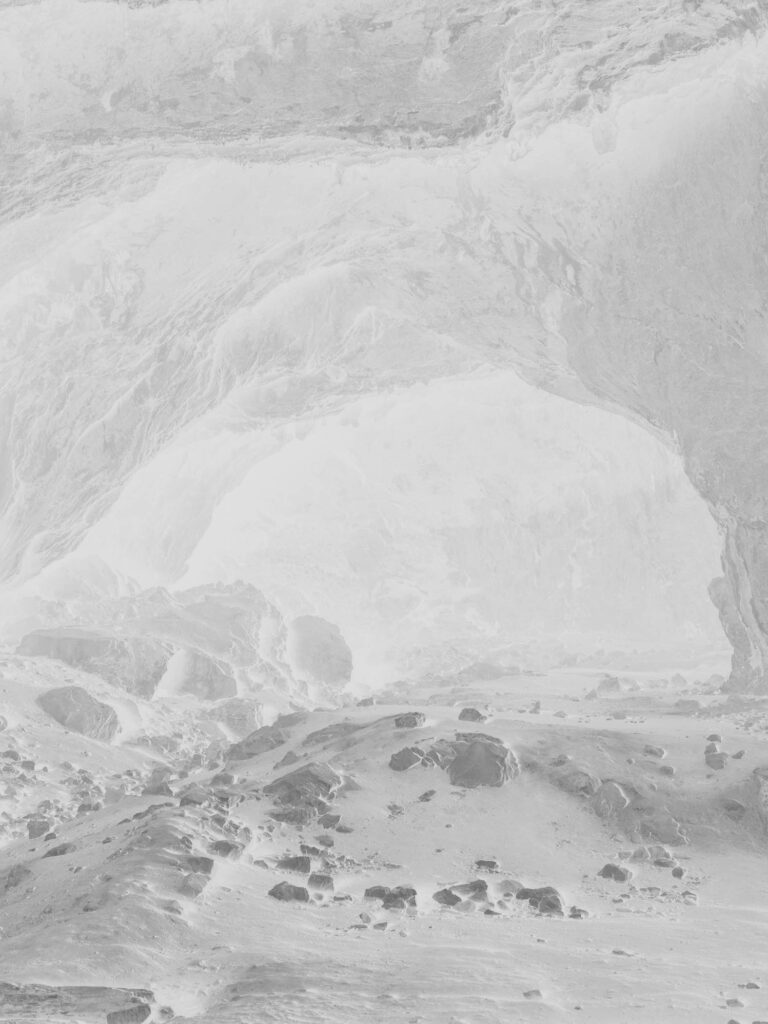
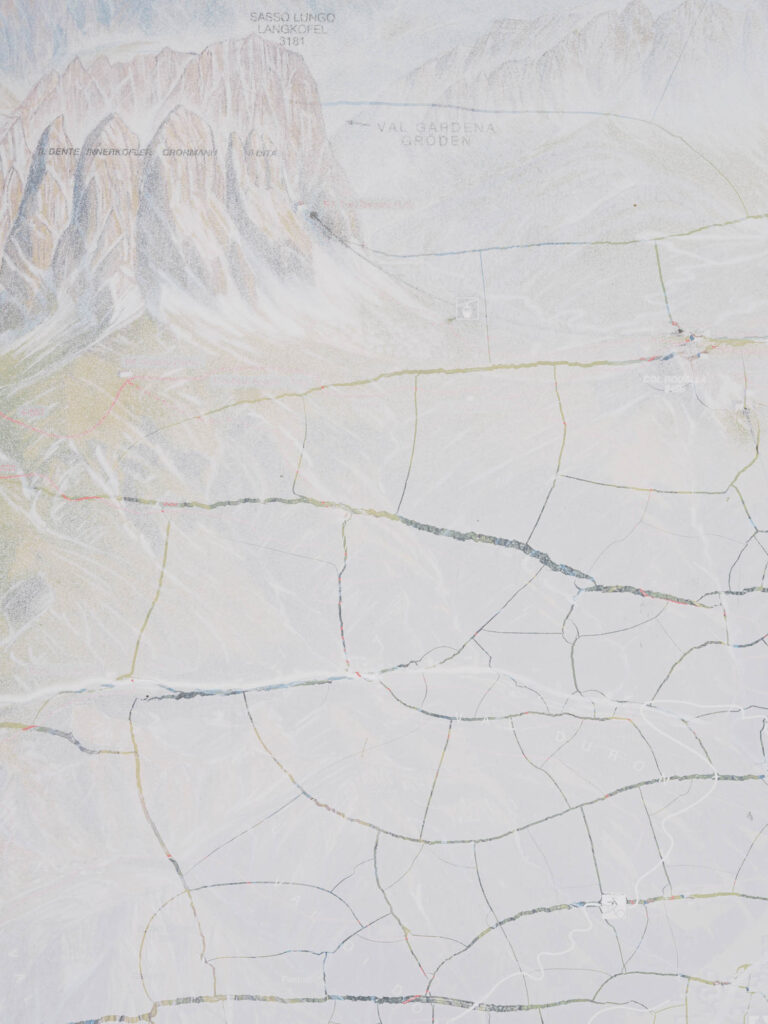
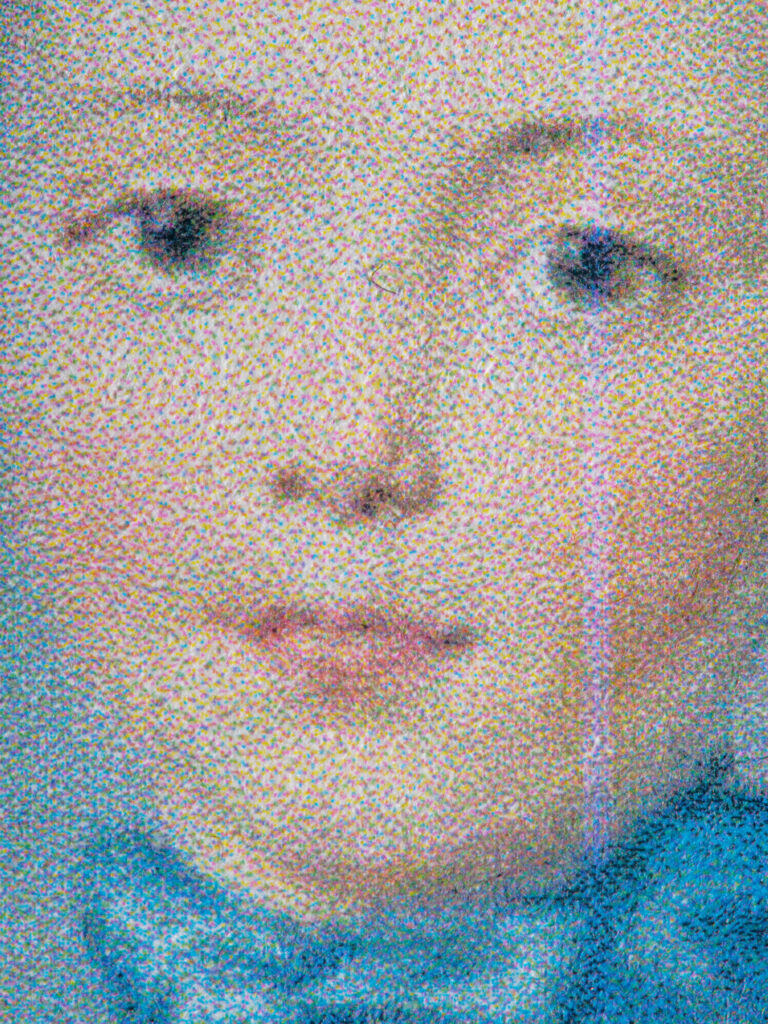
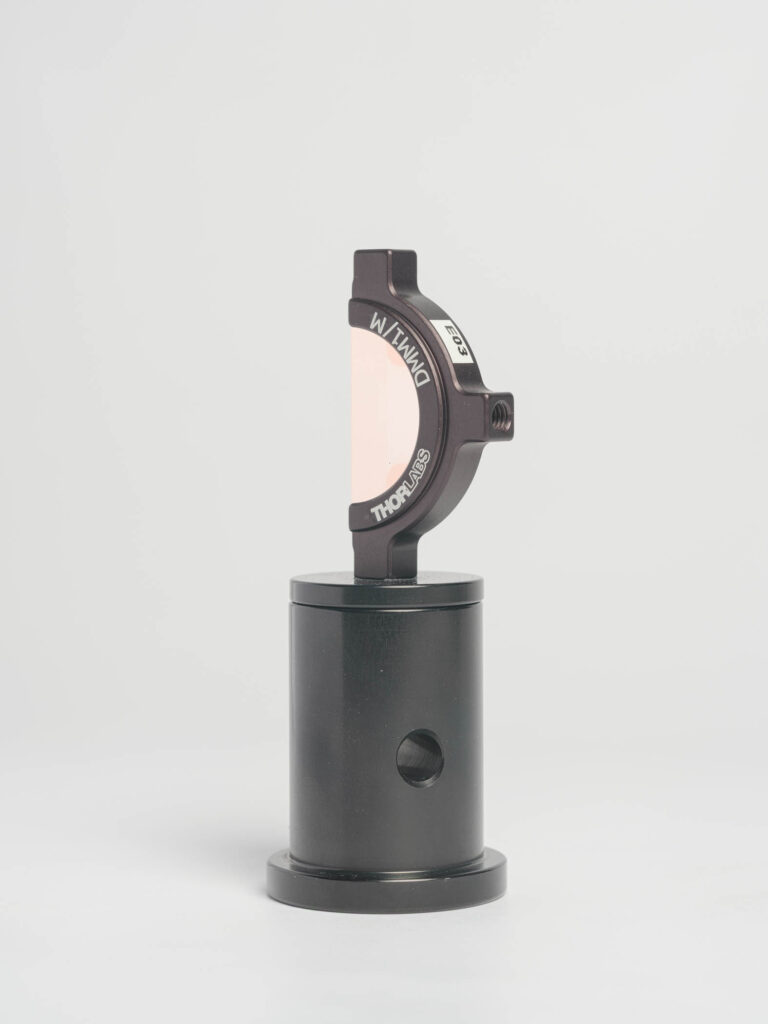
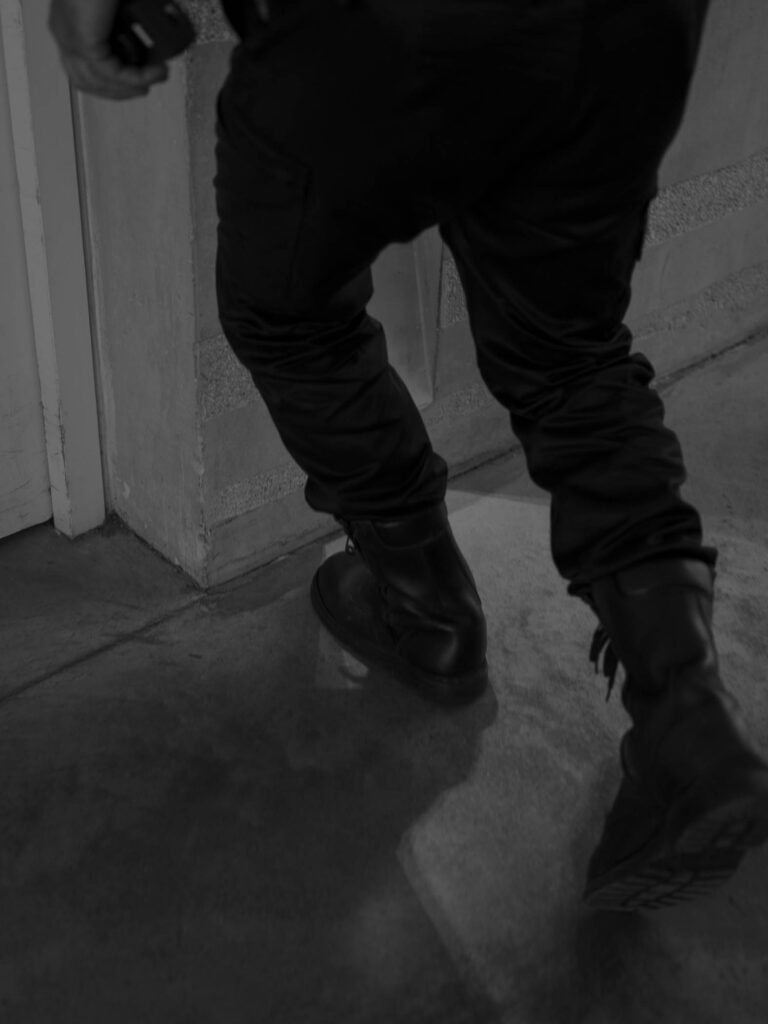
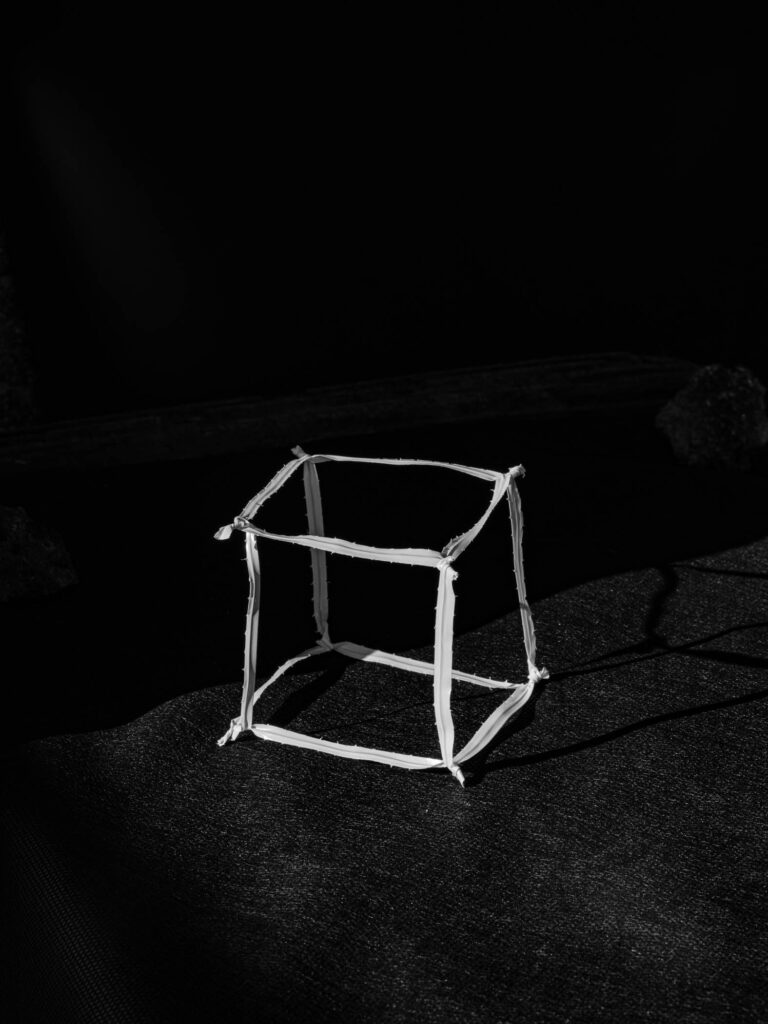
I developed the Encyclopedia of Potential Truth as my graduation project at Hochschule Hannover. I was concerned with photography as a way of representing knowledge, and with the possibilities of sequencing images and narratives.

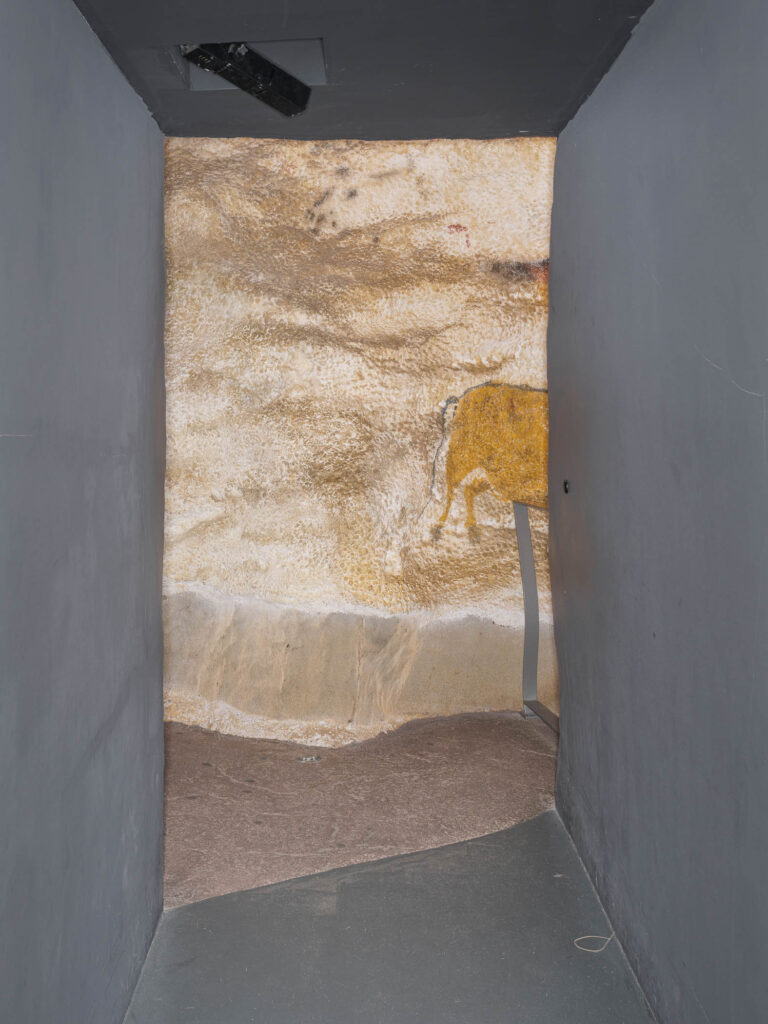
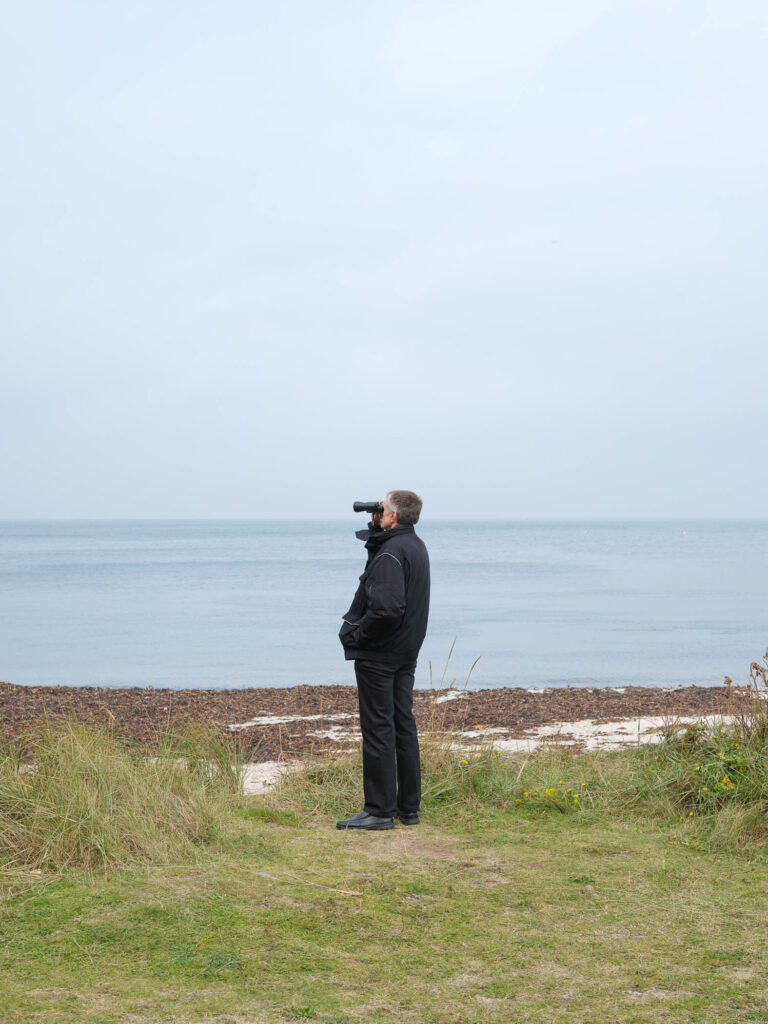
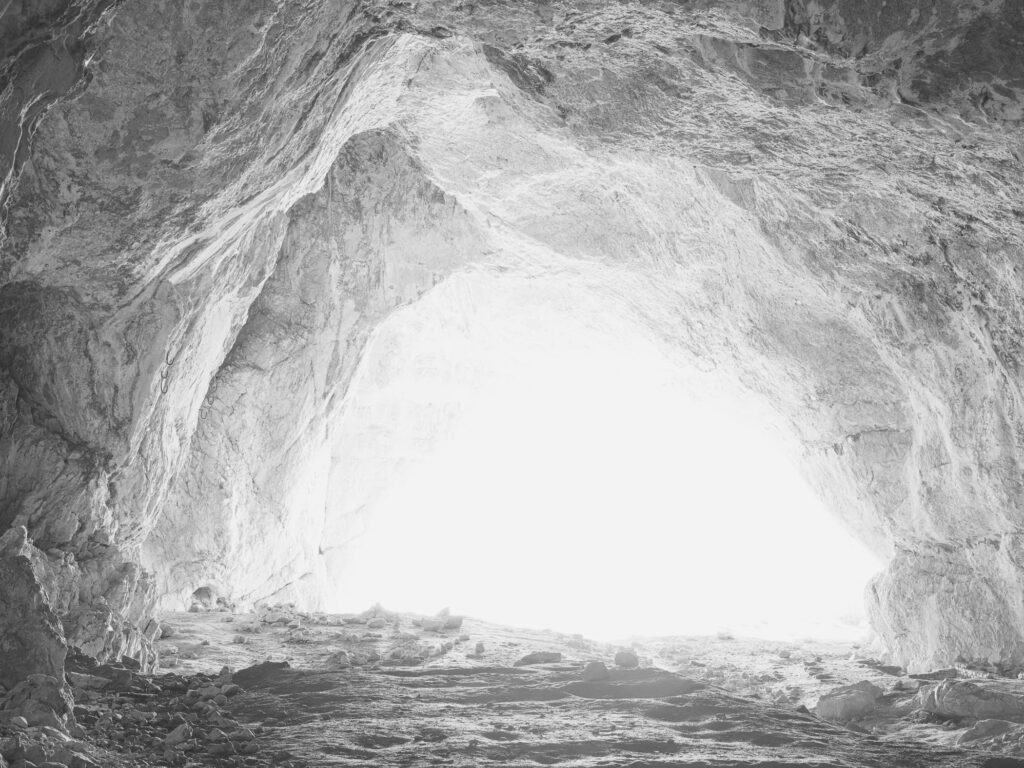
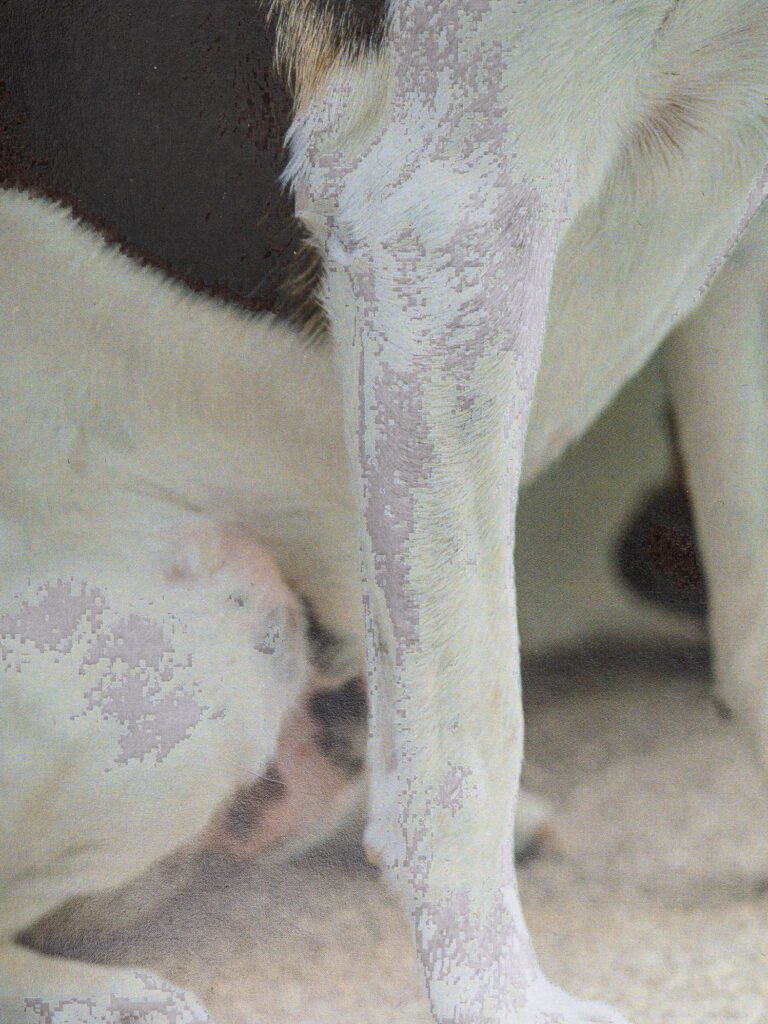
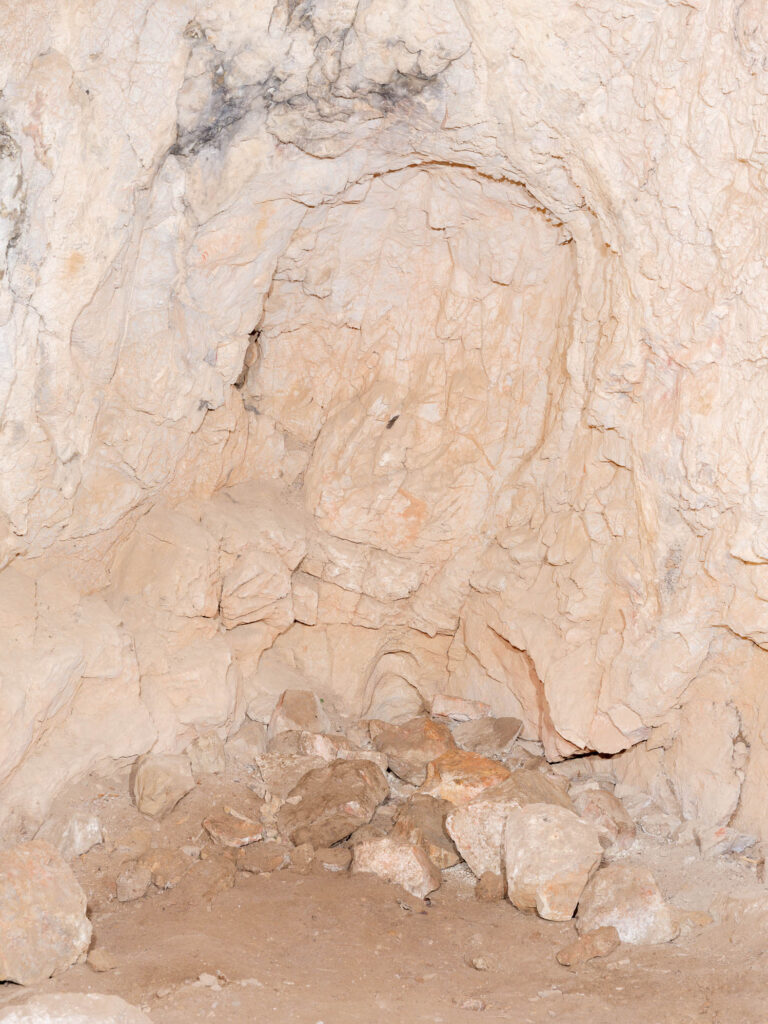
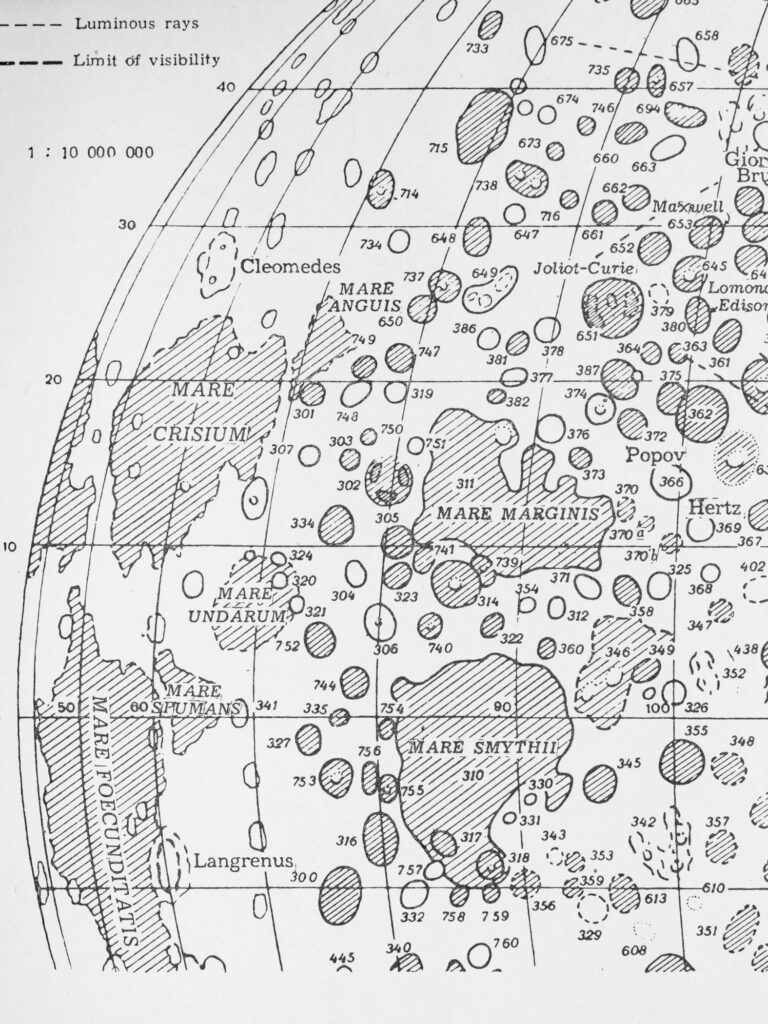
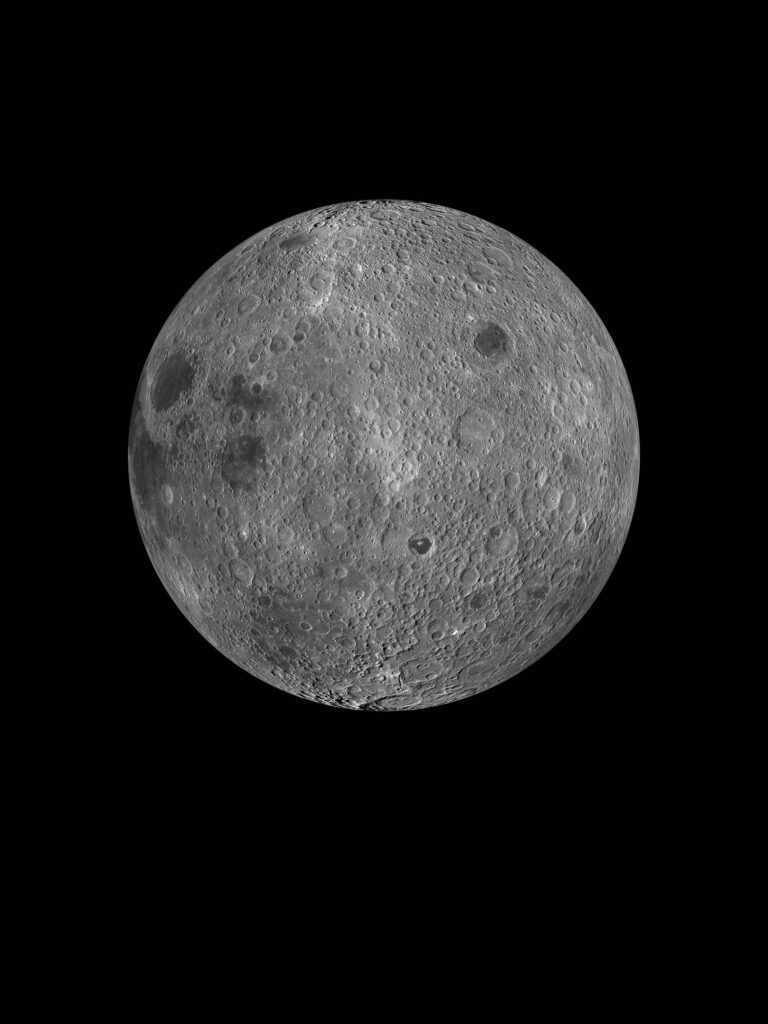
My research moved between the cave paintings of Lascaux, the first images of the far side of the moon, quantum physics on Helgoland, the assassination of Archduke Franz Ferdinand and the biological experiments of the Heck brothers, to name a few. I followed serendipity throughout the process, from research and image-making to sequencing. An unexpected find could become a reason to pursue another subject or reconsider a connection.

The idea of an encyclopedia gave me a framework for gathering this material. I worked across science, history and art, following associations through the subjects themselves and through the visible details of the images. I was interested in the point at which an association might become a hypothesis, a narrative or an explanation.

Peirce’s abduction and Wittgenstein’s language games helped me reflect on these decisions and develop a practice around them. I wanted to think with images, about images and, especially, between images.


I brought the material together in a 634-page book containing 403 photographs, 43 text fragments, 4 timelines and 439 footnotes.